- Company Articles
- Products and Technology
- Product knowledge
- Custom 4040 Aluminum Profile End Caps: Solutions for Medical Device Assembly Lines

Custom 4040 Aluminum Profile End Caps: Solutions for Medical Device Assembly Lines
Related Product
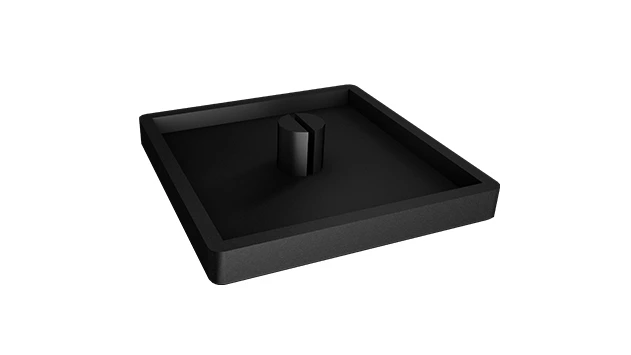
4040 Aluminum Profile End Cap
The aluminum profile end cap adds a finishing touch to your project and closes off profile ends to limit dust and debris buildup, also it can avaid some scratch for material and labor during the assemble work.
How a small component elevates safety, efficiency, and precision in life-saving manufacturing
The Precision Puzzle of Medical Device Assembly
Walk into any medical device assembly line, and you'll feel it immediately—the hum of purpose. Every workstation, every tool, every inch of space is calibrated for one mission: building devices that save lives, from intricate surgical tools to life-sustaining monitors. In this world, precision isn't just a buzzword; it's the difference between a device that works flawlessly and one that fails. But here's the thing: precision doesn't just come from high-tech machinery. It often hides in the smallest details—like the caps that seal the ends of aluminum profiles.
Today, we're diving into one of those unsung heroes: the 4040 aluminum profile end cap . It might sound unassuming, but in the fast-paced, regulation-heavy world of medical device assembly, this tiny component plays a starring role. Let's unpack why—and how customizing it can transform your workflow, safety standards, and bottom line.
Aluminum Profiles: The Backbone of Modern Assembly Lines
Before we talk end caps, let's talk about the star of the show: aluminum extrusion profiles . If medical device assembly lines were a body, aluminum profiles would be the skeleton. Lightweight yet surprisingly strong, they're the building blocks for everything from workbenches and material racks to conveyor systems and machine guards. Why aluminum? For starters, it's corrosion-resistant—critical in cleanrooms where sanitization is non-negotiable. It's also modular: with T-slots running along its length, you can attach accessories, shelves, or tools with ease, adapting on the fly as production needs change.
Among the most popular profiles is the 4040 series. Named for its 40mm x 40mm cross-section, it's the Goldilocks of profiles—not too big, not too small, just right for most medium-duty applications. You'll find it everywhere: supporting workbenches where technicians assemble pacemakers, framing flow racks that feed catheters to packaging lines, and forming the structure of mobile carts that transport sensitive components. But like any good skeleton, aluminum profiles need protection at the joints—and that's where end caps come in.

What Are 4040 Aluminum Profile End Caps, Anyway?
Imagine running your hand along the edge of an aluminum extrusion. Straight from the factory, those ends can be sharp—think of a fresh-cut piece of metal, with tiny burrs or rough edges. Now, imagine a technician in a hurry, reaching across a workbench to grab a tool, and grazing that edge. A small cut might seem minor, but in a medical facility, it's a problem: it risks contamination, requires first aid, and disrupts workflow. Enter the 4040 aluminum profile end cap: a simple, often plastic or rubber cap designed to snap or press-fit onto the open ends of 4040 profiles.
But their job goes way beyond "band-aid for sharp edges." These caps are multitaskers:
- Safety first: They eliminate sharp edges, turning a potential hazard into a smooth, touchable surface. In a line where workers handle delicate parts with gloved hands, this isn't just nice—it's essential.
- Debris defense: Open profile ends are magnets for dust, metal shavings, or spilled liquids. End caps seal those openings, keeping contaminants out of the T-slots (where they could jam accessories or corrode the metal over time).
- Aesthetic and organizational: Let's face it—an assembly line full of exposed profile ends looks unfinished. End caps give workstations a clean, professional appearance. Plus, they can be color-coded (more on that later) to help with zone identification—think red for "sterile tools only" or blue for "inspection area."
- Structural support: While they're not load-bearing, a snug-fitting end cap adds a tiny bit of rigidity to the profile, reducing flex in long spans—handy for workbenches that hold heavy equipment.

Why "Custom" Matters in Medical Device Manufacturing
Standard end caps work for basic applications, but medical device assembly isn't basic. It's a world of strict regulations (FDA, ISO 13485), unique workflows, and zero room for error. That's where custom 4040 aluminum profile end caps shine. They're not just "one-size-fits-all"—they're tailored to your line's specific needs. Let's break down the scenarios where customization makes all the difference:
1. Material Matters: When "Good Enough" Isn't Good Enough
Standard end caps might be made of generic plastic, but medical environments demand more. Maybe your line handles implantable devices, where even trace contaminants are dangerous—so you need end caps made of FDA-approved, food-grade plastic. Or perhaps you're working with electronics (like pacemaker circuit boards) and need ESD workstation -compatible materials to prevent static discharge. Custom end caps let you pick the right material for the job: anti-static rubber, chemical-resistant nylon, or even metal (for high-temperature zones).
2. Size and Fit: Precision Down to the Millimeter
Not all 4040 profiles are identical. Some have thicker walls; others have modified T-slots for specialized accessories. A standard end cap might fit loosely, popping off when bumped or leaving gaps that let debris in. Custom end caps are engineered to match your exact profile dimensions—ensuring a tight, rattle-free fit that lasts shift after shift. It's the difference between a cap that "works" and one that stays working .
3. Color-Coding for Clarity
Medical assembly lines thrive on organization. When you're producing 10 different catheter types or 5 variations of a surgical tool, mix-ups are costly. Custom colored end caps turn your aluminum profiles into a visual roadmap. For example:
- Yellow end caps for workbenches assembling cardiac devices
- Blue for neurology tools
- Green for packaging stations
Workers can glance at a workstation and instantly know what belongs there—reducing errors and speeding up training for new team members.
4. Special Features for Special Needs
Sometimes, you need more than a simple cap. Maybe your workbench has cables or hoses running through the profile—custom end caps can be drilled with holes to route them neatly, eliminating tangles. Or perhaps you're in a cleanroom that requires regular pressure washing; end caps with integrated gaskets can seal out water, preventing rust inside the profile. The possibilities are endless—and they all start with a conversation: "What problem are we trying to solve?"
Standard vs. Custom End Caps: A Quick Comparison
| Feature | Standard End Caps | Custom End Caps |
|---|---|---|
| Material Options | Limited (usually generic plastic) | Wide range (ESD-safe, FDA-approved, metal, etc.) |
| Fit | One-size-fits-most (may be loose on non-standard profiles) | Engineered for your exact profile dimensions (snug, secure fit) |
| Color | Basic colors (black, white, gray) | Custom colors for color-coding workflows |
| Special Features | None (simple cap design) | Customizable (holes for cables, gaskets, RFID tags, etc.) |
| Regulatory Compliance | May not meet medical-grade standards | Tailored to meet FDA, ISO, or cleanroom requirements |
Beyond End Caps: Building a Lean System That Lasts
At this point, you might be thinking, "Okay, end caps are important—but how do they fit into the bigger picture?" Great question. Medical device manufacturers don't just need components; they need a lean system —a way of working that eliminates waste, streamlines workflows, and keeps quality front and center. Aluminum profiles and custom end caps are foundational to this.
Let's take a workbench as an example. A well-designed medical workbench built with 4040 aluminum profiles does more than hold tools. It's a hub of efficiency: height-adjustable to reduce worker fatigue, with built-in storage for frequently used parts, and T-slots for attaching task lights or magnifying glasses. Now, add custom end caps: color-coded to match the product line, with gaskets to keep out disinfectant spray, and a small notch to route a power cord for a soldering iron. Suddenly, that workbench isn't just a table—it's a lean machine, designed to make every second count.
Or consider material flow. A flow rack built with 4040 profiles and custom end caps ensures that components (like syringes or vials) glide smoothly to the assembly line, reducing the need for workers to bend or reach. The end caps on the rack's uprights prevent metal shavings from falling into the product bins, and their bright color makes the rack easy to spot in a busy facility. It's lean thinking in action: small, intentional choices that add up to big improvements in safety and productivity.
Choosing the Right Aluminum Profile Supplier
Custom end caps are only as good as the supplier behind them. In medical manufacturing, "close enough" isn't acceptable—you need a partner who understands the stakes. Here's what to look for:
- Regulatory know-how: They should be familiar with FDA, ISO 13485, and cleanroom standards. Ask for material certifications to ensure end caps meet medical-grade requirements.
- Customization capabilities: Can they produce small batches? Do they have in-house design teams to help you engineer a cap with specific features (like that cable notch we mentioned)?
- Quality control: A good supplier tests every batch for fit, durability, and consistency. No one wants a cap that cracks after a month of use.
- Technical support: Maybe you're not sure what material you need, or you want to brainstorm a custom feature. Look for a supplier who takes the time to understand your workflow—not just sell you a product.
Remember: Your aluminum profile supplier isn't just a vendor. They're an extension of your team, helping you build a line that's safe, efficient, and ready to adapt as your products evolve.
The Future of Aluminum Profile Accessories
As medical device technology advances, so too will the tools that build them. What's next for end caps and aluminum profile accessories? We're already seeing exciting trends:
- Sustainability: Biodegradable or recycled materials for end caps, aligning with the industry's push for greener manufacturing.
- Smart features: End caps with embedded RFID tags to track assets (like which profiles belong to which workstation) or sensors that monitor temperature or vibration in critical environments.
- Ergonomic design: Soft-touch end caps that reduce hand fatigue for workers who lean on workbenches for hours.
These innovations might sound futuristic, but they're rooted in the same principle that makes today's custom end caps valuable: solving real problems for real people on the factory floor.
Wrapping It Up: The Small Component That Makes a Big Difference
At the end of the day, medical device assembly is about trust. Patients trust that the devices they rely on are built with care. Workers trust that their tools and workspaces keep them safe. And manufacturers trust that their processes are efficient enough to meet demand without cutting corners. The 4040 aluminum profile end cap might not be the first thing you think of when you picture that trust—but it's there, quietly doing its job.
So the next time you walk through your assembly line, take a closer look at those aluminum profiles. Notice the caps on the ends—smooth, secure, maybe even colored to match your workflow. That's precision. That's care. That's the difference between a good assembly line and a great one.
Because in the world of medical device manufacturing, success isn't just about the big machines. It's about the small details—the ones that show you care enough to get every part right. And yes, that includes the end caps.