- Company Articles
- Products and Technology
- Solution
- Custom Aluminum Guide Rail B Solutions: Tailored Designs for Unique Production Needs

Custom Aluminum Guide Rail B Solutions: Tailored Designs for Unique Production Needs
Related Product
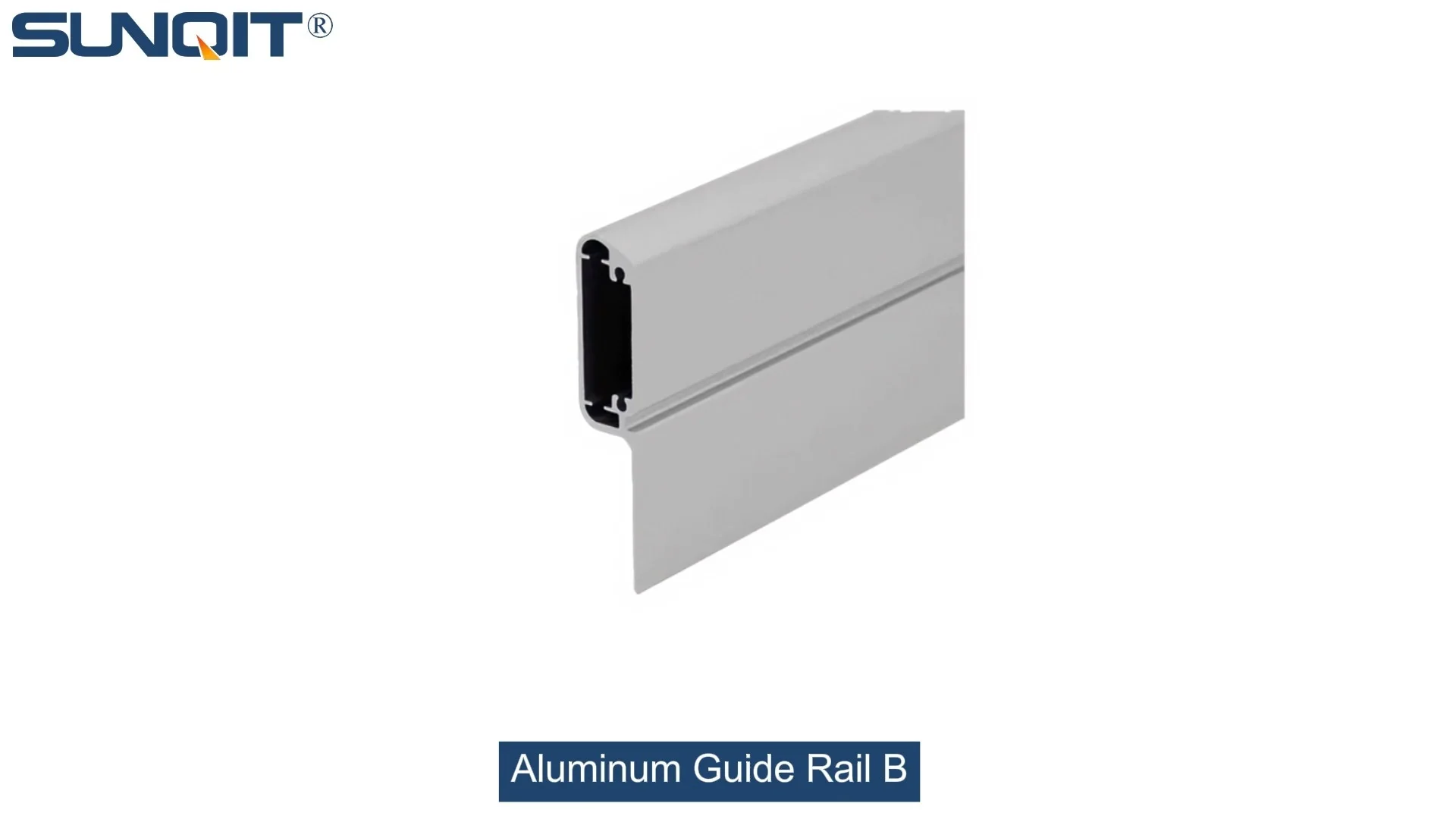
Aluminum Guide Rail B
The aluminum guide rails hold the transport goods securely on the roller track. For installation, the guide rails are simply pushed over the roller tracks.To protect sensitive products.
In the heart of a bustling consumer electronics factory, a production manager stands in front of a line that's supposed to be assembling the latest smartphone model. But today, there's a problem—last month's guide rails, rigid and one-size-fits-all, can't accommodate the new device's slimmer frame. The team has spent hours trying to adjust, but the bolts are stuck, the alignment is off, and every minute of downtime is costing the company thousands. Sound familiar? For manufacturers across industries, from 3C assembly to medical device production, the struggle with inflexible equipment is all too real. That's where custom Aluminum Guide Rail B solutions step in—not just as parts, but as partners in solving your unique production puzzles.
Why "One-Size-Fits-All" Fails in Modern Manufacturing
Let's face it: manufacturing isn't what it used to be. Product lifecycles are shorter, customization demands are higher, and production lines need to pivot faster than ever. A standard guide rail might work for a while, but when your next product launch requires a 15% narrower assembly station, or your medical device line needs ESD-safe components to protect sensitive equipment, that "standard" part suddenly becomes a roadblock.
We've talked to hundreds of production teams, and the same frustrations keep coming up: wasted time on reconfigurations, increased scrap from misaligned parts, and the stress of meeting deadlines with equipment that wasn't built for their specific workflow. It's not just about having a guide rail—it's about having a guide rail that grows with you, adapts with you, and makes your team's job easier, not harder.
| Challenge with Standard Rails | How Custom Aluminum Guide Rail B Solves It |
|---|---|
| Fixed dimensions limit product flexibility | Tailored length, width, and mounting options to fit unique product specs | Generic materials fail in harsh environments (e.g., medical cleanrooms) | Material customization (anodized aluminum, ESD-safe coatings) for industry-specific needs |
| Poor compatibility with existing lean pipe workbench or flow rack systems | Designed to integrate seamlessly with your current aluminum profile setups |
| High replacement costs due to wear and tear | Durable aluminum extrusion profile construction for long-term reliability |
Aluminum Guide Rail B: More Than a Part—A Custom Solution Engine
So, what makes Aluminum Guide Rail B different? It starts with the material: high-grade aluminum profile that's lightweight yet strong enough to handle the daily grind of manufacturing. But the real magic is in how we shape it, adapt it, and build it around your needs. Let's break down the features that make these custom solutions a game-changer for production lines worldwide.
Flexibility That Keeps Up with Your Ideas
Whether you need a 40mm narrow rail for precision 3C component handling or an 85mm staggered design for heavy-duty automotive parts, we don't just cut aluminum—we engineer solutions. One client in the computer industry came to us needing a guide rail that could tilt 12 degrees to reduce worker fatigue during manual assembly. Today, their line runs smoother, and employee feedback? "It's like the rail was made just for how we work."
Whether you need a 40mm narrow rail for precision 3C component handling or an 85mm staggered design for heavy-duty automotive parts, we don't just cut aluminum—we engineer solutions. One client in the computer industry came to us needing a guide rail that could tilt 12 degrees to reduce worker fatigue during manual assembly. Today, their line runs smoother, and employee feedback? "It's like the rail was made just for how we work."
Durability That Saves You Money Long-Term
We've all seen it: a flimsy plastic rail cracking after six months, or a steel rail rusting in a humid warehouse. Aluminum Guide Rail B uses corrosion-resistant aluminum extrusion profile with optional anodized finishes, meaning it stands up to oil, moisture, and daily use. A automotive parts manufacturer in Guangzhou recently shared that their custom rails, installed three years ago, still look and perform like new—no replacements, no downtime, just consistent reliability.
We've all seen it: a flimsy plastic rail cracking after six months, or a steel rail rusting in a humid warehouse. Aluminum Guide Rail B uses corrosion-resistant aluminum extrusion profile with optional anodized finishes, meaning it stands up to oil, moisture, and daily use. A automotive parts manufacturer in Guangzhou recently shared that their custom rails, installed three years ago, still look and perform like new—no replacements, no downtime, just consistent reliability.
Compatibility with Your Existing Lean Ecosystem
You don't need to tear down your entire line to upgrade. Our Aluminum Guide Rail B is designed to play nice with your current lean pipe system, flow rack, and even conveyor setups. For example, a medical device company in Suzhou was using our lean pipe workbench but needed a guide rail that could connect to their existing roller track. We designed a custom connector that snapped right into their aluminum profile accessories, saving them the cost of replacing perfectly good equipment.
You don't need to tear down your entire line to upgrade. Our Aluminum Guide Rail B is designed to play nice with your current lean pipe system, flow rack, and even conveyor setups. For example, a medical device company in Suzhou was using our lean pipe workbench but needed a guide rail that could connect to their existing roller track. We designed a custom connector that snapped right into their aluminum profile accessories, saving them the cost of replacing perfectly good equipment.
Sustainability That Aligns with Your Green Goals
In a world where sustainability matters more than ever, our custom solutions are built to be reused and reconfigured, not replaced. When a manufacturer switched product lines, instead of scrapping their old rails, we modified the length and added new mounting brackets—cutting waste by 70% and saving them 40% on new equipment costs. That's the lean in action: "reusable, continuously improvable," and better for the planet.
In a world where sustainability matters more than ever, our custom solutions are built to be reused and reconfigured, not replaced. When a manufacturer switched product lines, instead of scrapping their old rails, we modified the length and added new mounting brackets—cutting waste by 70% and saving them 40% on new equipment costs. That's the lean in action: "reusable, continuously improvable," and better for the planet.

Real-World Impact: Custom Aluminum Guide Rail B in Action
Numbers and specs tell part of the story, but nothing beats hearing from teams who've lived the difference. Here are three industries where custom Aluminum Guide Rail B has transformed production lines—one problem, one solution, one success story at a time.
3C Assembly: Precision for Slimmer, Faster Devices
A leading 3C manufacturer in Shenzhen was gearing up to launch a new foldable phone model. The challenge? Their existing guide rails were too wide, causing misalignment during the delicate hinge assembly process. Every misalignment meant a defective unit, and their scrap rate was climbing to 8%.
We worked with their engineering team to design a custom Aluminum Guide Rail B with a 38mm width (15% narrower than standard) and integrated side guides with soft rubber edges to protect the phone's fragile screen. The result? Scrap rate dropped to 1.2%, and assembly speed increased by 20% because workers no longer had to slow down to adjust parts.
"The custom rail didn't just fix a problem—it made our team more confident. They know the equipment is built for
our
product, not the other way around." — Production Engineer, Shenzhen 3C Manufacturer
Medical Device Production: Clean, Safe, and Compliant
A medical equipment company in Shanghai produces surgical tools that require strict cleanroom conditions and ESD protection to avoid damaging sensitive electronics. Their old steel rails were difficult to clean (tiny crevices trapped dust) and prone to static buildup—both big no-nos in medical manufacturing.
We developed an Aluminum Guide Rail B with a smooth, crevice-free aluminum extrusion profile and an ESD-safe coating. The rails were also designed with quick-release brackets for easy disassembly during deep cleaning. Post-installation, their cleanroom audits showed a 40% reduction in particle counts, and ESD-related defects vanished entirely.
"Compliance used to feel like a burden. Now, our guide rails help us pass audits with ease. It's one less thing to worry about, and that's priceless." — Quality Manager, Shanghai Medical Device Firm
Warehouse Logistics: Smoother Flow for Faster Order Fulfillment
A large e-commerce warehouse in Beijing was struggling with bottlenecks in their picking process. Their flow rack used generic guide rails that caused jams when handling packages of varying weights and sizes—especially during peak shopping seasons. Workers were spending 2 hours a day unjamming rails, and order fulfillment times were slipping.
We analyzed their package data (weights from 0.5kg to 15kg, sizes from small boxes to flat envelopes) and designed a custom Aluminum Guide Rail B with adjustable roller tension. Heavier packages glide smoothly on stiffer rollers, while lighter ones use softer tension to prevent jams. The result? Zero jams in three months, and fulfillment time per order dropped by 15 minutes.
"During 11.11, we used to have teams standing by just to fix jams. This year? They were helping with picking instead. That's the difference a rail built for
our
chaos makes." — Warehouse Manager, Beijing E-Commerce Logistics

Our Custom Process: From "I Need This" to "It Works Perfectly"
We get it—custom sounds complicated. But it doesn't have to be. Our process is designed to be collaborative, transparent, and tailored to your timeline. Here's how we turn your challenge into a solution:
Step 1: Listen First, Design Later
We start with a conversation (over coffee, on-site, or via video call—whatever works for you). Tell us about your production line: What's slowing you down? What specs do you need? What existing equipment do we need to work with? We take notes, ask questions, and even visit your facility if needed to see the problem firsthand.
We start with a conversation (over coffee, on-site, or via video call—whatever works for you). Tell us about your production line: What's slowing you down? What specs do you need? What existing equipment do we need to work with? We take notes, ask questions, and even visit your facility if needed to see the problem firsthand.
Step 2: Engineering a Solution (With Your Input)
Our engineers create 3D designs and share them with you for feedback. No jargon, just clear drawings and explanations. Need to tweak the length? Adjust the mounting holes? We revise until it's right. A recent client in the industry asked for three design iterations before landing on the perfect rail—we never rush this step because we know "close enough" isn't good enough.
Our engineers create 3D designs and share them with you for feedback. No jargon, just clear drawings and explanations. Need to tweak the length? Adjust the mounting holes? We revise until it's right. A recent client in the industry asked for three design iterations before landing on the perfect rail—we never rush this step because we know "close enough" isn't good enough.
Step 3: Prototyping and Testing
We build a prototype and test it in our facility under conditions that mimic yours. Does it handle the weight? Does it integrate with your conveyor? Is it easy to install? We send you the test results and even the prototype for you to try on-site if needed. A manufacturer in Qingdao loved this step—they tested the prototype on their line for a week before giving the green light.
We build a prototype and test it in our facility under conditions that mimic yours. Does it handle the weight? Does it integrate with your conveyor? Is it easy to install? We send you the test results and even the prototype for you to try on-site if needed. A manufacturer in Qingdao loved this step—they tested the prototype on their line for a week before giving the green light.
Step 4: Production and Delivery (On Time, Every Time)
Once approved, we manufacture your custom Aluminum Guide Rail B using precision aluminum extrusion profile and strict quality checks. We know downtime is costly, so we stick to your timeline—98% of our custom orders deliver on schedule.
Once approved, we manufacture your custom Aluminum Guide Rail B using precision aluminum extrusion profile and strict quality checks. We know downtime is costly, so we stick to your timeline—98% of our custom orders deliver on schedule.
Step 5: Installation Support and Beyond
Our job doesn't end at delivery. We provide installation guides, and if needed, our team can help set up the rails on-site. And if down the line you need to reconfigure (because your production needs change—we get it!), we're here to help modify or adapt your existing rails.
Our job doesn't end at delivery. We provide installation guides, and if needed, our team can help set up the rails on-site. And if down the line you need to reconfigure (because your production needs change—we get it!), we're here to help modify or adapt your existing rails.

Ready to Stop Fighting Your Equipment and Start Working With It?
Your production line isn't "standard"—your guide rail shouldn't be either. Whether you're in 3C assembly, medical devices, or, Aluminum Guide Rail B can be tailored to fit your unique needs, your workflow, and your goals. It's not just about a better rail—it's about a better, smoother, more efficient way to manufacture.
Let's talk about your challenge. No sales pitches, no pressure—just a conversation about how we can build a solution that works for you . After all, the best manufacturing stories aren't about parts—they're about people, problems solved, and production lines that feel like partners, not obstacles.