- Company Articles
- Products and Technology
- Solution
- Custom Aluminum Roller Track Black ESD with Side Guide: Tailored Solutions for Automotive Parts

Custom Aluminum Roller Track Black ESD with Side Guide: Tailored Solutions for Automotive Parts
Related Product
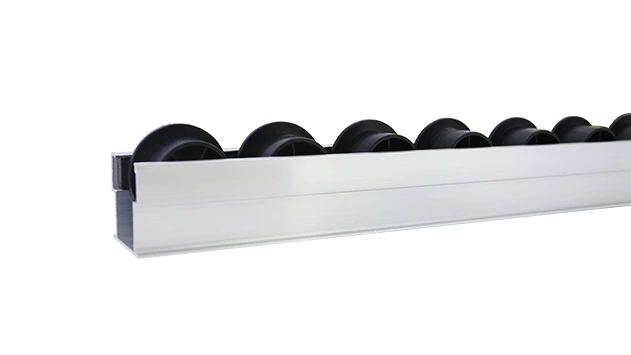
Aluminum Roller Track Black ESD With Side Guide
Heavy duty roller tracks with flanged plastic rollers for use in processing, logistics and materials handling operations. Ideal for transporting goods quickly and easily as well as for installing on shelving to aid in picking operations.
The Hidden Challenges of Automotive Parts Assembly
Walk into any modern automotive parts assembly line, and you'll see a symphony of moving parts—literally. From tiny pressure sensors that monitor tire pressure to complex engine control units (ECUs) that keep cars running efficiently, every component has to travel from one station to the next without a hitch. But two big issues often disrupt this flow: static electricity and misaligned part transfer. Static can fry sensitive electronics before they even leave the line, and misaligned parts lead to jams, downtime, and wasted labor. For manufacturers looking to cut costs and boost quality, these problems aren't just annoyances—they're critical bottlenecks.
That's why more automotive plants are turning to specialized solutions like the Custom Aluminum Roller Track Black ESD with Side Guide. This isn't your average conveyor track; it's a product built to address the unique needs of automotive parts manufacturing, combining static protection with the flexibility of lean manufacturing principles. Let's dive deep into how this track works, why it matters, and how it can transform your assembly line.
Why ESD Protection Is Non-Negotiable for Automotive Parts
First, let's talk about static electricity. When two materials rub against each other—like a plastic part sliding on a metal track—they build up an electric charge. For most everyday items, this is harmless, but for automotive electronics, it's a disaster. A single static discharge can damage a sensor or ECU beyond repair, leading to costly reworks or even recalls. And with modern cars relying more on electronics than ever before (think ADAS systems, infotainment, and battery management), the risk of static damage is higher than it's ever been.
Industry standards like ANSI/ESD S20.20 set strict guidelines for static control in manufacturing environments, and failing to comply can result in lost business or regulatory penalties. The Custom Aluminum Roller Track Black ESD with Side Guide is designed to meet these standards head-on. Its black ESD coating dissipates static charges quickly, ensuring that every part that moves along the track stays safe from damage. This isn't just a "nice-to-have" feature—it's a necessity for any automotive plant that wants to maintain quality and compliance.
Key Features of the Custom Aluminum Roller Track Black ESD with Side Guide
1. ESD-Safe Black Coating
The track's surface is coated with a special black material that provides consistent electrostatic discharge protection. Unlike generic tracks that may lose their ESD properties over time, this coating is durable and long-lasting, even with heavy daily use. It works by creating a path for static charges to flow from the part to the ground, preventing buildup that could harm sensitive components. Whether you're moving a small sensor or a large plastic housing, you can trust that the track will keep it safe.
2. Precision Side Guides
Misaligned parts are one of the biggest causes of downtime in assembly lines. The Custom Aluminum Roller Track comes with adjustable side guides that keep parts perfectly aligned as they move along the track. These guides are customizable—you can adjust their height and width to fit the exact size of your parts, whether you're handling tiny bolts or larger engine components. No more parts falling off the track, no more jams, and no more wasted time fixing alignment issues.
3. Durable Aluminum Profile Construction
The track is made from high-quality aluminum profile, which offers the perfect balance of strength and lightness. Aluminum is resistant to corrosion, so it holds up well in industrial environments (even those with oil or grease). It's also easy to clean, which is essential for maintaining hygiene in automotive plants. And because aluminum is recyclable, this track aligns with the sustainability goals many manufacturers are now prioritizing.
4. Fully Customizable Design
Every automotive plant is different, so a one-size-fits-all track won't cut it. The Custom Aluminum Roller Track is designed to be tailored to your specific needs. You can choose the length of the track, the spacing between rollers, the load capacity, and even the type of rollers (like steel or plastic) depending on your parts. For example, if you're moving heavy engine parts, you can opt for a track with a higher load capacity. If you're handling small, delicate parts, you can get tighter roller spacing to prevent them from slipping through the gaps.
5. Compatibility with Lean Manufacturing Systems
Lean manufacturing is all about eliminating waste and improving flow, and this track fits right into that philosophy. It works seamlessly with other lean tools like the ESD workbench (where parts are assembled after being transferred via the track), the flow rack (for storing parts before they enter the line), and the turnover trolley (for moving batches of parts between stations). This compatibility means you can integrate the track into your existing lean system without having to overhaul your entire line.
How This Track Fits Into Lean Manufacturing for Automotive
Lean manufacturing is a set of principles that focus on creating value for customers while minimizing waste. The Custom Aluminum Roller Track Black ESD with Side Guide supports these principles in several key ways:
- Eliminating Waste: By reducing static damage and alignment issues, the track cuts down on wasted parts and downtime. This means you get more out of every component and every hour of labor.
- Improving Flow: The track ensures parts move smoothly from one station to the next, which keeps the line running at optimal speed. No more bottlenecks caused by jammed parts or damaged components.
- Flexibility: The track's customizable design allows you to adapt it to changing production needs. If you switch to a new part type, you can adjust the side guides or roller spacing instead of buying a new track. This flexibility is a core part of lean manufacturing's "continuous improvement" ethos.
- Sustainability: Aluminum is a recyclable material, and the track's durable design means it can be reused for years. This aligns with the lean principle of reducing environmental waste and creating sustainable processes.
For example, let's say your plant starts producing a new type of sensor. With a generic track, you might have to buy a whole new system to handle the smaller size. But with the Custom Aluminum Roller Track, you can simply adjust the side guides and roller spacing to fit the new part. This not only saves you money but also reduces the time it takes to switch production lines.
Case Study: Transforming an Automotive Parts Assembly Line
To see the impact of this track firsthand, let's look at a hypothetical case study of an automotive parts manufacturer (we'll call it GreenAuto Parts) that implemented the Custom Aluminum Roller Track Black ESD with Side Guide.
The Problem
GreenAuto Parts was producing sensors for electric vehicles. They were facing three major issues:
- Static damage: 12% of their sensors were being damaged by static before they left the assembly line.
- Alignment issues: Parts were frequently falling off the track, leading to 10 hours of downtime per week.
- Low throughput: The line was producing only 800 sensors per day, which was below their target of 1,000.
The Solution
GreenAuto decided to replace their old generic tracks with the Custom Aluminum Roller Track Black ESD with Side Guide. They also added complementary lean tools like the ESD workbench (for assembling sensors) and the flow rack (for storing parts before they entered the track).
The Results
| Metric | Before Implementation | After Implementation | Improvement |
|---|---|---|---|
| Static Damage Rate | 12% | 1.5% | 87.5% reduction |
| Weekly Downtime (Track-Related) | 10 hours | 1 hour | 90% reduction |
| Daily Throughput | 800 sensors | 1,100 sensors | 37.5% increase |
| Cost per Sensor (Rework & Waste) | $2.50 | $0.30 | 88% reduction |
| Line Efficiency | 75% | 92% | 17% increase |
These results speak for themselves. By implementing the Custom Aluminum Roller Track Black ESD with Side Guide, GreenAuto Parts was able to reduce static damage, cut downtime, increase throughput, and lower costs. The investment in the track paid for itself in just three months, and the plant continues to see benefits over a year later.
Complementary Products to Enhance Your System
The Custom Aluminum Roller Track Black ESD with Side Guide is a powerful tool on its own, but it works even better when paired with other lean manufacturing products. Here are a few complementary tools that can help you get the most out of your track:
An ESD workbench is a station where parts are assembled or inspected. It's designed to prevent static damage, just like the track. By connecting the track to an ESD workbench, you can ensure that parts stay safe from static from the moment they enter the line until they're finished.
2. Flow Rack
A flow rack is a storage system that uses gravity to move parts to the front of the rack. By placing a flow rack at the start of your track, you can ensure that parts are always available for the assembly line. This reduces the time workers spend retrieving parts and keeps the line running smoothly.
A lean pipe workbench is a flexible workstation made from lean pipes and joints. It's designed to be adjustable, so you can modify it to fit your needs. By pairing it with the Custom Aluminum Roller Track, you can create a fully customizable assembly line that adapts to your changing production needs.
Aluminum profile accessories like connectors and brackets allow you to extend or modify your track. For example, if you need to add a curve to your track, you can use a connector to join two straight sections. These accessories make it easy to customize your track without buying new parts.
All of these products are designed to work together, creating a cohesive lean system that maximizes efficiency and minimizes waste. By choosing a supplier that offers all these tools, you can ensure that your system is compatible and easy to maintain.
Benefits of the Custom Aluminum Roller Track for Automotive Manufacturers
Let's summarize the key benefits of this track for automotive parts manufacturers:
- Static Protection: The black ESD coating prevents damage to sensitive electronics, reducing reworks and recalls.
- Alignment Control: Adjustable side guides keep parts aligned, reducing downtime and jams.
- Customizability: Tailor the track to your specific part sizes and load capacities.
- Durability: Aluminum profile construction ensures the track lasts for years, even with heavy use.
- Flexibility: Adapt the track to changing production needs without buying new equipment.
- Compatibility: Works with other lean tools like ESD workbenches, flow racks, and lean pipe workbenches.
- Sustainability: Recyclable aluminum and reusable design reduce environmental waste.
- Cost Savings: Reduce reworks, downtime, and equipment costs over time.
These benefits aren't just theoretical—they're proven to work in real-world automotive plants. Whether you're producing sensors, ECUs, or engine parts, this track can help you improve your line's efficiency and quality.
Conclusion: The Future of Automotive Parts Manufacturing
The automotive industry is evolving rapidly, with more focus on electronics, sustainability, and continuous improvement. The Custom Aluminum Roller Track Black ESD with Side Guide is a product that's built for this future. It combines static protection with the flexibility of lean manufacturing, making it an essential tool for any automotive parts plant.
If you're tired of dealing with static damage, alignment issues, or downtime, it's time to consider a specialized solution like this track. By investing in tools that are designed for your specific needs, you can transform your assembly line, reduce costs, and improve quality. The future of automotive parts manufacturing is lean, sustainable, and static-free—and this track is your first step toward that future.