- Company Articles
- Products and Technology
- Solution
- Custom Aluminum Side Guards: Tailored Solutions for Medical Device Manufacturing

Custom Aluminum Side Guards: Tailored Solutions for Medical Device Manufacturing
Related Product
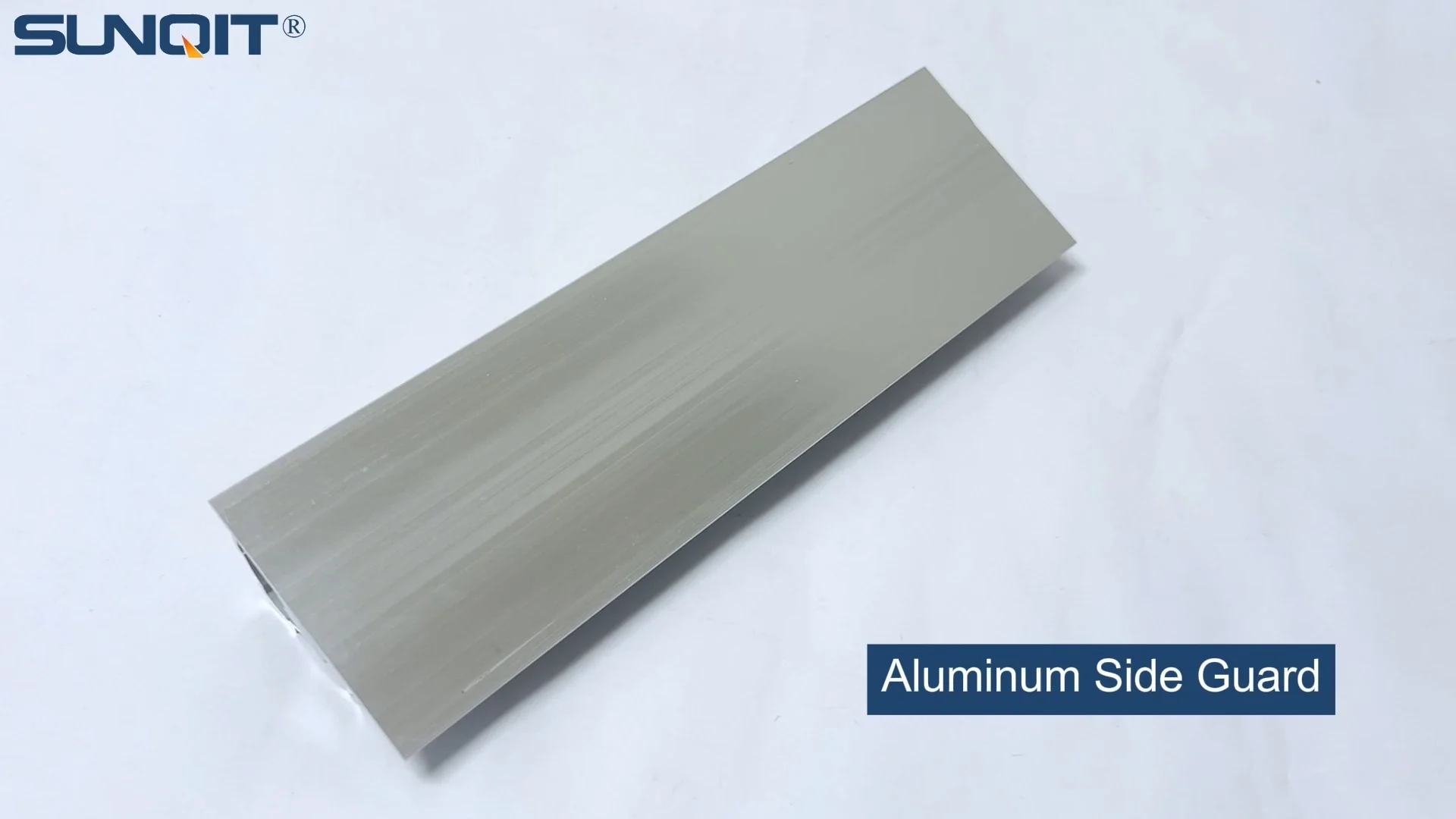
Aluminum Side Guard
Aluminum side guard, it works with a aluminum pipe or a roller track as side guard to prevent material drop,or move to wrong direction.
In the high-stakes world of medical device manufacturing, precision isn't just a goal—it's a necessity. Every component, from the smallest screw in a surgical tool to the frame of a diagnostic machine, must meet rigorous standards to ensure patient safety and regulatory compliance. Yet, behind the scenes of this tightly controlled environment, there's a often-overlooked hero: the equipment that keeps production lines running smoothly, safely, and efficiently. Enter custom aluminum side guards—unassuming but critical tools that bridge the gap between standardization and the unique demands of medical manufacturing. Unlike off-the-shelf solutions, these guards are designed to fit specific workflows, protect sensitive components, and integrate seamlessly with existing systems. In this article, we'll explore how custom aluminum side guards are transforming medical device production, why aluminum extrusion profile is the material of choice, and how they align with lean system principles to drive efficiency.
The Unique Challenges of Medical Device Manufacturing
Medical device manufacturing is a realm where the margin for error is nonexistent. Regulatory bodies like the FDA and ISO set strict guidelines for everything from material purity to production (environmental hygiene). For example, a single scratch on a component used in an implantable device could compromise its biocompatibility, leading to costly recalls or, worse, patient harm. Additionally, production lines often handle a mix of delicate parts—think tiny sensors for heart monitors or fragile glass components for syringes—alongside heavier machinery, creating a need for physical barriers that protect both the products and the workers operating the equipment.
Standard side guards, while functional in general manufacturing, often fall short here. They may be too rigid to adapt to unique workstation layouts, made of materials that don't meet medical-grade cleanliness standards, or lack the precision to fit around custom workbenches and conveyor systems. For instance, a generic steel guard might rust if exposed to the frequent cleaning agents used in medical facilities, introducing contaminants into the production environment. Or, a one-size-fits-all design might leave gaps between the guard and a specialized assembly station, allowing small parts to slip through or creating awkward blind spots for operators. These challenges aren't just inconveniences—they can disrupt workflows, increase the risk of non-compliance, and even slow down production as teams jury-rig solutions to (compensate for) ill-fitting equipment.
Why Aluminum Extrusion Profile Stands Out
When it comes to crafting custom side guards for medical manufacturing, the choice of material is paramount. Aluminum extrusion profile has emerged as the clear leader, and for good reason. Unlike steel, which is heavy and prone to corrosion, or plastic, which may not withstand repeated sterilization, aluminum offers a unique blend of properties that align with medical manufacturing needs. Let's break down its advantages:
Lightweight yet durable: Aluminum extrusion profile is significantly lighter than steel, making it easier to install, reposition, and modify as production needs change. This is especially valuable in medical facilities where workflows are often adjusted to accommodate new device designs or regulatory updates. Despite its light weight, aluminum boasts impressive strength—enough to withstand the daily wear and tear of a busy production line, including accidental bumps from carts or tools.
Corrosion resistance: Medical manufacturing facilities are cleaned rigorously, often with harsh disinfectants and high-pressure hoses. Aluminum's natural oxide layer acts as a barrier against corrosion, ensuring that side guards remain structurally sound and free from rust or degradation over time. This resistance also means aluminum guards don't require painting or coating, eliminating the risk of flaking paint particles contaminating the production environment.
Precision and customization: Aluminum extrusion profile is created by forcing heated aluminum through a die, resulting in consistent, complex shapes with tight tolerances. This process allows manufacturers to design side guards with intricate details—such as channels for cable management, slots for attaching accessories like tool holders, or beveled edges to prevent snagging delicate parts. Whether a guard needs to curve around a conveyor belt or fit into a narrow gap between two workbenches, aluminum extrusion can be tailored to the exact specifications of the application.
Cleanability: Smooth, non-porous surfaces are a must in medical manufacturing to prevent the buildup of bacteria or debris. Aluminum extrusion profile can be finished with a smooth anodized coating that's easy to wipe down, ensuring compliance with strict (hygiene) standards. Unlike wood or composite materials, which can harbor germs in cracks and crevices, aluminum guards provide a seamless surface that stands up to daily sanitization protocols.

Customization: Beyond "One Size Fits All"
The true power of custom aluminum side guards lies in their ability to be tailored to the unique needs of each medical device production line. Let's consider a real-world example: a manufacturer producing portable ultrasound machines. These devices have irregularly shaped casings with protruding buttons and screens, requiring assembly stations with custom workbenches designed to cradle the devices securely. Standard side guards would either block access to the workbench or leave large gaps, defeating their purpose. A custom aluminum guard, however, can be designed with cutouts that match the contours of the ultrasound casing, allowing operators to work comfortably while still preventing parts from rolling off the bench or dust from settling on exposed components.
Customization also extends to functionality. For instance, some medical production lines require side guards that double as tool holders or part organizers. By integrating slots or hooks into the aluminum extrusion profile during the design phase, the guard becomes more than just a barrier—it becomes a storage solution, reducing clutter on workbenches and keeping essential tools within arm's reach. In another scenario, a manufacturer of surgical robots might need side guards with transparent panels to allow visual inspection of the production line without compromising safety. Aluminum frames can be paired with medical-grade acrylic or polycarbonate, creating a guard that's both protective and transparent.
Perhaps most importantly, custom aluminum side guards can adapt to the evolving needs of a production line. As medical device designs change, or as new regulations require adjustments to workflow, these guards can be modified or reconfigured using aluminum profile accessories like brackets, connectors, and hinges. This flexibility eliminates the need to replace entire guard systems, saving time and money in the long run.

Integration with Lean System Principles
In medical device manufacturing, efficiency is about more than just speed—it's about minimizing waste, reducing errors, and maximizing value for patients. This is where lean system principles come into play, and custom aluminum side guards are surprisingly effective at supporting these goals. Lean systems focus on eliminating seven types of waste: overproduction, waiting, transportation, defects, inventory, motion, and overprocessing. Custom side guards address several of these directly.
Take "motion waste," for example. When operators have to reach around or over poorly positioned guards to access tools or parts, they waste time and increase the risk of strain or injury. Custom guards are designed to fit the exact dimensions of workbenches and conveyor systems, ensuring that operators can work within an ergonomic "golden zone" (the area between shoulder and knee height) without unnecessary movement. This not only speeds up production but also reduces fatigue, leading to fewer errors and higher quality output.
"Defects" are another area where custom guards shine. By creating a physical barrier that prevents parts from falling off work surfaces or being damaged by adjacent machinery, guards reduce the number of defective components that require rework or scrapping. In a lean system, every defect represents wasted materials, labor, and time—all of which drive up costs and delay product delivery. Custom aluminum side guards act as a first line of defense, catching potential issues before they escalate.
Additionally, the modular nature of aluminum extrusion profile aligns with the lean principle of "flexibility." As production lines are reconfigured to accommodate new products or process improvements, guards can be disassembled, modified, and reassembled with minimal downtime. This adaptability ensures that the production system remains agile, a critical advantage in an industry where innovation and regulatory changes are constant.
Comparing Standard vs. Custom Aluminum Side Guards
| Feature | Standard Side Guards | Custom Aluminum Side Guards |
|---|---|---|
| Material | Often steel or generic plastic; may not meet medical-grade standards for corrosion resistance or cleanliness. | Aluminum extrusion profile with medical-grade anodized finish; lightweight, corrosion-resistant, and easy to sanitize. |
| Fit | One-size-fits-all design; may leave gaps or extend beyond needed dimensions, causing workflow disruptions. | Tailored to specific workbench, conveyor, or machinery dimensions; no gaps, ensuring optimal protection and accessibility. |
| Integration with Lean Systems | Limited adaptability; may require modifications to fit lean workflows, introducing waste. | Designed to align with lean principles, reducing motion waste and supporting modular production line reconfiguration. |
| Regulatory Compliance | May not meet FDA/ISO requirements for material purity or surface finish; risk of contamination from rust or flaking coatings. | Engineered to comply with medical regulations; smooth, non-porous surfaces prevent bacterial buildup and meet hygiene standards. |
| Long-Term Cost-Effectiveness | Lower upfront cost but higher long-term expenses due to replacement, repairs, or productivity losses from poor fit. | Higher initial investment but lower total cost of ownership; durable, adaptable, and reduces waste/defects. |
The Role of Aluminum Profile Accessories in Customization
A custom aluminum side guard is only as effective as the components that bring it to life. Aluminum profile accessories—such as brackets, connectors, hinges, and mounting hardware—are the unsung heroes that transform a simple extrusion into a fully functional, tailored solution. These accessories allow designers to add specialized features that address the unique needs of medical device manufacturing.
For example, adjustable brackets enable guards to be raised or lowered to match the height of different workbenches, ensuring consistency across production lines. Hinged connectors allow sections of the guard to swing open, providing easy access for maintenance or cleaning without removing the entire structure. Cable management clips, integrated into the guard's design via T-slot aluminum extrusion profile, keep power cords and data cables organized, preventing tripping hazards and ensuring a clutter-free workspace.
In some cases, accessories can even enhance the guard's functionality beyond basic protection. Tool holders, mounted directly to the guard via aluminum profile brackets, keep frequently used instruments within arm's reach, reducing motion waste. LED light strips, attached to the top edge of the guard, illuminate work surfaces, improving visibility and reducing eye strain during detailed assembly tasks. These small additions, made possible by the versatility of aluminum extrusion accessories, turn side guards into multifunctional tools that support the entire production ecosystem.
Case Study: How Custom Guards Improved Efficiency at a Surgical Instrument Plant
To understand the real-world impact of custom aluminum side guards, let's look at a case study from a mid-sized manufacturer of laparoscopic surgical instruments. Prior to implementing custom guards, the company struggled with two recurring issues: frequent part loss and operator fatigue. Their production line consisted of a series of workbenches where operators assembled small, sharp components like forceps and scissors. The standard steel guards around the workbenches were too tall, forcing operators to hunch over to see their work, and too narrow, leaving gaps where tiny screws and springs often fell through, requiring time-consuming searches or replacements.
The company partnered with a supplier to design custom aluminum side guards using aluminum extrusion profile. The new guards featured three key modifications: a lower height (adjusted to the average shoulder height of operators) to reduce hunching, a curved edge along the workbench to prevent parts from rolling off, and integrated tool holders to keep tweezers and screwdrivers within easy reach. The aluminum material was anodized to resist the hospital-grade disinfectants used daily, and the guards were powder-coated in a light blue color to reduce eye strain in the bright production facility.
The results were striking. Within three months of installation, part loss decreased by 75%, and operators reported a 40% reduction in neck and shoulder fatigue. Production throughput increased by 15% as less time was spent searching for lost parts or adjusting to awkward guard positions. Perhaps most importantly, the company passed its next FDA inspection with zero observations related to production line safety or cleanliness—an outcome that would have been much harder to achieve with the previous guard system.
Designing Your Custom Aluminum Side Guard: Key Considerations
If you're considering custom aluminum side guards for your medical device production line, there are several factors to keep in mind to ensure the final product meets your needs. First, start by mapping your workflow in detail. Walk the production line and note the dimensions of workbenches, conveyor systems, and machinery. Identify areas where parts are most likely to fall, where operators struggle with access, or where existing guards create bottlenecks. This "pain point assessment" will serve as the foundation for the guard design.
Next, collaborate with a supplier who specializes in medical-grade aluminum extrusion. Look for partners with experience in regulatory compliance—they should understand FDA and ISO requirements for materials and manufacturing processes. Share your workflow maps, production goals, and any unique challenges (e.g., space constraints, specialized cleaning protocols) to ensure the design aligns with your needs.
Don't forget to involve operators in the design process. They're the ones who interact with the guards daily, and their input can reveal critical details—like the ideal height for a guard or the best location for a tool holder—that might otherwise be overlooked. In the surgical instrument case study, operator feedback was instrumental in determining the guard height and curvature, ensuring the final design was both functional and ergonomic.
Finally, plan for the future. Medical device manufacturing is a dynamic industry, and your production line may evolve as new products are developed or regulations change. Choose a modular design that allows for easy modifications, and work with a supplier who can provide ongoing support for adjustments or repairs. The goal is to create a guard system that grows with your business, not one that becomes obsolete in a year or two.
Conclusion: Investing in the Unseen Backbone of Medical Manufacturing
Custom aluminum side guards may not be the most glamorous part of medical device manufacturing, but they are undeniably essential. By combining the strength and versatility of aluminum extrusion profile with tailored design, these guards address the unique challenges of the industry—from regulatory compliance to lean system efficiency—while protecting the most valuable assets: the products that save lives and the workers who build them. In a world where standardization often clashes with the need for customization, custom aluminum side guards offer a solution that doesn't compromise on safety, quality, or efficiency.
As medical device manufacturers continue to innovate, the tools that support production must evolve too. Custom aluminum side guards are more than just barriers—they're partners in precision, helping to ensure that every device that leaves the factory meets the highest standards of safety and reliability. So, the next time you see a medical device, take a moment to appreciate the unseen infrastructure that made it possible. Chances are, there's a custom aluminum side guard working quietly behind the scenes, making it all happen.