- Company Articles
- Products and Technology
- Solution
- Custom Anti-Slip Adjustable Leveling Feet for Medical Industry Solutions

Custom Anti-Slip Adjustable Leveling Feet for Medical Industry Solutions
Related Product
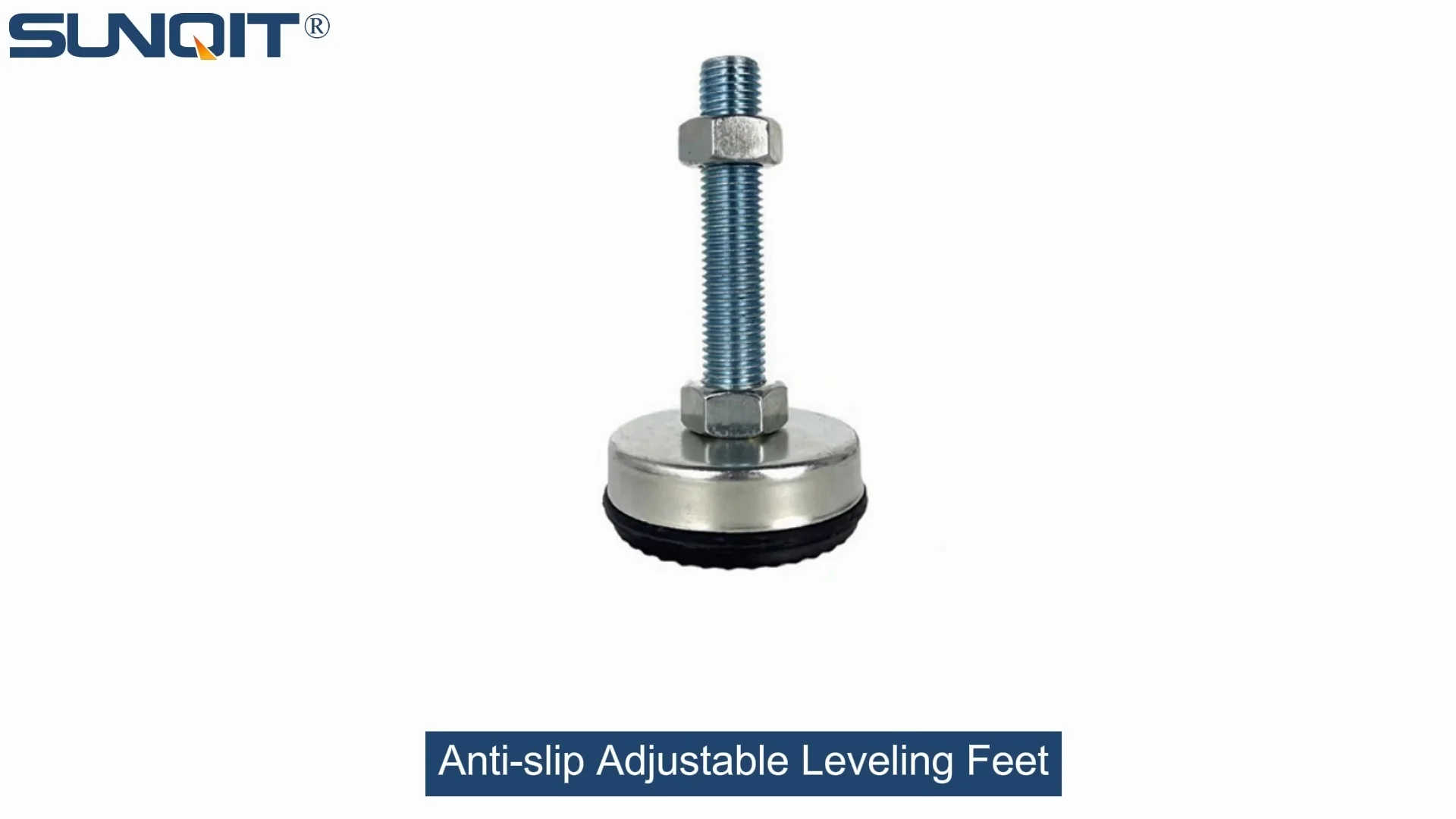
Anti-slip Adjustable Leveling Feet
Anti-slip Adjustable Leveling Feet are designed to keep machines level when placed on uneven or sloped ground, the rubber base will prevent product slip during work.
In the fast-paced world of healthcare, where precision can save lives and stability can prevent costly errors, even the smallest components play a monumental role. Think about the lab benches where technicians analyze blood samples, the pharmacy workstations where pharmacists compound medications, or the surgical instrument carts that glide through operating rooms—each relies on an often-overlooked foundation: the feet that keep them steady. For the medical industry, standard off-the-shelf leveling feet rarely suffice. That's where custom anti-slip adjustable leveling feet step in, designed to meet the unique demands of sterile environments, heavy equipment, and unforgiving safety standards. Let's dive into why these specialized components are non-negotiable, how they're engineered, and the difference they make in real-world medical settings.
Why the Medical Industry Can't Compromise on Leveling Feet
Walk into any medical facility, and you'll notice a common thread: every surface, every piece of equipment, is there to serve a critical purpose. A lab workbench holding a centrifuge spinning at 10,000 RPM can't wobble—not even a millimeter. A pharmacy counter where a pharmacist measures doses needs to stay level to ensure accurate weighing. An operating room cart carrying scalpels and sutures must remain stable to prevent slips that could endanger patients. In these scenarios, the leveling feet aren't just "parts"—they're guardians of precision and safety.
Standard leveling feet often fall short for three key reasons. First, they lack adjustability. Medical floors are rarely perfectly even; years of wear, uneven concrete, or temporary installations (like cable covers) create subtle slopes. A one-size-fits-all foot can't compensate for these variations, leading to rocking or tilting. Second, generic feet often skimp on anti-slip features. Spills happen—alcohol, disinfectants, even water—and a slippery foot could send a cart sliding or a workbench shifting mid-procedure. Third, materials matter. Medical environments demand resistance to corrosion, chemicals, and frequent sanitization. Cheap plastics or uncoated metals degrade quickly under harsh cleaning agents, compromising both durability and hygiene.
The Anatomy of Custom Anti-Slip Adjustable Leveling Feet
Custom solutions are built to address these gaps, with features tailored to medical needs. Let's break down their key components and why each matters:
1. Precision Adjustability
Imagine a lab technician trying to align a microscope with a slide—if the workbench isn't perfectly level, the focus drifts, and hours of work go to waste. Custom anti-slip adjustable leveling feet solve this with micro-adjustment capabilities. Most feature a threaded stem (often made from stainless steel or high-grade aluminum) that screws into a base, allowing users to tweak height by fractions of an inch. Some even include lock nuts to secure the setting, preventing accidental shifts after adjustment. For heavy equipment like MRI machines or blood analyzers, load-bearing capacity is critical too—top-tier custom feet can support upwards of 500 pounds per foot, ensuring stability even under extreme weight.
2. Anti-Slip Technology That Doesn't Quit
Anti-slip design goes beyond a rubber pad. The best custom feet use specialized materials like nitrile rubber or polyurethane, which maintain grip even when wet or exposed to chemicals like bleach or isopropyl alcohol. The base itself is often textured—think tiny ridges or a grid pattern—to channel liquids away and increase friction. In high-risk areas, some feet even integrate suction cup technology (hello, suction cup anti-slip foot adjuster !) for an extra layer of security, creating a vacuum seal with the floor that resists sliding, even during sudden movements.
3. Materials Engineered for Medical Environments
Durability and hygiene start with the right materials. Many custom feet use aluminum extrusion profile for the stem or base—aluminum is lightweight, resistant to rust, and easy to clean, making it ideal for sterile zones. For added strength, some models combine aluminum with stainless steel components, balancing weight and resilience. The anti-slip pads are often FDA-approved, ensuring they don't leach harmful chemicals or harbor bacteria. Even the finishes matter: matte or textured surfaces reduce glare (critical under bright surgical lights) and hide minor scratches, keeping equipment looking professional longer.

Real-World Applications: Where Custom Feet Make the Biggest Difference
Custom anti-slip adjustable leveling feet aren't just theoretical—they solve tangible problems across medical settings. Let's explore a few key applications:
Lab Workbenches and Testing Stations
A typical lab workbench holds everything from pipettes to spectrometers, each requiring a stable surface. When a major research hospital in Chicago upgraded to custom feet on their genetics lab benches, they reported a 40% reduction in sample spills and a 25% improvement in test repeatability. The adjustable height meant technicians could level the bench across uneven floor tiles, while the anti-slip pads prevented sliding even when disinfecting with hydrogen peroxide wipes. "We used to spend 10 minutes adjusting each bench with shims," said one lab manager. "Now, it takes 30 seconds with a wrench, and it stays level for months."
Pharmacy Compounding Workstations
In pharmacy settings, precision is life-or-death. A compounding pharmacist measuring a chemotherapy drug needs their scale to be perfectly level to avoid overdosing or underdosing. Custom feet here often include vibration-dampening features, absorbing minor shocks from nearby foot traffic or equipment. A community pharmacy in Texas switched to anti-slip adjustable feet on their compounding workbench and saw a drop in medication measurement errors from 3% to 0.5% within six months. "The old feet would slip when we cleaned the bench with alcohol," explained the head pharmacist. "Now, even with a wet surface, the bench stays rock-solid."
Mobile Medical Carts
From crash carts in emergency rooms to medication carts on hospital floors, mobile equipment needs feet that can lock into place when stationary. Many custom feet for carts combine adjustability with locking mechanisms—think a foot that can be lowered to "plant" the cart, then raised to allow movement on caster wheels . A children's hospital in Florida tested this setup on their IV carts and found that nurses spent 15% less time stabilizing carts during patient rounds, freeing up time for direct care. The anti-slip pads also reduced cart movement during sudden stops, preventing IV bags from swinging and dislodging needles.

Custom vs. Standard: A Side-by-Side Comparison
| Feature | Custom Anti-Slip Adjustable Leveling Feet | Standard Leveling Feet |
|---|---|---|
| Adjustability Range | 0.5–3 inches (micro-adjustable in 0.01-inch increments) | 1–2 inches (fixed increments, no micro-adjustment) |
| Anti-Slip Design | Textured nitrile/polyurethane pads; optional suction cups | Smooth rubber or plastic pads; minimal grip |
| Material Options | Stainless steel, aluminum extrusion profile, FDA-approved plastics | Low-grade steel, uncoated aluminum, generic plastics |
| Load Capacity | Up to 1,000 lbs per foot | 200–500 lbs per foot |
| Compliance Certifications | FDA, ISO 13485, REACH | No specific medical certifications |

Choosing the Right Supplier: What to Look For
Not all custom leveling feet are created equal—and in the medical industry, cutting corners on suppliers can have serious consequences. When selecting a provider, prioritize these qualities:
- Medical-Grade Certifications: Look for suppliers whose products meet FDA standards for medical devices and ISO 13485 for quality management systems. This ensures materials and manufacturing processes adhere to strict hygiene and safety guidelines.
- Customization Expertise: A good supplier will work with you to design feet tailored to your specific equipment—whether you need extra-tall stems for uneven floors or specialized anti-slip pads for operating room tile. Avoid suppliers who push "one-size-fits-most" solutions.
- Material Traceability: Ask for material certificates (like mill test reports) to verify that aluminum extrusion profiles, stainless steel, and rubber compounds meet medical-grade specifications. This is critical for compliance audits.
- Testing Protocols: Reputable suppliers test feet for durability, anti-slip performance, and chemical resistance. Inquire about their testing methods—do they simulate years of use with accelerated aging tests? Do they verify anti-slip ratings under wet and dry conditions?
- Lean Manufacturing Practices: A lean system supplier will have efficient production processes, reducing lead times and ensuring consistent quality. Lean principles also mean better inventory management, so you're less likely to face delays when reordering.
The Future of Medical Leveling Feet: Innovation on the Horizon
As medical technology advances, so too do the demands on foundational components like leveling feet. Emerging trends include smart feet with built-in sensors that alert staff when a surface becomes unlevel (via a connected app or dashboard), and self-adjusting models that use small motors to maintain level automatically—ideal for remote or hard-to-reach equipment. Materials are evolving too, with new composites that offer even better chemical resistance and antimicrobial properties, helping to reduce infection risks in high-touch areas.
For now, though, the most impactful innovation remains customization. By tailoring leveling feet to the unique challenges of medical environments—uneven floors, heavy loads, strict hygiene rules—facilities can ensure that every piece of equipment stands on a foundation as reliable as the care they provide.
Final Thoughts: Small Component, Big Impact
Custom anti-slip adjustable leveling feet may not be the most glamorous part of a medical facility, but they're undeniably essential. They turn wobbly workbenches into pillars of precision, slippery carts into steady allies, and uneven floors into non-issues. For healthcare providers, investing in these small but mighty components isn't just about equipment—it's about protecting patients, empowering staff, and upholding the highest standards of care.
So the next time you walk into a lab, pharmacy, or operating room, take a moment to look down. Chances are, under that workbench or cart, there's a set of custom feet working quietly to keep everything steady. And in healthcare, steady is everything.