- Company Articles
- Products and Technology
- Product knowledge
- Custom Axle Designs for 40 Steel Roller Track White Wheel Compatibility

Custom Axle Designs for 40 Steel Roller Track White Wheel Compatibility
Related Product
40 Steel Roller Track White Wheel
The roller track can be installed with multiple accessories to create different slopes and configurations of flow racks.All steel conveyor 40 roller track accessories are engineered to perfectly fit the sliding rail.
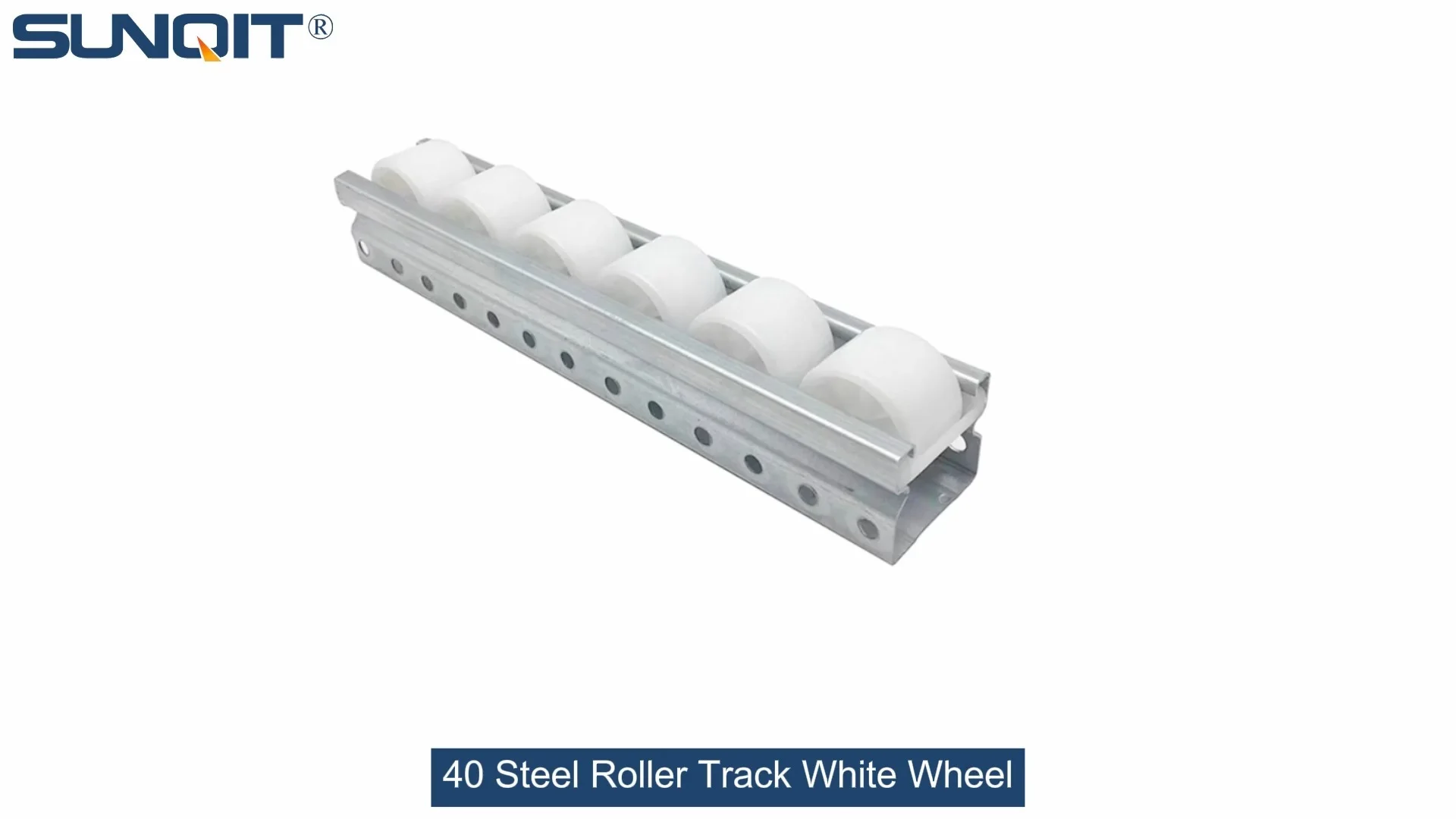
Custom Axle Designs for 40 Steel Roller Track White Wheel Compatibility
If you've ever spent timein a busy manufacturing plant or warehouse, you've probably seen how roller tracks keep products moving from point A to point B. The 40 steel roller track white wheel is a common sight here—tough, reliable, and able to handle a wide range of materials. But what you might not notice is the axle that holds each wheel in place. It's a small part, but it makes a huge difference. When the axle doesn't fit the wheel just right, you get all sorts of problems: wheels that wobble, tracks that jam, and even products that fall off. That's why custom axle designs are so important—they're made to fit your exact needs, so your operations run smoothly without any hiccups.
In this guide, we'll dive deep into everything you need to know about custom axle designs for 40 steel roller track white wheel compatibility. We'll cover the key considerations for design, real-world applications, case studies, and how these axles integrate with core lean manufacturing systems like flow racks, conveyors, and lean pipe workstations. Whether you're in 3C assembly, medical device manufacturing, or warehouse logistics, this article will help you understand how custom axles can boost efficiency and align with your lean goals.
Understanding 40 Steel Roller Track White Wheels
Before we get into axles, let's take a closer look at the 40 steel roller track white wheel itself. These wheels are a staple in lean manufacturing because of their unique combination of durability, low friction, and versatility. Let's break down their key features:
Material & Coating:
Made from high-quality steel with a white powder coating, these wheels resist corrosion and wear. The white finish also makes it easy to spot dirt or debris, which is critical for industries like medical device manufacturing where hygiene is non-negotiable.
Common Uses:
You'll find these wheels in a variety of setups:
- Flow racks for FIFO inventory management
- Conveyors for moving products between assembly stations
- Lean pipe workstations for manual assembly tasks
- Material handling carts for transporting parts around the plant
Compatibility Challenges:
The biggest issue with standard axles is that they often don't match the wheel's bore size or load requirements. For example, a standard 7mm axle won't fit a 40 steel white wheel with an 8mm bore—leading to wobbling and instability. Similarly, a thin axle can't support heavy loads, causing it to bend or break over time. These issues not only slow down operations but also increase the risk of accidents.
Key Considerations for Custom Axle Design
Designing a custom axle for 40 steel roller track white wheels isn't just about making it the right size—it's about tailoring it to your specific needs. Here are the most important factors to consider:
1. Material Selection
The material of your axle will depend on your application:
- Aluminum: Lightweight, corrosion-resistant, and easy to machine. Ideal for lightweight applications (like 3C component handling) and setups using lean pipe systems or aluminum profiles. It also integrates well with aluminum profile accessories like brackets and clamps.
- Steel: Strong and durable, perfect for heavy loads (like automotive parts). Look for steel axles with a zinc coating to resist corrosion.
- Stainless Steel: The go-to choice for hygiene-critical industries (medical, food processing). It's easy to sanitize and resistant to chemicals.
2. Load Capacity
You need to calculate the maximum weight each wheel will carry. For example, if your flow rack holds boxes of15kg each, your axle should handle at least that weight—plus a20% safety margin to account for unexpected loads. A good rule of thumb: use steel axles for loads over100kg per wheel, and aluminum for lighter loads.
3. Bore Size Matching
The axle's diameter must exactly match the wheel's bore size. Most40 steel roller track white wheels have a bore size between8mm and10mm. If the axle is too small, the wheel wobbles; if it's too big, you can't insert it into the wheel. Custom axles solve this problem by being made to the exact bore size of your wheels.
4. Length & Fit
The axle's length should be just right: not too long (to avoid hitting other components) and not too short (to ensure proper support). For flow racks, axles are usually shorter to fit between the rack beams. For conveyors, longer axles are needed to span the conveyor's width.
5. Integration with Lean Systems
Your axle should work seamlessly with your existing lean manufacturing setup. For example:
- If you use a lean pipe system, the axle should fit into internal rotation aluminum joints.
- If your conveyor uses aluminum profiles, the axle should be compatible with aluminum profile accessories like brackets and clamps.
- For flow racks, the axle should be easy to install and remove for maintenance.
Custom Axle Solutions for Different Applications
Let's look at how custom axles are used in three common applications:
1. Flow Rack Integration
Flow racks are a cornerstone of lean inventory management, and 40 steel roller track white wheels are essential for their operation. Custom axles for flow racks are designed to:
- Fit exactly into the flow rack's beams (usually made of aluminum profiles).
- Have a smooth finish to minimize friction, ensuring products slide easily.
- Be secured with clips or brackets (aluminum profile accessories) to prevent sliding.
For example, a warehouse using flow racks for3C components might need custom aluminum axles with an8mm diameter. These axles fit into the flow rack's beams and support the 40 steel white wheels, allowing components to glide down to the pick area without jams.
2. Conveyor Systems
Conveyors rely on roller tracks to move products efficiently. Custom axles for conveyors are designed to:
- Handle continuous movement and varying loads.
- Resist wear and tear (since conveyors run 24/7).
- Be compatible with the conveyor's belt or chain system.
A car manufacturing plant might use steel axles for their conveyors. These axles are strong enough to carry heavy metal parts and have a zinc coating to resist corrosion from oil and grease.
3. Lean Pipe Workstations
Lean pipe workstations are flexible and adaptable, and roller tracks with40 steel white wheels are often added to facilitate material handling. Custom axles for these workstations are:
- Lightweight (aluminum) for easy adjustment.
- Compatible with lean pipe joints and brackets.
- Easy to remove for cleaning (critical for medical or food industries).
Case Study: Custom Axles Solving Real-World Problems
Let's take a look at two case studies to see how custom axles made a difference:
Case Study1:3C Assembly Plant Flow Rack Issues
Problem:
A 3C assembly plant was using flow racks to hold small electronic components. The standard7mm axles were too small for the 40 steel white wheels (8mm bore), causing the wheels to wobble. This led to components falling off the rack and slowing down the assembly line.
Solution:
A lean solution provider designed custom8mm aluminum axles with a smooth finish. They also added a small groove to the axle so it could be secured with a clip (an aluminum profile accessory) to prevent sliding.
Result:
The plant saw a30% reduction in downtime related to flow rack issues. Components no longer fell off, and the assembly line efficiency increased by20%.
Case Study2: Medical Device Conveyor Corrosion
Problem:
A medical device manufacturer was using steel axles for their conveyors. The axles were rusting, which violated hygiene standards and risked contaminating sterile components.
Solution:
The supplier designed custom stainless steel axles with a polished finish (easy to clean). These axles were resistant to corrosion and met FDA hygiene standards.
Result:
No more rust issues, and the manufacturer passed their next hygiene audit with flying colors. The conveyors also required less maintenance, saving time and money.
Custom Axle Technical Specifications
To help you choose the right custom axle, here's a table of common specifications for different applications:
| Application | Axle Material | Axle Diameter (mm) | Load Capacity (kg/Wheel) | Key Features |
|---|---|---|---|---|
| Flow Rack (Light Load) | Aluminum | 8 | 50 | Corrosion-resistant, fits aluminum profile accessories |
| Conveyor (Heavy Load) | Steel (Zinc-Coated) | 10 | 150 | High-strength, wear-resistant |
| Lean Pipe Workstation | Aluminum | 9 | 75 | Easy to install, compatible with lean pipe joints |
| Medical Device Manufacturing | Stainless Steel | 8 | 60 | Sanitary finish, corrosion-resistant |
| Warehouse Material Cart | Steel | 10 | 120 | Durable, fits heavy loads |
Benefits of Custom Axles in Lean Manufacturing
Custom axles offer a range of benefits that align with lean principles:
- Reduce Waste: Eliminating jams and slowdowns reduces time and material waste.
- Improve Flexibility: Custom axles can be adjusted to fit changing needs—perfect for lean's continuous improvement mindset.
- Save Money: Durable custom axles last longer than standard ones, reducing replacement costs.
- Enhance Safety: Stable wheels reduce the risk of accidents and injuries.
- Boost Efficiency: Smooth-moving wheels speed up operations, increasing productivity.
Choosing the Right Supplier for Custom Axles
When selecting a supplier for custom axles, look for these key traits:
- Lean Expertise: The supplier should understand lean manufacturing principles and how custom axles fit into your system.
- Customization Capabilities: They should offer a range of materials, sizes, and finishes to meet your needs.
- Quality Assurance: Look for suppliers with ISO certifications or quality control processes to ensure consistent product quality.
- Integration Support: They should help you integrate the axles with your existing systems (like flow racks, conveyors, or lean pipe workstations).
- Prototype Services: A good supplier will provide prototypes so you can test the axle before mass production.
Conclusion
Custom axle designs for 40 steel roller track white wheel compatibility are a small but powerful tool in lean manufacturing. They solve compatibility issues, boost efficiency, and align with the core principles of waste reduction and continuous improvement. Whether you're dealing with wobbling wheels in your flow rack, rusting axles in your conveyor, or unstable wheels in your lean pipe workstation, custom axles can help you overcome these challenges.
By investing in custom axles, you're not just fixing a problem—you're building a more efficient, flexible, and safe manufacturing environment. So next time you're looking to optimize your operations, don't forget the little things like axles—they can make a big difference.
As you explore custom axle solutions, remember to partner with a supplier who understands your industry's unique needs and can deliver tailored designs that fit your lean system. With the right axles, your 40 steel roller track white wheels will work like a dream, keeping your products moving and your operations running at peak performance.