- Company Articles
- Products and Technology
- Product knowledge
- Custom Color Options for Aluminum Side Guards: Branding & Aesthetic Integration

Custom Color Options for Aluminum Side Guards: Branding & Aesthetic Integration
Related Product
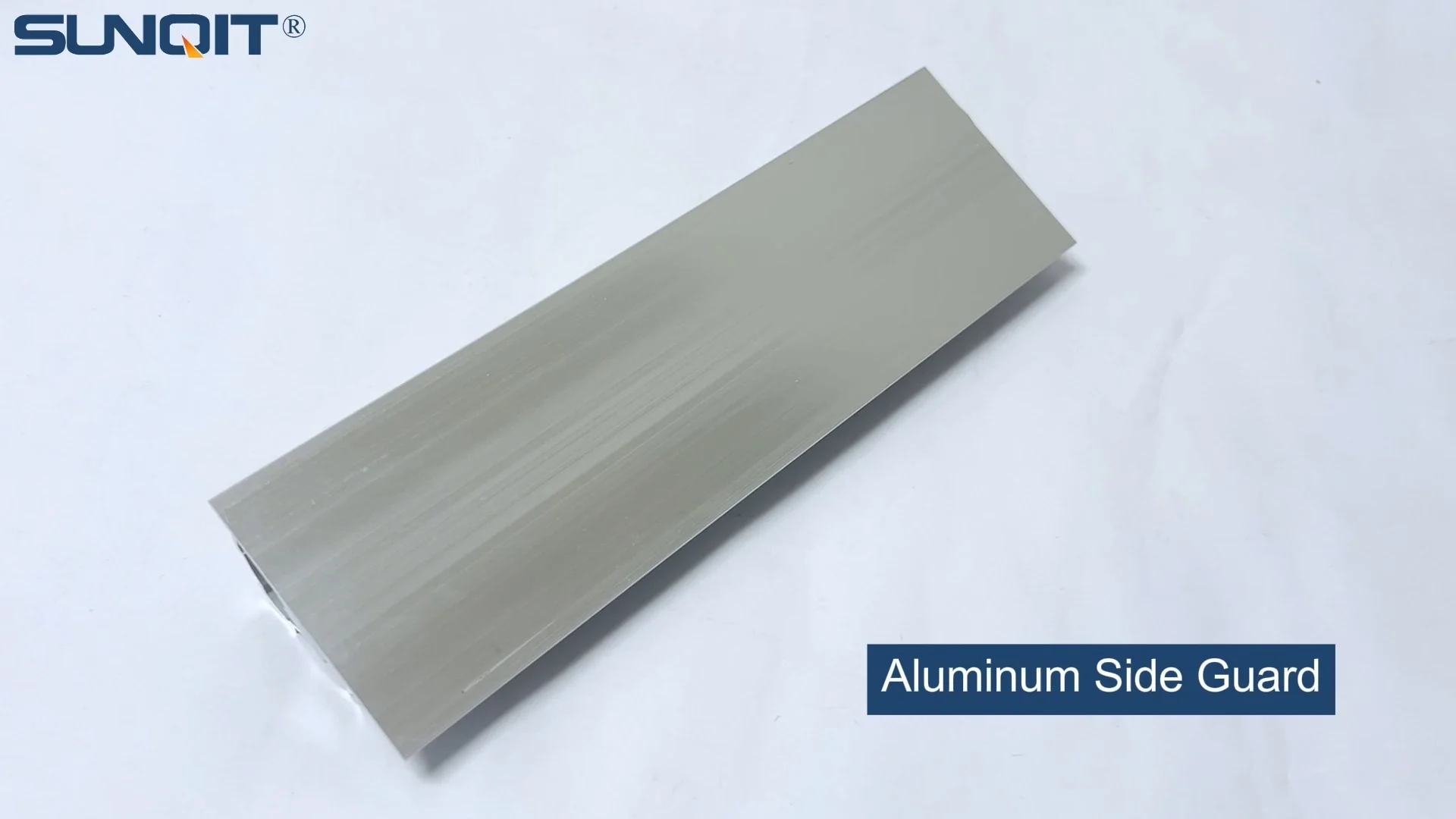
Aluminum Side Guard
Aluminum side guard, it works with a aluminum pipe or a roller track as side guard to prevent material drop,or move to wrong direction.
Walk into a modern manufacturing facility or warehouse today, and you'll notice something different from the sterile, all-gray industrial spaces of the past. The hum of machinery is still there, but so is a subtle attention to detail—vibrant accents on workbenches, coordinated hues on conveyor rails, and side guards that don't just protect equipment, but tell a story. In an era where brand identity seeps into every corner of a business, even the most functional tools are getting a makeover. Enter custom color aluminum side guards: the unsung heroes bridging functionality, safety, and brand personality. These unassuming components, often crafted from aluminum extrusion profiles, are quietly transforming workspaces from generic to memorable. Let's dive into why custom colors matter, how they integrate with lean systems and aluminum profile accessories, and why they're becoming a non-negotiable for forward-thinking brands.
The Rise of Aluminum Side Guards in Modern Workspaces
Aluminum side guards have come a long way from being mere afterthoughts. Originally designed to prevent materials from slipping off conveyors, shield workers from moving parts, or reinforce the edges of workbenches, they've evolved into critical elements of workspace design. What makes aluminum the material of choice? Unlike heavy stainless steel or brittle plastic, aluminum extrusion profiles offer a rare blend of strength and flexibility. They're lightweight enough to keep workbenches and material racks mobile, yet durable enough to withstand the daily grind of a production floor. Add to that aluminum's natural resistance to corrosion and its ability to be shaped into intricate profiles, and it's no wonder manufacturers and facility managers are leaning into it.
But functionality alone isn't driving their popularity. As companies adopt lean systems to streamline operations, every component is scrutinized for how it contributes to efficiency—and aluminum side guards deliver here, too. Their modular design, often paired with aluminum profile accessories like brackets and connectors, allows for quick reconfiguration. Need to adjust a conveyor's width? Swap out a side guard. Repurpose a workbench for a new project? The aluminum frame and side guards adapt without a complete overhaul. This flexibility aligns perfectly with the lean philosophy of minimizing waste and maximizing adaptability.
Today, aluminum side guards aren't just on conveyors or workbenches. They're on turnover trolleys, material racks, and even automated assembly lines. And as their presence grows, so does the desire to make them more than just functional—enter custom color options.
Why Custom Color Matters: Beyond Functionality
Imagine walking into two identical factories. One has plain silver aluminum side guards; the other has side guards in the company's signature navy blue, matching the logo on the wall and the uniforms of the staff. Which one feels more intentional? More like a brand that cares about its image? The answer is obvious. Custom color isn't just about making things "look nice"—it's about creating cohesion, reinforcing identity, and even boosting morale.
Branding Consistency: Your Colors, Everywhere
Your brand is more than a logo; it's a promise. And promises are kept through consistency. When a client tours your facility, they shouldn't just see your logo on a sign—they should see your brand colors in the details: the side guards on the workbench where their product is assembled, the conveyor rails moving components through production, the material racks storing inventory. Custom color aluminum side guards turn these functional elements into brand ambassadors. A food packaging company might use bright red (evoking freshness) on their aluminum extrusion profile side guards, while a tech firm could opt for sleek black (signaling innovation). Either way, it's a silent yet powerful reminder of who you are.
Safety with a Splash of Color
Safety is non-negotiable, but that doesn't mean it has to be boring. OSHA standards often require high-visibility colors in hazard zones—think yellow for edges of elevated platforms or red for emergency stop areas. Custom color side guards let you meet these requirements while staying on-brand. For example, a logistics company using orange as a brand color could use the same shade for side guards on loading dock conveyors, ensuring visibility without sacrificing consistency. It's a win-win: compliance and cohesion.
Employee Engagement: A Workspace That Feels Like "Theirs"
Happy employees are productive employees, and environment plays a huge role in happiness. A workspace filled with drab, generic equipment can feel impersonal, even draining. Custom colors inject personality, making the area feel curated and cared for. Imagine an assembly line where each station's side guards are a different shade of the company's color palette—subtle enough to avoid chaos, but distinct enough to give each team a sense of ownership. It's a small touch, but employees notice when their workplace feels intentional. As one plant manager put it: "When we switched our workbench side guards to our brand's teal, I swear the team started keeping their stations cleaner. It felt like they were proud to work there."

The Science of Color in Industrial Design
Choosing a custom color isn't just about picking something pretty—it's about psychology. Colors evoke emotions, influence behavior, and even impact perception. Let's break down how different hues play out in a workspace:
Blue: Trust and Calm
Blue is a staple for brands aiming to convey reliability and professionalism. It's no coincidence that tech giants and financial firms often use blue—studies show it reduces stress and promotes focus. In a manufacturing setting, blue aluminum side guards on workbenches or material racks can create a sense of calm in high-pressure environments, like electronics assembly lines where precision is key.
Green: Sustainability and Growth
As companies lean into eco-friendly practices, green has become a go-to for signaling sustainability. A logistics company using green side guards on their turnover trolleys might subtly reinforce their commitment to reducing carbon footprints. Green also has a refreshing effect, making it ideal for spaces where employees spend long hours, like packaging departments.
Yellow: Energy and Caution
Yellow is bold, energetic, and impossible to ignore—hence its use in safety signage. But it's not just for warnings. A soft yellow on side guards can add warmth to a workspace, making it feel more inviting. Think: a bakery using buttery yellow side guards on their conveyor belts, tying into their brand's cheerful, homey vibe while still meeting safety standards.
Black: Sophistication and ESD Compliance
Black exudes professionalism and sleekness, making it popular in high-tech or medical settings. It's also a practical choice for ESD workstations, where static control is critical—black ESD-safe coatings not only look sharp but signal adherence to strict standards. Pair black side guards with aluminum profile accessories in matching tones, and you've got a workspace that feels both cutting-edge and compliant.
| Color | Finish Type | Best For | Branding Alignment | Safety Feature |
|---|---|---|---|---|
| Corporate Blue | Powder Coat | Workbenches, Conveyors | Trust, Reliability | Low-visibility hazard zones |
| Safety Yellow | Powder Coat | Hazard Zones, Material Racks | Energy, Urgency | High-visibility warning |
| Matte Black | Anodized (ESD-safe) | ESD Workstations, Clean Rooms | Sophistication, Precision | Static control compliance |
| Forest Green | Powder Coat | Sustainable Brands, Packaging Lines | Eco-friendliness | Non-hazard, general use |
| Cream White | Powder Coat | Medical Facilities, Labs | Purity, Cleanliness | Visual clarity in sterile areas |

Custom Color Processes for Aluminum Extrusion Profiles
So, how do aluminum side guards get their custom colors? Two methods dominate: powder coating and anodizing. Each has its perks, depending on your needs for durability, color range, and finish.
Powder Coating: Versatility in Every Shade
Powder coating is the workhorse of custom color applications. Here's how it works: fine pigment particles are electrostatically charged and sprayed onto the aluminum extrusion profile. The coated piece is then baked in an oven, where the powder melts into a smooth, even finish. The result? A color that's vibrant, scratch-resistant, and available in virtually any hue—from Pantone-matched brand colors to metallic or textured finishes.
Why choose powder coating? It's budget-friendly for large batches, stands up to chemicals and UV rays (no fading in sunlit warehouses), and can be applied to complex aluminum profile shapes, ensuring even coverage on side guards with intricate edges. For brands with specific color codes, powder coating is a no-brainer—it lets you replicate your logo's exact shade on every side guard, down to the last connector.
Anodizing: The Natural Look with a Color Boost
Anodizing takes a different approach, enhancing aluminum's natural properties rather than covering them. The process involves submerging the aluminum extrusion profile in an electrolytic solution, where an electric current forms a protective oxide layer on the surface. This layer can then be dyed in a range of colors, from soft pastels to deep blues and reds. The result is a finish that's integrated into the metal itself, not just a topcoat—meaning it won't chip or peel easily.
Anodizing is ideal if you want to showcase aluminum's inherent texture while adding color. It's also more corrosion-resistant than powder coating, making it perfect for humid environments like food processing plants or outdoor loading docks. The downside? The color range is slightly more limited (think earthy tones and jewel tones, rather than neon brights), and it's pricier for small runs. But for brands prioritizing longevity and a "natural yet colorful" aesthetic, it's worth the investment.
Integrating Custom Colors with Lean Systems
Lean systems are all about efficiency—eliminating waste, streamlining workflows, and making processes intuitive. Custom color aluminum side guards don't just fit into this philosophy; they enhance it. Here's how:
Visual Management: Color as a Communication Tool
In lean manufacturing, "visual management" is key—using colors, labels, and signs to make processes self-explanatory. Custom color side guards become part of this language. For example, a facility might use red side guards on conveyors dedicated to urgent orders, blue for standard shipments, and green for returns. Employees instantly know where materials belong, reducing errors and speeding up throughput. It's a simple tweak, but it turns a generic conveyor system into a visual roadmap.
5S Methodology: Sort, Set in Order, Shine, Standardize, Sustain
The 5S framework is the backbone of lean systems, and custom colors support every step. "Sort" (separating necessary from unnecessary items) becomes easier when tools on a workbench are surrounded by color-coded side guards—only the tools that belong there stay. "Set in Order" (organizing for easy access) is simplified when material racks have side guards in colors that match their contents (e.g., yellow for packaging materials, gray for tools). "Standardize" (creating consistent processes) is reinforced when every workbench's side guards follow the same color logic, so new employees can adapt quickly.
Waste Reduction: Fewer Mistakes, Less Downtime
Mistakes happen when processes are confusing. A worker placing a fragile component on a conveyor with the wrong color side guard might accidentally route it to a rough handling area. With color coordination, that error is avoided. Less rework means less waste of time, materials, and labor—core lean goals. Plus, aluminum's durability means side guards last longer, reducing the waste of replacing worn-out components.
Case Studies: Brands Transforming Spaces with Color
Still skeptical? Let's look at real-world examples of brands using custom color aluminum side guards to elevate their workspaces.
Case Study 1: Tech Startup Brightens Assembly Lines with Brand Hues
A fast-growing consumer electronics startup was struggling with low morale on its assembly floor. The space was all gray and silver—functional, but soul-sucking. Their solution? Partnering with an aluminum profile supplier to powder coat side guards, conveyors, and workbench edges in their brand's signature teal and white. The results were immediate: employees reported feeling "prouder to show visitors around," and turnover dropped by 15% in the first quarter. Even better, the color-coded conveyors (teal for circuit boards, white for final assembly) cut errors by 20%, aligning with their lean system goals.
Case Study 2: Food Manufacturer Merges Safety and Brand Personality
A family-owned snack company wanted to balance strict food safety standards with their playful brand identity. They chose yellow powder-coated aluminum side guards for their conveyor systems—matching their logo's sunny color—paired with white food-grade aluminum profile accessories. The yellow not only made the lines pop but also served as a visual cue for "clean zone" areas, reducing cross-contamination risks. During factory tours, clients often commented on how the space "felt like an extension of their brand"—a small detail that translated to stronger client loyalty.
Choosing Aluminum Profile Accessories for Color Coordination
Custom color side guards are only as impactful as the aluminum profile accessories they're paired with. Brackets, connectors, end caps, and casters shouldn't clash—they should complement. Here's how to coordinate:
Match or Contrast? Finding the Right Balance
There are two schools of thought: match everything, or use contrasting accessories for visual interest. For a sleek, unified look (think medical labs or high-tech clean rooms), match side guards and accessories exactly—teal side guards with teal brackets, white end caps with white casters. For a more dynamic space, contrast works: navy side guards with silver connectors, or red workbench edges with black ESD casters. The key is consistency—pick a pattern and stick to it.
Material Matters: Plastic vs. Metal Accessories
Aluminum profile accessories come in plastic, metal, or a mix. Plastic accessories (like yellow or gray roller track guide rails) are budget-friendly and come in bright colors, making them easy to coordinate with side guards. Metal accessories (like stainless steel connectors) add a premium, industrial look—great for brands going for a "tough yet polished" vibe. Pro tip: If using metal accessories, opt for powder-coated versions in your brand color to tie everything together.
Don't Forget the Small Stuff: End Caps and Casters
End caps (the tiny covers on aluminum extrusion profile ends) and casters (the wheels on mobile workbenches) are easy to overlook, but they're visible to anyone using the equipment. A white workbench with mismatched black end caps looks sloppy; a teal side guard on a trolley with teal caster wheels feels intentional. Many suppliers offer custom-colored end caps and caster accessories, so don't settle for default silver—make every piece count.
Maintenance Tips for Long-Lasting Color Vibrancy
Custom colors look great on day one, but how do you keep them looking fresh after months of grease, scratches, and cleaning? With a little care, your aluminum side guards will stay vibrant for years.
Clean Gently, Clean Regularly
Avoid abrasive cleaners or steel wool—they'll scratch powder-coated or anodized finishes. Instead, use a soft cloth and mild soap (dish soap works!) to wipe down side guards weekly. For tougher grime (like oil or food residue), a non-abrasive sponge and warm water should do the trick. Rinse thoroughly and dry to prevent water spots, especially in humid areas.
Touch Up Scratches Promptly
Even the toughest finishes get nicked. Keep a small bottle of touch-up paint (matching your custom color) on hand. For minor scratches, clean the area, dab a tiny amount of paint with a toothpick, and let it dry. For deeper chips, consider a powder coat touch-up kit from your supplier—better to fix small issues now than let rust (on uncoated aluminum) spread later.
Protect from Harsh Chemicals
Industrial solvents, acids, or bleach can discolor powder coatings. If your workspace uses these, cover side guards with protective tape during cleaning or invest in chemical-resistant anodized finishes. For food processing areas, opt for FDA-approved powder coatings that stand up to frequent sanitizing.
Future Trends: Where Color Meets Innovation in Aluminum Solutions
The future of custom color aluminum side guards is bright—literally. Here's what to watch for:
Smart Colors: Thermochromic and Photochromic Finishes
Imagine side guards that change color when temperatures rise (warning of overheating equipment) or under UV light (indicating sun damage). Thermochromic and photochromic powders are emerging, adding a layer of functionality to color. For example, a logistics company could use thermochromic side guards on cold storage conveyors—blue when temperatures are safe, white if things start to warm up.
Eco-Friendly Coatings: Sustainability in Every Shade
As brands push for greener practices, suppliers are developing low-VOC powder coatings and water-based anodizing dyes. These options reduce environmental impact without sacrificing color quality. Look for certifications like GREENGUARD or ISO 14001 when choosing a supplier—your brand's sustainability story extends to how your side guards are made.
Digital Integration: QR Codes and Color-Coded Data
What if your blue side guard wasn't just blue? What if it had a subtle QR code (in matching blue) that, when scanned, pulled up maintenance records or assembly instructions? Digital printing on powder coatings is making this possible, blending color and functionality in new ways. It's lean system 2.0: color as a gateway to data.
Conclusion: Color as a Tool for Connection
Custom color aluminum side guards are more than a design trend—they're a tool for connection. They connect your brand identity to the daily work of your team, your commitment to safety to your clients, and your lean system goals to tangible, visible results. Whether you're a startup looking to make a mark or an established company refreshing your workspace, don't underestimate the power of a well-chosen hue. From aluminum extrusion profiles to powder-coated accessories, every color choice tells a story. Make sure yours is one worth telling.
So, what's your color? It's not just a shade—it's the first step toward a workspace that works harder, safer, and smarter. And in the end, that's the most vibrant story of all.