- Company Articles
- Products and Technology
- Solution
- Custom Duplex Aluminum Pipe Joint Solutions for Medical Device Production

Custom Duplex Aluminum Pipe Joint Solutions for Medical Device Production
Related Product
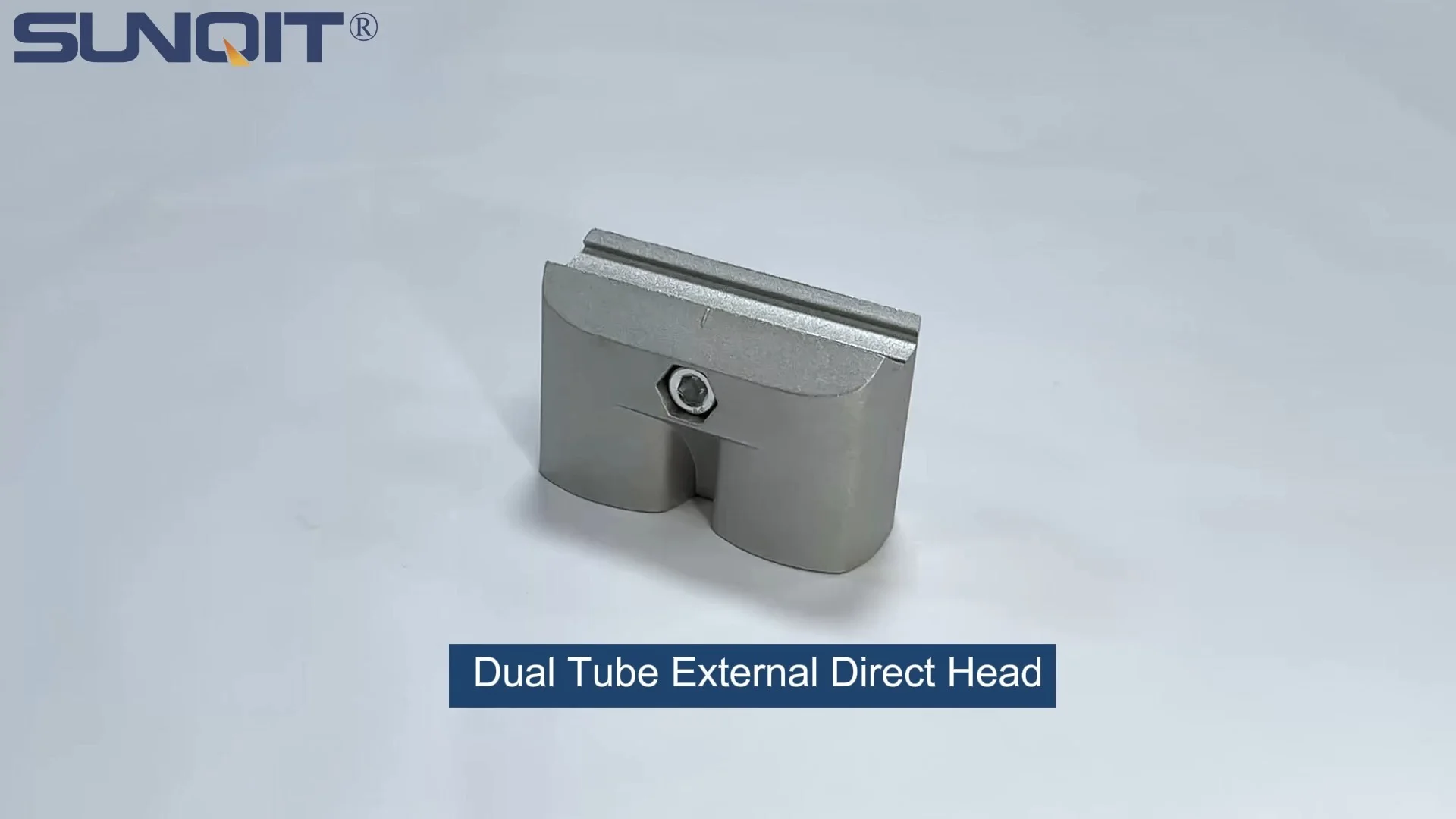
Duplex Aluminum Pipe Joint
Duplex Aluminum pipe joint used for one pcs 28pcs aluminum pipe and one pcs of 28mm duplex pipe connection in straight angle.
Enhancing Precision, Compliance, and Efficiency in Life-Saving Manufacturing
The High-Stakes World of Medical Device Manufacturing
Medical device production is a realm where the margin for error is nonexistent. Every scalpel, pacemaker, and diagnostic tool that rolls off the line carries the weight of patient safety, regulatory scrutiny, and the reputation of the companies behind them. In this industry, precision isn't just a buzzword—it's a mandate. Compliance with FDA regulations, ISO standards, and cleanroom protocols isn't optional; it's the foundation of operations. And efficiency? It's the bridge between meeting soaring global demand for life-saving devices and maintaining the meticulous quality that defines the field.
Yet, for many manufacturers, the tools and systems that power their production lines often fall short of these demands. Rigid steel workstations that can't adapt to new device sizes, material racks that slow down access to critical components, and conveyors that create bottlenecks rather than streamline flow—these are common pain points. The result? Wasted time, increased risk of errors, and missed opportunities to innovate. It's a scenario that calls for a solution as dynamic and reliable as the industry itself.
The Challenge: Medical device manufacturers need production systems that are flexible enough to adapt to evolving product designs, durable enough to withstand rigorous cleanroom environments, and lean enough to eliminate waste without compromising quality. Enter custom duplex aluminum pipe joint solutions—a game-changing approach that merges the strength of aluminum with the adaptability of modular design.
What Are Duplex Aluminum Pipe Joints?
At their core, duplex aluminum pipe joints are the unsung heroes of modular manufacturing systems. These precision-engineered connectors serve as the "building blocks" that link aluminum lean pipes into custom structures—think workbenches, flow racks, conveyors, and more. Unlike traditional fixed joints or welded steel frameworks, duplex joints offer a unique combination of rigidity and flexibility: they lock aluminum pipes securely in place when needed, yet can be disassembled and reconfigured in minutes, no welding or specialized tools required.
Constructed from high-grade aluminum alloys, these joints are designed to handle the demands of medical manufacturing. Their smooth, crevice-free surfaces resist corrosion and bacterial growth—critical for cleanroom compliance. And because they're made from aluminum, they're significantly lighter than steel alternatives, making installation and reconfiguration a one-person job (no heavy lifting equipment needed). This lightweight nature doesn't sacrifice strength, though; modern aluminum alloys rival steel in load-bearing capacity, ensuring stability even for heavy equipment like automated assembly arms.
But what truly sets duplex aluminum pipe joints apart is their versatility. With a range of angles (30°, 45°, 90°, 135°) and configurations (two-way, three-way, four-way), they can form virtually any structure imaginable. Need a U-shaped workbench with integrated tool holders? A multi-tiered flow rack for surgical instrument kits? A curved conveyor to navigate around cleanroom pillars? Duplex joints make it possible—all while maintaining the precision required for medical device assembly.

Aligning with Lean Systems: The Heart of Efficient Production
Lean manufacturing principles have long been the gold standard in medical device production, emphasizing the elimination of waste (muda) in all forms—from excess inventory to unnecessary motion. But lean isn't just about cutting costs; it's about creating systems that empower workers to focus on what matters: building high-quality devices. Custom duplex aluminum pipe joint solutions embody this philosophy, acting as a catalyst for lean transformation.
Consider the concept of "just-in-time" (JIT) production, a cornerstone of lean systems. In medical manufacturing, JIT means having the right components, in the right quantity, at the exact moment they're needed—no more, no less. Traditional rigid shelving or fixed material racks often disrupt this flow, forcing workers to walk long distances to retrieve parts or storing excess inventory that risks obsolescence. Duplex aluminum flow racks, by contrast, are designed to keep materials moving. With roller tracks and adjustable shelving, they ensure components glide smoothly to the assembly line, reducing retrieval time by up to 30% in some cases. This isn't just efficiency; it's respect for the worker's time and expertise.
Another lean principle— poka-yoke (error-proofing)—is also enhanced by duplex systems. Modular workbenches can be customized with built-in guides, tool organizers, and component bins that reduce the risk of misplaced parts. For example, a workbench assembling pacemaker leads can be fitted with color-coded slots for wires of different gauges, ensuring technicians never mix up critical components. When production shifts to a new model, the same workbench can be reconfigured with new guides and bins, eliminating the need to invest in entirely new furniture.
Perhaps most importantly, duplex aluminum systems support continuous improvement (kaizen), the heartbeat of lean. In medical manufacturing, processes are constantly evolving as new technologies emerge and regulations change. A fixed steel workstation might take days to modify; a duplex aluminum one can be retooled in hours. This agility allows teams to test new layouts, refine workflows, and adapt to feedback without halting production. It's lean in action—not as a one-time initiative, but as a daily practice.

Custom Workbenches: Where Precision Meets Ergonomics
The workbench is the command center of medical device assembly. It's where technicians spend hours meticulously piecing together components smaller than a grain of rice, where precision tools are within arm's reach, and where the smallest distraction can lead to costly errors. For this reason, the design of the workbench itself directly impacts product quality and worker well-being.
Custom workbenches built with aluminum lean pipe and duplex joints rise to this challenge. Unlike off-the-shelf workbenches, which force workers to adapt to fixed heights and layouts, these systems are tailored to the human body and the task at hand. Adjustable height mechanisms allow technicians of all statures to work comfortably—no more hunching over or stretching to reach tools. Integrated LED task lighting illuminates intricate assemblies without casting shadows, reducing eye strain during long shifts. And because aluminum lean pipe is lightweight, the workbench can be fitted with locking casters, allowing it to be moved to different areas of the cleanroom as needed (or locked in place for stability during sensitive operations).
Cleanliness is another non-negotiable feature. Medical device workbenches must withstand frequent sanitization with harsh chemicals like isopropyl alcohol and hydrogen peroxide. Duplex aluminum joints, with their smooth, anodized surfaces, resist corrosion and chemical damage, ensuring the workbench remains a sterile environment for years. Unlike wood or plastic workbenches, which can develop cracks or harbor bacteria in seams, aluminum surfaces are seamless and easy to wipe down—critical for maintaining ISO 14644 cleanroom classification.
Take, for example, a workbench designed for assembling endoscopic cameras. These delicate devices require a dust-free environment, precise tool placement, and ESD (electrostatic discharge) protection to prevent damage to sensitive electronics. A custom duplex aluminum workbench for this task might include:
- An ESD-safe laminate top to dissipate static electricity.
- Adjustable shelves with clear acrylic dividers to organize tiny lenses and circuit boards.
- Integrated cable management channels to keep power tools and microscopes clutter-free.
- A built-in vacuum port for quick cleanup of dust and debris.
When production scales to include a new camera model with different dimensions, the workbench can be reconfigured with new shelves, dividers, and tool holders—no need to purchase a replacement. This adaptability not only saves costs but also reduces downtime during transitions.

Flow Racks: Streamlining Material Handling in Cleanrooms
In medical device manufacturing, the journey of a component from storage to assembly is just as critical as the assembly process itself. Delays in retrieving parts, mix-ups between batches, or damage during transport can derail production schedules and compromise quality. This is where flow racks—powered by aluminum lean pipe and duplex joints—shine as a material handling solution.
Flow racks are designed on the principle of "first-in, first-out" (FIFO), ensuring that the oldest components are used first, reducing the risk of expiration or obsolescence. But in medical manufacturing, FIFO is just the starting point. These racks must also protect sensitive components from damage, provide clear visibility for inventory checks, and integrate seamlessly with cleanroom protocols. Aluminum lean pipe flow racks excel on all fronts.
Constructed with lightweight aluminum pipes and duplex joints, these racks are easy to install and reconfigure to fit changing component sizes. For example, a flow rack storing catheter assemblies might feature 3-inch deep lanes, while one holding larger surgical trays could be adjusted to 8-inch lanes—all without replacing the entire structure. The addition of roller tracks (another key component in the aluminum lean pipe ecosystem) ensures components glide smoothly from the back of the rack to the front, eliminating the need for workers to reach or lift heavy bins.
Material compatibility is also a priority. Many medical components are packaged in plastic trays or cardboard boxes that can scuff or tear on rough surfaces. Flow racks with plastic or stainless steel roller balls (1-inch or 0.5-inch, depending on load size) prevent this damage, ensuring components arrive at the assembly line in pristine condition. And because aluminum is non-reactive, there's no risk of chemical leaching or contamination—critical for components that will eventually come into contact with patients.
Consider a scenario in a diabetes care facility producing insulin pumps. The facility uses a flow rack system to manage the hundreds of small components that go into each pump: circuit boards, batteries, tubing, and sensors. Each lane of the rack is labeled with a barcode corresponding to a specific component, and the roller tracks ensure that when a technician removes a bin from the front, the next bin automatically slides forward. This not only speeds up material retrieval but also reduces the risk of picking the wrong part—thanks to clear labeling and FIFO organization.
When the facility introduces a new pump model with a larger battery, the flow rack lanes can be widened by adjusting the duplex joints and adding longer aluminum pipes. The roller tracks can be swapped out for heavier-duty versions to accommodate the increased weight of the battery bins. The entire process takes less than a day, minimizing disruption to production.
Conveyors: Bridging Workstations with Seamless Flow
Between the workbench and the flow rack lies another critical link in the production chain: the conveyor system. In medical device manufacturing, conveyors must move components gently (to avoid damage), precisely (to align with assembly stations), and cleanly (to maintain sterile conditions). Traditional steel conveyors often fall short here—they're heavy, hard to clean, and rigid in design. Aluminum lean pipe conveyors, built with duplex joints, offer a smarter alternative.
These conveyors are modular by design, meaning they can be customized to fit the unique layout of a cleanroom. Need a straight section to connect two workstations? A 90° turn to navigate around a testing booth? A decline to feed components into an automated inspection machine? Duplex joints make it possible to build these configurations with minimal effort. And because aluminum is lightweight, the conveyor can be supported by simple stands (also built with aluminum lean pipe) rather than bulky steel frames, saving valuable floor space in crowded cleanrooms.
Speed control is another advantage. Medical device components—especially delicate electronics or glass syringes—can't be jostled or moved too quickly. Aluminum lean pipe conveyors can be fitted with variable-speed motors and soft-start/stop features, ensuring components arrive at each workstation at a pace that matches the assembly process. For even more precision, some systems include sensors that pause the conveyor if a component is misaligned, preventing jams and damage.
Cleanliness remains a top priority. Aluminum conveyors with smooth, anodized surfaces are resistant to chemicals and easy to wipe down with disinfectants. Unlike belt conveyors, which can trap debris in their seams, roller conveyors (using stainless steel or plastic rollers) have fewer crevices, reducing the risk of bacterial growth. This is especially important in Class 7 or Class 8 cleanrooms, where even a single particle can compromise a device.
Take, for example, a manufacturer of surgical robots. The robot's arm assembly involves dozens of precision gears and motors, each requiring inspection before moving to the next workstation. A custom aluminum lean pipe conveyor system connects the gear assembly station to the motor integration station, then to the final inspection booth. The conveyor features soft rubber rollers to protect the gears, variable speed control to match the inspection pace, and built-in UV lights to sanitize components as they move. When the company adds a new, larger robot model, the conveyor can be extended with additional aluminum pipes and duplex joints, and the rollers can be upgraded to handle the heavier load—all without shutting down production for days.
Case Study: Transforming a Pacemaker Production Line with Aluminum Lean Pipe Solutions
The Manufacturer: A mid-sized medical device company specializing in cardiac rhythm management devices, including pacemakers and implantable defibrillators. With growing demand and new FDA regulations requiring enhanced traceability, the company was struggling with outdated production systems.
The Challenge: The existing production line relied on fixed steel workstations, wooden material racks, and manual component transport. Workers spent 20% of their time retrieving parts from distant shelves, and reconfiguring the line for new device models took 3–4 days, leading to missed deadlines. Cleanroom audits also flagged concerns about bacterial growth in the crevices of steel workbenches and wooden racks.
The Solution: The company partnered with a lean system supplier to implement custom aluminum lean pipe solutions, including:
- Adjustable Workbenches: 12 custom workbenches with duplex joints, adjustable height, ESD-safe surfaces, and integrated tool organizers. Each bench was fitted with locking casters for mobility.
- Flow Racks: 8 multi-tiered flow racks with roller tracks and plastic guide rails, designed to store pacemaker components (circuits, leads, batteries) in FIFO order.
- Modular Conveyors: A 50-foot aluminum conveyor system connecting workstations, featuring variable speed control and stainless steel roller balls to protect delicate components.
The Results:
- 30% Reduction in Retrieval Time: Flow racks positioned adjacent to workbenches eliminated long walks for parts, freeing up technicians to focus on assembly.
- 90% Faster Line Reconfiguration: Duplex joints allowed the team to retool workbenches and conveyors for new pacemaker models in just 4 hours, not days.
- Cleanroom Compliance: Smooth aluminum surfaces and crevice-free duplex joints passed FDA audits with zero findings, reducing the risk of regulatory penalties.
- 25% Increase in Production Output: By eliminating waste and streamlining workflows, the company increased monthly pacemaker production from 800 to 1,000 units without adding staff.
The Takeaway: Custom aluminum lean pipe solutions didn't just improve efficiency—they transformed the company's ability to innovate, comply with regulations, and meet the growing demand for life-saving devices.
Material Matters: Why Aluminum Lean Pipe Stands Out
When it comes to medical device production, the materials used in manufacturing systems are just as critical as the materials in the devices themselves. Aluminum lean pipe, paired with duplex joints, offers a unique set of advantages over traditional materials like steel, wood, or plastic—advantages that directly address the industry's most pressing needs.
| Material | Weight | Corrosion Resistance | Cleanroom Compatibility | Reconfigurability | Cost Over Time |
|---|---|---|---|---|---|
| Aluminum Lean Pipe | Lightweight (1/3 the weight of steel) | High (resists rust and chemical damage) | Excellent (smooth, crevice-free surfaces) | Easy (tool-free assembly with duplex joints) | Low (reusable, minimal maintenance) |
| Steel | Heavy (requires lifting equipment) | Low (prone to rust without coatings) | Poor (crevices trap bacteria; coatings can chip) | Hard (requires welding or drilling) | High (replacement costs; maintenance) |
| Wood | Medium | Very Low (absorbs moisture, warps) | Unsuitable (porous; harbors bacteria) | Impossible (fixed structure) | High (frequent replacement; sanitization costs) |
| Plastic | Lightweight | High | Good (smooth surfaces) | Limited (brittle; joints can crack) | Medium (low initial cost, but short lifespan) |
Aluminum's corrosion resistance is particularly valuable in cleanrooms, where frequent sanitization with harsh chemicals is standard. Unlike steel, which requires regular painting or coating to prevent rust, aluminum forms a natural oxide layer that protects against corrosion—even after years of exposure to disinfectants. This not only reduces maintenance costs but also eliminates the risk of flaking coatings contaminating device components.
Another key advantage is sustainability. As medical device companies increasingly prioritize ESG (Environmental, Social, Governance) goals, aluminum's recyclability becomes a significant benefit. Aluminum lean pipe systems can be disassembled at the end of their lifespan, and the materials can be recycled into new products with minimal energy loss. This contrasts with steel, which is also recyclable but requires more energy to process, and plastic, which often ends up in landfills.
Finally, aluminum's thermal conductivity is a boon in temperature-controlled cleanrooms. Unlike steel, which can conduct heat and cold unevenly, aluminum distributes temperature consistently, reducing condensation and the risk of moisture-related damage to sensitive components. This is especially important for devices with electronics, which are prone to malfunction if exposed to extreme temperature fluctuations.
Compliance and Beyond: Meeting the Strictest Standards
Regulatory compliance is the backbone of medical device manufacturing. From FDA 21 CFR Part 820 (Quality System Regulation) to ISO 13485 (Medical Devices – Quality Management Systems), the industry is governed by a web of standards designed to ensure patient safety. Custom aluminum lean pipe solutions don't just meet these standards—they simplify compliance.
One of the most critical requirements is traceability. Manufacturers must be able to track every component from supplier to finished device, and this includes the systems used to produce those devices. Aluminum lean pipe suppliers provide detailed documentation for all materials, including certificates of compliance (COCs) and material safety data sheets (MSDS). This documentation proves that the aluminum used in workbenches, flow racks, and conveyors meets medical-grade standards, with no harmful additives or contaminants.
Cleanroom classification is another area where aluminum shines. ISO 14644-1 sets strict limits on particle counts in cleanrooms, and aluminum lean pipe systems support these limits with their smooth, non-shedding surfaces. Unlike wood, which can splinter, or steel, which can rust, aluminum doesn't release particles into the air. When paired with ESD-safe coatings, these systems also prevent electrostatic discharge—a critical concern for electronic components in devices like pacemakers and defibrillators.
Audits are a fact of life in medical manufacturing, and aluminum systems make them easier to pass. Inspectors can quickly verify that workbenches and racks have no hidden crevices where bacteria can grow, that conveyors are easy to sanitize, and that the entire system is designed to prevent cross-contamination. For example, a workbench with a seamless aluminum top and duplex joints can be wiped down in minutes, with no need for disassembly—a stark contrast to steel workbenches with welded seams that require hours of scrubbing.
Looking ahead, emerging regulations around sustainability are likely to further favor aluminum systems. As governments and customers demand more transparency in supply chains, the recyclability and low environmental impact of aluminum will become a competitive advantage. Manufacturers using aluminum lean pipe can showcase their commitment to sustainability, aligning with global initiatives to reduce healthcare's carbon footprint.
The Future of Medical Manufacturing: Smart, Adaptive, and Human-Centered
The medical device industry is on the cusp of a new era, driven by advances in AI, robotics, and personalized medicine. As production lines become more automated and devices more complex, the need for flexible, intelligent manufacturing systems will only grow. Aluminum lean pipe solutions, with their modular design and adaptability, are poised to play a central role in this future.
One emerging trend is the integration of smart technology into lean systems. Imagine workbenches fitted with IoT sensors that monitor tool usage, track component inventory in real time, and alert technicians when supplies are low. Conveyors could use AI to predict maintenance needs, reducing unplanned downtime. Aluminum lean pipe provides the perfect platform for these innovations—its lightweight design can support sensors and wiring without compromising stability, and its modularity allows for easy upgrades as new technologies emerge.
Another trend is the focus on human-centered design. As automation takes over repetitive tasks, the role of technicians is shifting toward more complex, cognitive work. Custom workbenches built with aluminum lean pipe can support this shift by incorporating ergonomic features like adjustable monitors, voice-activated tool retrieval, and integrated rest areas. The goal is to create environments that enhance focus, reduce fatigue, and empower workers to contribute their unique expertise.
Finally, the push for localized production—driven by supply chain resilience and the need for faster delivery—will require manufacturing systems that can be set up quickly and scaled on demand. Aluminum lean pipe systems, with their tool-free assembly and lightweight components, are ideal for this. A manufacturer could ship a complete production line (workbenches, flow racks, conveyors) in a few crates, assemble it in days, and start producing devices within weeks—no need for specialized construction or heavy machinery.
Conclusion: Building the Future of Medical Device Production
Custom duplex aluminum pipe joint solutions are more than just tools for building workbenches or flow racks—they're partners in the mission to save and improve lives. In an industry where precision, compliance, and efficiency are non-negotiable, these systems offer a rare combination of flexibility and reliability. They adapt to changing device designs, simplify regulatory compliance, and empower workers to focus on what matters most: creating high-quality medical devices.
From the lightweight aluminum pipes that make reconfiguration a breeze to the duplex joints that lock in precision, every component is designed with the unique challenges of medical manufacturing in mind. Whether it's a small workbench for assembling hearing aids or a large conveyor system for pacemakers, these solutions prove that the right tools can transform not just production lines, but entire companies.
As the medical device industry continues to evolve, one thing is clear: the future belongs to systems that are as dynamic, innovative, and resilient as the devices they produce. Custom duplex aluminum pipe joint solutions are leading the way—one joint, one workbench, one life-saving device at a time.