- Company Articles
- Products and Technology
- Product knowledge
- Custom Finishes for 3060 Aluminum Angle Yards: Anodized vs. Powder-Coated

Custom Finishes for 3060 Aluminum Angle Yards: Anodized vs. Powder-Coated
Related Product
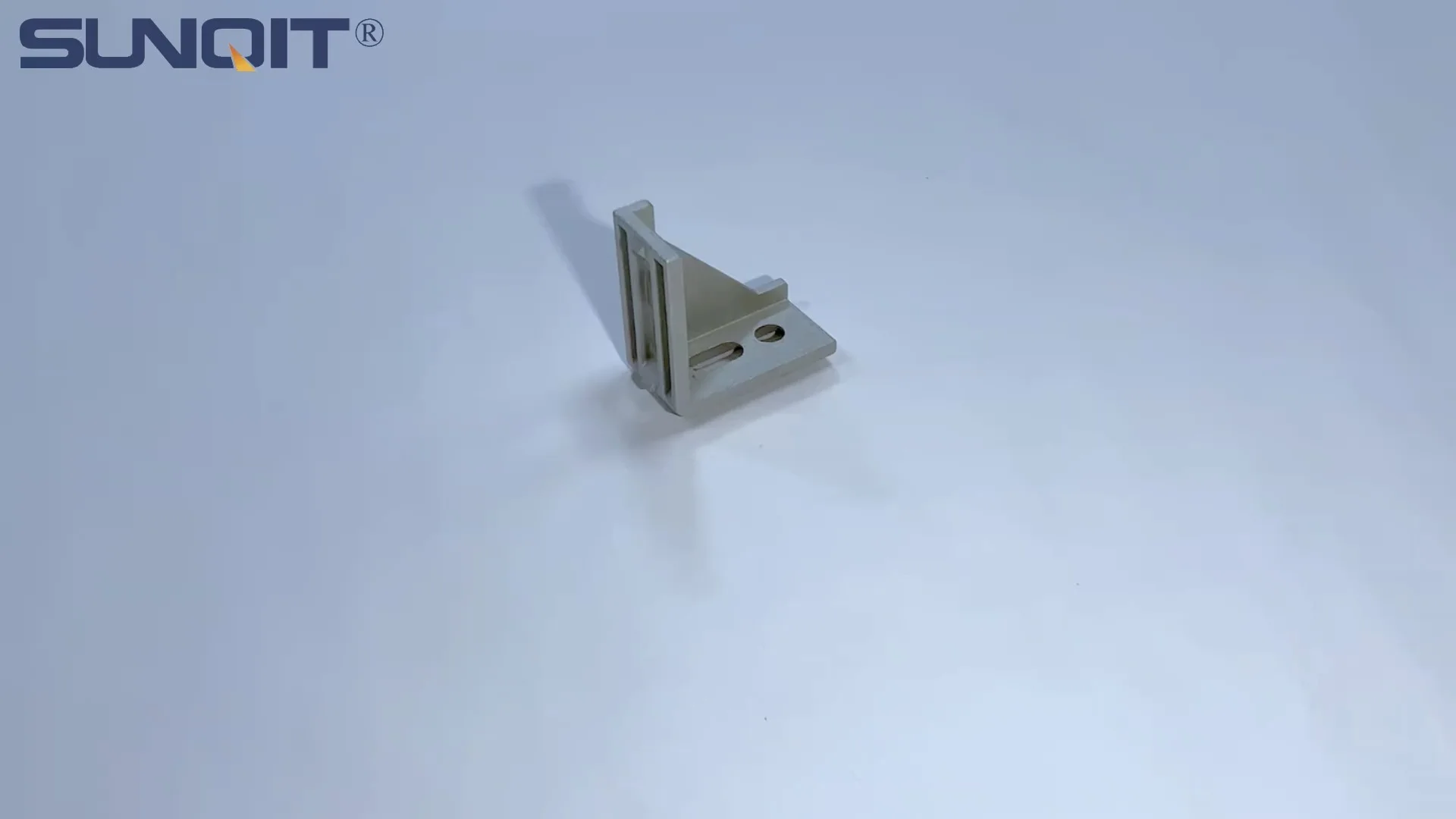
3060 Aluminum Angle Yards
It used for 90° flat connection for 20 series aluminum profile.
Walk into any modern factory, workshop, or even a trendy retail space, and you'll likely spot sleek, sturdy structures holding tools, organizing materials, or framing displays. Chances are, many of those structures are built with aluminum angle yards—versatile, lightweight, and incredibly durable. Among the most popular options is the 3060 aluminum angle yard , a workhorse in industrial and commercial settings. But what truly elevates its functionality and appeal isn't just the aluminum itself—it's the finish. Today, we're zeroing in on two of the most sought-after finishes for this aluminum extrusion profile: anodized and powder-coated. By the end, you'll know which one best fits your project, whether you're building a lean system on the factory floor or a eye-catching display for your store.
First Things First: What Exactly Is a 3060 Aluminum Angle Yard?
Before we dive into finishes, let's make sure we're all on the same page about the star of the show: the 3060 aluminum angle yard. This isn't just any piece of metal—it's a precision-engineered aluminum extrusion profile , meaning it's created by forcing molten aluminum through a custom die to form its distinct 30mm x 60mm L-shaped cross-section. Why 30x60? It's a sweet spot between strength and versatility. The 30mm leg offers stability, while the 60mm leg provides ample surface area for mounting tools, shelves, or accessories. Think of it as the building block of modular systems—whether you're constructing workbenches, material racks, or machine guards.
Most 3060 aluminum angle yards are made from 6063 aluminum alloy, prized for its excellent extrudability, corrosion resistance, and smooth surface finish. This alloy is also highly compatible with aluminum profile accessories like end caps, connectors, and brackets, making it easy to customize structures to fit specific needs. But even the best base material needs a finish to protect it, enhance its look, and adapt to its environment. That's where anodized and powder-coated finishes come in.
Anodized Finish: The Electrochemical Powerhouse
How Anodizing Works: More Than Just a "Coating"
Anodizing isn't just painting or plating—it's a transformative electrochemical process that turns the aluminum's surface into a hard, protective layer of oxide. Here's a simplified breakdown of how it works:
1. Preparation: The 3060 aluminum angle yard is first cleaned rigorously to remove oils, dirt, or oxides. This ensures the anodizing process adheres evenly.
2. Etching: The aluminum is dipped in a mild acid solution to create a slightly rough surface, which helps the oxide layer bond better.
3. Anodizing Bath: The cleaned aluminum is submerged in an electrolytic solution (usually sulfuric acid) and acts as the anode in an electrical circuit. When electricity is applied, oxygen ions from the solution react with the aluminum, forming a porous layer of aluminum oxide (Al₂O₃) on the surface.
4. Coloring (Optional): If color is desired, the porous oxide layer can absorb dyes. For more durable colors, electrolytic coloring uses metal salts to deposit pigments deep within the pores.
5. Sealing: Finally, the aluminum is sealed (often in hot water or steam) to close the pores, locking in color and creating a smooth, non-porous surface.
The result? A finish that's integral to the aluminum, not just a layer on top. This makes anodized 3060 angle yards incredibly resilient in harsh environments.
Pros of Anodized Finish
Unbeatable Corrosion Resistance: The aluminum oxide layer is naturally resistant to moisture, chemicals, and salt—perfect for humid factories, coastal areas, or settings with frequent cleaning (like food processing plants). Unlike paint, it won't peel or chip, so the protection lasts for decades.
Hardness and Wear Resistance: Anodized surfaces are significantly harder than bare aluminum (up to 300 HV for standard anodizing, and over 500 HV for "hardcoat" anodizing). This makes them ideal for high-traffic areas where the angle yard might rub against tools, carts, or materials.
Color Stability: Dyed anodized finishes are fade-resistant, especially when sealed properly. While they might not offer the same vibrancy as powder coating, natural tones (silver, black, gold) stay true even with UV exposure—great for indoor or covered outdoor use.
Slim Profile, Tight Tolerances: The anodized layer is thin (typically 5-20 microns), so it doesn't add significant thickness to the angle yard. This is crucial for modular systems where precise fits with aluminum profile accessories (like connectors or sliding brackets) are non-negotiable.
Low Maintenance: Anodized surfaces are easy to clean with mild soap and water. They don't require waxing or special coatings, and their smooth finish resists dirt buildup.
Cons of Anodized Finish
Limited Color Range: While you can get anodized finishes in blacks, golds, blues, and reds, the palette is narrower compared to powder coating. Bright, neon, or custom Pantone colors are often off the table unless you opt for specialized (and pricier) processes.
Surface Imperfections Show: Anodizing highlights the aluminum's natural texture. Scratches, dents, or unevenness in the base aluminum extrusion profile will be visible in the finished product. This means the initial extrusion quality must be top-notch.
Costlier for Custom Colors: Standard clear or black anodizing is affordable, but custom dyes or hardcoat anodizing (for extra thickness) can drive up costs—especially for small batches.
Less Impact Resistance: While hard, the anodized layer is brittle. A sharp impact (like a dropped tool) can chip the oxide layer, exposing the bare aluminum underneath (though the damage is usually localized).

Powder-Coated Finish: The Colorful Contender
How Powder Coating Works: A Fusion of Pigment and Resin
If anodizing is about chemistry, powder coating is about precision and color. This dry finishing process uses finely ground particles of pigment and resin (think: tiny plastic powder) that are electrostatically charged and sprayed onto the aluminum surface. Here's how it unfolds:
1. Preparation: The 3060 aluminum angle yard is cleaned and sandblasted to remove contaminants and create a slightly rough surface for better adhesion.
2. Powder Application: Using an electrostatic gun, the powder is sprayed onto the aluminum. The charged powder particles cling to the grounded metal, creating an even coating.
3. Curing: The coated aluminum is baked in an oven (typically 180-200°C) for 10-15 minutes. The heat melts the powder, which flows into a smooth film and then hardens into a durable coating.
The result? A thick, vibrant, and flexible finish that can be tailored to almost any color, texture, or sheen.
Pros of Powder-Coated Finish
Unlimited Color Options: Powder coating offers the full spectrum of RAL colors, custom Pantone matches, and even special effects like metallic, matte, gloss, or textured finishes. Want a bright red for a retail display or a deep forest green for an outdoor kiosk? Powder coating delivers.
Conceals Surface Flaws: The thick coating (typically 50-150 microns) hides minor imperfections in the base aluminum, making it ideal for angle yards with slightly rough extrusions or minor scratches.
Superior Impact Resistance: Unlike the brittle anodized layer, powder coating is flexible. It can bend slightly without cracking, making it resistant to chips, dents, and abrasions—great for high-traffic areas or mobile structures like carts.
UV and Weather Resistance: Modern powder coatings are formulated with UV stabilizers, making them perfect for outdoor use. They resist fading, chalking, and peeling even in direct sunlight or rain.
Cost-Effective for Large Batches: Once the powder is mixed and the gun is calibrated, powder coating is efficient for mass production. This makes it a budget-friendly choice for projects needing consistent color across many 3060 angle yards.
Cons of Powder-Coated Finish
Thicker Coating, Tighter Tolerances: The thicker layer can affect dimensional accuracy. If you're using precision aluminum profile accessories (like sliding tracks or tight-fitting brackets), you may need to adjust for the added thickness to avoid binding.
Prone to Chipping If Damaged: While impact-resistant, powder coating is a separate layer from the aluminum. A hard enough hit can chip or peel the coating, exposing the bare metal underneath (though touch-up kits are available).
Color Inconsistency Risks: Batch-to-batch color variation can occur if the powder isn't mixed properly or the curing temperature fluctuates. This is less of an issue with reputable suppliers but worth noting for projects needing exact color matching.
Limited Repair Options: Unlike anodizing, small scratches or chips in powder coating can't be "repaired"—they need to be touched up with spray paint, which may not perfectly match the original texture or color.

Anodized vs. Powder-Coated: Head-to-Head Comparison
| Feature | Anodized Finish | Powder-Coated Finish |
|---|---|---|
| Process | Electrochemical reaction; grows oxide layer from aluminum itself. | Electrostatic spray of resin/pigment powder; cured with heat to form a bonded layer. |
| Thickness | 5-20 microns (thin, integral to metal). | 50-150 microns (thick, separate layer). |
| Color Range | Limited: Clear, black, gold, silver, and some pastels. Bright colors rare. | Unlimited: Any RAL/Pantone color, metallic, textured, or custom shades. |
| Texture | Smooth, matte to semi-gloss; highlights aluminum's natural grain. | Varied: Gloss, matte, textured, or rough (depending on powder type). |
| Corrosion Resistance | Excellent (oxide layer blocks moisture; ideal for humid/chemical environments). | Very good (thick layer resists moisture; depends on coating quality). |
| UV Resistance | Good (dyed colors fade slowly; clear anodize is UV-stable). | Excellent (UV-stabilized powders resist fading outdoors). |
| Impact Resistance | Moderate (brittle oxide layer can chip under sharp impacts). | High (flexible coating bends without cracking; resists dents). |
| Cost | Higher for custom colors/hardcoat; moderate for standard clear/black. | Lower for large batches; moderate for small runs or custom colors. |
| Maintenance | Low: Soap and water; no touch-ups needed for minor scratches. | Moderate: Wipe clean; touch up chips with spray paint. |
| Compatibility with Accessories | Excellent (thin layer doesn't affect tight fits with aluminum profile accessories). | Good, but may require adjusted sizing for tight-tolerance accessories. |

Choosing the Right Finish: 5 Key Factors to Consider
Now that you understand the pros and cons of each finish, how do you decide which is right for your 3060 aluminum angle yard project? Here are the critical factors to weigh:
1. Environment: Where Will the Angle Yard Live?
Indoor, low-moisture environments (like offices or dry workshops) are forgiving for both finishes. But if your structure will be outdoors, in a humid factory, or exposed to chemicals (like cleaning agents in food processing), anodized is often the safer bet. Its natural corrosion resistance holds up better against moisture and chemicals. For outdoor use with lots of sun, powder coating with UV stabilizers is a strong contender—just ensure the supplier uses high-quality powder.
2. Aesthetics: What Look Are You After?
If you need bold colors, textures, or custom shades (e.g., branding colors for a retail display), powder coating is the way to go. Its versatility lets you match almost any vision. If you prefer a sleek, industrial look that highlights the aluminum's natural beauty—think brushed silver or matte black—anodized is perfect. It offers a "raw yet refined" aesthetic that's timeless in lean system setups and modern workspaces.
3. Durability Needs: How Much Wear and Tear Will It Face?
For high-impact areas (e.g., material handling racks, mobile carts), powder coating's flexibility and impact resistance shine. It can take bumps and scrapes without chipping. For applications where abrasion resistance is key (e.g., workbench edges, tool hangers), anodized (especially hardcoat anodized) is better—it's harder and more scratch-resistant over time.
4. Budget: Upfront vs. Long-Term Costs
Powder coating is often cheaper for large batches, making it ideal for mass-produced structures. Anodized finishes have higher upfront costs for custom colors but lower long-term maintenance expenses (no touch-ups needed). If your project is small or needs unique colors, anodized might be more cost-effective in the long run despite the initial price tag.
5. Accessory Compatibility: Will It Play Nice with Other Parts?
If your 3060 angle yard will use precision aluminum profile accessories like sliding tracks, tight-fitting brackets, or adjustable shelves, anodized is safer. Its thin layer won't interfere with fits. If you're using bulkier accessories (e.g., heavy-duty connectors, end caps), powder coating's thickness is less of an issue—just confirm dimensions with your supplier first.
Real-World Applications: When to Pick Which Finish
To make this more concrete, let's look at common scenarios where one finish outperforms the other:
Scenario 1: Food Processing Plant Workbench
In a food processing plant, surfaces are regularly sanitized with harsh chemicals, and moisture is constant. Anodized 3060 aluminum angle yards are ideal here—their corrosion resistance and easy-to-clean surface prevent bacterial growth, and they stand up to daily chemical exposure without fading or peeling.
Scenario 2: Retail Display for a Trendy Café
A café wants a vibrant, branded display to showcase pastries. Powder coating in the café's signature teal color adds visual appeal, while a textured finish hides fingerprints from customers. The display is indoors, so UV resistance isn't a concern, and the thick coating protects against occasional bumps from patrons.
Scenario 3: Outdoor Kiosk for a Theme Park
An outdoor kiosk needs to withstand rain, sun, and constant foot traffic. Powder coating with UV stabilizers ensures the kiosk's bright red color doesn't fade, while its impact resistance protects against scratches from bags or strollers. Anodized would work too, but the client prioritized the bold color match.
Scenario 4: Lean System Material Rack in an Auto Factory
In a busy auto factory, a material rack holds heavy parts and is constantly loaded/unloaded with forklifts. Anodized 3060 angle yards are chosen for their hard, scratch-resistant surface—they won't show wear from metal parts sliding on them, and their thin layer ensures compatibility with the rack's adjustable shelving accessories.
Maintenance Tips: Keeping Your Finish Looking Fresh
No matter which finish you choose, proper maintenance will extend its life and keep your 3060 aluminum angle yard looking its best.
For Anodized Finishes:
• Clean regularly: Wipe with a soft cloth and mild soap (like dish soap) and water. Avoid abrasive sponges or cleaners, which can scratch the surface.
• Remove stains promptly: For tough stains (e.g., oil, grease), use isopropyl alcohol on a cloth—don't let stains sit, as they can absorb into the porous oxide layer.
• Wax occasionally (optional): A thin coat of car wax can add extra protection against fingerprints and minor scratches, especially for high-visibility surfaces.
For Powder-Coated Finishes:
• Dust and wipe: Regularly dust with a soft brush or wipe with a damp cloth to prevent dirt buildup, which can dull the finish.
• Treat stains gently: Use a mild detergent and water for most stains; for oil or grease, use a non-abrasive cleaner like baking soda mixed with water.
• Touch up chips: Use a powder coating touch-up pen or spray paint (matched to your color) to cover small chips—this prevents the aluminum from corroding underneath.
Final Thoughts: It's All About Your Project's "Why"
At the end of the day, there's no "better" finish—only the right finish for your project. Anodized 3060 aluminum angle yards excel in durability, corrosion resistance, and industrial aesthetics, making them ideal for harsh environments and precision systems. Powder-coated angle yards shine in color versatility, impact resistance, and visual customization, perfect for branding, retail, or outdoor applications.
When in doubt, consult with your aluminum extrusion profile supplier. They can help you assess your environment, budget, and aesthetic needs to recommend the best finish. And remember: the quality of the base material matters too. A well-extruded 3060 aluminum angle yard with a premium finish will not only look great but also stand the test of time—whether it's holding tools in a factory or showcasing products in a store.
So, what's your project? Are you leaning toward the electrochemical strength of anodized or the colorful flexibility of powder-coated? Whatever you choose, your 3060 aluminum angle yard will be ready to build something amazing.