- Company Articles
- Products and Technology
- Product knowledge
- Custom Heavy Duty Split Foot Seats for Medical Industry Requirements

Custom Heavy Duty Split Foot Seats for Medical Industry Requirements
Related Product
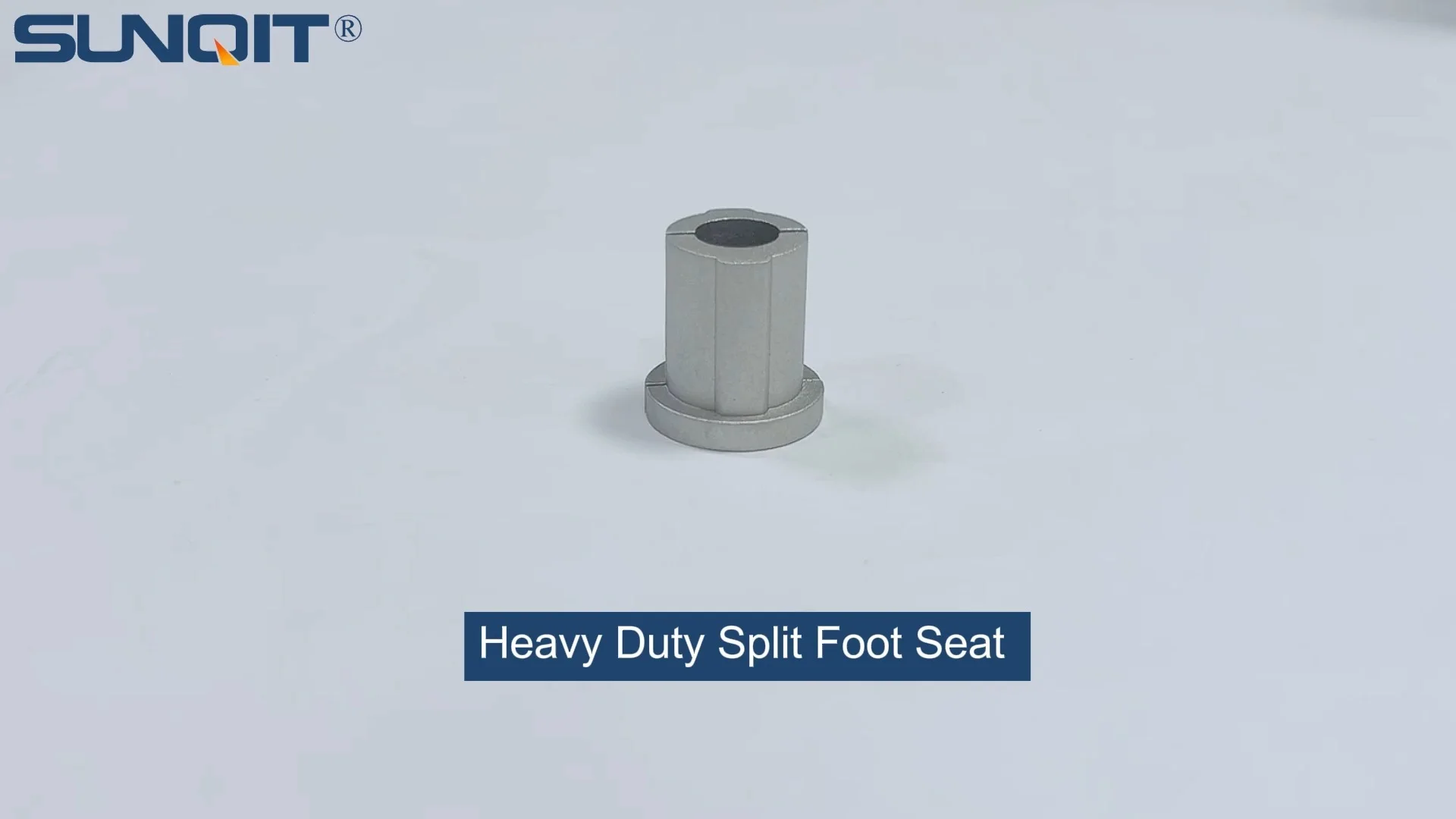
Heavy Duty Split Foot Seat
M10 aluminum heavy duty split foot deat with foot adjuster for workbench and flow rack.
The Unsung Foundation of Medical Equipment Stability
In the high-stakes world of healthcare, every detail matters. From the precision of surgical tools to the reliability of patient monitors, medical professionals depend on equipment that performs consistently, safely, and without compromise. Yet, among the array of advanced technologies and intricate machinery, there's a humble component that often goes unnoticed—until it fails: the foot seat. Specifically, custom heavy duty split foot seats have emerged as a critical element in ensuring the stability, safety, and compliance of medical equipment. These unassuming components are the silent guardians of operational efficiency, patient safety, and regulatory adherence in clinics, hospitals, and laboratories worldwide.
Unlike generic foot seats designed for industrial or commercial use, those tailored for the medical industry must meet a unique set of demands. Healthcare environments are characterized by frequent cleaning with harsh disinfectants, uneven floor surfaces (common in older facilities), heavy loads (think MRI machines, anesthesia carts, or mobile surgical stations), and zero tolerance for instability. A single wobble in a medication cart could lead to spills; a slight tilt in a laboratory workstation might compromise test results; a failure in a surgical table's base could endanger a patient's life. This is where custom heavy duty split foot seats step in—engineered to address these challenges head-on, they provide the robust foundation medical equipment simply can't operate without.
Why "Custom" and "Heavy Duty" Matter in Medical Settings
Before diving into the specifics of split foot seats, let's clarify what makes them "custom" and "heavy duty"—and why these attributes are non-negotiable in healthcare. "Heavy duty" refers to their ability to withstand extreme loads, often ranging from 500kg to 2000kg or more, depending on the equipment they support. Medical devices like mobile X-ray machines or blood bank refrigerators are not only heavy but also sensitive; any flexing or shifting in their base can damage internal components or disrupt functionality. Heavy duty construction ensures these seats distribute weight evenly, reducing stress on the equipment's frame and preventing long-term wear.
"Custom," meanwhile, addresses the diversity of medical equipment and facilities. No two hospitals are identical: some have polished concrete floors, others linoleum; some use compact mobile carts, others large stationary workstations; some require equipment to fit through narrow doorways, others need adjustable heights for ergonomic use. Off-the-shelf foot seats simply can't accommodate these variations. A custom solution might involve adjusting the height, base diameter, or mounting mechanism to fit a specific cart design. It could mean using specialized materials to resist corrosion from daily sanitization or adding antimicrobial coatings to align with infection control protocols. In short, customization ensures the foot seat doesn't just "work"—it works perfectly for the unique needs of the medical environment.
The "split" design, a key feature of these foot seats, adds another layer of functionality. Unlike solid foot seats, which adjust as a single unit, split designs allow for independent movement of each half. This is invaluable in facilities with uneven floors: if one side of a cart sits slightly lower than the other, the split foot seat can be adjusted on one side to level the equipment, preventing rocking or tilting. In surgical settings, where precision is critical, this micro-adjustability ensures instruments and monitors remain stable, even during lengthy procedures.

Medical Industry Requirements: What Makes These Foot Seats Unique
To understand why custom heavy duty split foot seats are indispensable, it's essential to first outline the stringent requirements of the medical industry. These standards aren't just guidelines—they're legal and ethical imperatives, enforced by bodies like the FDA, ISO, and CE, to protect patients and staff.
1. Hygiene and Cleanability
Medical facilities are breeding grounds for pathogens, making frequent and thorough cleaning a top priority. Disinfectants, steam cleaners, and UV light systems are common tools, but they can corrode or degrade low-quality materials. Custom foot seats for medical use are therefore constructed with materials that resist chemical damage and microbial growth. Aluminum profile, for example, is a popular choice: it's non-porous, easy to wipe down, and naturally resistant to rust. Unlike steel, which can harbor bacteria in scratches, aluminum's smooth surface leaves nowhere for pathogens to hide. Similarly, components from the stainless steel pipe series are often integrated into foot seat hardware (like bolts or adjustment knobs) for added durability and corrosion resistance—ensuring the foot seat remains functional and hygienic even after years of daily cleaning.
2. Load-Bearing Capacity
Medical equipment isn't just heavy; it's often top-heavy, with sensitive components mounted high (e.g., monitors on carts). This creates a higher risk of tipping, which is why foot seats must not only support the equipment's weight but also provide a wide, stable base. Custom heavy duty split foot seats are engineered with this in mind, featuring reinforced bases and robust materials that can handle dynamic loads (like when a cart is moved) as well as static ones (when it's stationary). For example, a mobile medication cart might weigh 150kg when fully loaded with drugs and supplies; a foot seat designed for this application would need to support that weight while also absorbing shocks from rolling over thresholds or uneven tiles.
3. Precision Adjustability
No two floors are perfectly level, especially in older hospitals or clinics with uneven concrete. This is where adjustable leveling feet—often integrated into custom split foot seats—become critical. These feet allow users to (fine-tune) the height of each side of the foot seat, ensuring the equipment remains perfectly level. In laboratories, for instance, a slight incline in a centrifuge workstation could throw off sample rotation speeds, leading to inaccurate results. In surgical suites, a tilted instrument tray might cause tools to slide. Adjustable leveling feet solve this by providing precise control, often down to 0.5mm increments, ensuring the equipment stays stable regardless of the floor's condition.
4. Compatibility with Mobile and Stationary Equipment
Medical facilities rely on both stationary (e.g., lab benches, pharmacy shelves) and mobile (e.g., crash carts, patient lifts) equipment. Custom foot seats must therefore be versatile enough to serve both. For stationary setups, they might be fixed to the floor with bolts for maximum stability. For mobile equipment, they're often paired with caster and accessories—allowing the cart to roll freely when needed, then locking into place via the foot seat when stationary. This dual functionality is key: imagine a surgical team needing to quickly move a mobile X-ray machine into position, then lock it down to prevent movement during the procedure. The foot seat acts as the bridge between mobility and stability, ensuring the equipment is both flexible and secure.

Materials Matter: The Role of Aluminum Profile and Stainless Steel
The performance of a custom heavy duty split foot seat hinges largely on the materials used in its construction. While plastics or low-grade steel might suffice for light-duty applications, medical environments demand materials that are strong, durable, hygienic, and compatible with strict cleaning protocols. Two materials stand out in this regard: aluminum profile and stainless steel (from the stainless steel pipe series).
| Material | Key Benefits for Medical Use | Common Applications in Foot Seats |
|---|---|---|
| Aluminum Profile | Lightweight yet strong; corrosion-resistant; non-porous (easy to clean); customizable via extrusion; compatible with antimicrobial coatings. | Base frames, adjustment knobs, mounting plates. |
| Stainless Steel (Stainless Steel Pipe Series) | Exceptional strength; high heat resistance; immune to rust; withstands harsh disinfectants; ideal for load-bearing components. | Bolts, washers, internal adjustment mechanisms, pivot points. |
| Reinforced Nylon | Shock-absorbent; non-slip; resistant to chemicals; reduces noise (important in quiet settings like patient rooms). | Foot pads, anti-slip caps, gaskets. |
Aluminum profile is particularly versatile. Unlike solid aluminum blocks, extruded aluminum profiles can be shaped into complex geometries—allowing manufacturers to design foot seats with hollow cores (reducing weight without sacrificing strength) or integrated channels (for cable management, a bonus in cluttered medical environments). The ability to customize the profile's cross-section also means foot seats can be tailored to fit specific equipment dimensions, ensuring a snug and stable fit. Additionally, aluminum's natural resistance to corrosion makes it ideal for facilities that use steam cleaning or acidic disinfectants, as it won't degrade or leach harmful substances into the environment.
Stainless steel, meanwhile, is used for components that bear the brunt of the load or require frequent adjustment. For example, the bolts and nuts that secure the foot seat to the equipment frame are often made from stainless steel pipe series components—they're strong enough to withstand the torque of tightening, yet won't rust or seize up after repeated use. Similarly, the internal threads of adjustable leveling feet (a critical feature for split designs) are typically cut into stainless steel inserts, ensuring smooth and precise adjustment even after years of wear. Together, aluminum profile and stainless steel create a foot seat that's lightweight, strong, hygienic, and built to last in the toughest medical environments.

Case Study: How Custom Split Foot Seats Transformed a Hospital's Medication Carts
To illustrate the impact of custom heavy duty split foot seats, let's look at a real-world example: a mid-sized hospital in the Midwest that was struggling with unstable medication carts. The facility had recently upgraded to electronic medication administration records (eMAR), requiring nurses to carry tablet-equipped carts from room to room. However, the carts—fitted with generic foot seats—tended to wobble on the hospital's uneven linoleum floors, causing tablets to vibrate (leading to input errors) and occasionally spilling medications. Complaints from staff were mounting, and there was growing concern about patient safety.
The hospital's biomedical engineering team reached out to a supplier specializing in custom medical components, who recommended switching to heavy duty split foot seats with adjustable leveling feet and aluminum profile bases. The new foot seats were designed to: (1) distribute the cart's weight more evenly (the split design allowed independent adjustment of each side), (2) resist corrosion from daily cleaning with quaternary ammonium compounds, and (3) integrate with the cart's existing caster and accessories (so the cart could still roll freely when needed). Within weeks of installation, nurse feedback improved dramatically: the carts were stable, even on the most uneven floors, and medication spills dropped by 90%. The adjustable leveling feet also made it easier to align the carts with patient beds, reducing strain on nurses' backs. Today, the hospital has standardized on these custom foot seats for all mobile equipment—proof of their impact on both safety and efficiency.
Beyond Stability: Additional Features for Medical Compliance
While stability and durability are the primary goals of custom heavy duty split foot seats, medical compliance often requires additional features. These "extras" ensure the foot seat not only performs well but also meets regulatory standards and supports broader facility goals like infection control or ergonomics.
Antimicrobial Coatings
Infection control is a constant battle in healthcare, and even the most hygienic materials can benefit from an extra layer of protection. Many custom foot seats now come with antimicrobial coatings, which inhibit the growth of bacteria, viruses, and fungi on the surface. These coatings are often integrated into aluminum profile or stainless steel components during manufacturing, ensuring they don't wear off over time. For example, silver-ion coatings are popular: silver has natural antimicrobial properties, and when embedded into the foot seat's surface, it continuously kills pathogens—reducing the risk of cross-contamination between patients.
Locking Mechanisms
For stationary equipment like laboratory workstations or surgical tables, accidental movement is a major risk. Custom foot seats can therefore be equipped with locking mechanisms that secure them to the floor or equipment base. These mechanisms, often made from stainless steel pipe series components (for strength), prevent shifting during use and ensure the equipment remains level even under stress. In some cases, the locks are designed to be operable with one hand, making them easy for staff to engage or disengage quickly.
Ergonomic Design
Medical staff spend hours on their feet, and equipment that's difficult to adjust can lead to fatigue or injury. Custom foot seats often include ergonomic features like large, easy-to-grip adjustment knobs (made from aluminum profile or rubberized materials) or foot-operated levers (eliminating the need to bend down). For example, a mobile ultrasound cart might have foot seats with pedal-controlled leveling feet, allowing technicians to adjust stability without stopping to use their hands—saving time and reducing strain.
The Future of Custom Heavy Duty Split Foot Seats in Healthcare
As medical technology advances, so too will the demands placed on supporting components like foot seats. The future of custom heavy duty split foot seats in healthcare is likely to be shaped by three key trends: smart integration, sustainability, and modularity.
"Smart" foot seats, equipped with sensors that monitor load, tilt, or wear, could soon become standard. Imagine a foot seat that alerts maintenance staff when it's approaching its weight limit, or one that sends data to a hospital's asset management system to track stability over time. This predictive maintenance could prevent failures before they occur, reducing downtime and improving safety. Similarly, sustainability is becoming a priority for healthcare facilities, driving demand for foot seats made from recycled aluminum profile or stainless steel, or designed for easy disassembly and recycling at the end of their lifespan.
Modularity, too, will play a role. As hospitals adapt to changing needs (e.g., expanding ICU capacity during a pandemic), equipment must be reconfigurable. Custom foot seats with modular designs—allowing quick swapping of components (like larger bases for heavier loads or taller profiles for uneven floors)—will enable facilities to adapt without replacing entire foot seats. This flexibility not only reduces costs but also supports a more agile healthcare system.
Conclusion: Investing in the Foundation of Medical Safety
Custom heavy duty split foot seats may not be the most glamorous components in a hospital's arsenal, but they are undeniably among the most critical. They are the foundation upon which safe, efficient, and compliant medical equipment rests—ensuring that everything from medication carts to surgical tables performs as intended, even in the most challenging environments. By prioritizing customization, heavy duty construction, and high-quality materials like aluminum profile and stainless steel pipe series components, healthcare facilities can reduce risks, improve staff satisfaction, and ultimately deliver better patient care.
As the medical industry continues to evolve, so too will the role of these unsung heroes. Whether through smart sensors, antimicrobial coatings, or modular designs, custom heavy duty split foot seats will remain at the forefront of ensuring stability and safety in healthcare. For medical equipment manufacturers and facility managers, investing in these components isn't just a matter of compliance—it's a commitment to the patients and staff who depend on reliable, stable equipment every day.