- Company Articles
- Products and Technology
- Solution
- Custom Heavy Duty Split Foot Seats: Tailored Solutions for 3C Assembly

Custom Heavy Duty Split Foot Seats: Tailored Solutions for 3C Assembly
Related Product
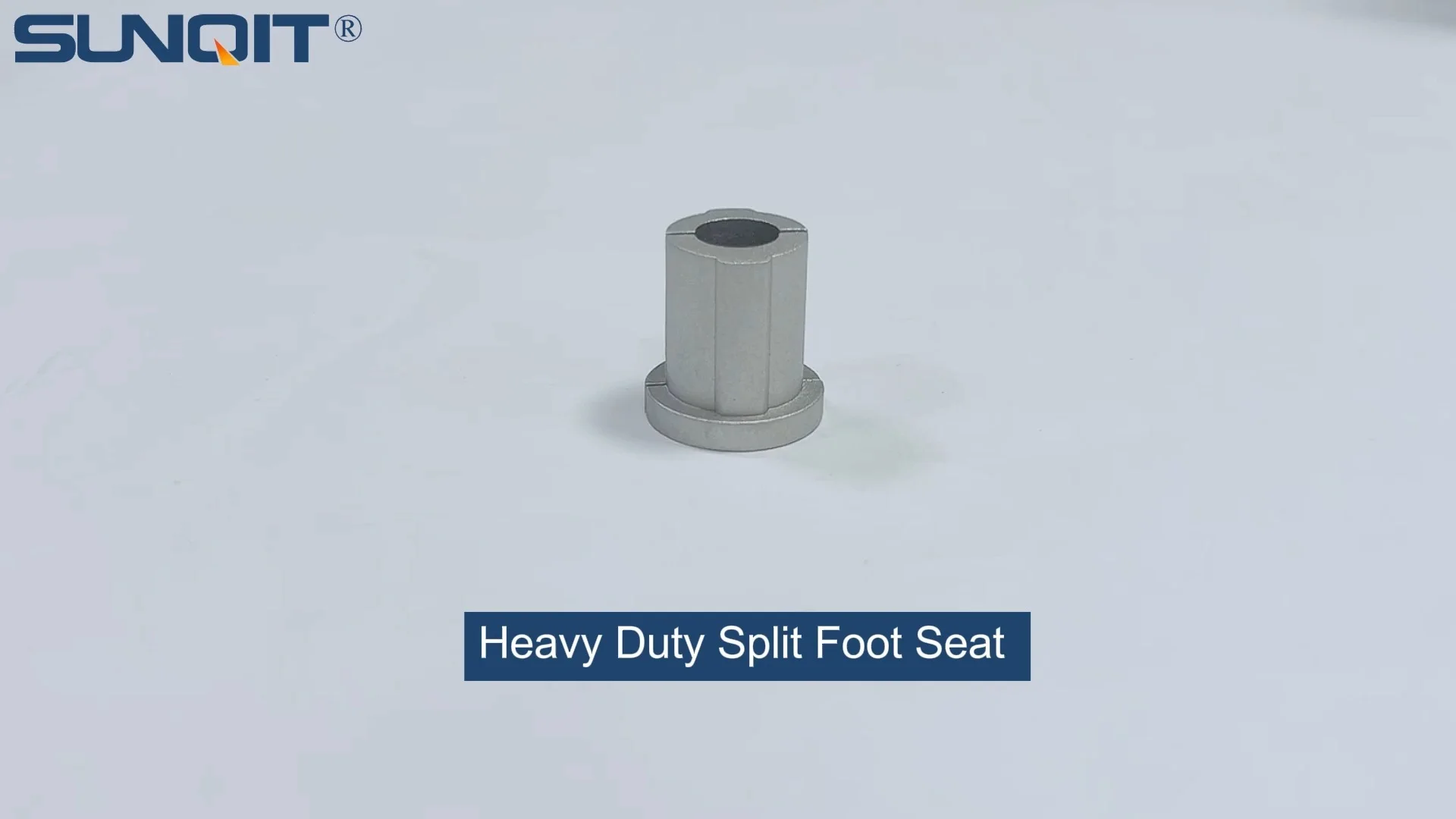
Heavy Duty Split Foot Seat
M10 aluminum heavy duty split foot deat with foot adjuster for workbench and flow rack.
Introduction: The Unsung Backbone of 3C Precision
In the fast-paced world of 3C manufacturing—where smartphones, laptops, and wearables are assembled with microscopic precision—every component of the production line plays a critical role. From high-tech robotic arms to ultra-fine screwdrivers, the industry's focus often lands on the flashy, high-visibility tools. But if you ask any seasoned plant manager or assembly line worker, they'll tell you: the real heroes are the unsung elements that keep everything stable, aligned, and efficient. Enter the custom heavy duty split foot seat—a humble yet indispensable component that forms the foundation of reliable, precise, and ergonomic assembly workstations.
3C products (communication, computer, and consumer electronics) demand assembly tolerances measured in micrometers. A fraction of a millimeter of instability can lead to misaligned circuit boards, faulty connectors, or even product failures that cost brands millions in recalls and reputational damage. That's where heavy duty split foot seats come in. Designed to anchor workbenches, material racks, and assembly stations to the ground with unwavering stability, these unassuming components are the quiet guardians of quality in an industry where perfection is non-negotiable.
But not all foot seats are created equal. Off-the-shelf solutions often fall short in 3C environments, where workstations are customized to fit unique assembly processes, varying worker heights, and specific load requirements. This is why custom heavy duty split foot seats have become a cornerstone of modern 3C manufacturing facilities. In this article, we'll explore how these tailored solutions address the industry's most pressing challenges, from precision and ergonomics to durability and adaptability. We'll dive into their design, customization options, and real-world impact—proving that even the smallest components can make the biggest difference in a high-stakes production line.
The Unique Challenges of 3C Assembly: Why One-Size-Fits-All Solutions Fall Short
To understand why custom heavy duty split foot seats are essential, we first need to unpack the unique hurdles that 3C assembly lines face. Unlike automotive or appliance manufacturing, where components are larger and tolerances are more forgiving, 3C production is a masterclass in miniaturization and precision. Let's break down the key challenges:
1. Microscopic Precision, Macroscopic Consequences —A typical smartphone contains over 3,000 individual components, many smaller than a grain of rice. Assembling these requires workstations that remain perfectly stable, even as workers apply pressure with tools or maneuver delicate parts. A wobbly bench can cause a soldering iron to drift, a connector to misalign, or a screw to strip—errors that aren't just costly but can render an entire device inoperable.
2. Ergonomic Diversity —3C assembly lines employ workers of varying heights, and tasks range from standing (for assembly) to seated (for quality inspection). Workstations must adjust to these needs, but height adjustability means nothing if the base isn't stable. A foot seat that can't support the workstation at different heights risks tipping or shifting, putting workers at risk of injury and compromising product quality.
3. Heavy Loads, Lightweight Designs —Modern assembly stations integrate tools, monitors, and material racks, all of which add weight. A single workbench might hold 50kg of equipment, while a material rack could support hundreds of kilograms of components. Standard foot seats often buckle under these loads, leading to gradual (settling) that throws alignment off over time.
4. Harsh Manufacturing Environments —3C facilities are busy, high-traffic spaces. Spills, dust, and constant movement of carts and equipment mean foot seats must withstand corrosion, impact, and wear. Cheap plastic or thin metal foot seats degrade quickly, leading to frequent replacements and unplanned downtime.
5. Rapidly Evolving Production Lines —3C product cycles are shorter than ever. A factory might reconfigure its assembly line every 6–12 months to accommodate a new phone model or laptop design. Fixed, non-customizable foot seats make reconfiguration slow and costly, as workers must either modify existing setups or replace them entirely.
These challenges aren't just theoretical—they're daily realities for 3C manufacturers. In one case, a leading smartphone brand reported a 12% increase in rework rates after switching to a cheaper, generic foot seat for its assembly workbenches. The root cause? The seats couldn't handle the vibration from pneumatic tools, leading to micro-shifts in the workbench. The solution? Custom heavy duty split foot seats engineered to dampen vibration and support dynamic loads. It's stories like these that highlight why customization isn't a luxury in 3C assembly—it's a necessity.

What Are Custom Heavy Duty Split Foot Seats? A Closer Look at Design and Function
At first glance, a heavy duty split foot seat might look like a simple metal block—but its design is anything but basic. These components are engineered to address the specific stability and adaptability needs of 3C assembly, with features that set them apart from generic alternatives. Let's break down their core components and how they work:
The "Split" Design —The term "split" refers to the seat's two-part construction: a fixed base plate and an adjustable top plate. This split allows for micro-adjustments in height and leveling, even after the workstation is assembled. If the factory floor is uneven (a common issue in older facilities), workers can tweak the top plate to ensure the workbench remains perfectly level. This is critical for tasks like screen mounting or circuit board soldering, where even a 1° tilt can lead to misalignment.
Material Matters —Custom heavy duty split foot seats are typically made from high-grade materials like cast iron, stainless steel, or aluminum alloy. Cast iron offers unmatched stability and vibration dampening, making it ideal for workstations with heavy tools. Stainless steel resists corrosion, perfect for cleanrooms or environments with frequent cleaning. Aluminum alloy, while lighter, is strong enough for most applications and is often used when weight reduction is a priority (e.g., for mobile workstations paired with caster wheels).
Load-Bearing Capacity —Customization starts with load capacity. Suppliers work with manufacturers to determine the maximum weight a foot seat will need to support, then engineer the seat's thickness, base size, and fastening points accordingly. A standard custom foot seat might support 200–500kg per unit, while heavy-duty models can handle over 1,000kg—enough to support a fully loaded material rack or a workstation with multiple tools.
Adjustable Leveling Feet Integration —Many custom split foot seats come with built-in adjustable leveling feet, which are threaded components that extend or retract to fine-tune height. These feet are often made from hardened steel with rubber or polyurethane tips to grip the floor and reduce vibration. In 3C assembly, where precision is key, this adjustability ensures the workstation remains level even as the floor shifts slightly over time or under heavy loads.
Mounting Flexibility —Custom foot seats are designed to attach seamlessly to different workstation frames, whether they're made from aluminum profile, steel tubing, or wood. This flexibility means they can be retrofitted onto existing setups or integrated into new lean system configurations. For example, a foot seat might feature pre-drilled holes to match the T-slots of an aluminum profile workbench, making installation quick and secure.
In short, custom heavy duty split foot seats are precision-engineered to be the stable, adaptable foundation that 3C assembly lines need. They're not just "feet"—they're integrated solutions that address load, adjustability, durability, and compatibility with the rest of the production ecosystem.

Customization Options: Tailoring to Your 3C Assembly Needs
The true power of custom heavy duty split foot seats lies in their adaptability. No two 3C assembly lines are identical, and a one-size-fits-all approach simply won't cut it. Suppliers offer a range of customization options to ensure the foot seats align with your specific workflow, equipment, and environment. Below is a breakdown of the most common customization features, along with their benefits for 3C manufacturing:
| Customization Aspect | Available Options | Benefits for 3C Assembly |
|---|---|---|
| Load Capacity | 200kg, 500kg, 1000kg, or custom (up to 2000kg) | Supports heavy tools, material racks, and equipment without (settling) or shifting. |
| Material | Cast iron, stainless steel, aluminum alloy | Cast iron for vibration dampening; stainless steel for corrosion resistance; aluminum for lightweight flexibility. |
| Height Adjustment Range | 0–50mm, 50–100mm, or custom | Accommodates uneven floors and ergonomic workstation height adjustments. |
| Base Size & Shape | Square (100x100mm, 150x150mm), rectangular, or custom | Larger bases distribute weight better, reducing floor pressure and improving stability. |
| Top Plate Design | Flat, threaded holes, T-slot compatible (for aluminum profile) | Easy integration with existing workbenches or lean system components like flow racks. |
| Anti-Vibration Features | Rubber/polyurethane pads, spring-loaded cores | Reduces tool vibration transfer to the workbench, critical for precision tasks like soldering. |
| Finish | Powder-coated (custom colors), galvanized, anodized (aluminum) | Matches factory aesthetics, resists scratches and corrosion. |
Let's take a practical example: A manufacturer producing smartwatches needs workstations for both assembly (standing) and quality control (seated). The assembly workbench holds a 30kg pneumatic screwdriver, a monitor, and a small parts bin (total load: 80kg). The quality control bench is lower, with a microscope and lighter tools (load: 40kg). For the assembly bench, they'd opt for a cast iron split foot seat with a 200kg capacity, 50–100mm height adjustment, and anti-vibration pads to dampen screwdriver noise. For the QC bench, an aluminum alloy seat with a 100kg capacity and 0–50mm adjustment would suffice, keeping the setup lightweight and easy to reposition if needed.
Another example: A factory with uneven concrete floors installing new material racks (3 rows, 3 floors) to hold smartphone components. The racks weigh 300kg when fully loaded. The solution? Custom stainless steel split foot seats with a 500kg capacity, a 150x150mm base for stability, and a 100mm height adjustment range to level the racks across the uneven floor. The top plate is drilled with holes to bolt directly to the rack's aluminum profile frame, ensuring a secure fit that won't loosen over time.
Customization isn't just about specs—it's about solving specific problems. Suppliers work closely with manufacturers to conduct on-site assessments, analyze workflow data, and even test prototypes under real production conditions. This collaborative approach ensures the foot seats don't just fit the workstation but enhance the entire assembly process.

Integration with Lean Systems: Making Every Inch of the Factory Floor Count
3C manufacturers are increasingly adopting lean manufacturing principles to eliminate waste, improve efficiency, and reduce costs. Lean systems focus on streamlining workflows, minimizing inventory, and maximizing flexibility—goals that custom heavy duty split foot seats support seamlessly. Here's how these components integrate with key lean tools and practices:
Workbench Optimization —Lean workbenches are designed to keep tools and materials within easy reach, reducing worker movement and fatigue. Custom split foot seats ensure these workbenches are stable and adjustable, allowing for "5S" organization (Sort, Set in Order, Shine, Standardize, Sustain). For example, a workbench with split foot seats can be precisely positioned to align with a flow rack, ensuring components glide smoothly from storage to assembly without manual lifting. The foot seats' leveling feature also means the workbench surface remains flat, preventing tools from rolling off and reducing clutter.
Material Racks and Flow Racks —Lean systems rely on just-in-time (JIT) inventory, so material racks must be positioned close to assembly lines. Custom foot seats enable racks to be placed in tight spaces without sacrificing stability. A material rack with split foot seats can be bolted to the floor or left freestanding, depending on whether the line needs to reconfigure quickly. For example, a 3-row, 3-floor material rack holding delicate camera modules needs to stay upright and level to prevent damage. Split foot seats with high load capacity and anti-slip pads ensure the rack remains stable even when workers are loading or unloading components.
Mobile vs. Stationary Setups —Lean manufacturing balances stability with flexibility. Some workstations need to stay fixed (e.g., precision assembly), while others (e.g., material transport) need mobility. Custom split foot seats bridge this gap: stationary workstations use bolt-down foot seats for permanence, while mobile carts use removable foot seats that can be swapped with caster wheels when movement is needed. This hybrid approach lets factories reconfigure lines quickly for new products without rebuilding entire workstations.
Continuous Improvement (Kaizen) —Kaizen, the practice of continuous improvement, often involves small tweaks to workflows. Custom foot seats make these tweaks easier. If workers suggest raising a workbench by 20mm to reduce shoulder strain, the foot seats' adjustable leveling feet can be extended without replacing the entire workstation. If a line is rebalanced to reduce bottlenecks, the foot seats allow workbenches to be repositioned and leveled in hours, not days.
Waste Reduction —Poorly designed foot seats lead to waste: wasted time on rework (due to instability), wasted money on replacements (due to premature wear), and wasted space (due to bulky, non-customizable designs). Custom split foot seats minimize these wastes by lasting longer, fitting into tight spaces, and reducing the need for frequent replacements. In one case study, a 3C manufacturer reported a 25% reduction in workstation-related waste after switching to custom foot seats, thanks to fewer breakdowns and faster reconfigurations.
The integration of custom heavy duty split foot seats with lean systems isn't just about hardware—it's about creating a production environment that adapts to change. In an industry where product designs and market demands shift rapidly, this adaptability is key to staying competitive. By ensuring stability, adjustability, and compatibility with lean tools, split foot seats help 3C manufacturers make every inch of the factory floor count.
Case Study: How Custom Split Foot Seats Solved a 3C Manufacturer's Quality Crisis
In 2023, a leading global manufacturer of wireless earbuds faced a crisis: its defect rate had spiked to 8%—well above the industry average of 2–3%—and customer complaints about connectivity issues were rising. The root cause, after weeks of investigation, pointed to the assembly workstations. The factory had recently replaced its old, worn foot seats with a cheaper, generic brand to cut costs. The result? Workbenches were shifting slightly during assembly, causing misalignment in the earbuds' internal antennae—a tiny error that led to poor Bluetooth reception.
The manufacturer turned to a custom foot seat supplier for help. The supplier conducted an on-site assessment, measuring workbench vibration, floor unevenness, and load distribution. They discovered three key issues: the generic foot seats couldn't handle the vibration from automated screwdrivers, their small base size caused the workbenches to rock on uneven floors, and their plastic tips were wearing down, leading to gradual (settling).
The solution? Custom heavy duty split foot seats with the following features:
- Cast iron construction to dampen screwdriver vibration
- 150x150mm base plates to distribute weight and reduce rocking
- Hardened steel adjustable leveling feet with polyurethane tips for grip and durability
- Threaded top plates to bolt directly to the workbenches' aluminum profile frames
The new foot seats were installed on 40 assembly workstations over a weekend to minimize downtime. Within two weeks, the defect rate dropped to 2.5%—a 69% improvement. Workers reported less fatigue, as the stable workbenches reduced the need to reposition components. The manufacturer also noted that the foot seats' durability meant they wouldn't need replacements for at least 5 years, offsetting the initial cost premium over generic seats.
Today, the manufacturer has standardized on custom split foot seats for all new assembly lines, citing improved quality, reduced waste, and better worker satisfaction as key benefits. As the plant manager put it: "We used to think foot seats were just metal blocks. Now we realize they're the foundation of our quality control system."
The Future of Custom Heavy Duty Split Foot Seats: Innovation in Stability
As 3C manufacturing continues to evolve—with trends like automation, AI-driven quality control, and sustainable production gaining momentum—custom heavy duty split foot seats are evolving too. Here are three innovations shaping the future of these critical components:
Smart Monitoring —Imagine a foot seat with built-in sensors that track load, vibration, and leveling in real time. If a workbench starts to (settle) or a foot seat's load exceeds its capacity, the sensor sends an alert to the factory's IoT system, triggering maintenance before a defect occurs. Early adopters are testing these "smart" foot seats, and initial results show they reduce unplanned downtime by up to 30% by predicting failures before they happen.
Sustainable Materials —3C manufacturers are under pressure to reduce their carbon footprint, and suppliers are responding by developing eco-friendly foot seat options. Recycled stainless steel and aluminum are becoming more common, and some companies are experimenting with bio-based composites for non-load-bearing components. These materials don't sacrifice performance—recycled stainless steel has the same corrosion resistance as virgin steel—while reducing reliance on raw materials.
Modular Design —To keep up with rapid production line reconfigurations, modular split foot seats are emerging. These seats feature interchangeable components (e.g., different base sizes, adjustment ranges, or mounting plates) that can be swapped out without replacing the entire seat. A factory could, for example, switch from a cast iron base to an aluminum base if a workstation needs to be made mobile, or adjust the height range by swapping the leveling foot—all in minutes, not hours.
These innovations reflect a broader trend in manufacturing: even the most "basic" components are becoming smarter, more sustainable, and more adaptable. For 3C manufacturers, this means foot seats will play an even bigger role in ensuring precision, efficiency, and resilience in the years to come.
Conclusion: The Foundation of Precision, the Key to Success
Custom heavy duty split foot seats may not grab headlines, but they're the quiet achievers of 3C assembly lines. In an industry where a fraction of a millimeter can mean the difference between a flawless smartphone and a costly recall, these components provide the stability, adaptability, and durability that manufacturers need to thrive. From supporting heavy loads and dampening vibration to integrating with lean systems and enabling rapid reconfigurations, custom split foot seats are more than just "feet"—they're the foundation of precision.
As 3C products grow more complex and production cycles shorter, the demand for tailored solutions will only increase. Manufacturers that invest in custom foot seats aren't just buying a component—they're investing in quality, efficiency, and worker satisfaction. They're recognizing that in manufacturing, as in architecture, a strong foundation is the first step toward building something exceptional.
So the next time you pick up your smartphone or laptop, take a moment to appreciate the precision that went into its assembly. Behind that sleek design and seamless performance is a network of components working in harmony—including the custom heavy duty split foot seats that kept everything stable, aligned, and ready to deliver perfection. In the world of 3C manufacturing, sometimes the smallest parts make the biggest impact.