- Company Articles
- Products and Technology
- Product knowledge
- Custom Hole Patterns in Aluminum Side Guards: Integration with Lean Tube Systems

Custom Hole Patterns in Aluminum Side Guards: Integration with Lean Tube Systems
Related Product
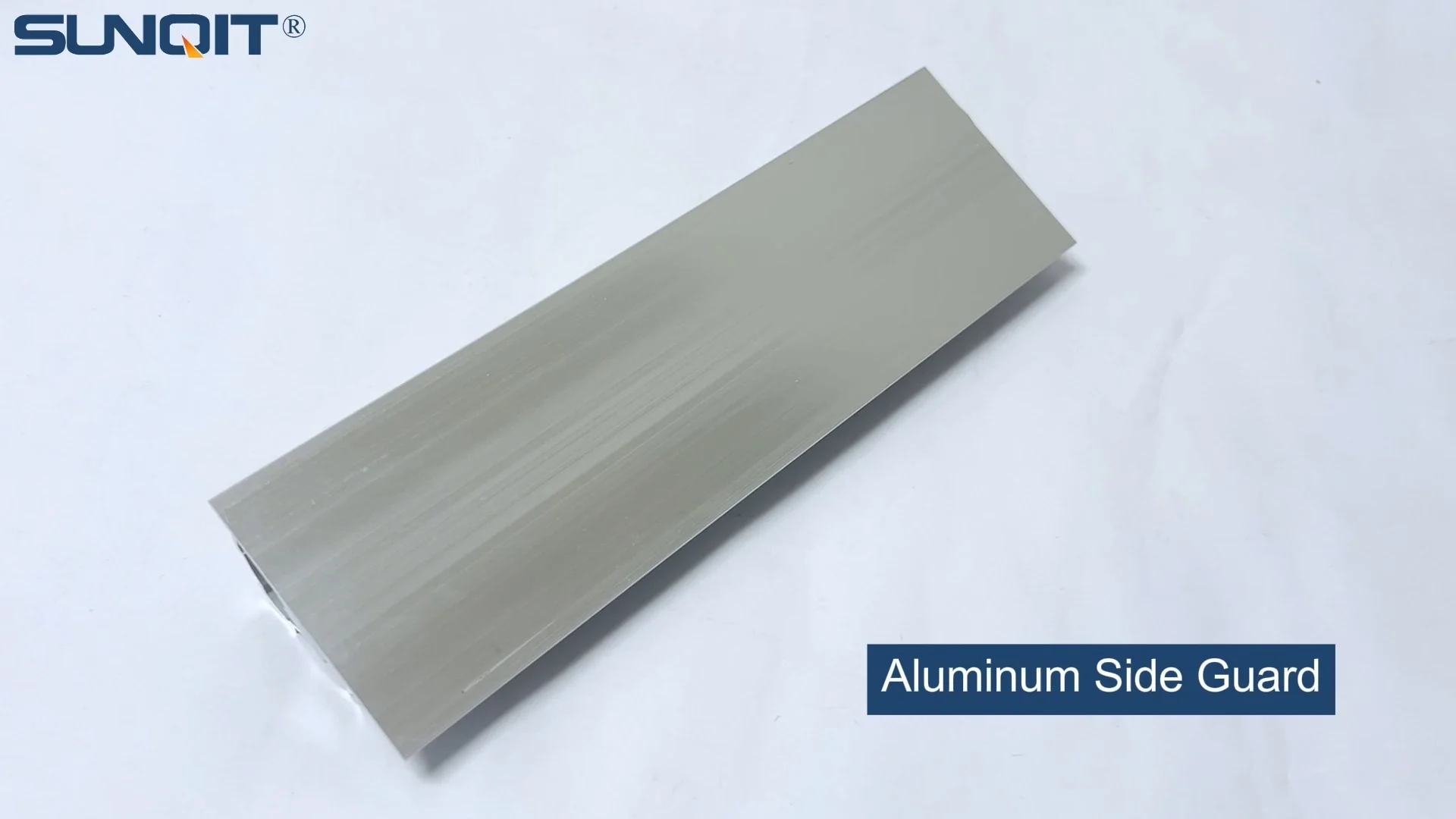
Aluminum Side Guard
Aluminum side guard, it works with a aluminum pipe or a roller track as side guard to prevent material drop,or move to wrong direction.
Walk into any modern manufacturing facility, and you'll quickly spot the pulse of productivity: assembly lines humming, materials flowing, and teams collaborating to meet deadlines. But beneath that rhythm often lies a hidden challenge: rigid, one-size-fits-all equipment that struggles to keep up with shifting production needs. What if there was a way to make those workbenches, flow racks, and material handlers as adaptable as the teams using them? Enter custom hole patterns in aluminum side guards—a small design detail with a massive impact on lean manufacturing systems. When paired with aluminum lean pipe and lean tube systems, these precision-engineered components transform static workspaces into dynamic, responsive environments where efficiency isn't just a goal—it's built into the structure.
In this article, we'll explore how custom hole patterns in aluminum side guards are redefining modularity in manufacturing. We'll break down their design, why aluminum is the material of choice, and how they seamlessly integrate with lean tube systems to solve real-world workflow problems. Whether you're setting up a new workbench, optimizing a flow rack, or overhauling your entire production line, understanding these components could be the key to unlocking the next level of efficiency in your operations.
What Are Custom Hole Patterns in Aluminum Side Guards?
At first glance, aluminum side guards might seem like simple structural elements—just metal panels attached to workbenches, racks, or trolleys to contain materials or shield workers. But when engineered with custom hole patterns, they become something far more powerful: a canvas for modularity. Custom hole patterns are precisely placed, uniformly sized openings drilled into the aluminum surface during manufacturing, designed to accommodate specific accessories, fasteners, or adjustments without the need for on-site drilling, welding, or modification.
The magic is in the details. These holes aren't random; they're the result of careful engineering. Manufacturers consider factors like load capacity (will the holes weaken the guard under heavy weights?), accessory compatibility (do they align with standard aluminum profile accessories like brackets or clips?), and spacing (how far apart should holes be to allow for fine-tuned adjustments?). For example, a side guard used on a workbench might feature 10mm diameter holes spaced 50mm apart along its length, while one designed for a heavy-duty flow rack could have larger 12mm holes with reinforced edges to support heavier rollers or guides.
This precision matters. Imagine a scenario where a production team needs to reposition a tool holder on their workbench to reduce reach time. With traditional side guards, that would mean grabbing a drill, measuring (and re-measuring) the spot, and hoping the hole doesn't crack the material. With custom pre-drilled patterns, it's as simple as sliding the holder into the nearest set of holes and securing it with a bolt or clip. No guesswork, no delays, no damage to the guard itself. That's the difference between a static workspace and one that adapts to your team's needs in minutes.
Why Aluminum? The Material Behind the Innovation
Custom hole patterns are powerful, but their effectiveness hinges on the material they're built into—and aluminum is a game-changer here. While steel or plastic might seem like viable alternatives, aluminum (especially aluminum lean pipe) offers a unique blend of properties that make it ideal for lean manufacturing environments.
First, aluminum is lightweight without sacrificing strength. A typical aluminum side guard weighs 30-50% less than a steel equivalent, making it easier to handle during assembly, reconfiguration, or transport. This is a big deal for teams that need to move workbenches or flow racks to adapt to new production layouts—no heavy machinery required, just a few people and a clear plan. Yet despite its lightness, aluminum holds up under pressure: it resists bending and warping even when supporting tools, materials, or equipment, ensuring the hole patterns remain aligned and functional over time.
Durability is another win. Manufacturing floors are tough environments—oils, coolants, and occasional moisture are par for the course. Aluminum's natural resistance to corrosion means side guards won't rust or degrade, even in humid or wet conditions. Compare that to steel, which requires regular painting or coating to prevent rust, or plastic, which can crack or warp under extreme temperatures. For facilities aiming for long-term reliability, aluminum's low-maintenance nature translates to lower replacement costs and less downtime.
Finally, aluminum is inherently compatible with lean principles. Lean manufacturing thrives on minimizing waste—whether that's time, materials, or energy. Aluminum is 100% recyclable, and its lightweight nature reduces energy use during transportation and installation. When paired with aluminum lean pipe, which is itself a staple of modular lean systems, it creates a closed-loop of sustainability: components can be disassembled, reused, or recycled at the end of their life, aligning with eco-friendly manufacturing goals.

Integration with Lean Tube Systems: A Match Made in Efficiency
Lean tube systems—often built with aluminum lean pipe, joints, and accessories—are the backbone of modern modular manufacturing. Their core principle is simple: create flexible, tool-less structures that can be assembled, disassembled, and reconfigured to support changing production needs. Custom hole patterns in aluminum side guards don't just fit into this ecosystem; they amplify its strengths.
Let's start with the basics of lean tube systems. Traditional manufacturing setups rely on fixed, welded steel structures that are expensive to modify. Lean tube systems flip that script: they use lightweight pipes (like aluminum lean pipe) connected by friction-fit joints, allowing teams to build workbenches, flow racks, or trolleys in hours, not days. But even the most modular systems hit a wall when it comes to attaching secondary components—until now. Custom hole patterns in side guards act as connection points that extend the system's flexibility beyond the pipes themselves.
Here's how it works: Aluminum side guards are mounted to the frame of a lean tube structure (say, a workbench or flow rack) using standard lean tube joints. The pre-drilled holes then serve as anchor points for aluminum profile accessories—think brackets for tool holders, clips for cable management, or guides for roller tracks. Because the holes are precision-engineered, these accessories fit perfectly without slippage or misalignment. For example, a flow rack designed to transport small electronic components might use side guards with holes spaced to accommodate plastic roller track guide rails (yellow or grey, depending on the facility's color-coding system). The rails snap into the holes, creating a smooth path for materials to glide from one workstation to the next—no adhesives, no welding, just secure, tool-less assembly.
This integration also fosters scalability. As production demands grow, teams can add new accessories or extend existing structures by simply adding more side guards with matching hole patterns. A workbench that starts with a single tool holder can later add a monitor arm, a bin for parts, and a cable tray—all using the same pre-drilled holes. It's like building with LEGOs for adults: the system grows with your needs, not against them.

The Benefits: Beyond Just Holes
Custom hole patterns in aluminum side guards aren't just a convenience—they deliver tangible, bottom-line benefits that resonate across the entire manufacturing process. Let's break down the most impactful ones:
Adaptability to Changing Needs
Manufacturing isn't static. Product designs change, order volumes fluctuate, and new technologies (like automated tools or IoT sensors) get integrated into workflows. Custom hole patterns ensure your infrastructure keeps pace. A workbench used for assembling smartphones today can be reconfigured next month to assemble tablets by adjusting the height of its side guards, adding new tool mounts, or even attaching a small conveyor—all without modifying the guards themselves. This adaptability reduces the need to invest in entirely new equipment, saving both money and space.
Time and Cost Savings
On-site modifications are expensive. Every minute a team spends drilling holes, welding brackets, or repairing damaged equipment is a minute they're not adding value to products. Custom pre-drilled side guards eliminate this waste. According to industry estimates, facilities using modular components with pre-drilled patterns reduce setup and reconfiguration time by up to 40% compared to traditional systems. That's hours saved per week, which adds up to significant labor cost reductions over time.
Enhanced Safety
Loose tools, misaligned rollers, or unstable accessories are common safety hazards in manufacturing. Custom hole patterns mitigate these risks by ensuring accessories fit securely. A tool holder bolted into pre-drilled holes won't slide off during use, and a roller track mounted via reinforced holes won't collapse under heavy loads. Additionally, aluminum's smooth, burr-free edges (a result of precision manufacturing) reduce the risk of cuts or scrapes, making workspaces safer for operators.
Improved Workflow Visualization
Lean manufacturing emphasizes visual management—using colors, labels, and layout to make workflows intuitive. Custom hole patterns support this by allowing teams to standardize accessory placement. For example, all workbenches in a facility might use the 5th hole from the left to mount a red emergency stop button, or the 3rd hole to attach a green "in-progress" bin. This consistency reduces training time for new employees and minimizes errors, as everyone knows exactly where tools and materials should be placed.
Real-World Applications: From Workbench to Flow Rack
To understand the impact of custom hole patterns, let's look at two common applications: workbenches and flow racks. These are the workhorses of manufacturing, and they're where the flexibility of aluminum side guards shines brightest.
Workbench Optimization
Workbenches are the command centers of production lines, where operators spend hours assembling, testing, or inspecting products. A poorly designed workbench can lead to fatigue, errors, and lost productivity. Custom hole patterns transform these spaces into ergonomic, personalized stations. For example, consider a workbench E (single deck, without casters) used in electronics assembly. Its aluminum side guards feature holes spaced 25mm apart to accommodate a variety of accessories: a monitor arm at eye level to display assembly instructions, a magnetic tool strip at waist height for screwdrivers and pliers, and a series of small bins for different-sized screws and components.
What makes this setup powerful is adjustability. If an operator is taller than average, they can move the monitor arm up by a few holes to avoid straining their neck. If a new product requires additional tools, they can add a second tool strip using the next set of holes. Over time, the workbench evolves with the team, not the other way around. Even better, because the side guards are made of aluminum, they're resistant to the oils, solvents, and static electricity common in electronics manufacturing—unlike plastic guards, which can degrade or build up charge.
Flow Rack Efficiency
Flow racks are the arteries of material handling, ensuring components move smoothly from storage to assembly. Traditional flow racks often suffer from jams, misaligned rollers, or fixed configurations that can't adapt to different material sizes. Custom hole patterns solve these issues by making roller track installation and adjustment a breeze. Take a material rack B (3 rows, 3 floors) used in automotive parts distribution. Its aluminum side guards feature holes sized to fit roller track placon mounts—specialized brackets that secure roller tracks to the rack. By aligning the mounts with different holes, teams can adjust the angle of the tracks (steeper for heavier parts, gentler for delicate items) or swap out roller types (steel wheels for durability, plastic ESD wheels for static-sensitive components).
This flexibility is a game-changer for facilities handling multiple product lines. A flow rack that once transported small plastic parts can, in minutes, be reconfigured to handle metal components by swapping plastic roller track guide rails (yellow) for sturdier aluminum guide rails (type A or B). No need to replace the entire rack—just adjust the accessories using the pre-drilled holes. It's efficiency in action.
Aluminum Profile Accessories: The Perfect Partners
Custom hole patterns in side guards are only as useful as the accessories they support. Fortunately, the market for aluminum profile accessories is robust, with hundreds of components designed to work seamlessly with pre-drilled systems. Let's highlight a few key players:
- Roller Track Connectors: These small but critical components link roller tracks to side guards via pre-drilled holes, ensuring smooth material flow. Options like roller track placon mounts for aluminum profile flat or high surfaces adapt to different rack designs.
- Tool Holders and Brackets: From simple hooks for wrenches to adjustable arms for power tools, these accessories mount directly into side guard holes, keeping tools within arm's reach and off the work surface.
- Cable Management Clips: Manufacturing workspaces are full of cords—for tools, monitors, and sensors. Clips that snap into pre-drilled holes keep cables organized and prevent tripping hazards.
- Label Holders: Clear plastic or metal holders that attach to side guards, displaying part numbers, assembly instructions, or safety warnings. They're easily swapped out when products change.
- Stops and Bumpers: Rubber or plastic stops mounted in holes at the end of flow racks to prevent materials from sliding off, adding an extra layer of safety.
The best part? Most of these accessories are interchangeable across brands, as long as the hole patterns match. This means facilities aren't locked into a single supplier—they can mix and match components to find the best fit for their needs.
Case Study: Transforming a Mid-Sized Electronics Plant
To put this all into context, let's consider a hypothetical (but realistic) case study. A mid-sized electronics manufacturer was struggling with bottlenecks in their circuit board assembly line. Their workbenches were fixed steel structures with welded tool holders, and their flow racks used plastic side guards that cracked when operators tried to adjust roller positions. Changeovers for new product models took 4 hours, and employee turnover was high due to ergonomic complaints.
The solution? They replaced their steel workbenches with aluminum lean pipe frames fitted with custom hole pattern side guards (10mm holes, 50mm spacing) and upgraded their flow racks with matching aluminum guards. They also invested in a set of aluminum profile accessories: monitor arms, adjustable tool holders, and plastic roller track guide rails (grey, to match their facility's color scheme).
The results were striking: Changeover time dropped from 4 hours to 45 minutes, as teams could now reposition tools and rollers using the pre-drilled holes instead of welding or drilling. Ergonomic complaints decreased by 60%, as operators adjusted monitor heights and tool positions to fit their bodies. And because the aluminum side guards were lighter, the team could rearrange the entire assembly line overnight to accommodate a surge in orders—something that would have taken days with the old steel setup.
Conclusion: Building the Future of Lean Manufacturing
Custom hole patterns in aluminum side guards might seem like a small detail, but in the world of lean manufacturing, details are everything. They represent a shift from "good enough" to "exactly right"—from static workspaces that resist change to dynamic systems that embrace it. When paired with aluminum lean pipe, lean tube systems, and aluminum profile accessories, these components create environments where efficiency, adaptability, and safety aren't just buzzwords—they're built into every hole, every joint, and every accessory.
As manufacturing continues to evolve—with shorter product lifecycles, higher customization demands, and a focus on sustainability—the need for modular, flexible infrastructure will only grow. Custom hole patterns in aluminum side guards are more than a trend; they're a foundation for the future of production. They remind us that the most powerful innovations aren't always the flashiest—sometimes, they're the ones that let your team do what they do best: create, adapt, and thrive.
So, the next time you walk through your facility, take a look at your workbenches and flow racks. Are they holding your team back, or empowering them to excel? With custom aluminum side guards, the answer could be just a few holes away.