- Company Articles
- Products and Technology
- Solution
- Custom Lean Pipe Clamp Chrome Solutions for Unique Manufacturing Needs

Custom Lean Pipe Clamp Chrome Solutions for Unique Manufacturing Needs
Related Product
Lean Pipe Clamp Chrome
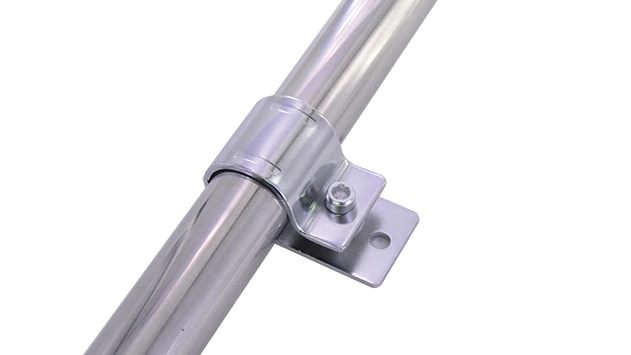
Lean pipe clamp is used for rack system hang monitor or other panel for workbenck, flowrack in production daily use.
Walk into any manufacturing facility, and you'll quickly notice one thing: no two workspaces are alike. A small electronics plant assembling circuit boards has different needs than a heavy machinery shop fabricating engine parts. A pharmaceutical packaging line prioritizes sterility, while a warehouse handling bulk goods focuses on speed and durability. Yet, for decades, many of these facilities have been forced to rely on "one-size-fits-all" equipment—generic workbenches that don't quite fit the assembly line, flow racks that waste precious floor space, or conveyor systems that create bottlenecks instead of smoothing workflows. The result? Frustrated teams, wasted time, and productivity that never quite hits the mark.
But what if there was a better way? What if your manufacturing setup could be as unique as your operation—built to fit your space, your products, and your team's specific rhythm? That's where custom lean pipe clamp chrome solutions come in. More than just a collection of parts, these systems are the backbone of adaptable, efficient workspaces that grow with your business. In this article, we'll dive into why generic equipment falls short, how lean pipe clamp chrome transforms manufacturing floors, and how partnering with the right lean system supplier can turn your unique challenges into your biggest strengths.
The Problem with "One-Size-Fits-All" in Manufacturing
Let's start with a scenario many manufacturing managers know all too well: You've just invested in a new flow rack for your assembly line. The catalog promised it was "versatile" and "fits most operations." But when it arrives, you realize the shelves are 6 inches too deep for your products, leaving gaps that collect dust (and misplaced tools). The height is off, too—your tallest team member hunches to reach the top shelf, while your shortest struggles to load the bottom one. worse, the rack's fixed width blocks the path to the conveyor, forcing workers to take a 20-second detour every time they need to move materials. By the end of the week, what was supposed to boost efficiency has become a daily annoyance.
This isn't just about inconvenience—it's about bottom-line impact. According to the Lean Enterprise Institute, inefficient workspace design can lead to up to 30% of a worker's time being wasted on non-value-adding activities: searching for tools, walking extra steps, adjusting to poorly fitted equipment. Multiply that by a team of 50, and you're losing hundreds of productive hours each month.
The root of the problem? Standardized equipment is designed to appeal to the broadest possible market, not your specific needs. A manufacturer of small medical devices, for example, needs workbenches with ESD (electrostatic discharge) protection to safeguard sensitive components. A furniture maker, on the other hand, needs heavy-duty work surfaces that can handle the weight of raw lumber. A bakery packaging line might require flow racks with food-grade materials, while an auto parts plant needs racks that withstand oil and grease. Standard equipment can't check all these boxes—and trying to make it fit often leads to compromise, not solutions.
Real Pain Point: The Electronics Manufacturer's Dilemma
Consider a mid-sized electronics company that produces custom circuit boards for industrial equipment. Their assembly line requires workers to handle tiny components—resistors, capacitors, microchips—while standing at workbenches for 8-hour shifts. When they first started, they bought standard ESD workbenches from a big-box supplier. The benches were sturdy, but the height was fixed at 36 inches—too low for half their team, leading to back strain. The shelves underneath were spaced 18 inches apart, too wide for their small component bins, which slid around and got mixed up. worst of all, the benches couldn't be adjusted when they added a new automated testing station; instead, they had to rearrange the entire line, losing two days of production.
"We were constantly adapting to the equipment, instead of the equipment adapting to us," says Maria, the plant manager. "It felt like we were working against our own tools."
This is the crux of the issue: Manufacturing is inherently variable. Your product mix changes, your team grows, and new technologies (like automation or IoT sensors) require updates to your workspace. Standard equipment locks you into a static setup, making it hard to pivot when opportunities or challenges arise. Custom lean pipe clamp chrome solutions, by contrast, are built on the principle of flexibility—they adapt to you, not the other way around.
What Are Lean Pipe Clamp Chrome Solutions, Anyway?
At first glance, lean pipe clamp chrome systems might look like simple metal structures—and in a way, that's their beauty. They're made from basic components: lean pipes (often aluminum or steel, coated in durable chrome), lean pipe joints that connect the pipes, and accessories like casters, shelves, or roller tracks. But don't let their simplicity fool you—these parts combine to create almost any structure you can imagine: workbenches, flow racks, conveyor systems, turnover trolleys, even custom material handlers.
The "lean" in lean pipe refers to the lean manufacturing philosophy—eliminating waste, streamlining workflows, and focusing on value. Chrome-plated clamps and joints add durability: they resist corrosion, stand up to heavy use, and maintain a clean, professional look even in tough industrial environments. Unlike painted or plastic components, chrome doesn't chip or fade, ensuring your setup stays functional (and presentable) for years.
But the real magic is in the customization. With lean pipe clamp chrome, you're not limited to pre-designed "models." Instead, you start with a blank canvas: your floor plan, your product dimensions, and your team's input. Need a workbench that's 42 inches high to reduce back strain? A flow rack with adjustable shelves to fit both small and large parts? A mobile cart that can navigate tight aisles? All of this is possible—and more—by mixing and matching pipes, joints, and accessories.
Key Components: The Building Blocks of Customization
To understand how these systems work, let's break down the core components. Think of them as the "Lego blocks" of your manufacturing setup:
- Lean Pipe Clamp Chrome: The heart of the system. These clamps secure pipes together at any angle, creating sturdy connections that can be tightened or loosened as needed. Chrome plating ensures they're rust-resistant and easy to clean—critical for environments like food processing or electronics manufacturing where cleanliness matters.
- Lean Pipe Joint: Available in fixed (e.g., 90°, 45°) or rotating designs, joints let you connect pipes in straight lines, corners, or even complex configurations. A 180° internal rotation lean pipe joint, for example, lets you adjust shelves or work surfaces without disassembling the entire structure.
- Lean Pipes: Typically made from aluminum, steel, or stainless steel, these come in various diameters (like 28mm or 30mm) to support different weights. Aluminum lean pipe is lightweight yet strong, making it ideal for mobile setups, while stainless steel is better for heavy loads or corrosive environments.
- Accessories: The finishing touches that make the system work for you. This includes casters for mobility, roller tracks for smooth material flow, ESD mats for electronics workbenches, and even aluminum profile accessories like guide rails or tool hooks.
From Parts to Productivity: A Simple Example
Imagine you need a workbench for a team assembling small appliances. Here's how the components come together:
1. Start with aluminum lean pipes (lightweight, easy to maneuver) cut to your desired height and width.
2. Use 90° lean pipe joints to connect the legs to the tabletop frame, ensuring stability.
3. Add a flat work surface (like an aluminum honeycomb panel for durability) secured with lean pipe clamps.
4. Attach a small flow rack to one side using 45° joints, with roller tracks to feed components directly to the bench.
5. Finish with casters on the legs so the bench can be moved for deep cleaning or reconfiguration.
The result? A workbench that's exactly the right height, has storage where your team needs it, and can be adjusted later if you add new tools or change the assembly process. No wasted space, no compromises.

Why Custom Lean Pipe Clamp Chrome Solutions Outperform Generic Equipment
Now that we know what these systems are, let's dive into why they're a game-changer for unique manufacturing needs. Here are five key benefits that set them apart from standard equipment:
1. Tailored to Your Space (No More Wasted Square Footage)
Floor space is one of your most valuable assets—and generic equipment often squanders it. A pre-built flow rack might be 6 feet wide when your aisle is only 5.5 feet, forcing you to leave gaps or block walkways. A standard workbench might be too long, cutting off access to a critical machine. With custom lean pipe solutions, every inch is intentional.
For example, a beverage bottling plant in Texas needed a conveyor system to move bottles from the filling line to packaging. The facility had an awkwardly shaped corner between two rooms, and standard conveyors couldn't navigate the tight turn without creating a bottleneck. By using lean pipe clamp chrome and flexible roller tracks, their lean system supplier designed a curved conveyor that hugged the corner, reducing the footprint by 30% and increasing throughput by 15%.
2. Adaptable to Changing Needs (Grow Without Rebuilding)
Manufacturing isn't static. Maybe you're adding a new product line next quarter, or expanding your team by 20 people. With standard equipment, scaling up often means buying all-new systems. With lean pipe clamp chrome, you can simply reconfigure what you have. Need to add a shelf to your workbench? Swap out a fixed joint for an adjustable one. Want to extend your flow rack? Add a few more pipes and clamps. It's like upgrading your phone with a new case instead of buying a whole new device.
Take the example of a furniture manufacturer that started with a small line of chairs and later added tables. Their original workbench, built with lean pipe, was easily extended by 2 feet using extra pipes and parallel lean pipe joints. No need for a new bench—just a few hours of reconfiguration. "We saved over $5,000 by not buying new equipment," says the operations manager. "That's money we could reinvest in our team."
3. Ergonomic by Design (Happy Teams = Productive Teams)
Repetitive strain injuries (RSIs) cost manufacturers billions each year in lost workdays and workers' compensation claims. A big culprit? Poorly designed workspaces. A workbench that's too low forces bending; a flow rack that's too high causes shoulder strain. Custom lean pipe systems let you prioritize ergonomics from the start.
For instance, a medical device manufacturer in California worked with their lean system supplier to design adjustable-height workbenches. Using vertical lean pipe joints, each bench could be raised or lowered by up to 12 inches, letting team members set it to their ideal height. Within six months, RSI reports dropped by 40%, and employee satisfaction scores rose significantly. "It sounds small, but being able to adjust my bench to fit me—instead of the other way around—made a huge difference in how I felt at the end of the day," says one assembly technician.
4. Cost-Effective in the Long Run (ROI That Adds Up)
It's true: Custom solutions often have a higher upfront cost than off-the-shelf equipment. But here's the thing: They pay for themselves. By reducing waste (time, space, materials), improving productivity, and avoiding the need to replace equipment every few years, lean pipe clamp chrome systems deliver a strong return on investment (ROI).
5. Quick to Install and Modify (Minimal Downtime)
Shutting down production for days to install new equipment is a nightmare for any manufacturer. Lean pipe clamp chrome systems solve this with their "tool-less" assembly. Most joints and clamps can be tightened by hand or with a simple wrench, meaning your team (or your supplier) can build or reconfigure structures in hours, not days.
A automotive parts supplier in Michigan recently needed to add a new quality control station to their assembly line. Using lean pipe clamp chrome, their supplier designed a mobile workbench with integrated testing tools. The entire setup was built offsite, delivered, and installed in just 4 hours—during a lunch break and shift change. No production time lost, no disruption to the team's rhythm.
Partnering with a Lean System Supplier: Beyond Parts, Toward Solutions
You might be thinking, "This all sounds great, but how do I actually design a custom system?" That's where partnering with a reputable lean system supplier comes in. These aren't just vendors selling parts—they're problem-solvers who take the time to understand your operation, your goals, and your pain points.
A good lean system supplier will walk you through a four-step process:
- Consultation: They'll visit your facility, measure your space, and talk to your team. What's working? What's not? What are your short-term (6 months) and long-term (2-3 years) goals? For example, if you're planning to automate part of your line, they'll design a system that can integrate with future robots.
- Design: Using 3D modeling or sketches, they'll create a custom layout tailored to your needs. They'll share renderings and get your feedback—making adjustments until it feels right. This is where you'll see your vision take shape: "What if we add a roller track here to feed parts faster?" or "Can we make the workbench mobile for cleaning days?"
- Prototyping & Installation: For complex setups, they might build a small prototype to test functionality. Once approved, they'll assemble the full system—often offsite to minimize downtime—then install it quickly. Many suppliers also train your team on how to reconfigure the system themselves, giving you even more control.
- Support: The best suppliers don't disappear after installation. They offer ongoing support, from replacing a worn caster to helping you reconfigure the system as your needs change. This partnership ensures your setup continues to deliver value for years.
Success Story: How a Lean System Supplier Transformed a Electronics Plant
Remember Maria, the plant manager at the electronics manufacturer struggling with generic workbenches? After months of frustration, she reached out to a local lean system supplier. Here's what happened:
- Consultation: The supplier spent a day on the floor, watching the assembly line and interviewing team members. They learned that workers wasted 15 minutes per shift searching for tools, and the fixed workbenches caused neck and shoulder strain.
- Design: The supplier proposed custom ESD workbenches with adjustable heights (using vertical lean pipe joints) and built-in tool hooks. They added flow racks with swivel roller balls to feed components directly to each station, reducing reach time. A mobile cart with a roller track was included for transporting finished boards to testing.
- Installation: The system was built offsite and installed over a weekend. By Monday morning, the team walked into a transformed space.
- Result: Tool search time dropped to 2 minutes per shift, and worker complaints about strain decreased by 80%. Within three months, productivity was up 22%—and when the plant added the automated testing station six months later, the workbenches were easily adjusted in a single afternoon.
"It wasn't just about the equipment," Maria says. "The supplier listened to us—really listened. They didn't just sell us parts; they helped us build a workspace that makes our jobs easier. That's the difference."
Real-World Applications: Custom Solutions in Action
To get a better sense of what these systems can do, let's look at a few more examples across different industries. From small shops to large factories, lean pipe clamp chrome solutions are making a difference.
Example 1: Aerospace Manufacturing – Heavy-Duty Workbenches
An aerospace parts manufacturer needed workbenches that could support large, heavy components (up to 500 lbs) while allowing team members to rotate parts for assembly. Standard workbenches were too flimsy, and custom metal tables were expensive and hard to move. Their lean system supplier designed workbenches using stainless steel lean pipes (for strength) and 360° swivel roller balls on the tabletop (to easily rotate parts). Heavy-duty casters with brakes made the benches mobile, so they could be positioned near machining centers or moved out of the way for large deliveries. The result? A 40% reduction in lifting injuries and a 10% increase in assembly speed.
Example 2: Food Processing – Sanitary Flow Racks
A snack food company needed flow racks to move ingredients (like bags of flour or sugar) from storage to the mixing line. Sanitation was critical—racks had to be easy to clean, with no crevices for bacteria to hide. Using stainless steel lean pipes and plastic roller track guide rails (in food-safe yellow), their supplier built open-frame flow racks with sloped shelves that allowed gravity to feed ingredients forward. The chrome-plated joints were smooth and seamless, and the entire system could be disassembled for deep cleaning. This reduced cleaning time by 50% and helped the plant pass its FDA inspection with zero issues.
Example 3: Small Batch Production – Mobile Turnover Trolleys
A craft brewery with small batch runs needed a way to move ingredients (hops, malt) between storage, brewing, and packaging areas. Standard dollies were too small, and forklifts were overkill for their tight space. Their lean system supplier designed custom turnover trolleys using aluminum lean pipe (lightweight for easy pushing) and plastic roller track guide rails (to slide ingredient bins on and off). The trolleys fit through narrow doorways and could be stacked when not in use, saving storage space. "We used to make 4 trips with a dolly; now we do it in 1," says the head brewer. "It's the little things that make the biggest difference."
Choosing the Right Components: A Quick Guide
Ready to explore custom lean pipe clamp chrome solutions for your facility? Here's a quick guide to choosing the right components for common needs:
- For Heavy Loads (500+ lbs): Use stainless steel lean pipes and heavy-duty lean pipe joints (like 90° straight lean pipe joint chrome). Add reinforced casters with locking brakes.
- For ESD-Sensitive Environments (Electronics): Opt for aluminum lean pipe with ESD coatings, ESD workbench surfaces, and black ESD wheel roller tracks to prevent static damage.
- For Mobile Setups: Lightweight aluminum pipes and swivel casters (with brakes for stability when in use). Consider parallel lean pipe joints for added rigidity.
- For Clean Rooms/Food Processing: Stainless steel pipes and joints (easy to sanitize), plastic roller tracks (non-porous), and smooth surfaces with no sharp edges.
- For Quick Reconfiguration: Rotating lean pipe joints (like 180° internal rotation lean pipe joint) and tool-less clamps that can be adjusted by hand.
Conclusion: Your Workspace, Your Way
Manufacturing is a tough business. You're balancing quality, speed, cost, and team morale—all while adapting to a changing market. The last thing you need is equipment that holds you back. Custom lean pipe clamp chrome solutions aren't just about building better workbenches or flow racks; they're about empowering your team to work smarter, not harder. They turn your unique space, your unique products, and your unique challenges into strengths.
So, if you're tired of fighting with generic equipment, if you're ready to stop adapting to your tools and start having your tools adapt to you, it's time to explore custom lean solutions. Partner with a lean system supplier who listens, designs with your team in mind, and builds for the long haul. The result? A workspace that feels like it was made for you—because it was.
After all, your manufacturing operation is one of a kind. Shouldn't your setup be, too?