- Company Articles
- Products and Technology
- Solution
- Custom Lean Solutions: 1.2mm Stainless Steel Pipe Tailored to 3C Assembly Needs

Custom Lean Solutions: 1.2mm Stainless Steel Pipe Tailored to 3C Assembly Needs
Related Product
1.2mm Stainless Steel Pipe
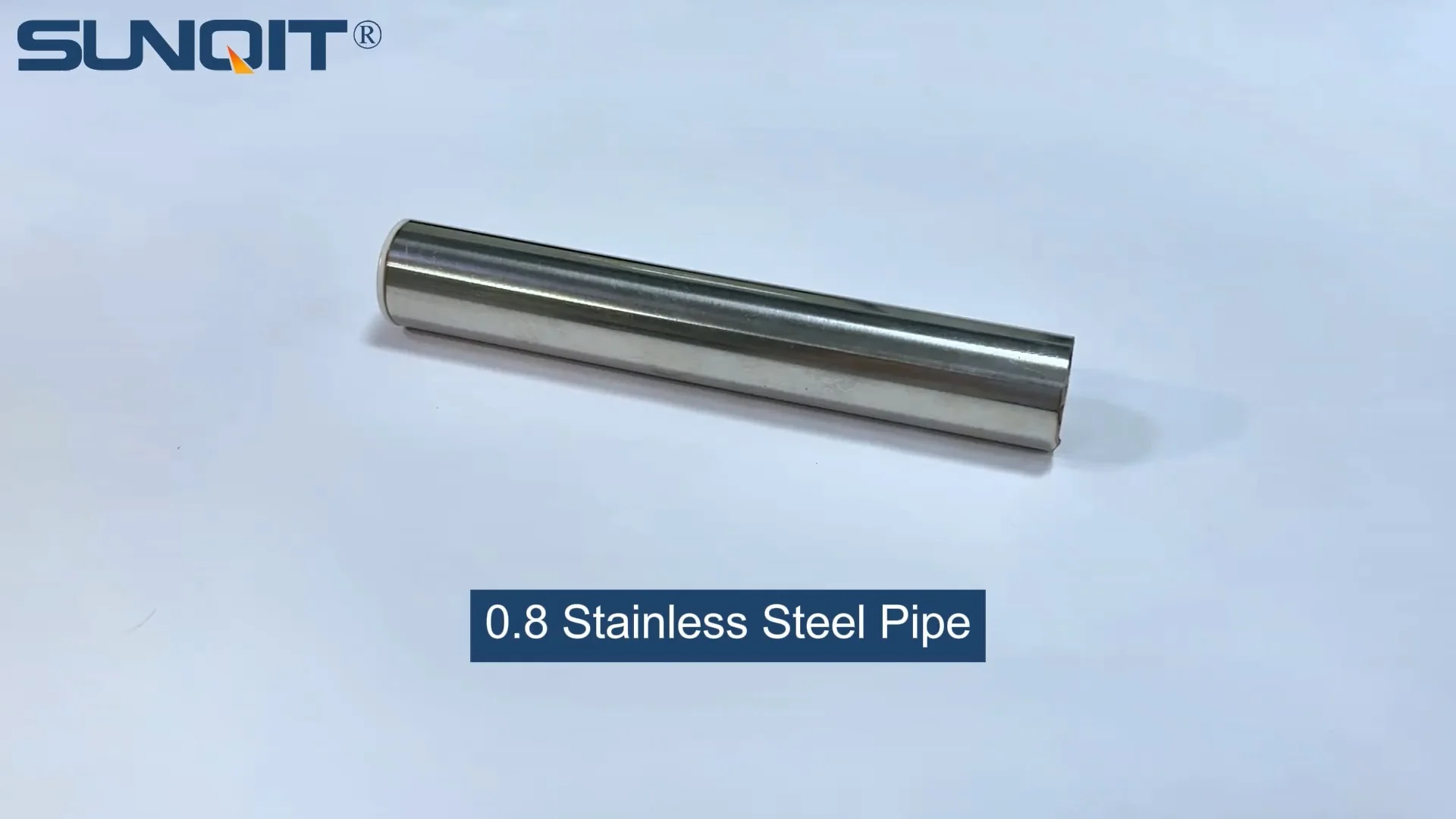
Stainless steel pipe, lean pipe, diameter is 28mm, material is SS201 or SS304, SS201 is normally used in the market. It knows a KARAKURI, KAIZEN material for industrial plant to improve efficiency, save labor cost, standard management.
In the fast-paced world of 3C manufacturing—where smartphones, laptops, and wearables evolve by the month—assembly lines can't afford to be rigid. Imagine a production floor where reconfiguring a workbench takes hours instead of minutes, or where a sudden model change grinds material flow to a halt. These aren't just inconveniences; they're costly bottlenecks that eat into profit margins and slow time-to-market. That's where custom lean solutions step in, and at the heart of many of these solutions lies an unsung hero: the 1.2mm stainless steel pipe .
This article dives into how lean system principles, paired with precision-engineered components like 1.2mm stainless steel pipe, are transforming 3C assembly. We'll explore why this specific pipe has become a go-to choice for manufacturers, how it powers critical tools like workbench setups and flow rack systems, and why partnering with the right lean pipe supplier can make all the difference in building flexible, efficient, and future-ready production lines.
The 3C Assembly Landscape: Why Precision and Flexibility Matter More Than Ever
3C products—short for computers, communications, and consumer electronics—are defined by their complexity and constant innovation. A single smartphone, for example, might contain over 1,000 individual components, from tiny microchips to delicate camera modules. Assembling these requires environments that are both hyper-precise and incredibly adaptable. Here's why:
Frequent Model Changes: Unlike automotive or appliance manufacturing, where a single model might stay in production for years, 3C brands release new models quarterly. A factory assembling the latest smartphone today might need to switch to a foldable variant next month, requiring assembly lines that can pivot quickly.
Small, Sensitive Parts: Components like circuit boards, batteries, and connectors are fragile and often ESD (electrostatic discharge) sensitive. Even a tiny static charge can render a $50 chip useless, making controlled, low-friction material handling critical.
Space Constraints: 3C factories are often located in urban areas where floor space is a premium. Assembly systems must maximize vertical and horizontal space without sacrificing accessibility for workers.
Traditional fixed assembly lines, built with welded steel or heavy aluminum frames, struggle to keep up. They're expensive to modify, slow to reconfigure, and often overbuilt for the lightweight, high-precision needs of 3C work. This is where lean manufacturing principles—focused on eliminating waste, optimizing flow, and empowering adaptability—come into play.
Lean Systems: The Backbone of Modern 3C Manufacturing
At its core, a lean system is about creating value by stripping away inefficiencies. For 3C manufacturers, this translates to assembly lines that minimize downtime, reduce material handling errors, and adapt to change without major overhauls. Key lean principles that drive 3C success include:
- Continuous Flow: Materials and components should move smoothly from one workstation to the next, with minimal waiting or manual lifting. This is where flow rack systems and conveyor belts shine, using gravity or gentle mechanical motion to keep parts moving.
- Flexibility: The ability to reconfigure workstations, adjust heights, or add/remove storage modules in hours, not days. This is where modular components—like 1.2mm stainless steel pipe and its compatible joints—become game-changers.
- Waste Reduction: Cutting down on unnecessary movement (for workers), excess inventory (by aligning material delivery with assembly needs), and defects (by designing workbenches that reduce human error).
A lean system isn't just a set of tools; it's a holistic approach. And to execute it effectively, manufacturers need components that can keep up with these principles. That's where 1.2mm stainless steel pipe enters the picture.

1.2mm Stainless Steel Pipe: The Unsung Hero of Custom Lean Solutions
When you think of manufacturing innovation, stainless steel pipe might not be the first thing that comes to mind. But for 3C manufacturers, the choice of pipe material and thickness is a critical decision that impacts everything from durability to daily operations. Let's break down why 1.2mm stainless steel has emerged as the gold standard.
Material Matters: Why Stainless Steel for 3C?
Stainless steel brings three key benefits that make it ideal for 3C environments:
Corrosion Resistance: 3C assembly often involves cleaning agents, coolants, or humid conditions (to control static). Stainless steel resists rust and degradation, ensuring workbenches and racks stay functional for years—even in high-moisture areas.
Cleanability: Unlike painted steel or aluminum, stainless steel has a smooth, non-porous surface that's easy to wipe down. This is critical for maintaining ISO cleanliness standards, especially in zones where components are exposed.
Strength Without the Weight: Stainless steel is inherently strong, but when paired with a 1.2mm thickness, it strikes a rare balance: sturdy enough to support tooling, bins, and even small conveyor systems, yet lightweight enough for workers to reposition without heavy machinery.
The 1.2mm Thickness: A Perfect Balance for 3C Needs
Why 1.2mm specifically? Let's compare it to other common thicknesses:
- 0.8mm-1.0mm: Too thin for heavy use. While lightweight, these pipes can bend under the weight of tooling or stacked bins, leading to instability and safety risks.
- 1.5mm-2.0mm: Overkill for most 3C applications. These thicker pipes add unnecessary weight, making reconfiguration harder and increasing material costs.
At 1.2mm, the pipe is rigid enough to support typical 3C loads—think bins of circuit boards, small power tools, or ESD-safe mats—yet flexible enough to be cut, joined, and reconfigured with basic hand tools. This balance is why lean pipe supplier catalogs often list 1.2mm stainless steel as their top-selling option for electronics manufacturing.
Beyond Steel: Why Not Aluminum or Plastic-Coated Pipes?
Aluminum and plastic-coated lean pipes are popular in other industries, but they fall short in 3C environments:
Aluminum: While lightweight, aluminum is softer than stainless steel and prone to dents—risky when handling sharp or heavy components. It also lacks stainless steel's natural corrosion resistance, requiring additional coatings that can chip over time.
Plastic-Coated Pipes: These are affordable but wear quickly in high-traffic areas. The plastic coating can peel, creating debris that's dangerous for sensitive electronics. They also can't withstand the frequent cleaning needed in 3C cleanrooms.
For 3C manufacturers, 1.2mm stainless steel pipe isn't just a material choice—it's a reliability choice. It's built to last through countless reconfigurations, harsh cleaning routines, and the demands of a 24/7 production environment.

Building Blocks: How 1.2mm Stainless Steel Pipe Powers Key Assembly Components
A lean system is only as strong as its components. Let's explore how 1.2mm stainless steel pipe forms the foundation of three critical tools in 3C assembly: workbenches, flow racks, and conveyors.
Workbenches: Where Precision Meets Comfort
The assembly workbench is the heart of any 3C production line. It's where workers spend 8+ hours a day installing components, testing circuits, and inspecting finished parts. A poorly designed workbench leads to fatigue, errors, and slowdowns. 1.2mm stainless steel pipe transforms workbenches into adaptable, ergonomic hubs.
Customizable Heights and Layouts: Using stainless steel pipe and adjustable joints, manufacturers can build workbenches at heights tailored to individual workers (typically 750mm-900mm) or even add hydraulic lifts for sit-stand functionality. For example, a workbench assembling camera modules might need a lower surface for precise microscope work, while a battery installation station could be higher to reduce bending.
Modular Accessories: 1.2mm pipe frames support a range of add-ons: tool holders, ESD wrist strap hooks, overhead light mounts, and bin rails for storing small parts. Since the pipe is compatible with standard lean pipe joints (like 90° fixed joints or swivel connectors), these accessories can be added or moved in minutes.
ESD Integration: For sensitive components, workbenches can be built with stainless steel pipe frames grounded to dissipate static. Paired with ESD-safe table tops (like conductive rubber or phenolic resin), they create a controlled environment where electrostatic discharge risks are minimized.
Example: A leading Chinese smartphone manufacturer recently replaced its fixed wooden workbenches with 1.2mm stainless steel pipe-based workbenches. By adding adjustable shelves and tool rails, they reduced worker movement by 30% and cut training time for new operators—who could now customize their stations to their preferences—by half.
Flow Racks: Keeping Materials Moving, Waste Out
In 3C assembly, material flow is everything. Parts need to reach workers exactly when they're needed—not too early (cluttering the line) or too late (causing downtime). Flow rack systems, built with 1.2mm stainless steel pipe and roller tracks, solve this by using gravity to deliver components smoothly.
How They Work: A typical flow rack has inclined shelves fitted with roller tracks (often plastic or aluminum). Bins of components are loaded from the back (higher end) and glide forward as front bins are emptied. This "first-in, first-out" (FIFO) system ensures older inventory is used first, reducing waste from expired or obsolete parts.
Stainless Steel's Role: The rack's frame, built from 1.2mm stainless steel pipe, provides the structural support to hold multiple levels of bins (each weighing 10kg-30kg). The pipe's rigidity ensures the rack doesn't bow under load, keeping the incline consistent for smooth rolling. Unlike aluminum frames, stainless steel resists bending even with heavy, repeated loading.
Custom Configurations: Flow racks can be tailored to part sizes. For small screws or connectors, shallow bins on narrow shelves work best; for larger items like display screens, deeper shelves with wider roller tracks are better. 1.2mm pipe's versatility allows manufacturers to build racks with 2-5 levels, 3-6 bins per level, and varying depths—all from the same base material.
Conveyors: Bridging Workstations with Gentle Precision
Moving partially assembled products between workstations (e.g., from PCB soldering to component installation) requires conveyors that are both gentle and reliable. 1.2mm stainless steel pipe is often used in light-duty roller conveyors, where it provides a stable frame for the roller tracks.
Smooth, Low-Friction Transport: Conveyor frames built with 1.2mm stainless steel pipe support plastic or aluminum roller tracks. These tracks can be adjusted for height and angle to ensure products (like circuit boards in trays) move at a consistent speed—fast enough to keep up with assembly, slow enough to prevent jostling or damage.
Easy Maintenance: Stainless steel's corrosion resistance means conveyor frames can be washed down regularly without rusting, critical in environments where dust or spills are common. The pipe's smooth surface also makes inspecting for wear (like loose joints or bent sections) quick and easy.
Modular Design: Conveyors can be extended, shortened, or re-routed by adding or removing pipe sections. For example, a factory adding a new testing station could extend a conveyor by 2 meters in under an hour using just a few extra pipes and joints.
| Component | Key Benefit of 1.2mm Stainless Steel Pipe | 3C Application Example |
|---|---|---|
| Workbench | Adjustable height, modular accessories, ESD grounding | Smartphone camera module assembly |
| Flow Rack | Sturdy frame for FIFO material flow, corrosion resistance | Storage of small screws and connectors |
| Conveyor | Stable support for roller tracks, easy maintenance | Transport of PCB trays between soldering and testing |
Beyond the Pipe: Essential Accessories for Seamless Integration
A 1.2mm stainless steel pipe is only as useful as the accessories that connect and enhance it. Lean pipe supplier s offer a range of components that turn basic pipes into fully functional lean systems. Here are the most critical ones for 3C assembly:
Lean Pipe Joints: The Glue That Holds It All Together
Joints are what make lean pipe systems modular. Common types include:
- 90° Fixed Joints: For rigid connections (e.g., workbench legs to frames).
- Swivel Joints: Allow for adjustable angles (e.g., tilting flow rack shelves).
- Parallel Joints: Connect two pipes side-by-side (e.g., reinforcing a conveyor frame).
Most joints are made from zinc-plated steel or plastic, with rubber gaskets to prevent slipping. For 3C environments, plastic joints are often preferred for their non-conductive properties, though metal joints with ESD coatings are also available.
Roller Tracks and Connectors: Powering Flow Racks and Conveyors
Roller tracks are essential for flow racks and conveyors. They come in various materials (plastic, aluminum) and sizes, with wheels designed to handle different load weights. For 3C parts, plastic roller tracks (often yellow or grey) are popular—they're lightweight, quiet, and gentle on delicate components. Connectors like placon mounts or end supports secure the tracks to the stainless steel pipe frame, ensuring alignment and stability.
Casters and Feet: Mobility and Stability
For mobile workbenches or flow racks, casters (typically 50mm-100mm diameter) are added to the pipe frame. Lockable casters keep the unit stationary during use, while swivel casters allow for easy repositioning. For stationary setups, adjustable feet (with rubber anti-slip pads) level the frame on uneven floors, preventing wobbling during precision work.
Accessory Holders and Bins: Organizing the Workspace
Small parts (screws, connectors, adhesives) need to be within arm's reach. Bin rails (mounted to pipe frames) hold plastic bins, while tool holders (like pegboards or magnetic strips) keep screwdrivers, tweezers, and soldering irons organized. These accessories attach to the pipe frame via simple clamps or hooks, making them easy to reposition.
Choosing the Right Lean Pipe Supplier: What to Look For
Not all lean pipe supplier s are created equal. For 3C manufacturers, partnering with a supplier that understands their unique needs is critical. Here are the key factors to consider:
Material Quality and Consistency
The 1.2mm stainless steel pipe should meet industry standards (like ASTM A312 for stainless steel tubing) and be free from defects (dents, uneven walls, or rough edges). Ask suppliers for material certificates and test reports to verify thickness, tensile strength, and corrosion resistance.
Customization Capabilities
3C assembly lines are rarely "one-size-fits-all." A good supplier should offer custom cutting (pipes cut to specific lengths), bending (for curved frames), or even powder coating (for color-coding zones, though stainless steel often stays natural for cleanability). They should also be able to design custom workbench or flow rack configurations based on your factory layout and production needs.
Accessory Availability
A supplier with a wide range of accessories (joints, roller tracks, casters) ensures you can source everything from one place, reducing lead times and compatibility issues. Look for suppliers that stock common parts locally to avoid delays in reconfiguring your line.
Technical Support
Even the best components are useless if you don't know how to assemble them. A reliable supplier should offer technical support: assembly guides, CAD drawings for custom designs, or even on-site consultations to help optimize your lean system layout.
Case Study: How a 3C Manufacturer Boosted Efficiency by 25% with 1.2mm Stainless Steel Pipe
To put this all into perspective, let's look at a real-world example. A mid-sized electronics manufacturer in Vietnam (we'll call them "TechVietnam") specialized in assembling smartwatch components. They were struggling with:
- Long reconfiguration times (8+ hours) when switching between watch models.
- Material waste due to disorganized workbenches (workers often misplaced small screws).
- ESD-related defects (5% of circuit boards were damaged by static).
TechVietnam partnered with a lean pipe supplier to overhaul their assembly line using 1.2mm stainless steel pipe-based solutions. Here's what they did:
Step 1: replace Fixed Workbenches with Modular Ones They installed 1.2mm stainless steel pipe workbenches with adjustable heights and ESD-safe tops. Each workstation got custom tool rails and bin organizers, so parts were always within reach. Workers could now reconfigure their benches for new models in under 2 hours by moving accessories or adding shelves.
Step 2: Add Flow Racks for Material Delivery Flow racks built with stainless steel frames and plastic roller tracks were installed along the assembly line. Bins of components (like watch batteries and sensors) were loaded from the back and rolled forward as needed, reducing inventory waste by 15%.
Step 3: Integrate Grounded ESD Systems The stainless steel pipe frames were grounded, and ESD wrist straps were connected directly to the workbench frames. This reduced static-related defects to less than 1%.
The results? Within three months, TechVietnam saw a 25% increase in assembly line efficiency, a 20% reduction in labor costs (due to less reconfiguration time), and a 30% drop in material waste. "The 1.2mm stainless steel pipe was the foundation," said their production manager. "It's strong enough to last, but flexible enough to change with us."
Future Trends: What's Next for Lean Solutions in 3C Manufacturing?
As 3C products continue to shrink in size and increase in complexity, lean solutions will evolve too. Here are two trends to watch:
Integration with Automation
Collaborative robots ("cobots") are becoming common in 3C assembly, and 1.2mm stainless steel pipe frames will play a role here too. Workbenches and conveyor systems will be designed to support cobot arms, with pipe-based safety barriers (to separate humans and robots) that can be reconfigured as tasks change.
Data-Driven Lean Systems
Sensors embedded in stainless steel pipe frames (like load sensors in flow racks or motion detectors on workbenches) could soon provide real-time data on material flow and worker efficiency. This "smart lean" approach will help manufacturers identify bottlenecks even faster.
Conclusion: Investing in 1.2mm Stainless Steel Pipe – More Than a Material, a Strategic Advantage
In the world of 3C manufacturing, where change is constant and precision is non-negotiable, custom lean solutions aren't a luxury—they're a necessity. And at the heart of these solutions lies 1.2mm stainless steel pipe: a material that balances strength, flexibility, and durability in a way that aluminum or plastic simply can't match.
Whether you're building workbenches, flow racks, or conveyors, choosing the right components—paired with a reliable lean pipe supplier —can transform your assembly line from a rigid bottleneck into a dynamic, efficient system that keeps up with the pace of innovation. For 3C manufacturers, that's not just an improvement in operations; it's a competitive edge that translates to faster time-to-market, lower costs, and happier, more productive workers.
So the next time you pick up a smartphone or smartwatch, take a moment to appreciate the unseen infrastructure that built it—including the humble 1.2mm stainless steel pipe, working quietly behind the scenes to power the future of electronics manufacturing.