- Company Articles
- Products and Technology
- Product knowledge
- Custom Length Aluminum Profile Rubber Strips: Reducing Waste in Lean Production

Custom Length Aluminum Profile Rubber Strips: Reducing Waste in Lean Production
Related Product
Aluminum Profile Rubber Strip
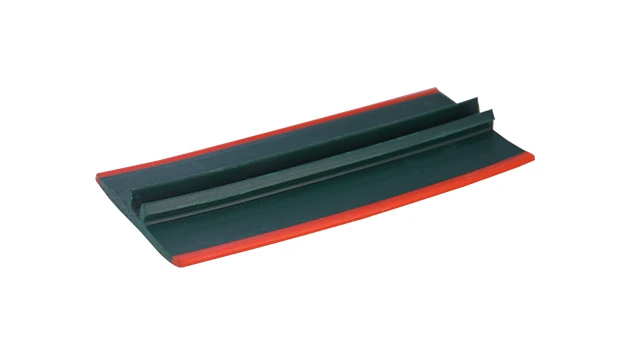
The tread strip fits into a T-slot channel and provides an anti-slip ribbed surface. It has a key pad that presses into a T-slot and is commonly used for adding traction on steps or as padding for doors. Tread strip can be ordered by rolls. The high quali
Walk through the doors of any modern manufacturing plant, and you'll feel it immediately—the pulse of productivity. Conveyors hum, robots pivot with precision, and workers move with purpose. But beneath that rhythm lies a silent battle: the fight against waste. It's in the half-used rolls of material tucked in corners, the extra minutes spent trimming parts to fit, the inventory sheets that never quite add up. These are the hidden costs that erode profit margins and slow progress. In the world of lean production, where every detail matters, even the smallest components can tip the scales between efficiency and waste. Today, we're shining a light on one such component: the aluminum profile rubber strip . Specifically, how custom-length versions of this unassuming accessory are becoming a cornerstone of waste reduction in lean system implementations.
The Unsung Role of Aluminum Profile Rubber Strips in Manufacturing
Before diving into custom lengths, let's first understand why aluminum profile rubber strips matter. Aluminum profiles—those sleek, modular extrusions with T-slots—are the backbone of modern factory setups. They form workbenches where assemblers piece together electronics, material racks that organize components, conveyors that move products seamlessly, and safety barriers that protect workers. But aluminum, for all its strength and versatility, has edges—sharp ones. And where there are edges, there's friction, noise, and the risk of damage to both materials and people.
Enter the aluminum profile rubber strip. These flexible, durable strips are designed to line the edges of aluminum profiles, acting as a buffer. They dampen the clatter of parts sliding across workbenches, prevent scratches on delicate components like circuit boards, and create a safer surface for workers who interact with profiles daily. In short, they turn rigid aluminum into a more functional, worker-friendly material. But here's the catch: for decades, these strips have been sold in standard lengths —typically 1m, 2m, or 3m rolls. And in a world where no two production lines are identical, standard lengths often mean one thing: waste.
The Hidden Cost of "One-Size-Fits-All" Rubber Strips
Imagine a production line where workers assemble automotive sensors. The workbench, built from 4040 aluminum profiles, is 1.8 meters long. The aluminum profile rubber strips used to line its edges come in 2m rolls. To cover the bench, a worker cuts a 2m strip down to 1.8m, leaving a 0.2m scrap. Multiply that by 50 workbenches across the facility, and suddenly you're left with 10 meters of unused rubber—enough to line five more benches. Now, scale that to a factory with hundreds of profiles: racks, conveyors, machine guards, and tool holders. The scraps pile up, the material costs add up, and the labor spent trimming? That's time that could be spent on value-adding tasks.
This isn't just about material waste. Standard-length strips also disrupt workflow. A worker might need a 1.2m strip but only have 1m rolls in stock, so they pause to fetch a 2m roll from inventory—wasting 10 minutes of a shift. Or, in a rush to meet a deadline, they might skip trimming altogether, leaving excess rubber hanging off a profile, which later catches on materials or creates a tripping hazard. These are the "little" inefficiencies that lean production systems are built to eliminate. As James Womack, co-author of The Machine That Changed the World , famously said: "Lean thinking is not about making people work harder. It's about removing the obstacles that stand in their way." Standard rubber strips, it turns out, are one of those obstacles.

Custom Lengths: A Lean Solution to a Persistent Problem
Custom-length aluminum profile rubber strips are exactly what they sound like: strips cut to the precise length needed for a specific profile, no more, no less. Order a 1.8m strip for that automotive sensor workbench? You get 1.8m—no trimming, no scrap, no fuss. It's a simple idea, but its impact on lean production is profound. Let's break down how custom lengths address the eight types of waste (or "muda") identified in lean methodology:
1. Waste of Defects
Ill-fitting rubber strips—either too short (leaving edges exposed) or too long (requiring trimming)—can lead to defects. A strip that's cut unevenly might fray over time, exposing sharp aluminum edges that scratch products. Custom lengths eliminate this by ensuring a perfect fit from the start, reducing the need for rework or replacements.
2. Waste of Inventory
Standard-length strips force facilities to stock multiple sizes (1m, 2m, 3m) to cover varying profile lengths. This ties up capital in excess inventory and increases storage costs. With custom lengths, you order only what you need, when you need it—slashing inventory levels and freeing up warehouse space.
3. Waste of Motion
Trimming strips by hand requires workers to fetch tools (scissors, utility knives), measure, cut, and clean up scraps—motion that adds no value to the final product. Custom strips arrive pre-cut, eliminating these non-value-added steps and letting workers focus on assembly, not preparation.
4. Waste of Transportation
Excess scrap from standard strips means more frequent waste hauls to recycling or disposal. Custom lengths reduce scrap volume by up to 95%, cutting down on transportation trips and associated fuel or labor costs.

Standard vs. Custom: A Data-Driven Comparison
To truly grasp the impact of custom-length rubber strips, let's compare them side-by-side with standard lengths. The table below draws on data from a mid-sized electronics manufacturer that switched to custom strips for 500 aluminum profiles across its facility:
| Metric | Standard-Length Rubber Strips | Custom-Length Rubber Strips | Improvement |
|---|---|---|---|
| Material Waste per Profile | 0.2–0.5m (avg. 0.3m) | 0m | 100% reduction |
| Installation Time per Strip | 8 minutes (including trimming) | 2 minutes (no trimming) | 75% time savings |
| Annual Scrap Disposal Cost | $2,400 (based on 500 profiles/year) | $120 (minimal packaging waste) | 95% cost reduction |
| Inventory Holding Cost | $1,800/year (stocking 3 standard lengths) | $300/year (just-in-time custom orders) | 83% cost reduction |
| Worker Productivity | 15 strips installed per day | 45 strips installed per day | 200% increase |
The numbers speak for themselves. For this manufacturer, the switch to custom lengths translated to over $4,000 in annual savings— and freed up 12 hours of worker time per week. Multiply that across a larger facility, and the impact becomes transformative. But the benefits go beyond dollars and cents; they align with the core philosophy of lean production: respect for people and continuous improvement. When workers aren't bogged down by trimming scraps or hunting for the right strip length, they feel valued—and engaged employees are the best drivers of innovation.
Beyond Waste Reduction: How Custom Strips Strengthen Lean Systems
Lean production isn't just about cutting waste—it's about building systems that adapt, improve, and thrive. Custom aluminum profile rubber strips play a surprisingly central role in this by supporting key lean pillars like 5S (Sort, Set in Order, Shine, Standardize, Sustain) and Kaizen (continuous improvement).
Supporting 5S Principles
Sort (Seiri): Custom strips eliminate the need to stock multiple standard lengths, reducing clutter in inventory rooms and tool cribs. Workers no longer sift through rolls to find the "closest fit"—they grab the pre-cut strip labeled for their specific profile.
Set in Order (Seiton): With custom lengths, every rubber strip has a defined place. For example, a 1.2m strip for a material rack (Material Rack B, 3 Row and 3 Floor) can be stored in a labeled bin next to the rack itself, reducing search time to seconds.
Shine (Seiso): No more scraps collecting dust on workbenches or under conveyors. Custom strips mean cleaner work areas, which boost morale and reduce the risk of contamination in sensitive processes (like electronics assembly).
Standardize (Seiketsu): Pre-cut strips ensure consistency across the facility. A workbench in the automotive department uses the same precise rubber strip as one in aerospace, eliminating variability that can lead to errors.
Sustain (Shitsuke): When workers see the tangible benefits of custom strips—less mess, faster setup, fewer headaches—they're more likely to adhere to lean practices long-term. It's a small change that reinforces a culture of efficiency.
Enabling Kaizen (Continuous Improvement)
Kaizen thrives on feedback loops: identify a problem, test a solution, measure results, and repeat. Custom rubber strips make this easier by providing consistent data. For example, if a production line switches from a 1.5m to a 1.7m profile, a quick call to the supplier yields a new custom strip—no guesswork, no waste. This flexibility lets teams experiment with layout changes (a key part of Kaizen) without being constrained by "what's in stock."
Choosing the Right Custom Rubber Strip: Material, Application, and Supplier
Not all custom aluminum profile rubber strips are created equal. To maximize their impact on your lean system, you'll need to consider three key factors: material, application, and supplier.
Material Matters: Matching Rubber to Your Environment
Rubber strips come in various formulations, each suited to specific conditions:
- EPDM: Ideal for general-purpose use. Resistant to heat, ozone, and weathering—perfect for workbenches and material racks in temperature-stable environments.
- Silicone: Withstands extreme temperatures (-60°C to 200°C) and is chemical-resistant, making it a top choice for automotive and aerospace facilities where fluids or high heat are present.
- Nitrile (Buna-N): Excellent oil and fuel resistance. Used in machinery guards and conveyor guides in automotive assembly lines.
Application-Specific Design
The best custom strips are tailored to their use case. For example:
- Workbenches: Thicker, softer strips (5–8mm) to cushion tools and reduce noise.
- Conveyor Guides: Harder, low-friction strips to minimize drag on moving parts.
- Safety Barriers: High-visibility colors (yellow, orange) with a textured surface for grip.
The Role of a Reliable Supplier
A supplier that specializes in aluminum profile accessories will understand your lean goals and deliver more than just a product. Look for suppliers that offer:
- Short Lead Times: Even for small batches—critical for just-in-time inventory systems.
- Precision Cutting: Tolerances of ±0.5mm to ensure a perfect fit with your aluminum profiles.
- Material Expertise: Guidance on choosing the right rubber type for your environment.
- Lean Alignment: A willingness to work with your team to optimize orders (e.g., bundling strips for multiple profiles in a single shipment to reduce transportation waste).
Real-World Impact: A Case Study in Lean Transformation
Let's bring this to life with a real example. A medical device manufacturer in the Midwest was struggling with waste in its assembly line for pacemakers—a process where precision and cleanliness are non-negotiable. Their workbenches, made from 3030 aluminum profiles, used standard 2m EPDM rubber strips. Each bench was 1.6m long, resulting in 0.4m of scrap per strip. With 200 workbenches, that's 80 meters of wasted rubber annually. Worse, trimming the strips left tiny rubber particles that sometimes contaminated sensitive components, leading to costly rework.
The manufacturer switched to custom 1.6m EPDM strips from a local aluminum profile accessories supplier. The results were immediate:
- Scrap waste dropped to 0, saving $1,200/year in material costs.
- Contamination-related defects fell by 40%, reducing rework costs by $8,000/year.
- Worker time spent trimming and cleaning dropped by 15 hours/week, freeing up staff to focus on quality control.
But the most unexpected benefit? Morale. As one assembly technician put it: "It sounds silly, but not having to trim those strips every day makes the job feel smoother. I don't dread setting up a new bench anymore. It's the little things that make you feel like the company cares about making your job easier." That's the human side of lean—when small changes lead to big improvements in both efficiency and employee satisfaction.
Conclusion: The Small Component That Drives Big Lean Wins
In the grand scheme of manufacturing, aluminum profile rubber strips might seem. They're not flashy like robots or high-tech like AI-driven analytics. But lean production teaches us that excellence lies in the details. A custom-cut rubber strip, perfectly fitted to an aluminum profile, is more than just a part—it's a statement. It says, "We care about every inch of waste. We value our workers' time. We're committed to getting better, every day."
As you look to strengthen your own lean system, don't overlook the small components. Talk to your team about the frustrations they face with standard parts. Audit your inventory for "close enough" solutions that are costing you time and money. And when you find those pain points—whether it's rubber strips, fasteners, or fixtures—ask: Can customizing this component turn waste into value?
In the end, lean production isn't about perfection. It's about progress. And sometimes, progress comes in the form of a simple rubber strip—cut to exactly the right length, for exactly the right job.