- Company Articles
- Products and Technology
- Product knowledge
- Custom Length Single Side Aluminum Pipe: Meeting Unique Production Line Requirements

Custom Length Single Side Aluminum Pipe: Meeting Unique Production Line Requirements
Related Product
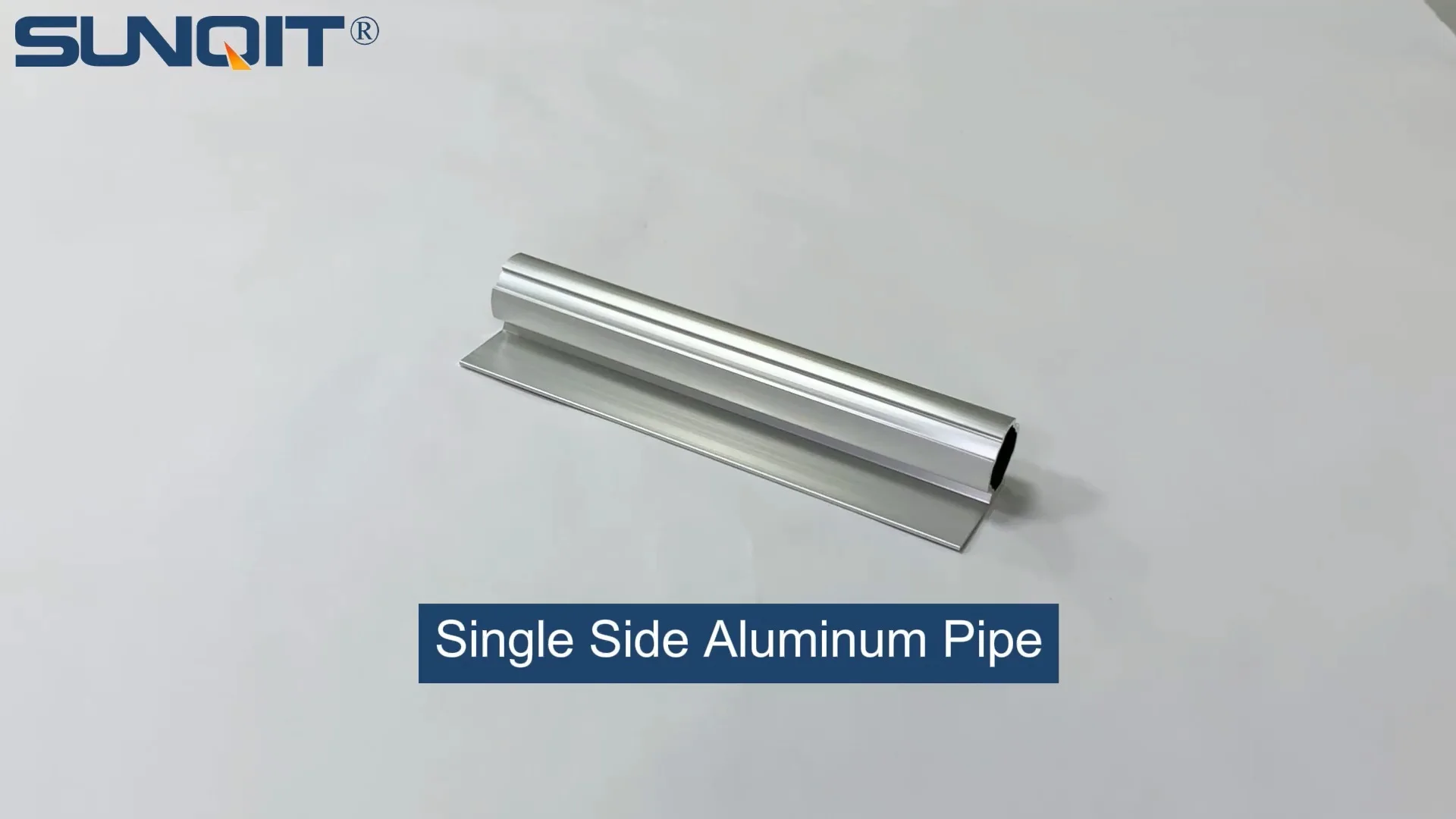
Single Side Aluminum Pipe
The single-sided plane can be installed with a back-mounted material box, and can also be used as a sidewall or partition.
It's 8 a.m. on a Tuesday at PrecisionWorks Manufacturing, and Raj, the production floor manager, is already juggling a crisis. The new batch of assembly workbenches—ordered six weeks ago to streamline the smartphone component line—has finally arrived. But as his team unloads the crates, frustration sets in. The prefab frames are rigid, with fixed-length pipes that don't align with the floor plan. One workbench juts 10 inches into the walkway, forcing material trolleys to swerve; another leaves a 6-inch gap between stations, where small parts keep vanishing. "We told the supplier our space was tight," Raj sighs, staring at the assembly manual. "Why can't equipment just… fit?"
Raj's dilemma isn't unique. In today's manufacturing landscape, where production lines are as diverse as the products they build—from compact electronics to heavy machinery—one-size-fits-all solutions often create more problems than they solve. Standardized equipment forces compromises: wasted space, inefficient workflows, and teams spending hours modifying parts to "make it work." But what if there was a better way? What if the building blocks of your production line could be tailored to your space, not the other way around?
Enter custom length single side aluminum pipe—a quiet revolution in lean manufacturing. More than just a metal tube, it's a flexible foundation that adapts to your line's unique DNA. In this article, we'll dive into how this unassuming component is transforming production floors, why custom length matters, and how pairing it with the right aluminum profile accessories turns "good enough" setups into seamless, efficient systems. Whether you're building workbenches, turnover trolleys, or material racks, this is the story of how precision-fit infrastructure isn't just a luxury—it's the key to unlocking your team's full potential.
The Problem with "One-Size-Fits-All" in Modern Manufacturing
To understand why custom length single side aluminum pipe matters, let's first unpack the limitations of standardized solutions. For decades, manufacturers relied on pre-cut steel or plastic pipes in fixed lengths—typically 1m, 2m, or 3m—to build everything from workbench frames to storage racks. The logic was simple: mass-produced parts are cheaper, easier to source, and "universal" enough to work across industries. But on the ground, this approach falls apart for three critical reasons.
Wasted Space, Wasted Time
Production lines aren't cookie-cutter. A medical device manufacturer might need a compact, U-shaped layout to minimize contamination risks, while an automotive plant requires long, linear assembly lines with room for robotic arms. Standard pipes, however, force you to design around their lengths. If your available space is 2.4m, a 3m pipe leaves 60cm of excess—space that could have held a tool cabinet or a material bin. Conversely, a 2m pipe leaves a 40cm gap, which often becomes a black hole for misplaced screws or a tripping hazard.
Production lines aren't cookie-cutter. A medical device manufacturer might need a compact, U-shaped layout to minimize contamination risks, while an automotive plant requires long, linear assembly lines with room for robotic arms. Standard pipes, however, force you to design around their lengths. If your available space is 2.4m, a 3m pipe leaves 60cm of excess—space that could have held a tool cabinet or a material bin. Conversely, a 2m pipe leaves a 40cm gap, which often becomes a black hole for misplaced screws or a tripping hazard.
Compromised Structural Integrity
When standard pipes don't fit, teams take matters into their own hands: hacksaws, angle grinders, and "creative" cutting. But cutting a pipe weakens its structural integrity—especially at the joints, where stress. A steel pipe cut down to 1.2m might save space, but it could bend under the weight of heavy tools over time. Plastic pipes, meanwhile, crack easily when modified, leading to wobbly workbenches or unstable racks. The result? Frequent repairs, safety risks, and unexpected downtime.
When standard pipes don't fit, teams take matters into their own hands: hacksaws, angle grinders, and "creative" cutting. But cutting a pipe weakens its structural integrity—especially at the joints, where stress. A steel pipe cut down to 1.2m might save space, but it could bend under the weight of heavy tools over time. Plastic pipes, meanwhile, crack easily when modified, leading to wobbly workbenches or unstable racks. The result? Frequent repairs, safety risks, and unexpected downtime.
Stifled Adaptability
Lean manufacturing thrives on adaptability. A line that builds smartwatches today might retool for fitness trackers next quarter, requiring a layout overhaul. Standard fixed-length pipes make reconfiguration a nightmare. Disassembling a rack built with 2m pipes to fit a new 1.8m space means leftover pieces that can't be reused, or purchasing new pipes altogether. It's a cycle of waste that contradicts the core principles of lean: eliminate inefficiency, maximize value.
Lean manufacturing thrives on adaptability. A line that builds smartwatches today might retool for fitness trackers next quarter, requiring a layout overhaul. Standard fixed-length pipes make reconfiguration a nightmare. Disassembling a rack built with 2m pipes to fit a new 1.8m space means leftover pieces that can't be reused, or purchasing new pipes altogether. It's a cycle of waste that contradicts the core principles of lean: eliminate inefficiency, maximize value.
Real Impact: The Cost of Compromise
A 2023 survey by the Manufacturing Efficiency Institute found that 68% of production managers reported spending 5–15 hours monthly modifying standardized equipment to fit their lines. For a mid-sized plant with 10 production stations, that's 600–1,800 hours annually—time better spent on training, quality control, or innovation. Worse, 41% cited "ill-fitting infrastructure" as a top cause of workplace accidents, from tripped trolleys to collapsing shelves.
A 2023 survey by the Manufacturing Efficiency Institute found that 68% of production managers reported spending 5–15 hours monthly modifying standardized equipment to fit their lines. For a mid-sized plant with 10 production stations, that's 600–1,800 hours annually—time better spent on training, quality control, or innovation. Worse, 41% cited "ill-fitting infrastructure" as a top cause of workplace accidents, from tripped trolleys to collapsing shelves.
Single Side Aluminum Pipe: A Material Built for Flexibility
So, what makes single side aluminum pipe different? Let's start with the material itself: aluminum. Unlike steel, it's lightweight (about 1/3 the weight of steel) but surprisingly strong—strong enough to support heavy tooling yet easy for a single worker to lift and install. Its natural corrosion resistance means it holds up in damp or dusty environments, from food processing plants to automotive workshops, without rusting or degrading. And unlike plastic, it won't warp under heat or crack in cold storage.
But the real magic is in the "single side" design. Traditional aluminum pipes often feature T-slots on all four sides—great for versatility, but overkill for many applications. Single side aluminum pipe simplifies this: a single, continuous T-slot running along one side, with smooth, unbroken surfaces on the other three. This design shines in tight spaces: when building a workbench against a wall, for example, the smooth sides flush, eliminating gaps where debris collects. The T-slot, meanwhile, remains accessible for attaching accessories—no need to rotate the pipe or fumble with hard-to-reach connections.
Let's break down the anatomy:
- The Pipe Core: Typically made from 6063 aluminum alloy—a blend prized for its strength-to-weight ratio and machinability. Wall thickness ranges from 1.2mm to 2.0mm, depending on load requirements (e.g., 2.0mm for heavy-duty racks, 1.2mm for lightweight trolleys).
- The T-Slot: A precision-machined groove along one side, designed to accept nuts, bolts, and specialized accessories like internal rotatory aluminum joints or tool holders. The slot's width (often 8mm or 10mm) is standardized to fit most aluminum profile accessories, ensuring compatibility across systems.
- Surface Finish: Anodized or powder-coated to resist scratches and corrosion. Anodizing creates a hard, protective layer that also enhances conductivity—useful for ESD (electrostatic discharge) workbenches, where static control is critical.

Why Custom Length Isn't Just a "Nice-to-Have"—It's a Necessity
So, aluminum is strong, lightweight, and the single side design saves space. But why go the extra mile for custom length? Because even the best material can't fix a poor fit. Let's say you need a 1.75m pipe for a workbench frame. A standard 2m pipe would require cutting off 25cm—wasting material and creating a rough edge that needs deburring. A 1m pipe would leave a 75cm gap, requiring a second pipe and extra joints, adding cost and complexity. Custom length eliminates this: the pipe arrives pre-cut to 1.75m, with clean, deburred edges and a T-slot that runs unbroken from end to end.
The benefits go beyond material savings:
1. Precision Fit = Safer, Cleaner Workspaces
A pipe that fits exactly leaves no gaps or overhangs. On Raj's production line, for example, a custom 2.3m single side aluminum pipe for the workbench frame would align perfectly with the walkway, eliminating the tripping hazard. In a food packaging plant, where hygiene is critical, flush-fitting pipes mean no crevices for bacteria to hide—unlike cut pipes with ragged edges that trap crumbs or moisture.
A pipe that fits exactly leaves no gaps or overhangs. On Raj's production line, for example, a custom 2.3m single side aluminum pipe for the workbench frame would align perfectly with the walkway, eliminating the tripping hazard. In a food packaging plant, where hygiene is critical, flush-fitting pipes mean no crevices for bacteria to hide—unlike cut pipes with ragged edges that trap crumbs or moisture.
2. Faster Assembly, Less Labor
Pre-cut pipes arrive ready to install. No more measuring, marking, or cutting on the floor—tasks that eat up hours and risk human error. A study by the Lean Manufacturing Association found that teams using custom length pipes reduced assembly time by 35% compared to those modifying standard lengths. For a plant with 50 workstations, that's hundreds of hours saved annually.
Pre-cut pipes arrive ready to install. No more measuring, marking, or cutting on the floor—tasks that eat up hours and risk human error. A study by the Lean Manufacturing Association found that teams using custom length pipes reduced assembly time by 35% compared to those modifying standard lengths. For a plant with 50 workstations, that's hundreds of hours saved annually.
3. Stronger, More Stable Structures
Every cut weakens a pipe. When you cut a standard pipe, you're not just removing material—you're disrupting the alloy's grain structure, creating potential stress points. Custom length pipes, cut with precision machinery at the factory, maintain their structural integrity. This is especially critical for load-bearing applications, like a 3-row, 3-floor material rack, where a weak joint could lead to collapsed inventory.
Every cut weakens a pipe. When you cut a standard pipe, you're not just removing material—you're disrupting the alloy's grain structure, creating potential stress points. Custom length pipes, cut with precision machinery at the factory, maintain their structural integrity. This is especially critical for load-bearing applications, like a 3-row, 3-floor material rack, where a weak joint could lead to collapsed inventory.
4. Adaptability for Lean Systems
Lean manufacturing is all about continuous improvement. Today's 1.75m workbench might need to be extended to 2.25m next year when production scales. With custom length pipes, you can add a 0.5m section later—no need to rebuild the entire frame. This modularity turns your production line into a living system, evolving with your needs without costly overhauls.
Lean manufacturing is all about continuous improvement. Today's 1.75m workbench might need to be extended to 2.25m next year when production scales. With custom length pipes, you can add a 0.5m section later—no need to rebuild the entire frame. This modularity turns your production line into a living system, evolving with your needs without costly overhauls.
| Feature | Standard Length Pipes | Custom Length Single Side Aluminum Pipes |
|---|---|---|
| Material Waste | High (10–30% due to cutting) | Low (0–5%, minimal trim) |
| Assembly Time | Long (includes cutting, deburring, fitting) | Short (ready to install out of the box) |
| Structural Integrity | Compromised (weak points from cutting) | Superior (unbroken grain structure) |
| Space Efficiency | Poor (gaps or overhangs) | Excellent (precision fit to space) |
| Long-Term Cost | Higher (waste + labor + repairs) | Lower (one-time investment, no rework) |

From Pipe to System: Aluminum Profile Accessories Bring It All Together
A custom length single side aluminum pipe is powerful on its own, but it's the accessories that turn it into a complete solution. Aluminum profile accessories are the "glue" of your system—joints that connect pipes at angles, casters that add mobility, and brackets that secure tools or shelves. Let's explore the key players:
Joints: The Architects of Flexibility
Internal rotatory aluminum joints are a game-changer. Unlike rigid steel brackets, these joints let you connect pipes at 30°, 45°, 90°, or even 135° angles with a simple twist. Need a workbench with a sloped shelf for easy part access? Use a 45° aluminum pipe joint inside connection. Building a corner rack? A 90° aluminum crossing joint creates a stable, flush corner without protruding hardware. Best of all, they attach directly to the T-slot—no drilling or welding required.
Internal rotatory aluminum joints are a game-changer. Unlike rigid steel brackets, these joints let you connect pipes at 30°, 45°, 90°, or even 135° angles with a simple twist. Need a workbench with a sloped shelf for easy part access? Use a 45° aluminum pipe joint inside connection. Building a corner rack? A 90° aluminum crossing joint creates a stable, flush corner without protruding hardware. Best of all, they attach directly to the T-slot—no drilling or welding required.
Casters: Mobility Without Compromise
Turn a static frame into a turnover trolley with the right caster and accessories. Heavy-duty swivel casters with brakes lock the trolley in place during loading, then release for easy movement across the floor. For cleanrooms or ESD environments, conductive caster wheels prevent static buildup—critical for electronics assembly lines where a single spark could ruin a circuit board.
Turn a static frame into a turnover trolley with the right caster and accessories. Heavy-duty swivel casters with brakes lock the trolley in place during loading, then release for easy movement across the floor. For cleanrooms or ESD environments, conductive caster wheels prevent static buildup—critical for electronics assembly lines where a single spark could ruin a circuit board.
End Caps and Covers: The Finishing Touch
Plastic or rubber end caps snap onto pipe ends, covering sharp edges and preventing debris from entering the pipe. T-slot rubber seal covers fill unused portions of the T-slot, keeping out dust and making cleanup a breeze—especially useful in food or pharmaceutical plants where sanitation is non-negotiable.
Plastic or rubber end caps snap onto pipe ends, covering sharp edges and preventing debris from entering the pipe. T-slot rubber seal covers fill unused portions of the T-slot, keeping out dust and making cleanup a breeze—especially useful in food or pharmaceutical plants where sanitation is non-negotiable.
Building a Custom Workbench: A Step-by-Step Example
Let's say you need a 1.8m workbench for a small-parts assembly line. Here's how custom length single side aluminum pipe and accessories come together:
Let's say you need a 1.8m workbench for a small-parts assembly line. Here's how custom length single side aluminum pipe and accessories come together:
- Frame: Four custom length pipes (2x 1.8m for the top rails, 2x 0.8m for the legs), cut to exact length.
- Joints: Four 90° aluminum pipe joint outside connections to attach the legs to the top rails.
- Worksurface: An aluminum honeycomb panel secured to the top rails with T-slot bolts.
- Mobility: Four swivel caster wheels with brakes, mounted to the leg bottoms via castor installation bases.
- Accessories: A tool holder bar attached to the back rail via T-slot brackets, and a small parts bin rack using parallel aluminum joint a connections.

Real-World Impact: How Custom Pipes Transform Production Lines
Let's return to Raj at PrecisionWorks. After his frustrating experience with standard workbenches, he started researching alternatives and stumbled on custom length single side aluminum pipe. Skeptical but desperate, he ordered a trial setup: 10 custom-cut pipes, a handful of internal rotatory joints, and a set of caster wheels. Three weeks later, the difference was night and day.
The new workbenches fit the floor plan exactly—no gaps, no overhangs. His team assembled them in hours, not days, and the T-slot made it easy to add tool holders and bins exactly where workers needed them. "The best part?" Raj says. "When we reconfigured the line last month for a new phone model, we just unscrewed the joints and rearranged the pipes. No new parts, no downtime. It was like playing with building blocks."
Raj's story isn't an anomaly. A case study by Lean Solutions Inc. tracked a automotive parts manufacturer that switched to custom aluminum systems. Within six months, they reported:
- 28% reduction in assembly time for workstations
- 15% less material waste (no more cutting standard pipes)
- 32% fewer reported accidents (thanks to flush, stable structures)
- 22% increase in daily output (workers spent less time searching for tools or navigating obstacles)
Choosing the Right Supplier: It's About Partnership, Not Just Parts
Not all custom length single side aluminum pipes are created equal. To maximize the benefits, you need a supplier who understands your production line's unique needs—not just someone who cuts metal to length. Here's what to look for:
Precision Cutting Capabilities
Ask about their tolerance range. A good supplier can cut pipes to within ±0.5mm of your specified length—critical for tight fits. Avoid suppliers who rely on manual cutting (which leads to inconsistencies); look for CNC cutting machines for accuracy.
Ask about their tolerance range. A good supplier can cut pipes to within ±0.5mm of your specified length—critical for tight fits. Avoid suppliers who rely on manual cutting (which leads to inconsistencies); look for CNC cutting machines for accuracy.
Accessory Compatibility
Ensure their pipes and accessories follow industry standards (e.g., 4040 or 3030 aluminum profile dimensions). A supplier that also manufactures aluminum profile accessories (joints, casters, brackets) is ideal—they'll guarantee a perfect fit between components.
Ensure their pipes and accessories follow industry standards (e.g., 4040 or 3030 aluminum profile dimensions). A supplier that also manufactures aluminum profile accessories (joints, casters, brackets) is ideal—they'll guarantee a perfect fit between components.
Technical Support
The best suppliers don't just sell parts—they help you design. Look for a team that offers CAD drawings or 3D models, so you can visualize the system before ordering. Raj's supplier, for example, sent him a digital mockup of the workbench, allowing him to adjust lengths and angles before production.
The best suppliers don't just sell parts—they help you design. Look for a team that offers CAD drawings or 3D models, so you can visualize the system before ordering. Raj's supplier, for example, sent him a digital mockup of the workbench, allowing him to adjust lengths and angles before production.
Lead Times
Custom shouldn't mean slow. Many suppliers stock raw aluminum pipe and offer 2–5 day turnaround for custom cuts, even for small orders. Avoid those with lead times longer than two weeks—delays can derail your production schedule.
Custom shouldn't mean slow. Many suppliers stock raw aluminum pipe and offer 2–5 day turnaround for custom cuts, even for small orders. Avoid those with lead times longer than two weeks—delays can derail your production schedule.
The Future of Production: Lean, Flexible, and Built to Fit
As manufacturing continues to evolve—with smaller batches, faster product cycles, and a focus on sustainability—custom length single side aluminum pipe is more than a trend. It's a cornerstone of the "lean factory" of the future: a space where infrastructure adapts to people, not the other way around.
Imagine a production line where workbenches expand or contract with a few adjustments, where material racks reconfigure overnight for a new product, and where waste—of time, space, or materials—is a thing of the past. That future is already here, and it starts with a simple question: Why force your line to fit the equipment when the equipment can fit your line?
For Raj and his team at PrecisionWorks, the answer is clear. "We used to build our line around the tools," he says. "Now, the tools build around us." And that, in the end, is the power of custom length single side aluminum pipe: it doesn't just improve your production line—it empowers your people to do their best work, every day.