- Company Articles
- Products and Technology
- Product knowledge
- Custom Lengths of Aluminum Side Guards: Perfect Fit for Any Workbench

Custom Lengths of Aluminum Side Guards: Perfect Fit for Any Workbench
Related Product
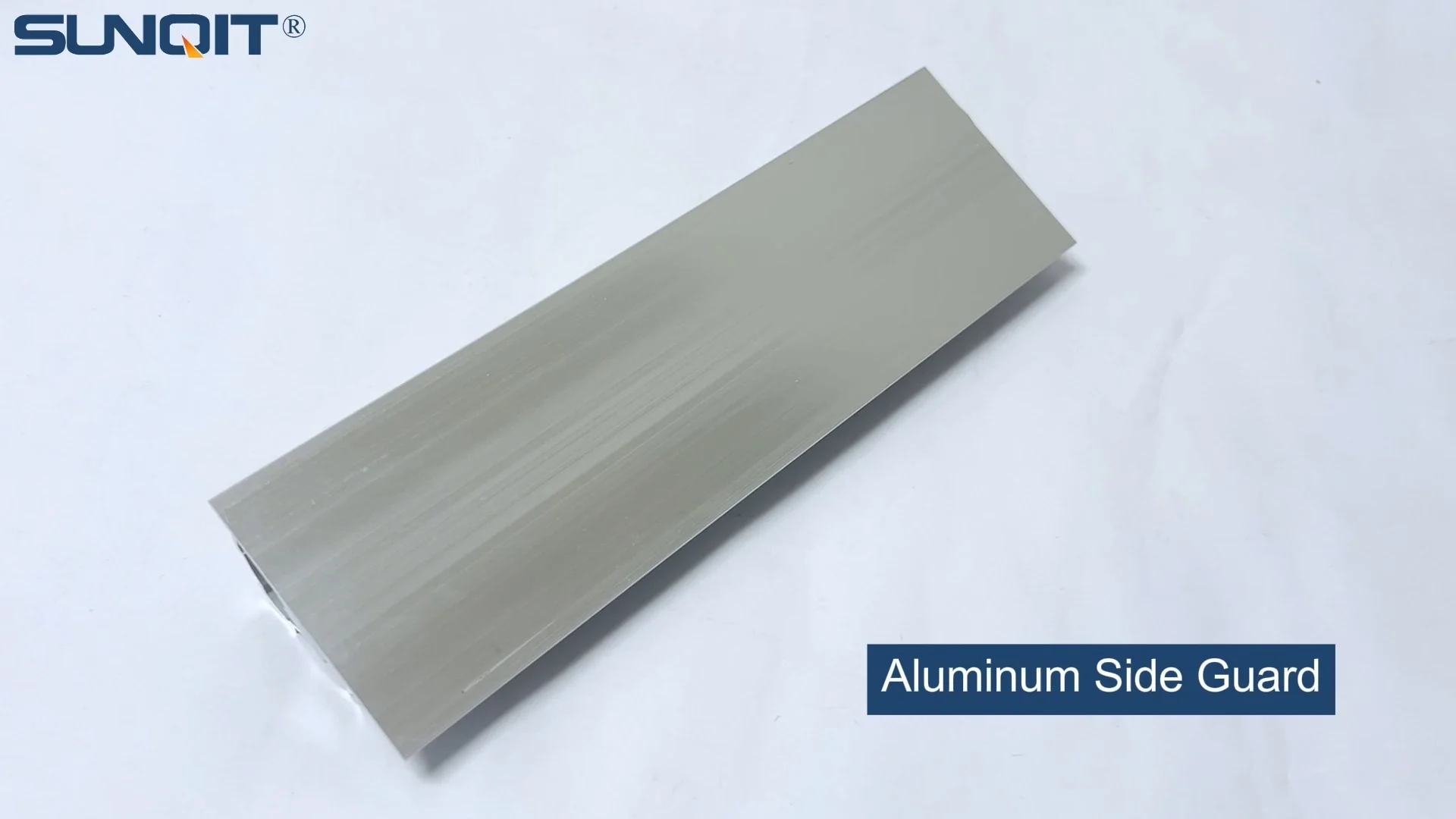
Aluminum Side Guard
Aluminum side guard, it works with a aluminum pipe or a roller track as side guard to prevent material drop,or move to wrong direction.
Walk into any workshop, factory floor, or lab, and you'll quickly realize the workbench is the unsung hero of productivity. It's where ideas transition from sketches to prototypes, where components become finished products, and where the rhythm of creation hums—whether that's soldering a circuit, restoring a vintage tool, or mixing compounds for a new experiment. But even the sturdiest workbench can underperform without the right safeguards. Enter aluminum side guards: simple, unassuming barriers that line the edges, keeping tools from tumbling off, reducing clutter, and adding a layer of safety to your workspace. Yet, here's the catch: workbenches come in all shapes and sizes. A generic side guard might suffice for some, but for truly seamless protection, custom lengths are non-negotiable. In this guide, we'll explore why custom aluminum side guards are transformative, how they elevate workbenches like the lean pipe workbench, and how to select, install, and maintain the ideal set for your needs.
What Are Aluminum Side Guards, and Why Aluminum?
At their core, aluminum side guards are protective rails designed to attach to workbench edges. Think of them as a gentle yet firm boundary—nothing fancy, just a reliable barrier that says, "Stay put." But why aluminum? Let's break it down. Aluminum is lightweight, which matters when you're installing a guard solo or repositioning a mobile workbench. Unlike steel, which can feel like lifting a cinder block, aluminum guards are easy to handle without sacrificing strength. They resist dents and bending, even when tools are accidentally dropped against them, making them ideal for high-traffic environments.
Corrosion resistance is another standout feature. In garages with oil spills, labs with chemical splashes, or workshops near humid environments, aluminum won't rust or degrade. This longevity means your guard won't need replacement after a year of use. Plus, aluminum's sleek, metallic finish adds a professional touch—no more unsightly plastic guards that fade or crack under UV light. It's a material that balances form and function, which is why it's a staple in industrial and commercial settings alike.
The Problem with "One-Size-Fits-All" Guards
Picture this: You've invested in a lean pipe workbench for your home garage, customized with shelves and tool hooks to fit your workflow. It measures 5 feet, 7 inches long—an odd size, but perfect for your space. You order a standard 6-foot aluminum side guard, figuring you can trim the excess. But without a metal-cutting saw, you hack at it with a hacksaw, leaving a jagged edge that snags your gloves. Now you have a guard that's functional but looks like a DIY afterthought. Alternatively, a 5-foot guard leaves a 7-inch gap, just enough for a socket set to roll off and vanish under the workbench. Frustrating, right? Custom lengths eliminate these headaches by delivering a guard that fits your workbench like a tailored suit—no gaps, no overhang, no shoddy DIY fixes.
Beyond aesthetics, ill-fitting guards compromise safety and efficiency. In a manufacturing plant, a gap in the guard could derail an assembly line if a part jams the conveyor. In a lab, a protruding guard edge might tear gloves or knock over a beaker. Custom lengths ensure full coverage, so every inch of your workbench edge is protected. They also adapt to your specific tasks: a taller guard for stacking boxes, a lower profile for easy access to large projects, or a contoured design for L-shaped workbenches. When the guard works with your workflow instead of against it, productivity soars.
| Aspect | Standard Length Guards | Custom Length Guards |
|---|---|---|
| Fit | Often requires trimming or leaves gaps; uneven edges common. | Precision-cut to your workbench's exact dimensions; seamless coverage. |
| Safety | Gaps risk tool/material falls; rough cuts may cause injuries. | No weak points; smooth, finished edges prevent snags or cuts. |
| Workflow | Overhang may obstruct movement; gaps disrupt organization. | No interference; consistent barrier keeps items within reach. |
| Durability | DIY trimming can weaken the guard or damage its finish. | Professionally cut and finished for maximum strength. |

Aluminum Side Guards Across Industries
Aluminum side guards aren't limited to one type of workspace—they're versatile enough to enhance workbenches in nearly every field. Let's explore their impact in key industries and how they pair with specific workbench styles.

Manufacturing & Lean Production
In manufacturing, where every second counts, lean pipe workbenches are a staple. These modular setups, built with lightweight pipes and joints, adapt to shifting production needs. Custom aluminum side guards complement this flexibility perfectly. For example, if a line retools from assembling smartphones to tablets, the workbench might be extended. A custom guard can be recut to match the new length, ensuring parts glide safely from station to station without jamming. Aluminum's durability handles the constant sliding of components, while its lightweight nature makes reconfiguring the guard as easy as adjusting the workbench itself.
Laboratories & Clean Rooms
Labs demand precision and sterility. ESD workbenches (electrostatic discharge-safe) are common here, and aluminum side guards integrate seamlessly. Aluminum is conductive, so with the right aluminum profile accessories like grounding clips, the guard can be part of the ESD system, protecting sensitive electronics from static damage. Custom lengths ensure the guard fits around microscopes, fume hoods, or specialized equipment, leaving no gaps for spills or misplaced samples. Smooth, deburred edges (thanks to aluminum pipe accessories like soft end caps) prevent tears in gloves or contamination from sharp corners.
Automotive & Repair Shops
Auto shops are bustling with activity—wrenches, sockets, and parts constantly in motion. A workbench here isn't just a table; it's a command center. Custom aluminum side guards keep tools within arm's reach and prevent costly parts from rolling onto the floor. For example, a bench with a built-in vice can have a guard notched to fit around it, ensuring no space is left unprotected. Aluminum's resistance to oil and grease makes cleanup a breeze—just wipe with a rag, and it's ready for the next job. Plus, its strength stands up to accidental hammer drops or impacts from heavy components.
Craft Studios & Woodworking Shops
Crafters and woodworkers deal with small, valuable items—screws, beads, or router bits—that have a knack for escaping workbenches. A custom aluminum side guard acts as a "safety net" for these tiny parts, saving hours of floor searches. In woodworking, sawdust is inevitable, but aluminum's smooth surface doesn't trap debris like wood or fabric guards. A quick sweep keeps it clean. For custom-shaped benches (e.g., corner workstations or those with built-in storage), custom lengths ensure the guard follows every curve, protecting even the most irregular edges.
Choosing Custom Aluminum Side Guards: Key Considerations
Selecting the right custom guard involves more than just measuring length. Here's what to keep in mind:
1. Measure with Precision
Start by measuring your workbench edge exactly. Use a steel tape measure for accuracy, noting cutouts, vices, or tool rails. For example, a lean pipe workbench with a tool hanger at one end will need a guard that starts after the hanger. Height matters too: 2–4 inches is standard, but taller guards (6+ inches) work for stacking materials, while shorter ones (1–2 inches) suit low-profile tasks like drafting.
2. Material Thickness & Load Capacity
Aluminum guards come in various thicknesses. Thicker gauges (3mm+) are ideal for heavy-duty use (e.g., manufacturing), while thinner options (1.5mm) work for lighter tasks (e.g., crafting). Consider load capacity: if you'll rest tools or materials on the guard, ensure it's rated to handle the weight. A supplier can help match thickness to your needs—no need to overbuy a heavy guard if you're just securing small parts.
3. Essential Accessories
Aluminum profile accessories and aluminum pipe accessories elevate the guard from a barrier to a multi-tool. Must-haves include:
- End Caps: Plastic or rubber caps that cover sharp ends, critical for safety in busy shops.
- Mounting Brackets: Secure the guard to the bench. For aluminum profile workbenches, T-slot brackets snap into the profile for tool-free installation.
- Cable Clips: Route power cords along the guard, keeping them off the bench and preventing tripping hazards.
- Label Holders: In shared workspaces, labels on the guard identify tool zones, reducing errors and saving time.
Ensure accessories match your setup. For example, if you have an aluminum extrusion profile workbench, choose accessories that fit its T-slots for a clean, integrated look.
4. Choosing a Supplier
A reputable supplier is critical. Look for one with experience in custom aluminum products and a track record with workbenches (lean pipe, ESD, etc.). Ask about turnaround times—you shouldn't wait weeks for a guard. Check reviews to confirm they deliver accurate cuts and quality finishes. Bonus points if they stock aluminum pipe accessories, so you can get brackets, end caps, and clips in one order.
Installing Your Custom Guard: A Step-by-Step Guide
Installing a custom aluminum side guard is straightforward with the right tools. Here's how to do it:
Tools Needed:
- Tape measure (for final checks)
- Pencil/marker (to mark bracket positions)
- Drill + bits (wood or metal, depending on your bench)
- Screwdriver/wrench (for securing brackets)
- Level (to ensure straightness)
- Safety gear: gloves, goggles, dust mask
Step 1: Prep the Workbench
Clear the bench of tools and debris. Wipe the edge to remove dust or grease, ensuring brackets adhere properly.
Step 2: Mark Bracket Positions
Lay the guard along the edge to confirm the fit. Mark bracket locations every 12–18 inches for stability. Avoid placing brackets over bench legs or supports, which may block drilling.
Step 3: Attach Brackets
For wooden benches: Pre-drill pilot holes to prevent splitting, then screw brackets into place. For metal/lean pipe benches: Use self-tapping screws or bolts. For aluminum profile benches: Slide T-slot nuts into the profile, then attach brackets with bolts—no drilling needed.
Step 4: Mount the Guard
Secure the guard to the brackets using screws or clips (per the supplier's instructions). Use a level to ensure it's straight—a crooked guard looks unprofessional and may not protect effectively.
Step 5: Add Accessories & Test
Snap on end caps, attach cable clips, or add labels. Give the guard a gentle shake to test stability. Slide tools along the edge to ensure they don't slip over. If all checks out, you're ready to work smarter, not harder.
Maintaining Your Aluminum Side Guard
Aluminum guards are low-maintenance, but a little care extends their life:
- Clean Regularly: Wipe with a damp cloth to remove dust, oil, or chemicals. Use mild soap for tough grime—avoid abrasives that scratch the finish.
- Tighten Brackets: Vibrations can loosen screws. Every few months, check brackets and tighten as needed.
- Touch Up Scratches: Small scratches can be buffed with fine sandpaper. For deeper marks, use aluminum touch-up paint to prevent corrosion.
- replace Accessories: Worn end caps or clips should be swapped out to maintain safety and functionality.
Conclusion: Invest in the Perfect Fit
A workbench is more than a surface—it's the foundation of your productivity. Custom aluminum side guards transform it from a basic table into a streamlined, safe, and efficient workspace. Whether you're running a lean production line with a lean pipe workbench, conducting experiments on an ESD bench, or tinkering in your garage, a guard tailored to your exact dimensions ensures nothing falls through the cracks. With the right aluminum profile accessories and a reputable supplier, you'll have a solution that looks professional, functions flawlessly, and stands the test of time. So measure your bench, explore your options, and take the first step toward a workspace that works as hard as you do.