- Company Articles
- Products and Technology
- Product knowledge
- Custom-Molded Plastic Pipe End Caps: Precision Engineering for Specialized Pipes

Custom-Molded Plastic Pipe End Caps: Precision Engineering for Specialized Pipes
Related Product
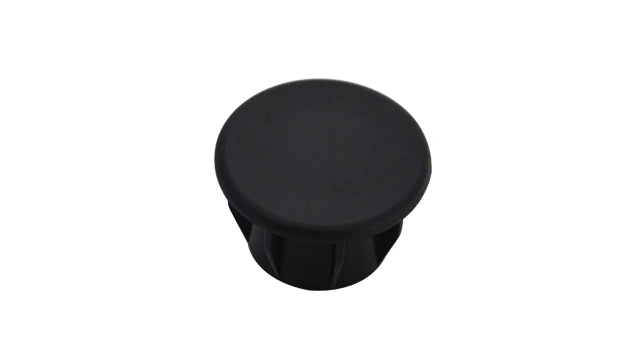
Plastic pipe end cap
Plastic pipe cover, used for 28mm two end cover and protection, to avoid any scratch from sharp metal surface.
Introduction: The Unsung Heroes of Pipe Systems
Walk into any manufacturing plant, warehouse, or workshop, and you'll likely spot rows of pipes—carrying fluids, supporting structures, or guiding materials along production lines. But if you take a closer look at those pipes, especially the ones used in lean pipe workbenches or flow racks, you might notice something small yet crucial: the caps on their ends. These unassuming components, known as pipe end caps, are easy to overlook, but they play a massive role in keeping operations running smoothly, safely, and efficiently.
Imagine a scenario where a lean pipe workstation in an electronics assembly line lacks proper end caps. Exposed pipe ends could snag on wires, scratch sensitive components, or even injure workers. Dust and debris might seep into open pipes, contaminating internal mechanisms or compromising the structural integrity of the system over time. In a busy facility, these "small" issues add up—downtime for repairs, increased scrap rates, and even safety violations. This is where custom-molded plastic pipe end caps step in: not just as covers, but as precision-engineered solutions designed to fit the unique needs of specialized pipes.
In this article, we'll dive into the world of custom-molded plastic pipe end caps, exploring why they matter, how they're made, and the impact they have on industries that rely on lean pipe systems and other specialized piping. Whether you're a plant manager looking to solve recurring workflow headaches or a procurement specialist searching for durable, tailored components, understanding the value of these small but mighty parts could transform how you approach pipe system maintenance and efficiency.
What Are Custom-Molded Plastic Pipe End Caps?
At their core, pipe end caps are exactly what they sound like: covers designed to seal the open ends of pipes. But "custom-molded" takes this basic concept to a new level. Unlike off-the-shelf, one-size-fits-most caps, custom-molded plastic pipe end caps are engineered from the ground up to match the specific dimensions, material requirements, and functional needs of a particular pipe or application.
Think of it this way: if standard end caps are like generic gloves—they might fit, but they're rarely a perfect match—custom-molded caps are like tailored gloves, crafted to contour every curve and edge of your hand. For lean pipe systems, which often involve unique configurations (think workbenches with varying pipe diameters, conveyor rails at specific angles, or material racks with custom spacing), this precision is non-negotiable. A cap that's too loose might fall off during operation; one that's too tight could crack or damage the pipe itself. Custom molding eliminates these guesses, ensuring a snug, reliable fit every time.
But customization goes beyond just size. These caps can be designed with special features: drainage holes for moisture-prone environments, textured surfaces for better grip, color-coding for quick system identification, or even integrated gaskets for airtight or watertight seals. For example, in a food processing facility using lean pipe racks to store ingredients, custom end caps might be made from FDA-approved plastic and shaped to prevent bacterial buildup in hard-to-clean crevices. In an automotive plant, they could be reinforced with additives to withstand high temperatures from nearby machinery.
The Role of Materials: Why Plastic Stands Out
When it comes to end caps, material choice is everything. While metal, rubber, and wood are sometimes used, plastic has emerged as the go-to option for custom-molded solutions—and for good reason. Let's break down why plastic is the material of choice for specialized applications like lean pipe systems.
Durability Without the Weight
Plastic end caps are surprisingly tough. Modern polymers like polyethylene (PE), polypropylene (PP), and polyvinyl chloride (PVC) offer excellent resistance to impact, corrosion, and chemicals—critical in industrial settings where pipes are exposed to oils, cleaning agents, or abrasive materials. Unlike metal, plastic won't rust or corrode when exposed to moisture, making it ideal for humid warehouses or outdoor applications. And because plastic is lightweight, it adds minimal extra weight to pipe structures, which is especially important for mobile lean pipe trolleys or overhead racks where load capacity is a concern.
Flexibility in Design
Plastic's malleability during the molding process is another key advantage. Unlike rigid materials like metal, plastic can be shaped into intricate designs with precision. Need a cap with a recessed groove to fit a specific clamp? Or a tapered edge to guide materials along a lean pipe conveyor? Plastic can handle these details without compromising strength. This flexibility allows manufacturers to create end caps that integrate seamlessly with other lean pipe accessories , such as joints, casters, or roller tracks, ensuring the entire system works in harmony.
Cost-Effectiveness
While custom-molded plastic caps may have a higher upfront cost than generic metal or rubber caps, they often save money in the long run. Plastic is generally less expensive to produce in small to medium batches, and its resistance to wear and tear means fewer replacements over time. For example, a plastic end cap on a lean pipe workbench might last 5+ years in a high-traffic area, whereas a cheap rubber cap could degrade or crack within 12 months. When you factor in reduced downtime for replacements and lower maintenance costs, plastic becomes the more economical choice.
Standard vs. Custom: Why One Size Rarely Fits All
It's tempting to opt for standard, off-the-shelf end caps to save time and money. After all, they're readily available, and for simple, straight pipes with common diameters, they might work. But in specialized systems—especially those built around lean pipe or custom aluminum profiles—standard caps often fall short. Let's compare the two side by side to see why customization matters.
| Feature | Standard Off-the-Shelf End Caps | Custom-Molded Plastic End Caps |
|---|---|---|
| Fit | Loose or tight; designed for "average" pipe diameters, leaving gaps or requiring force to install. | Precision fit to exact pipe dimensions (inner/outer diameter, wall thickness) for a snug, secure seal. |
| Material Options | Limited (e.g., generic rubber, low-grade plastic); not tailored to environment (heat, chemicals, etc.). | Customizable materials (food-grade PE, heat-resistant PP, ESD-safe PVC) to match application needs. |
| Design Flexibility | Basic shapes only (flat, domed); no added features like drainage holes, gaskets, or texture. | Unlimited design options: integrated gaskets, color-coding, branding, or specialized contours for unique pipes. |
| Integration with Accessories | May not align with lean pipe accessories (joints, clamps, roller tracks), causing system inefficiencies. | Engineered to work with existing accessories, ensuring smooth material flow and structural stability. |
| Long-Term Cost | Lower upfront cost, but higher replacement rates due to poor fit or material degradation. | Higher upfront cost, but lower long-term costs (fewer replacements, reduced downtime, less waste). |
Consider a real-world example: a manufacturer using lean pipe flow racks to move small electronic components. Their standard end caps, meant for 2-inch diameter pipes, were slightly too large for their 1.8-inch lean pipe rails. As components slid down the racks, they'd catch on the gaps between the cap and pipe, causing jams. Workers spent 10-15 minutes per shift unjamming the racks, and damaged components cost the company $500+ monthly in scrap. After switching to custom-molded plastic end caps designed for their exact pipe size, jams dropped by 95%, and scrap costs plummeted. The upfront investment in custom caps paid for itself in under three months.
The Customization Process: From Blueprint to Production
Creating a custom-molded plastic pipe end cap isn't just about "making it bigger" or "making it smaller"—it's a collaborative process that blends engineering, design, and real-world testing. Here's a step-by-step look at how these precision components come to life, especially when tailored for lean pipe systems and other specialized applications.
Step 1: Understanding the Application
The process starts with a conversation. A good manufacturer will ask detailed questions: What type of pipe are you using (e.g., lean pipe , aluminum profile, stainless steel)? What's the pipe's inner and outer diameter? Will the cap be exposed to chemicals, high temperatures, or heavy impact? Is there a specific function it needs to perform (e.g., sealing, guiding, or)? For lean pipe workbenches, for example, the focus might be on ergonomics and safety (no sharp edges), while for conveyor systems, it might be on reducing friction to keep materials moving.
Step 2: Design and Prototyping
Armed with application details, engineers use CAD (Computer-Aided Design) software to draft the cap's design. This includes precise measurements, material specifications, and any custom features (like grooves, holes, or textures). Once the design is finalized, a prototype is created—often using 3D printing for quick turnaround. This prototype is then tested on the actual pipe to check fit, function, and durability. For lean pipe systems, this might involve simulating months of wear and tear by attaching the cap to a test rig and subjecting it to vibrations, impacts, or temperature cycles.
Step 3: Tooling and Molding
If the prototype passes testing, the manufacturer creates a mold (or "tool") for mass production. Molds are typically made from steel or aluminum and are precision-machined to match the CAD design. Once the mold is ready, plastic resin is heated to a molten state, injected into the mold, and cooled to form the cap. This injection molding process ensures consistency—every cap is identical to the prototype, with tight tolerances (often within ±0.005 inches) that standard caps can't match.
Step 4: Quality Control and Delivery
After molding, each batch of caps undergoes rigorous quality checks: dimensional accuracy (using calipers or laser scanners), material integrity (testing for cracks or weak points), and functional performance (e.g., pressure testing for sealed caps). Only caps that meet the application's specs are approved for delivery. For lean pipe suppliers, this reliability is key—their customers depend on consistent components to build sturdy, long-lasting workbenches, racks, and conveyors.
Applications: Where Custom End Caps Make the Biggest Impact
Custom-molded plastic pipe end caps aren't just for lean pipe systems—though that's where they shine brightest. Their versatility makes them indispensable across industries where specialized pipes are the norm. Let's explore some of the most common applications and how these caps add value.
Lean Manufacturing and
Lean Pipe
Systems
In lean manufacturing, the goal is to eliminate waste—whether it's time, materials, or effort. Lean pipe systems, which use modular pipes and joints to build workbenches, flow racks, and material trolleys, are a cornerstone of this philosophy. But without properly fitted end caps, these systems can become sources of waste themselves. Custom caps ensure that lean pipe workbenches have smooth edges (reducing worker injuries), flow racks guide materials without jams (keeping production on track), and trolleys withstand constant movement without caps falling off (preventing downtime). For example, a lean pipe supplier might recommend custom caps with reinforced edges for trolleys used in heavy-part assembly, ensuring they hold up to daily use.
Food and Beverage Processing
In food plants, hygiene is non-negotiable. Standard caps with gaps or porous materials can trap bacteria, leading to contamination risks. Custom-molded plastic caps solve this by using food-grade plastics (like HDPE or PP) and smooth, crevice-free designs that are easy to clean and sanitize. They can also be color-coded to separate pipes carrying different ingredients (e.g., red for syrup, blue for water), reducing cross-contamination errors.
Electronics and ESD-Sensitive Environments
Electronics manufacturing often involves ESD workbenches (Electrostatic Discharge) to protect sensitive components from static damage. Custom end caps here are made from conductive or dissipative plastics that redirect static charges away from components. They're also designed to fit lean pipe or aluminum profile frames perfectly, ensuring the entire workstation maintains ESD protection without gaps.
Automotive and Heavy Machinery
Automotive plants use miles of pipes—for fluid transport, structural support, and material handling. Custom caps here are built to withstand oil, grease, and high temperatures. For example, caps on lean pipe assembly line racks might be reinforced with fiberglass to resist impact from dropped tools, while caps on fluid lines could have O-ring gaskets to prevent leaks.
Choosing a Supplier: What to Look for in a Custom End Cap Partner
Not all custom-molded plastic pipe end cap suppliers are created equal. To ensure you get a product that meets your needs—especially for critical applications like lean pipe systems—look for these key qualities:
Experience with Specialized Pipes
A supplier who understands lean pipe , aluminum profiles, and other specialized piping will bring valuable insights to your project. They'll know common pain points (e.g., loose caps on mobile trolleys) and how to design solutions that address them. Ask for case studies or references from clients in your industry—for example, a lean pipe supplier who also offers custom caps is likely to have a deep understanding of lean system requirements.
Material Expertise
The right material makes all the difference. A good supplier should guide you toward the best plastic for your application, whether it's chemical-resistant PVC for a factory floor or FDA-approved PE for a bakery. They should also be transparent about material sourcing and testing (e.g., "This cap is made from UV-stabilized PP to prevent fading in outdoor use").
Design and Prototyping Support
You shouldn't have to be an engineer to get a great cap. Look for suppliers who offer in-house design services, including CAD modeling and prototyping. A willingness to iterate on prototypes (e.g., adjusting a cap's thickness after testing) shows they prioritize your satisfaction over speed.
Quality Control and Certifications
Reputable suppliers back their products with strict quality control processes. Ask about their testing standards (e.g., "We test every batch for fit within ±0.001 inches") and certifications (e.g., ISO 9001 for manufacturing quality, FDA approval for food-grade materials). For lean pipe systems used in regulated industries (like aerospace), certifications are often non-negotiable.
Future Trends: What's Next for Custom-Molded Plastic Pipe End Caps?
As manufacturing and industrial processes evolve, so too will the demand for smarter, more specialized pipe components. Here are a few trends shaping the future of custom-molded plastic pipe end caps:
Sustainability and Recycled Materials
With a growing focus on eco-friendly manufacturing, suppliers are developing custom caps using recycled or biodegradable plastics. For lean pipe systems, which already emphasize waste reduction, this aligns perfectly—allowing facilities to build efficient, sustainable workspaces from end to end.
Smart Caps with Embedded Technology
Imagine a cap that alerts you when it's wearing out or when a pipe is overheating. Emerging technologies like RFID tags or sensors embedded in custom caps could make this a reality. For lean pipe systems, this would enable predictive maintenance—fixing issues before they cause downtime.
3D Printing for On-Demand Customization
While injection molding is still king for large batches, 3D printing is making small-batch custom caps more accessible. This is ideal for prototype testing or unique, low-volume applications (e.g., a one-of-a-kind lean pipe workstation for a research lab).
Conclusion: Investing in Precision for Long-Term Success
Custom-molded plastic pipe end caps may be small, but their impact on industrial efficiency, safety, and cost-effectiveness is huge. For industries relying on lean pipe systems, specialized piping, or high-performance workflows, they're not just an accessory—they're a critical component that ensures systems run smoothly, workers stay safe, and operations remain profitable.
Whether you're dealing with janky flow racks, frequent cap replacements, or safety concerns from exposed pipes, the solution might be simpler than you think: a custom end cap designed to fit your exact needs. By partnering with a supplier who understands your application—whether it's lean pipe workbenches, ESD-sensitive electronics, or food processing—you can transform these small components into big wins for your business.
So the next time you walk through your facility, take a closer look at those pipe ends. Are they holding you back, or are they working as hard as you are? With custom-molded plastic pipe end caps, the answer can be the latter—precision-engineered, tailored to you, and ready to keep your operations moving forward.