- Company Articles
- Products and Technology
- Solution
- Custom Parallel Lean Pipe Joint Chrome Solutions for Warehousing Racks

Custom Parallel Lean Pipe Joint Chrome Solutions for Warehousing Racks
Related Product
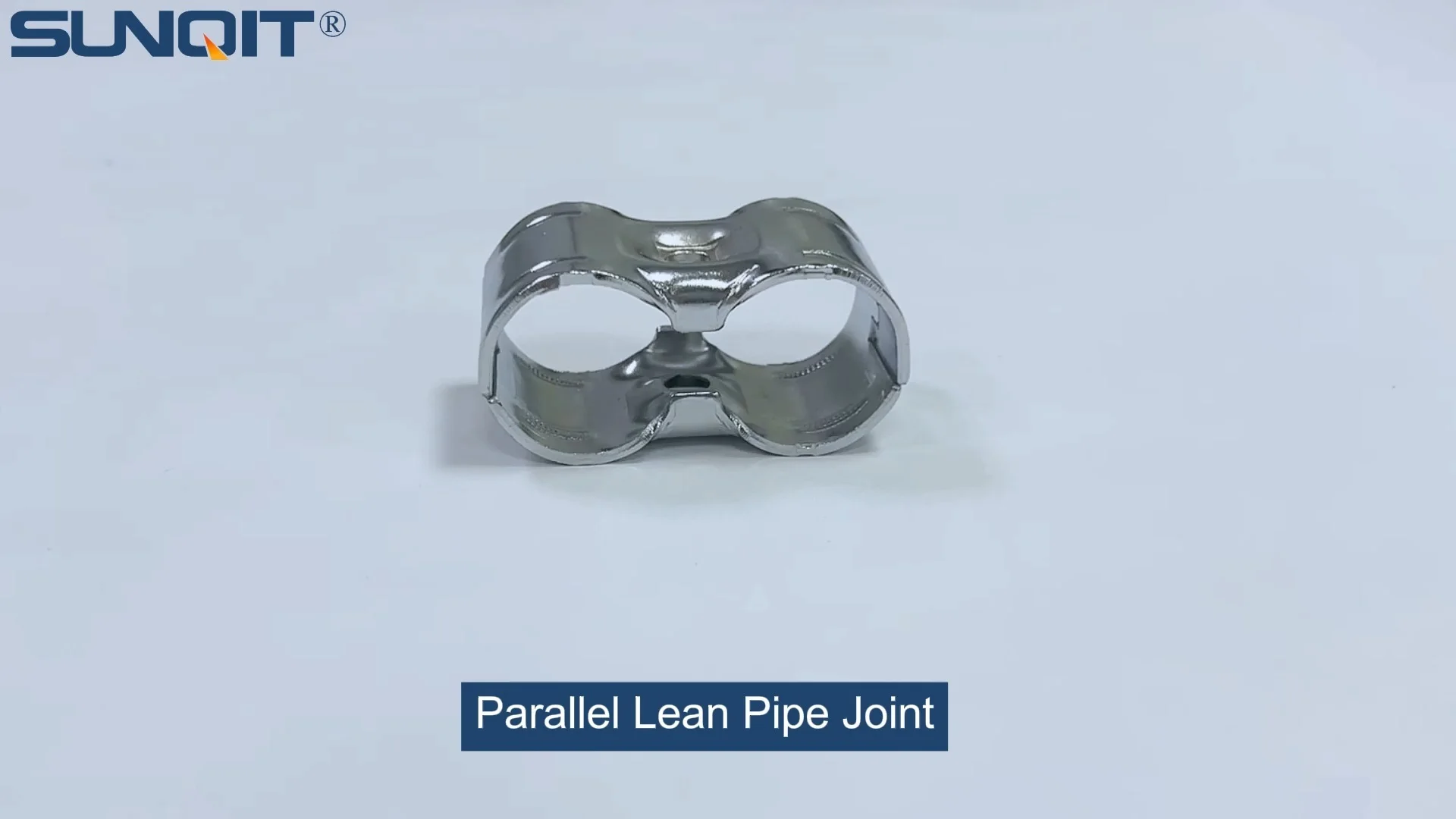
Parallel Lean Pipe Joint Chrome
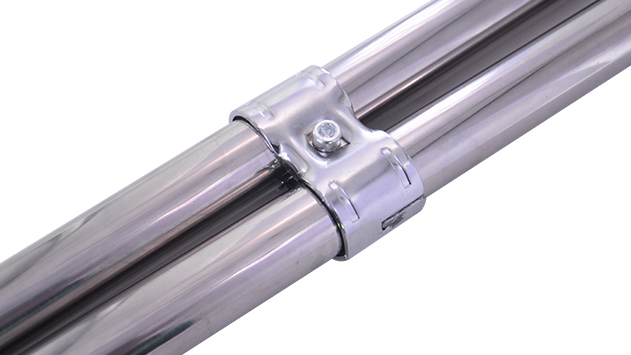
Parallel lean pipe joint used for 2 pcs 28MM lean pipe connection in parallel direction to enhance frame structure, usually for heavy payload requirement for workbench. flow rack, hand trolley.
Walk into any modern warehouse, and you'll quickly realize that efficiency isn't just a buzzword—it's the backbone of daily operations. From the moment raw materials arrive to the second finished products ship out, every step relies on systems that move quickly, adapt easily, and stand up to constant use. Yet, for many warehouse managers, the reality is far from this ideal. Rigid, one-size-fits-all storage racks that can't keep up with changing inventory, workbenches that leave workers straining to reach tools, and flow racks that jam when materials shift—these are the silent productivity killers that eat into profits and morale.
The good news? There's a solution that doesn't just patch these problems but reimagines how warehouses operate: custom parallel lean pipe joint chrome solutions. These unassuming but powerful components are the unsung heroes of lean warehousing, offering the flexibility, durability, and precision needed to build systems that grow with your business. In this article, we'll dive into why these custom solutions matter, how parallel lean pipe joint chrome transforms everything from workbenches to conveyor lines, and why partnering with the right supplier can turn your warehouse from a source of frustration into a competitive advantage.
The Problem with "One-Size-Fits-All" in Warehousing
Let's start with a scenario many warehouse leaders know all too well. A mid-sized electronics manufacturer recently expanded its product line, adding smaller, more delicate components to its roster. Overnight, their existing storage system—built around bulky, fixed metal racks—became a liability. The racks were too tall for the new components, leading to frequent spills when workers reached for items. The workbenches, designed for larger assemblies, left operators hunched over, slowing down production. And the flow racks, which once handled heavy parts smoothly, now jammed constantly with the lighter, smaller items. The result? A 20% drop in daily output and a spike in workplace injuries.
This story isn't unique. Warehouses today face shifting demands: seasonal inventory fluctuations, new product lines, evolving safety regulations, and the need to accommodate automation. Off-the-shelf warehousing solutions, while cheap upfront, often lack the adaptability to keep pace. They're built for average needs, not your specific workflow, product dimensions, or team habits. That's where custom solutions come in—and at the heart of these solutions lies the parallel lean pipe joint chrome.
Parallel Lean Pipe Joint Chrome: The Building Block of Custom Warehousing
At first glance, a parallel lean pipe joint chrome might seem like just another industrial part. But look closer, and you'll see why it's become a cornerstone of modern warehouse design. Made from high-grade steel with a chrome plating, these joints are engineered to connect lean pipes (hollow tubes used in modular systems) with precision and strength. What sets the "parallel" design apart? Unlike standard joints that limit angles or movement, parallel joints allow for straight, stable connections between pipes, creating structures that are both rigid enough to support heavy loads and flexible enough to reconfigure in minutes.
The chrome plating isn't just for aesthetics, either. In busy warehouses where spills, humidity, and constant handling are par for the course, corrosion resistance is non-negotiable. Chrome adds a protective layer that stands up to moisture, oils, and daily wear, ensuring your joints last for years without rusting or weakening. And because they're compatible with a range of lean pipes—including aluminum profile and stainless steel options—these joints act as a universal connector, letting you mix and match materials to suit your needs.
But the real magic is in customization. Whether you need a joint that can support a 500kg load on a flow rack or one that allows for quick adjustments on a lean pipe workbench, parallel lean pipe joint chrome can be tailored to your exact specifications. Need a longer neck to fit around obstructions? A higher weight capacity for bulky items? A specific finish to match your existing aluminum profile systems? A reputable supplier can engineer these details, turning a generic component into a solution that solves your unique problem.
From Workbenches to Conveyors: Real-World Applications That Drive Results
Let's put theory into practice. How do parallel lean pipe joint chrome solutions transform everyday warehouse setups? Let's explore three key areas where they make the biggest impact: lean pipe workbenches, flow racks, and conveyor systems.
1. Lean Pipe Workbenches: Ergonomics Meets Efficiency
A workbench isn't just a table—it's where your team spends 8+ hours a day assembling, inspecting, or packing products. An ill-designed workbench leads to fatigue, errors, and slowdowns. With parallel lean pipe joint chrome, you can build a workbench that adapts to your team, not the other way around.
Take a pharmaceutical packaging facility, for example. Their team handles both small vials and large boxes, requiring adjustable heights throughout the day. Using parallel lean pipe joint chrome, they built a workbench with telescoping legs that can be raised or lowered by 12 inches in seconds. The joints ensure the legs stay stable at any height, so workers never have to worry about wobbling surfaces. They also added side shelves using the same joints, attaching aluminum profile accessories like tool hooks and bin holders exactly where operators need them. The result? A 25% reduction in time spent reaching for tools and a 15% drop in reported back pain.
2. Flow Racks: Smooth Material Movement, No Jams
Flow racks are the arteries of a warehouse, moving materials from receiving to production or shipping with gravity-powered efficiency. But when racks are built with generic joints, misalignment is common—leading to jams, damaged products, and frustrated workers. Parallel lean pipe joint chrome eliminates this by ensuring the roller tracks (the rails that guide materials) stay perfectly straight and level.
Consider an automotive parts distributor that struggled with jams in their plastic roller track guide rails. The culprit? Standard joints that allowed for slight bends in the track when loaded with heavy parts. By switching to custom parallel lean pipe joint chrome, they created a rigid frame that kept the tracks aligned even under maximum weight. The joints also allowed them to angle the racks more precisely, controlling the speed of materials to match their team's packing pace. Within a month, material jams dropped by 80%, and the warehouse was able to process 10% more orders daily.
3. Conveyor Systems: Seamless Integration for Continuous Flow
Conveyors are the workhorses of high-volume warehouses, but they're only as good as their supporting structures. Misaligned conveyor belts or unstable frames lead to frequent breakdowns and costly downtime. Parallel lean pipe joint chrome provides the stability needed to keep conveyors running smoothly, even in high-traffic areas.
A food and beverage warehouse recently upgraded their conveyor lines using these joints. They needed to connect steel roller tracks to aluminum profile supports—a mix of materials that standard joints struggled with. Custom parallel lean pipe joint chrome solved this by incorporating adjustable brackets that fit both the steel tracks and aluminum profiles, ensuring a tight, wobble-free connection. The chrome plating also stood up to the warehouse's strict cleaning protocols, resisting the sanitizing chemicals used daily. As a result, conveyor downtime fell by 35%, and maintenance costs dropped by nearly $10,000 annually.

Why Custom Beats Off-the-Shelf: A Side-by-Side Comparison
Still on the fence about custom parallel lean pipe joint chrome? Let's break down how it stacks up against off-the-shelf solutions in key areas that matter for your warehouse:
| Feature | Off-the-Shelf Joints | Custom Parallel Lean Pipe Joint Chrome | Impact on Your Warehouse |
|---|---|---|---|
| Flexibility | Limited to preset angles and sizes; hard to reconfigure. | Tailored to your exact pipe diameters, angles, and load needs. | Easily adjust workbenches, flow racks, or conveyors as inventory or workflows change. |
| Durability | Basic plating (if any); prone to rust in humid or busy environments. | Heavy-duty chrome plating resists corrosion, wear, and chemical damage. | Longer lifespan (5–7 years vs. 2–3 for off-the-shelf), reducing replacement costs. |
| Compatibility | Often designed for one pipe type (e.g., only steel or only aluminum). | Engineered to work with mixed materials (aluminum profile, stainless steel, etc.). | Use existing equipment with new systems, avoiding costly overhauls. |
| Load Capacity | Generic ratings (e.g., "up to 100kg") that may not fit your heaviest items. | Custom-engineered for your specific loads (e.g., 300kg for heavy tools, 50kg for small parts). | Fewer accidents, product damage, or system failures due to overloading. |
| Ergonomics | One-size-fits-all design that may force workers into awkward positions. | Adjustable heights, angles, and placements to match your team's needs. | Reduced strain injuries and higher employee satisfaction. |
The Customization Process: From Idea to Installation
So, how do you turn a vision for your warehouse into a custom parallel lean pipe joint chrome solution? The process is simpler than you might think, and it starts with collaboration.
Step 1: Consultation – A reputable supplier will start by listening. They'll ask about your pain points: Are flow racks jamming? Is the lean pipe workbench too low? Do conveyors need to handle heavier loads? They'll also measure your space, note product dimensions, and observe your workflow to understand what you need.
Step 2: Design & Engineering – Using CAD software, the supplier will draft a 3D model of the joint, incorporating your specs (load capacity, pipe size, material compatibility). They'll test the design virtually to ensure it meets safety standards and then share the model with you for feedback. Want to tweak the angle or add a bracket? Now's the time.
Step 3: Prototyping – Before full production, a prototype is built. This lets you test the joint in your actual warehouse environment: Does it fit the aluminum profile? Can it support the weight? Is it easy to assemble? Adjustments are made here to avoid issues later.
Step 4: Production & Plating – Once approved, the joints are manufactured using precision machinery. The chrome plating is applied via an electroplating process, ensuring an even, durable finish. Each joint is inspected for quality—no dents, cracks, or plating flaws allowed.
Step 5: Installation Support – Finally, the supplier provides guidance (or even on-site help) to install the joints. They'll show your team how to assemble the system, adjust components, and maintain the joints for long life. It's a partnership, not just a purchase.
Choosing the Right Supplier: What to Look For
Not all parallel lean pipe joint chrome suppliers are created equal. To ensure you get a solution that delivers on its promises, look for these key qualities:
Experience in Warehousing – A supplier who specializes in industrial or construction parts might not understand the unique needs of warehouses. Look for one with a track record in building solutions for lean pipe workbenches, flow racks, and conveyors.
Customization Capabilities – Avoid suppliers who push "custom" but only offer minor tweaks to standard designs. Ask if they have in-house engineers, CAD software, and prototyping tools to create truly bespoke joints.
Quality Materials – Chrome plating thickness matters. Opt for suppliers who use at least 8 microns of chrome (thicker than the industry average of 5 microns) for better corrosion resistance. They should also source high-grade steel or aluminum to ensure strength.
Support After the Sale – What if a joint fails in a year? A good supplier offers a warranty (look for 3+ years) and responsive customer service to help with repairs or adjustments.
Future-Proofing Your Warehouse: The Long-Term Value of Custom Solutions
Investing in custom parallel lean pipe joint chrome isn't just about solving today's problems—it's about preparing for tomorrow. Warehouses are evolving fast, with automation, AI-driven inventory management, and eco-friendly practices becoming the norm. A modular system built with these joints can adapt to these changes:
Need to add robotic arms to the lean pipe workbench? The joints can support the arm's weight and mounting brackets. Expanding into e-commerce and need more flow racks for small packages? Reconfigure existing frames with new joints instead of buying new racks. As your business grows, your warehouse can grow with it—without the cost of tearing down and rebuilding.
And let's not forget the human element. A warehouse that works for your team—with workbenches at the right height, flow racks that don't jam, and conveyors that run smoothly—boosts morale. Happy, healthy workers are more productive, make fewer mistakes, and stay with your company longer. In the end, that's the real ROI of custom warehousing solutions.
Final Thoughts: Your Warehouse Deserves a Custom Fit
Warehouses are the engines of business, but they can't run at full speed with clunky, one-size-fits-all equipment. Parallel lean pipe joint chrome isn't just a part—it's a tool to build a warehouse that works for you: efficient, adaptable, and tailored to your unique needs. Whether you're struggling with janky flow racks, uncomfortable workbenches, or unreliable conveyors, these custom joints offer a path to better productivity, lower costs, and a happier team.
So, take the first step. Reach out to a supplier who prioritizes your needs, shares your vision for efficiency, and has the expertise to turn that vision into reality. Your warehouse (and your bottom line) will thank you.