- Company Articles
- Products and Technology
- Solution
- Custom Plastic Pipe Covers: Tailored Solutions for Unique Lean Tube Setups

Custom Plastic Pipe Covers: Tailored Solutions for Unique Lean Tube Setups
Related Product
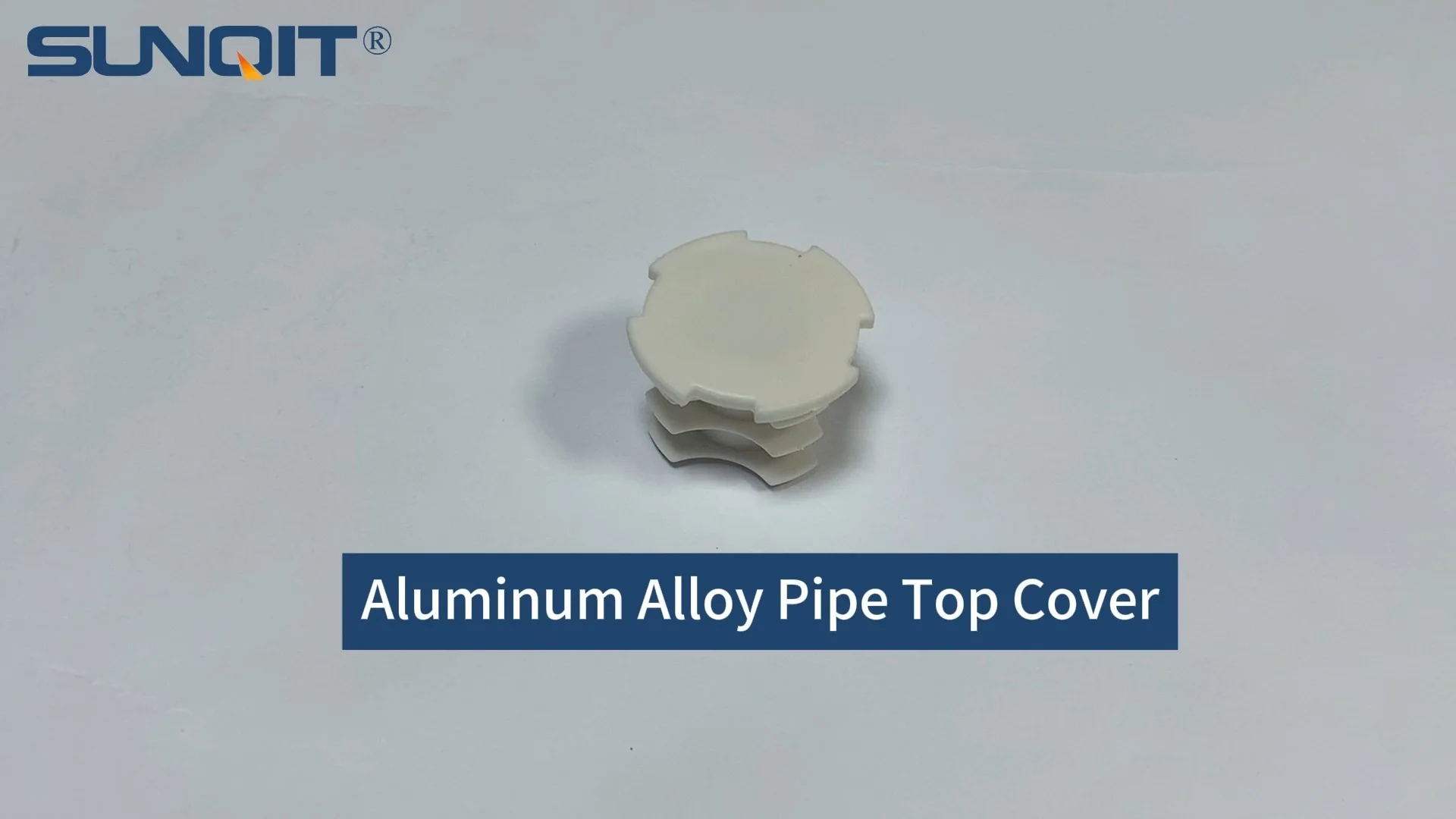
Plastic Pipe Cover
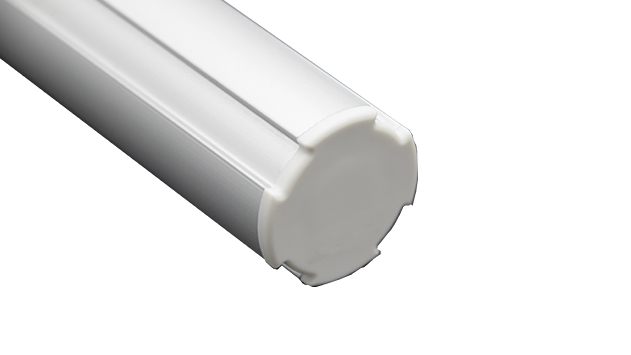
Plastic pipe cover to cover dia 28MM aluminum pipe end at workbench, flow rack, to prevent metal surface scratch material or worker.
Walk into any modern manufacturing facility, and you'll notice the unsung backbone of efficient production: lean tube setups. These modular systems—built from aluminum lean pipe, stainless steel pipe series, and a variety of joints and accessories—form everything from workbenches where assemblers piece together components to flow racks that keep materials moving seamlessly through the production line. Lean systems thrive on flexibility: they're easy to reconfigure, cost-effective, and designed to reduce waste, making them a cornerstone of lean manufacturing principles. But here's the catch: even the most well-designed lean tube setup is only as reliable as its ability to withstand the daily grind of a busy factory floor. Scratches, dents, corrosion, and sharp edges can turn a smooth-running system into a source of downtime, safety risks, and unnecessary costs. That's where custom plastic pipe covers come in. These unassuming accessories might not grab headlines, but they're the quiet protectors that keep lean tube systems performing at their best. In this article, we'll explore why custom plastic pipe covers are essential for unique lean tube setups, how they solve common maintenance headaches, and how to choose the right solutions for your facility.
The Role of Lean Tube Systems in Modern Manufacturing
To understand why custom plastic pipe covers matter, let's first unpack what lean tube systems are and why they're so vital. Lean manufacturing—with its focus on minimizing waste, maximizing efficiency, and continuous improvement—has revolutionized production floors worldwide. At the heart of this revolution are lean tube systems, which use lightweight, durable materials like aluminum pipe, aluminum lean pipe, and stainless steel pipe series to create modular structures. Unlike rigid, fixed equipment, these systems can be easily adjusted, expanded, or reconfigured as production needs change. Need to add a new workstation? Rearrange a flow rack to accommodate a larger part? With lean tube joints, basic aluminum tube, and a few tools, the setup can be modified in hours, not weeks.
Common lean tube setups include:
- Lean Pipe Workbenches: Ergonomic stations where operators assemble, test, or package products. They often include accessories like caster wheels for mobility and ESD workbench features for static-sensitive environments.
- Flow Racks: Gravity-fed storage systems that use roller track and accessories to move materials from the loading end to the picking end, ensuring first-in, first-out (FIFO) inventory management.
- Conveyors: Systems like roller conveyor or belt conveyor that transport parts between workstations, reducing manual handling and speeding up production.
- Turnover Trolleys and Racks: Mobile units for transporting materials across the factory floor, equipped with caster accessories for easy maneuvering.
These setups rely on the strength and versatility of their components—aluminum profile, stainless steel swivel roller balls, and aluminum guide rail A or B, to name a few. But while materials like aluminum extrusion profile are lightweight and resistant to corrosion, they're not indestructible. The daily wear and tear of a manufacturing environment—tools bumping against pipes, parts sliding across surfaces, moisture from cleaning, or even accidental impacts—can take a toll over time.
The Hidden Costs of Unprotected Lean Tubes
Unprotected lean tubes might seem harmless at first, but the long-term costs can add up quickly. Let's break down the most common issues:
Safety Risks: Sharp Edges and Hazards
One of the most immediate risks is injury. Raw, uncovered tube ends—whether from aluminum pipe or stainless steel pipe series—can be sharp, posing a laceration hazard to workers who brush against them. Even minor cuts can lead to lost productivity, workers' compensation claims, or, worse, infections if the wound isn't properly treated. In ESD workstations, where electronics are handled, a small cut could also introduce contaminants, compromising product quality.
Corrosion and Wear: Shortening Equipment Lifespan
Moisture, chemicals, and even humidity can cause unprotected metal pipes to corrode. For example, a plastic roller track guide rail yellow might resist moisture, but the aluminum pipe it's attached to? Without a sleeve or coating, it could start to rust or degrade. Over time, corrosion weakens the structural integrity of the pipe, making the entire setup wobbly or unsafe. Similarly, scratches from tools or heavy parts can strip away protective coatings on aluminum lean pipe, exposing the metal to further damage. The result? Frequent replacements of expensive components like aluminum profile accessories or lean pipe joint, driving up maintenance costs.
Debris Buildup: Clogging and Inefficiency
Open tube ends are magnets for dust, dirt, and small debris. Imagine a lean pipe workbench with exposed aluminum tube ends: over time, sawdust, metal shavings, or even spilled liquids can seep inside. This buildup can clog internal spaces, making it harder to attach lean pipe clamp or parallel aluminum joint A later. In roller track systems, debris can get caught between swivel roller balls 1 inch or roller track connector, slowing down material flow and causing jams. A single jam in a flow rack can disrupt the entire production line, leading to costly downtime.
Aesthetic and Morale Impact: The "Little Things" Matter
It's easy to overlook, but the appearance of a production floor affects employee morale. Scratched, dented, or rusted lean tube setups can make a facility feel unkempt, which in turn can lower motivation. On the flip side, a clean, well-maintained workspace signals that management cares about quality and safety—boosting pride and productivity. Plus, if clients or auditors visit, unprotected pipes can create a negative impression of your commitment to excellence.
Custom Plastic Pipe Covers: A Tailored Solution
The good news is that these issues are preventable—with custom plastic pipe covers. Unlike generic, one-size-fits-all accessories, custom covers are designed to fit your specific lean tube setup, ensuring maximum protection and functionality. They come in a variety of forms, each addressing unique needs:
Plastic Pipe End Caps: Sealing the Deal
Plastic pipe end caps are exactly what they sound like: caps that seal the open ends of lean tubes. Made from durable plastics like PVC or polyethylene, they prevent dust, debris, and moisture from entering the tube, while also eliminating sharp edges. For example, a 1-inch tube (common in setups using swivel roller balls 1 inch) would use a 1-inch end cap, ensuring a snug fit. Some end caps even feature a slight taper or ribbed interior to stay securely in place, even with vibration from nearby machinery.
Plastic Pipe Sleeves: Wrapping for Protection
If end caps protect the ends, plastic pipe sleeves protect the length of the pipe. These cylindrical covers slide over the exterior of aluminum pipe or stainless steel pipe series, acting as a barrier against scratches, dents, and corrosion. They're especially useful for high-traffic areas, like the legs of a turnover trolley or the rails of a flow rack. Sleeves can also be color-coded to improve organization: yellow for hazardous zones, grey for standard areas, or even custom colors to match company branding. For ESD workbench setups, conductive sleeves are available to dissipate static, preventing damage to sensitive electronics.
Plastic Roller Track Guide Rail: Directing the Flow
In flow racks and conveyors, plastic roller track guide rail—like the yellow or grey options—play a critical role. These rails run alongside roller track, guiding materials (like boxes or parts) to stay centered on the track. Without them, items might slip off, causing jams or damage. Plastic guide rails are ideal here because they're smooth, reducing friction and allowing materials to glide easily. They're also durable enough to withstand repeated contact with parts, unlike metal rails, which can scratch or mar delicate items. For example, a material rack B (3 row and 3 floor) might use plastic roller track guide rail grey to blend with the rack's design, while a high-visibility area could opt for yellow to draw attention to the track.

The Art of Customization: Size, Color, and Material
What makes custom plastic pipe covers so effective is their ability to adapt to unique setups. Lean tube systems are rarely "off the shelf"—they're designed to fit specific workflows, part sizes, and facility layouts. A one-size-fits-all cover might be too loose (offering minimal protection) or too tight (making installation a hassle). Custom covers, on the other hand, are tailored to your exact specifications:
Size: Fitting Every Tube
Lean tubes come in various diameters, from small 0.5-inch pipes (used with swivel roller balls 0.5 inch) to larger 2.0mm pe coated lean pipe. Custom end caps and sleeves are made to match these sizes precisely. For example, a basic aluminum tube with a 25mm outer diameter would get a 25mm sleeve, ensuring a tight, secure fit. This is especially important for joints: a 90° aluminum pipe joint inside connection has a unique shape, and a custom sleeve can wrap around it without interfering with the joint's functionality.
Color: More Than Just Aesthetics
Color isn't just about making the setup look nice—it's about function. Plastic roller track guide rail yellow, for instance, is highly visible, making it easy for operators to align materials on the track. Grey guide rails, on the other hand, blend into the background, keeping the focus on the work itself. Color-coding can also help with workflow: red sleeves for "do not touch" zones, blue for "quality control" areas, or green for "completed parts." This visual organization reduces errors and speeds up training for new employees.
Material: Matching the Environment
The right material depends on the environment where the lean tube setup is used. For general manufacturing, standard PVC sleeves or end caps work well. In facilities with harsh chemicals, polyethylene (resistant to many solvents) is a better choice. For cleanrooms or food-processing areas, FDA-approved plastics ensure compliance with hygiene standards. And for ESD workstations, conductive plastics prevent static buildup, protecting sensitive components like circuit boards. A reputable lean pipe supplier will help you choose the right material based on your needs.

Why "One-Size-Fits-All" Falls Short
You might be thinking, "Can't I just buy generic plastic covers from a hardware store?" In some cases, maybe—but for lean tube setups, generic covers often miss the mark. Here's why:
First,
unique angles and joints
. Lean tube systems use a variety of joints, from 45° fixed lean pipe joint to internal rotatary aluminum joint. A generic sleeve might bunch up or tear when wrapped around a 135° aluminum pipe joint outside connection, leaving gaps in protection. Custom covers are designed to accommodate these angles, with notches or flexible materials that conform to the joint's shape.
Second,
irregular tube lengths
. Not all pipes are cut to standard lengths. A custom sleeve can be made to fit a 3-foot pipe for a workbench E (single deck-without caster) or a 6-foot pipe for a material rack B, ensuring full coverage without excess material that could catch on tools or parts.
Third,
specialized workflows
. A conveyor in a automotive plant might need heat-resistant sleeves to withstand nearby welding torches, while a pharmaceutical flow rack might need anti-microbial covers to prevent bacterial growth. Generic covers rarely offer these specialized features.
The Benefits of Investing in Custom Covers
The upfront cost of custom plastic pipe covers is minimal compared to the long-term benefits. Let's break down how they add value:
Enhanced Safety
By eliminating sharp edges and reducing slip hazards (via textured sleeves), custom covers make the workplace safer. This translates to fewer accidents, lower workers' compensation costs, and a more confident team. For example, a lean pipe workbench with end-capped legs and sleeved rails reduces the risk of cuts or trips, letting operators focus on their tasks instead of avoiding hazards.
Longer Equipment Lifespan
Protection against corrosion, scratches, and dents means your lean tube components last longer. A study by a leading lean system supplier found that setups with custom covers had a 40% longer lifespan than unprotected ones, reducing the need for frequent replacements of expensive parts like aluminum profile or stainless steel roller track.
Improved Efficiency
Smooth, well-protected roller track and accessories mean materials flow more consistently, reducing jams and downtime. For example, plastic roller track guide rail yellow ensures parts stay centered on the track, so operators don't have to stop and realign items. Similarly, sleeves on caster wheels reduce friction, making turnover trolleys easier to push—saving time and energy.
Cost Savings
The combination of fewer replacements, less downtime, and lower injury costs adds up. A mid-sized electronics manufacturer we worked with reported saving $15,000 annually after installing custom covers on their ESD workstations and flow racks. The covers cost just $2,000 upfront, delivering a return on investment in under two months.
Comparing Common Plastic Pipe Cover Types
| Cover Type | Primary Function | Common Materials | Size Range | Color Options | Ideal For |
|---|---|---|---|---|---|
| Plastic Pipe End Cap | Seal open tube ends; eliminate sharp edges | PVC, Polyethylene | 0.5 inch – 2 inches | Grey, Black, White | Lean pipe workbench legs, aluminum pipe ends |
| Plastic Pipe Sleeve | Protect pipe exteriors from scratches/dents | PVC, Conductive Plastic (for ESD) | 0.8mm – 2.0mm wall thickness | Yellow, Grey, Blue, Custom | Turnover trolley rails, flow rack supports |
| Plastic Roller Track Guide Rail | Guide materials on roller tracks; reduce friction | High-Density Polyethylene (HDPE) | Standard rail widths (varies by track type) | Yellow, Grey | Flow racks, roller conveyor systems |
Choosing the Right Supplier for Custom Covers
Not all lean pipe suppliers or plastic cover manufacturers are created equal. To ensure you get high-quality, custom solutions, look for a supplier with:
- Experience with Lean Systems: They should understand the nuances of lean tube setups, from aluminum profile accessories to roller track connector compatibility.
- In-House Design and Manufacturing: A supplier with their own design team can create covers tailored to your exact specifications, rather than trying to force a generic product to fit.
- Material Expertise: They should be able to recommend the best material (PVC, polyethylene, conductive plastic, etc.) based on your environment and needs.
- Fast Turnaround: Since lean systems are often modified quickly, your supplier should be able to deliver custom covers in days, not weeks.
Don't be afraid to ask for samples or case studies. A reputable lean pipe workbench supplier, for example, might share how they helped a client reduce downtime by 30% with custom sleeve solutions.
Final Thoughts: Protecting Your Lean Investment
Lean tube systems are more than just equipment—they're investments in efficiency, flexibility, and profitability. To protect that investment, custom plastic pipe covers are a small but powerful step. By preventing damage, enhancing safety, and extending the life of your setup, these covers ensure your lean systems continue to deliver value for years to come. Whether you're running a small workshop with a single lean pipe workbench or a large facility with dozens of flow racks and conveyors, tailored covers are the unsung heroes that keep your production line moving forward. So, take a walk through your facility today, note the unprotected pipes, and reach out to a trusted lean pipe supplier to explore how custom plastic pipe covers can transform your operations.