- Company Articles
- Products and Technology
- Solution
- Custom Plastic Pipe End Caps: Tailored Solutions for Unique Production Challenges

Custom Plastic Pipe End Caps: Tailored Solutions for Unique Production Challenges
Related Product
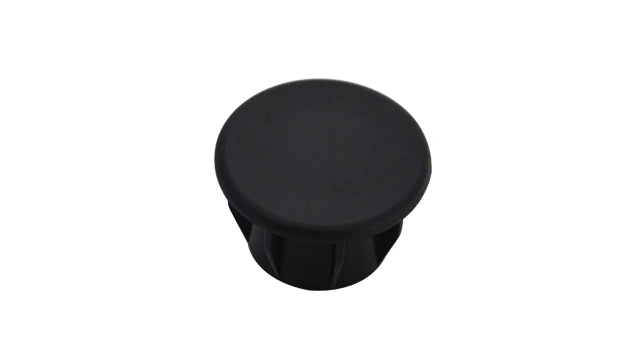
Plastic pipe end cap
Plastic pipe cover, used for 28mm two end cover and protection, to avoid any scratch from sharp metal surface.
In the fast-paced world of manufacturing and production, every detail counts. From the largest conveyor systems to the smallest components on a workbench, efficiency, safety, and durability are the cornerstones of a well-run operation. Yet, one often-overlooked element that can make or break these goals is the humble pipe end cap. While off-the-shelf options might seem like a quick fix, they rarely account for the unique demands of modern lean systems—where precision, adaptability, and long-term reliability are non-negotiable. This is where custom plastic pipe end caps step in: not just as accessories, but as tailored solutions designed to address the specific pain points of your production line.
The Hidden Cost of "One-Size-Fits-All" End Caps
Walk into any production facility, and you'll likely find pipes—whether they're part of a lean pipe workbench, a flow rack, or a turnover trolley—capped with generic plastic ends. At first glance, these might seem functional: they cover sharp edges, prevent debris from entering pipes, and give a finished look. But dig deeper, and the limitations become clear. A standard end cap might be too loose, leading to frequent falls and wasted time spent reattaching it. Or it might be made of a rigid plastic that cracks under the weight of daily use, creating safety hazards like jagged edges. In a lean system, where every second of downtime translates to lost productivity, these small frustrations add up.
Consider a scenario in an automotive assembly plant: a flow rack using lean pipe relies on smooth material movement to keep the line running. If the end caps on the rack's support pipes are ill-fitting, they might protrude slightly, catching on boxes or tools as workers load materials. Over time, this not only slows down operations but also increases the risk of workplace injuries. Similarly, in a food processing facility, standard end caps might not meet FDA standards for food contact, forcing teams to either compromise on safety or spend extra on specialized (but still generic) alternatives that don't quite fit their unique pipe sizes.
The truth is, "one-size-fits-all" end caps are designed to serve the broadest possible market, not your specific workflow. They can't account for the unique diameters of your lean pipe, the environmental conditions of your facility (like high humidity or exposure to chemicals), or the ergonomic needs of your team. And in a lean system—where the goal is to eliminate waste in all forms—this mismatch is a waste of time, money, and resources.
What Makes Custom Plastic Pipe End Caps Different?
Custom plastic pipe end caps are engineered with your operation in mind. They start with a simple question: What do you need this end cap to do? Maybe you need it to withstand repeated impacts in a busy warehouse, so it's made with a flexible, impact-resistant plastic. Or perhaps you need it to seal tightly to prevent dust buildup in a cleanroom, so it's designed with a snug, gasket-like fit. Whatever your challenge, custom end caps are built to solve it—no compromises.
Material Matters: Beyond Basic Plastic
Off-the-shelf end caps are typically made from low-cost polyethylene, which works for light use but fails in harsh environments. Custom solutions, however, let you choose materials tailored to your needs. For example:
- Food-Grade Plastics: In facilities handling food or pharmaceuticals, end caps can be made from FDA-approved materials like polypropylene, ensuring compliance with safety regulations.
- ESD-Safe Options: In electronics manufacturing, where static electricity can damage sensitive components, custom end caps can include conductive additives to dissipate static charges.
- Heat-Resistant Polymers: For facilities with high-temperature zones (like near ovens or welding stations), end caps can be crafted from materials like PEEK or nylon, which withstand extreme heat without warping.
Precision Sizing for a Perfect Fit
One of the biggest advantages of custom end caps is their precision. Lean pipe comes in various diameters—from 28mm basic aluminum tube to 40mm stainless steel pipe series—and standard end caps often only cover the most common sizes. If your facility uses non-standard or specialized pipes (like aluminum lean pipe with unique wall thickness), a custom end cap can be molded to match exactly, ensuring a tight, secure fit that won't slip or loosen over time. This isn't just about convenience: a snug fit also reduces vibration, which can extend the life of your lean pipe structures by minimizing wear and tear.
Ergonomic and Functional Design
Custom end caps go beyond "covering" pipes—they can enhance functionality. For example, if workers frequently grip pipes to move trolleys or adjust workbenches, a custom end cap can include a textured surface for better grip, reducing the risk of slips. Or, in a facility where space is tight, end caps can be designed with a low-profile shape to prevent them from catching on passing equipment. Some even include integrated features like small hooks for hanging tools or notches for cable management, turning a simple cap into a multi-purpose component that adds value to your lean system.

Key Applications in Lean Systems
Lean systems thrive on adaptability, and custom plastic pipe end caps play a role in nearly every component, from workbenches to material racks. Let's explore a few critical applications where customization makes a tangible difference:
Lean Pipe Workbenches: Safety and Durability
A lean pipe workbench is the heart of many production lines, where workers assemble, inspect, or package products. The pipes supporting the workbench's surface take constant abuse—from tools being leaned against them to heavy components being placed on the bench. A generic end cap here might crack under pressure, exposing the pipe's sharp edge and creating a hazard. A custom end cap, however, can be reinforced with ribbing or made from a high-impact plastic (like ABS) to withstand daily wear, keeping the workbench safe and functional for years.
Flow Racks and Roller Tracks: Smooth Material Handling
Flow racks and roller tracks rely on unobstructed movement to keep materials flowing to the line. If the end caps on the rack's support pipes are too tall or uneven, they can disrupt the path of boxes or bins, causing jams. Custom end caps can be designed with a flush, low-profile finish, ensuring materials glide smoothly without interference. In some cases, they can even be color-coded to match different material types (e.g., red for urgent parts, blue for standard inventory), adding a visual cue that speeds up picking and reduces errors.
Turnover Trolleys: Mobility Without Compromise
Turnover trolleys are workhorses in warehouses, transporting heavy loads across the facility. The pipes on these trolleys are subject to constant vibration and movement, which can loosen standard end caps. A custom end cap with a friction-fit design or a locking mechanism (like a small tab that snaps into the pipe's groove) ensures it stays in place, even over rough floors. For trolleys used in cleanrooms, custom end caps can also be made with smooth, non-porous surfaces that are easy to sanitize, maintaining strict hygiene standards.

The Customization Process: From Challenge to Solution
Creating a custom plastic pipe end cap isn't about reinventing the wheel—it's about listening to your needs and engineering a solution that fits. The process typically involves a few key steps, designed to ensure the final product addresses your specific challenges:
| Step | What Happens | Why It Matters |
|---|---|---|
| 1. Challenge Assessment | Your lean pipe supplier works with you to identify pain points: Is the current end cap too loose? Does it crack easily? Is it unsafe? | Ensures the custom cap solves your actual problem, not just a hypothetical one. |
| 2. Material Selection | Based on your environment (temperature, chemicals, food contact) and use case (weight, impact), the supplier recommends materials (e.g., polypropylene, ABS, ESD-safe blends). | Ensures durability and compliance with industry standards. |
| 3. Design & Prototyping | Using 3D modeling, the supplier creates a design tailored to your pipe size, fit, and functionality. A prototype is then produced for testing. | Let's you see and test the cap before full production, ensuring it meets expectations. |
| 4. Testing & Refinement | The prototype is tested in your facility under real-world conditions. Feedback is used to tweak the design (e.g., adjusting the fit or adding grip). | Validates performance in your unique workflow, not just a lab. |
| 5. Production & Delivery | Once approved, the custom caps are manufactured in bulk, with options for branding (like your company logo) or color-coding. | Delivers a consistent, scalable solution that integrates seamlessly into your operation. |
The best part? This process is often faster and more cost-effective than you might think. With modern manufacturing techniques like injection molding and 3D printing, even small batches of custom end caps can be produced quickly, so you don't have to wait months to see improvements.
Why Partner with a Specialized Lean Pipe Supplier?
When it comes to custom plastic pipe end caps, not all suppliers are created equal. A general plastics manufacturer might offer customization, but they lack the deep understanding of lean systems that's critical to designing an effective solution. A specialized lean pipe supplier, on the other hand, lives and breathes production workflows. They know how lean pipe structures are used, what stresses they're under, and what features will actually improve efficiency.
For example, a lean pipe supplier will recognize that a end cap for a workbench in a automotive plant needs to handle heavy impacts, while one for a pharmaceutical facility needs to be easy to clean. They'll also have access to a range of materials and design tools specifically suited for lean environments, ensuring your custom cap integrates seamlessly with your existing lean pipe, aluminum profile, or stainless steel pipe series.
Additionally, a specialized supplier can offer ongoing support. If your production needs change—say, you switch to a larger diameter lean pipe or expand into a new facility—they can quickly adjust the end cap design to match, ensuring consistency across your operation. This long-term partnership is invaluable in a lean system, where adaptability is key to staying competitive.
Investing in Customization: A Lean Decision
At the end of the day, custom plastic pipe end caps are more than a purchase—they're an investment in your lean system's efficiency, safety, and longevity. They eliminate the waste of constant replacements, reduce downtime from ill-fitting parts, and create a safer environment for your team. And in a lean system, where every improvement is measured by its ability to add value, this is a decision that pays dividends.
So, the next time you find yourself replacing a cracked, loose, or ill-fitting end cap, ask: Is this the best my production line can do? With custom plastic pipe end caps, the answer is no. You deserve a solution that's built for your challenges, your workflow, and your success. After all, in lean manufacturing, the smallest details often make the biggest difference.