- Company Articles
- Products and Technology
- Solution
- Custom Plastic Pipe Sleeves: Tailored Solutions for Unique Lean Manufacturing Requirements

Custom Plastic Pipe Sleeves: Tailored Solutions for Unique Lean Manufacturing Requirements
Related Product
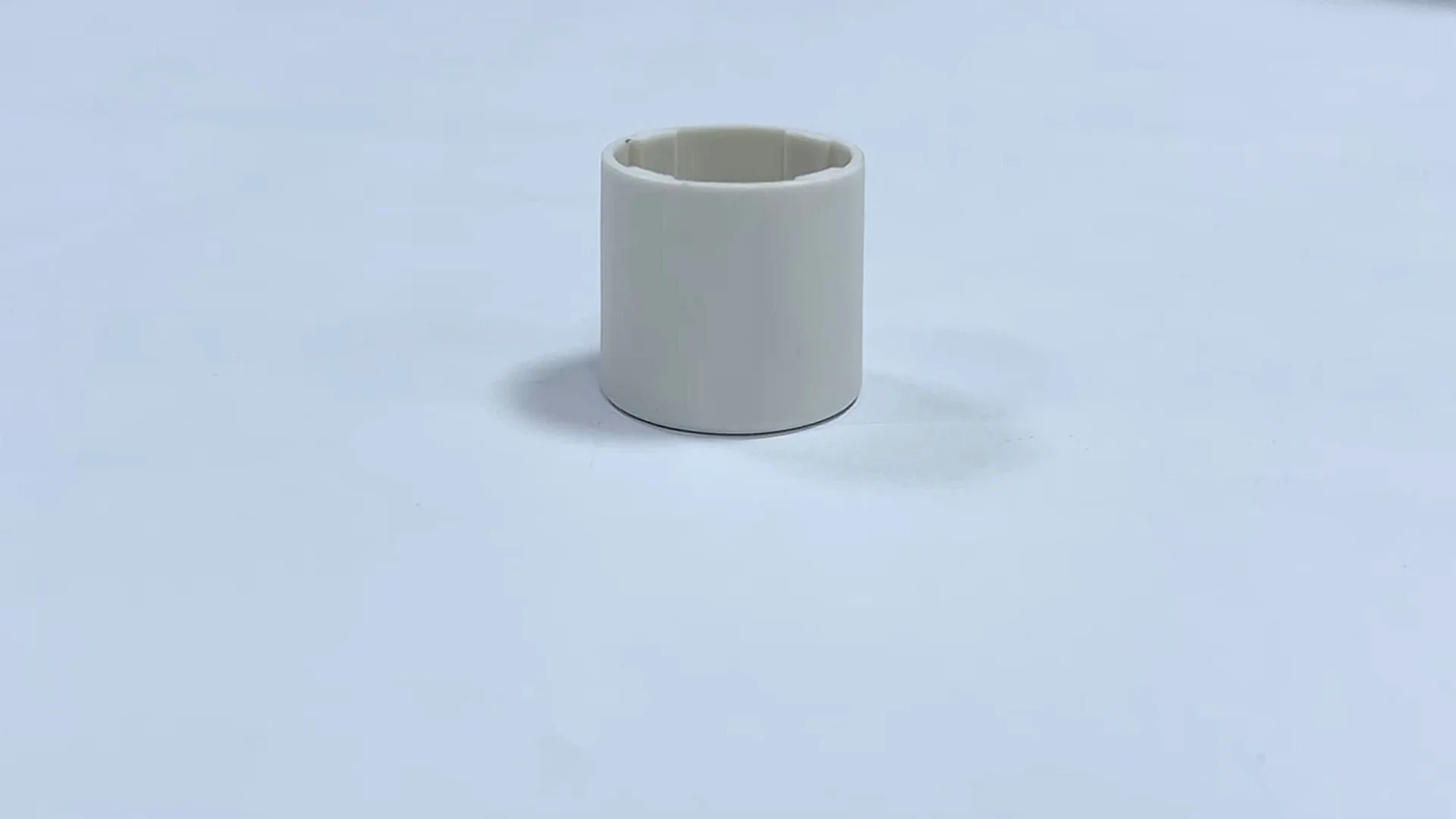
Plastic Pipe Sleeve
Plastic pipe sleeve to cover dia 28MM aluminum pipe end to contact with ground.
In the fast-paced world of manufacturing, where every second counts and adaptability is key, lean systems have become the backbone of efficient operations. Yet, even the most well-designed lean setups can hit a wall when faced with one-size-fits-all components. This is where custom plastic pipe sleeves step in—not just as accessories, but as silent problem-solvers that bridge the gap between rigid standardization and the unique rhythms of your production floor. Whether you're assembling a lean pipe workbench that needs to withstand heavy daily use or optimizing a flow rack to reduce material handling time, the right sleeve can turn a functional setup into a seamless, intuitive workspace. Let's dive into how these unassuming components are redefining what's possible in lean manufacturing.
What Are Custom Plastic Pipe Sleeves, Anyway?
At first glance, a plastic pipe sleeve might seem like a simple tube—something you could pick up off the shelf without a second thought. But in the context of lean manufacturing, it's so much more. These sleeves are designed to fit snugly over lean pipe or aluminum lean pipe, acting as a protective layer, a buffer against friction, or even a color-coded organizational tool. What makes them "custom" is their ability to be tailored to your specific needs: length, thickness, material composition, and even surface properties like anti-static (ESD) coatings or non-slip textures.
Imagine a scenario where your assembly line uses a mix of metal and plastic components. A standard sleeve might scratch the plastic parts or wear down quickly from constant contact. A custom sleeve, however, can be crafted from a softer, more durable polymer that cushions delicate items while standing up to the daily grind. Or consider a food processing facility where hygiene is non-negotiable—custom sleeves made from food-grade plastic can be easily sanitized, ensuring compliance without sacrificing efficiency. These aren't just "sleeves"; they're extensions of your team's needs, designed to work with your process, not against it.
Why "One-Size-Fits-All" Falls Short in Lean Systems
Lean manufacturing thrives on eliminating waste—whether it's time, materials, or unnecessary movement. But standard components often introduce hidden waste of their own. A sleeve that's too long forces workers to trim it on-site, eating into production time. One that's too thin might crack under heavy loads, leading to frequent replacements. And if it lacks ESD properties in an electronics assembly area? That's a risk of costly product damage. These small inefficiencies add up, turning a "lean" system into one that's silently bleeding resources.
| Challenge with Standard Sleeves | How Custom Sleeves Solve It |
|---|---|
| Ill-fitting lengths cause trimming delays | Precision-cut to your exact pipe dimensions |
| Generic materials wear quickly in high-friction areas | Material selection based on usage (e.g., high-density polyethylene for heavy use) |
| Lack of ESD protection risks static damage | ESD-safe formulations for electronics or sensitive components |
| Uniform color makes visual organization hard | Custom colors for zone marking (e.g., red for urgent materials, green for finished goods) |
The beauty of custom sleeves lies in their ability to adapt to your workflow, not the other way around. For example, a automotive parts manufacturer might need sleeves with extra grip to prevent oily components from slipping on a flow rack. A pharmaceutical plant could require sleeves that resist harsh cleaning chemicals. In each case, the solution isn't just a "better" sleeve—it's a sleeve that's been listening to the unique challenges of your operation.

Where Custom Sleeves Make the Biggest Difference
Custom plastic pipe sleeves aren't limited to one area of the production floor—their versatility makes them indispensable across various lean components. Let's break down a few key applications where they truly shine:
Lean Pipe Workbenches: Comfort Meets Durability
A lean pipe workbench is where your team spends hours assembling, inspecting, or packaging products. If the pipes under the work surface are cold to the touch in winter or slippery when hands are sweaty, it's not just discomfort—it's a productivity killer. Custom sleeves can be designed with a soft, insulated outer layer to keep surfaces warm and grippy, turning a functional workbench into a space where your team actually wants to work. Plus, if your workbench doubles as a temporary storage area for tools, color-coded sleeves can help workers quickly identify where each tool belongs, cutting down on "hunting time" and keeping the workspace organized.
Flow Racks: Smoothing the Path for Materials
Flow racks are all about gravity-fed efficiency—materials glide from the back to the front, ensuring first-in-first-out (FIFO) inventory and reducing manual lifting. But when standard sleeves create too much friction, materials get stuck, forcing workers to nudge them along. Custom sleeves, on the other hand, can be engineered with a low-friction inner lining that lets products slide smoothly, even with heavier loads. For example, a manufacturer of small electronics might use 0.5-inch swivel roller balls in their flow rack; pairing these with a custom plastic sleeve that's slightly tapered at the ends can prevent jams and keep components moving at the perfect pace.
ESD Workstations: Protecting Sensitive Electronics
In industries like semiconductor manufacturing or medical device assembly, electrostatic discharge (ESD) is a silent threat. A single static spark can ruin a $1,000 circuit board, making ESD workstations non-negotiable. Custom plastic pipe sleeves play a critical here by dissipating static charges before they reach sensitive components. Unlike standard sleeves that may lack consistent ESD properties, custom versions are formulated with conductive additives that ensure a steady path to ground, giving your team peace of mind that every product that leaves their station is intact.

The Customization Process: From "I Need This" to "It Fits Perfectly"
So, how do you go from identifying a need to holding a custom sleeve that feels like it was made just for your setup? The process is surprisingly collaborative—and it starts with a conversation. Reputable lean pipe suppliers don't just take orders; they ask questions: What's the maximum weight the sleeve will support? Will it be exposed to chemicals or extreme temperatures? Does your team need color-coding for 5S organization? These details shape everything from material selection to design tweaks.
Once the requirements are clear, the design phase begins. Using CAD software, engineers draft a prototype that aligns with your specs—whether that's a sleeve with a reinforced seam for extra durability or a notched edge to fit around a specific lean pipe joint. Many suppliers then 3D-print a sample, letting you test it on your actual equipment before full production. This iterative process ensures there are no surprises when the final order arrives. And because most custom sleeves are made in batches, even small production runs (think 50 or 100 units) are feasible, making them accessible for both large facilities and small workshops.
Case Study: How Custom Sleeves Transformed a Automotive Parts Plant
The Challenge: A mid-sized automotive parts manufacturer was struggling with their lean pipe workbenches. The standard black plastic sleeves they'd been using were cracking after just 3–4 months of use, exposing the metal lean pipe underneath. This not only looked unprofessional but also created sharp edges that scratched workers' gloves and occasionally damaged the plastic components they were assembling.
The Solution: After consulting with a lean system supplier, the plant opted for custom plastic pipe sleeves made from a high-impact polypropylene blend. The new sleeves were 0.5mm thicker than standard, with a textured outer layer to improve grip and a smooth inner layer to reduce friction against the pipe. They also chose a bright orange color to align with their 5S "sort" phase, making it easier to spot misaligned tools or materials.
The Result: Six months later, the sleeves showed zero signs of cracking. Worker feedback was overwhelmingly positive—gloves lasted longer, and there were no more reports of scratched components. Best of all, the plant estimated a 15% reduction in time spent replacing damaged sleeves, freeing up maintenance staff to focus on more critical tasks. As one line supervisor put it: "It's the little things that make the biggest difference. These sleeves just work , so we can focus on building better parts."

Material Matters: Choosing the Right Plastic for Your Needs
Not all plastics are created equal, and the material you choose for your custom sleeve can make or break its performance. Here's a quick breakdown of the most common options and when to use them:
- Polypropylene (PP): The workhorse of plastics. PP sleeves are lightweight, chemical-resistant, and affordable—ideal for general-purpose use on workbenches or flow racks.
- Polyvinyl Chloride (PVC): More rigid than PP, PVC offers excellent impact resistance. It's a good choice for sleeves that need to support heavy loads, like those on turnover trolleys.
- Polyethylene (PE): Known for its flexibility and low friction. PE sleeves are great for applications where materials slide over the pipe, such as roller tracks or conveyor systems.
- ESD-Compliant Blends: These include additives like carbon black or metal fibers to dissipate static. Essential for ESD workstations or any area handling sensitive electronics.
Sustainability is also becoming a key factor. Many suppliers now offer sleeves made from recycled plastics or biodegradable polymers, letting you align your lean goals with eco-friendly practices. It's a small step, but in an industry increasingly focused on reducing waste, every choice counts.
Looking Ahead: Custom Sleeves in the Age of Industry 4.0
As manufacturing evolves toward smart factories and Industry 4.0, custom plastic pipe sleeves are poised to play an even bigger role. Imagine sleeves embedded with RFID tags that track usage and send alerts when they're due for replacement, or sensors that monitor temperature or vibration—turning passive components into active data collectors. While this might sound like science fiction, early adopters are already experimenting with "smart sleeves" that feed into their facility's IoT systems, providing real-time insights into equipment health and workflow bottlenecks.
Even without high-tech add-ons, the future of custom sleeves is bright. As lean manufacturing continues to emphasize worker-centric design—creating spaces that prioritize comfort, safety, and efficiency—components that adapt to human needs (rather than forcing humans to adapt) will become non-negotiable. Custom plastic pipe sleeves are leading this charge, proving that sometimes the most impactful innovations are the ones that work quietly, behind the scenes, to make every day on the production floor a little smoother.
Conclusion: Your Lean System Deserves a Custom Fit
In the end, lean manufacturing isn't just about cutting costs or speeding up production—it's about creating systems that respect the people who use them and the unique challenges of each operation. Custom plastic pipe sleeves embody this philosophy. They're a reminder that efficiency doesn't have to mean compromise—that with the right partner, even the smallest components can be tailored to elevate your entire workflow. Whether you're building a new lean system from scratch or upgrading an existing setup, don't overlook the power of a sleeve that's made just for you. After all, your production floor isn't "standard"—why should your parts be?
Ready to see what custom plastic pipe sleeves can do for your operation? Reach out to a trusted lean pipe supplier today—and start turning your unique challenges into your biggest strengths.