- Company Articles
- Products and Technology
- Solution
- Custom Roller Track Placon Mount Brackets: Tailored Solutions for Medical Device Manufacturing

Custom Roller Track Placon Mount Brackets: Tailored Solutions for Medical Device Manufacturing
Related Product
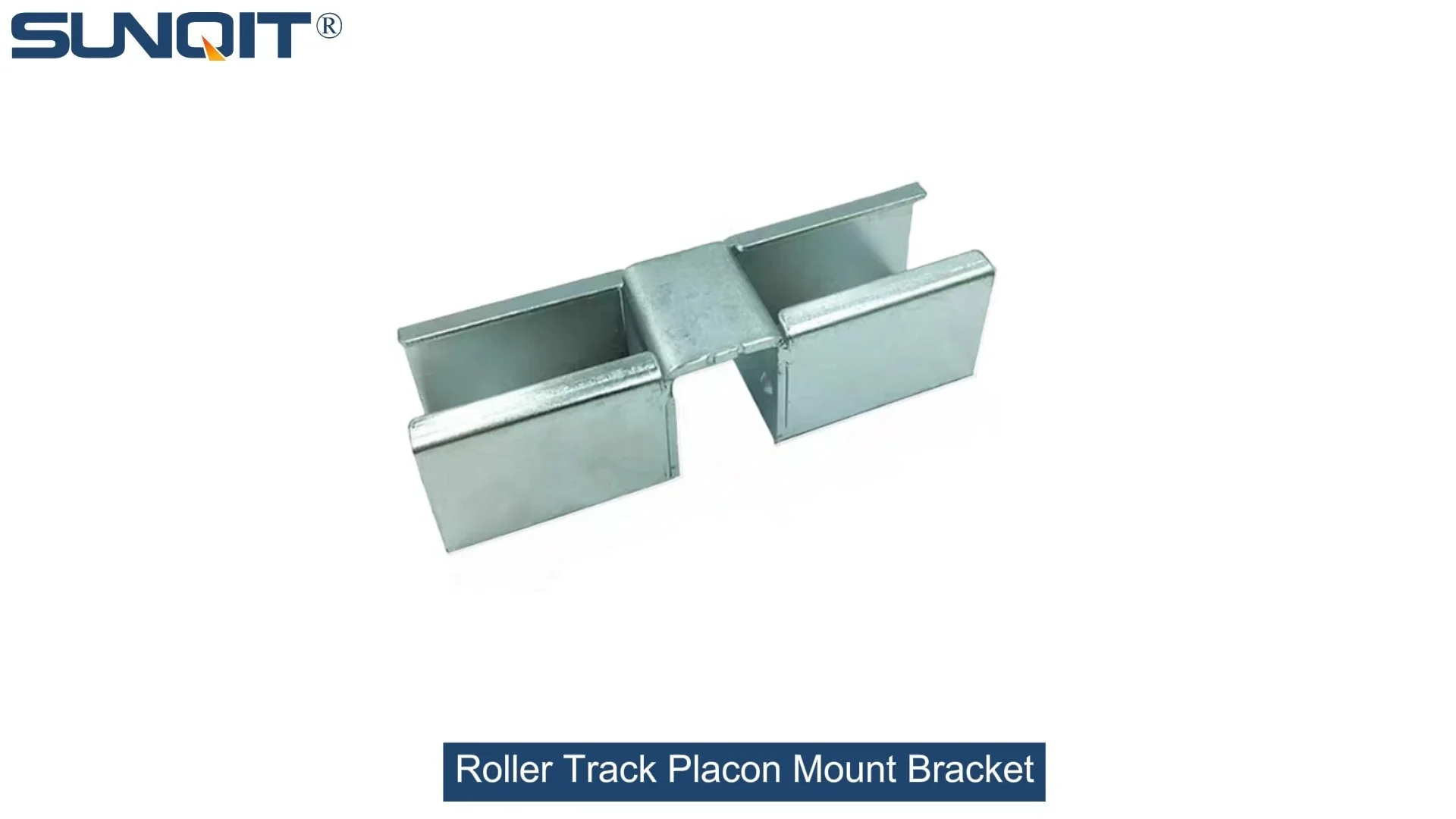
Roller Track Placon Mount Bracket
Roller track placon mount work as a connector for roller track and pipe or aluminum profile in rack syetem, it is a necessary parts in rack system which widely used in industrial plant and logistic,warehouse storage.
Medical device manufacturing is a world where precision isn't just a goal—it's a necessity. Every component, from tiny surgical screws to complex imaging machines, demands flawless assembly. But here's the reality: many production lines still struggle with clunky, one-size-fits-all equipment that slows down workflows, increases errors, and makes compliance with strict industry regulations a constant headache. That's where custom roller track placon mount brackets come in. These unassuming yet critical components are the unsung heroes of lean, efficient medical device assembly lines, designed to fit your unique needs like a perfectly tailored glove.
Why Roller Track Placon Mount Brackets Matter in Medical Manufacturing
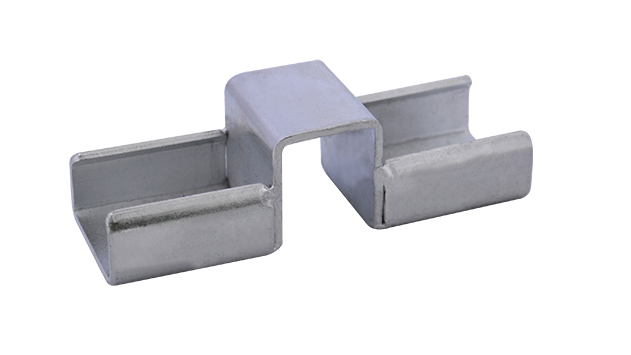
Let's start with the basics: what exactly are roller track placon mount brackets? Think of them as the backbone that holds your roller track systems together. They secure the tracks to aluminum profiles, ensuring stability while allowing for the precise alignment needed to move delicate medical components smoothly. In an industry where even a fraction of a millimeter misalignment can lead to costly rework or, worse, compromised product quality, these brackets aren't just accessories—they're foundational to your operation.
But not all brackets are created equal. Medical device manufacturing environments are unique. They require materials that resist corrosion (since cleanliness is non-negotiable), components that won't generate static (to protect sensitive electronics), and systems that can adapt as your production needs evolve. Off-the-shelf brackets often fall short here. They're designed for general manufacturing, not the tight tolerances and specific challenges of medical assembly. That's why customization isn't a luxury—it's a must.
The Power of Customization: Building Around Your Needs
Imagine assembling a diagnostic machine that requires multiple stages of component placement, each with different height and angle requirements. A standard bracket might force you to adjust your workflow to fit the equipment, leading to awkward operator positions or inefficient material flow. A custom roller track placon mount bracket, on the other hand, is designed around your workflow. It can be angled at 30°, 45°, or any degree needed to align with your ESD workstation. It can be paired with internal rotatary aluminum joints to allow for smooth adjustments as you switch between product models. And because it's built with your specific aluminum profiles in mind, there's no need for makeshift fixes or extra parts that add clutter and risk.
This level of customization is only possible when you work with a supplier who understands both lean manufacturing principles and the nuances of medical device production. It starts with a deep dive into your process: What components are you moving? How fast do they need to travel? What are your space constraints? From there, engineers design brackets that integrate seamlessly with your existing aluminum pipe accessories, ensuring every part of the system works in harmony.
Key Benefits of Custom Roller Track Placon Mount Brackets
- Precision Alignment: Ensures delicate medical components move smoothly, reducing the risk of jams or damage.
- ESD Compatibility: Works with ESD workstations to prevent static buildup, critical for sensitive electronics.
- Durable Materials: Made with high-grade aluminum to resist corrosion and withstand frequent cleaning.
- Adaptability: Easy to reconfigure as your production needs change, supporting lean "continuous improvement" goals.
- Cost Efficiency: Reduces waste from misalignment and rework, lowering long-term operational costs.
Integrating with ESD Workstations and Conveyor Systems
Medical devices, especially those with electronic components like pacemakers or diagnostic monitors, are extremely sensitive to electrostatic discharge (ESD). Even a small static charge can fry a circuit board, rendering a product useless. That's why ESD workstations are standard in medical manufacturing—and your roller track system needs to play nice with them.
Custom roller track placon mount brackets are designed to integrate seamlessly with ESD workstations. They're made with materials that dissipate static, and their precise fit ensures that components glide from the roller track to the workstation without unnecessary handling. This not only protects your products but also cuts down on manual transfers, reducing the risk of human error and freeing up your team to focus on more skilled tasks.
But the integration doesn't stop there. These brackets also work hand-in-hand with conveyor systems, creating a fully connected material flow. Imagine a line where components move from the warehouse via conveyor, transition smoothly onto roller tracks secured by placon mount brackets, and then feed directly into ESD workstations—all without a single hiccup. That's the power of a truly integrated lean system.

Standard vs. Custom: A Clear Winner for Medical Manufacturing
You might be thinking, "Can't I just buy standard brackets and make them work?" In theory, yes. But in practice, it's a bit like trying to put a square peg in a round hole—you'll waste time, money, and risk compromising quality. Let's break down the differences:
| Feature | Off-the-Shelf Brackets | Custom Roller Track Placon Mount Brackets |
|---|---|---|
| Fit to Your System | One-size-fits-all; may require modification | Designed for your exact aluminum profiles and workflow |
| ESD Compatibility | Not always guaranteed; may need additional grounding | Built-in ESD protection materials and design |
| Adaptability | Fixed design; hard to reconfigure | Modular; easy to adjust as production needs change |
| Long-Term Cost | Lower upfront cost, but higher due to rework/waste | Higher initial investment, but lower total cost of ownership |

Real Impact: How Custom Brackets Transformed a Medical Device Line
Let's look at a hypothetical (but realistic) example. A mid-sized medical device manufacturer was struggling with their infusion pump assembly line. They were using standard roller track brackets that didn't align properly with their ESD workstations, leading to frequent jams. Components would get stuck, requiring operators to stop the line and manually free them up—costing an estimated 15 hours of production time per week. Worse, the misalignment was causing minor scratches on delicate pump casings, leading to a 3% defect rate that ate into profits.
They switched to custom roller track placon mount brackets, designed specifically for their aluminum profiles and workflow. The results? The jams stopped entirely. The defect rate dropped to 0.5%. And with the line running smoothly, they reclaimed those 15 hours of weekly production time—enough to increase output by 12% without adding shifts. Plus, because the brackets were modular, they could easily reconfigure the line when they launched a new pump model six months later, avoiding the need to buy an entirely new system.
This isn't an isolated case. Medical device manufacturers across the globe are discovering that investing in custom lean solutions like roller track placon mount brackets isn't just about fixing a problem—it's about unlocking new levels of efficiency and quality.
Why Partnering with a Lean Solution Supplier Matters
Designing and manufacturing custom roller track placon mount brackets isn't a DIY project. It requires expertise in both lean manufacturing principles and medical industry standards. That's why choosing the right supplier is just as important as the brackets themselves.
A reliable lean solution supplier will start by listening. They'll visit your facility, talk to your team, and understand your unique challenges—whether it's space constraints, strict FDA compliance, or the need to handle ultra-fragile components. From there, their engineering team will design a solution that integrates seamlessly with your existing aluminum pipe accessories, ESD workstations, and conveyor systems. They'll prototype, test, and refine until it's perfect, then support you through installation and beyond.
Look for a supplier with a track record in medical device manufacturing. They should be familiar with materials like aluminum lean pipe and internal rotatary aluminum joints, and they should offer a full range of aluminum pipe accessories to ensure compatibility. Most importantly, they should share your commitment to lean principles—focused on eliminating waste, improving flow, and enabling continuous improvement.
Ready to Elevate Your Medical Device Assembly Line?
Medical device manufacturing is a high-stakes industry where precision, efficiency, and compliance are non-negotiable. Custom roller track placon mount brackets might not be the most glamorous part of your operation, but they're a game-changer when it comes to building a lean, resilient assembly line. They adapt to your needs, protect your products, and help you deliver life-saving devices with the quality and efficiency your customers expect.
So, if you're tired of making do with off-the-shelf solutions that slow you down, it's time to consider the custom difference. Your assembly line, your team, and your bottom line will thank you.