- Company Articles
- Products and Technology
- Solution
- Custom Solutions for 3C & Medical: Flat Swivel Castor Wheel with Brake Tailored Designs

Custom Solutions for 3C & Medical: Flat Swivel Castor Wheel with Brake Tailored Designs
Related Product
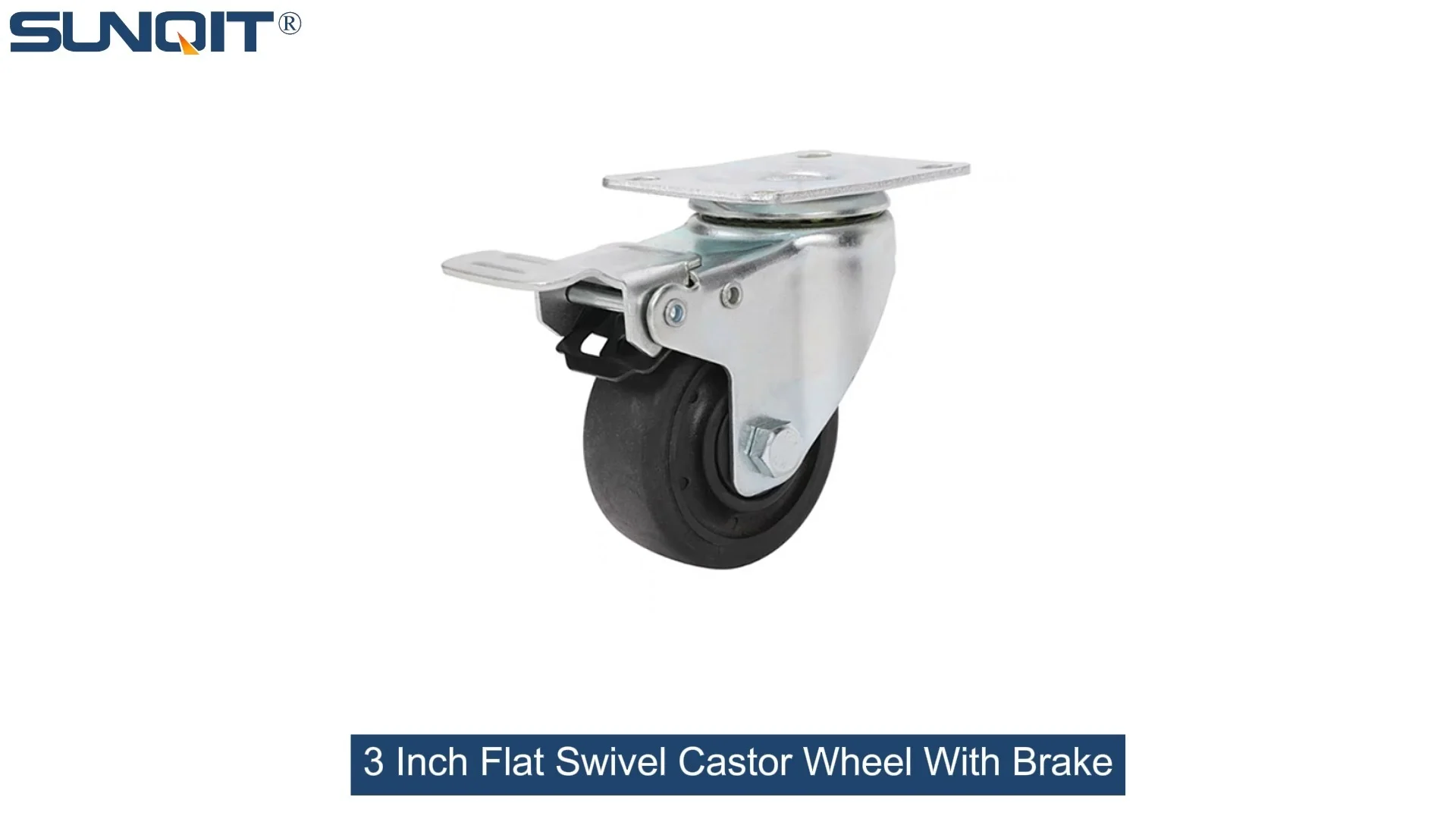
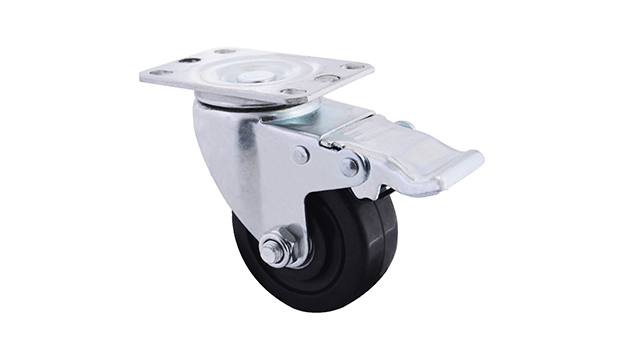
Flat Swivel Castor Wheel With Brake
Chair Casters Ball Bearing Wheels Rubber Base with brake design. Resistant to abrasion, impact and corrosion. Heavy payload can hold 70Kgs per pcs,which can make it works at a stable and smooth status.
The Critical Role of Mobility in 3C & Medical Environments
In the fast-paced worlds of 3C (Computer, Communication, Consumer Electronics) manufacturing and medical care, every second counts. A 3C assembly line might produce hundreds of smartphones per hour, with workers moving between stations to piece together tiny components. A hospital lab could see technicians rushing to analyze samples, where delayed mobility might mean the difference between timely results and missed diagnoses. In both settings, mobility isn't just a convenience—it's the backbone of efficiency, safety, and productivity. Yet, the tools that enable this mobility—often components like castor wheels—are frequently overlooked until they fail.
Walk into any 3C factory or medical facility, and you'll notice a symphony of movement: workbenches holding delicate circuit boards glide across the floor, medical carts loaded with reagents shift between lab stations, and material racks stocked with components roll smoothly into place. At the heart of this movement lies a critical component: the castor wheel. But not just any castor wheel. In environments where precision, cleanliness, and adaptability are non-negotiable, the "flat swivel castor wheel with brake" has emerged as a game-changer—proving that even the smallest parts can drive the biggest operational improvements.
Understanding the Unique Demands: Why "One-Size-Fits-All" Falls Short
3C and medical industries share a common trait: they operate in environments where "good enough" is never enough. Let's break down their unique challenges to see why generic mobility solutions often miss the mark.
In 3C manufacturing, the workspace is a dynamic puzzle. Assembly lines reconfigure daily to accommodate new product models; workbenches must shift to align with updated workflows, and material racks need to squeeze into tight gaps between machinery. Add to this the need to handle fragile components—think microchips or camera lenses—and suddenly, a castor wheel that jerks or locks up isn't just inefficient; it's a recipe for costly damage. Weight is another factor: aluminum profiles, widely used in 3C workbenches for their strength-to-weight ratio, demand castors that can support moderate loads (often 50-150kg) without adding unnecessary bulk.
Medical environments, meanwhile, operate under even stricter constraints. Sterility is paramount—surfaces must withstand frequent cleaning with harsh disinfectants, and materials must resist harboring bacteria. Maneuverability is equally critical: imagine a nurse navigating a medication cart through a crowded hospital corridor, or a lab technician positioning a centrifuge cart within inches of a biosafety cabinet. Here, castors must offer smooth, precise movement, even when loaded with heavy equipment (200kg+). And let's not forget safety: a cart holding radioactive samples or surgical tools can't drift or roll unexpectedly—a reliable brake mechanism isn't an add-on; it's a lifeline.
In both sectors, the "one-size-fits-all" castor wheel—with its generic plastic wheels, flimsy brakes, and one-track design—fails spectacularly. It's too rigid for 3C's ever-changing layouts, too porous for medical's sterility standards, and too clunky for the tight, high-stakes spaces where every millimeter matters. This is where tailored solutions step in—and at the forefront of this customization revolution is the flat swivel castor wheel with brake.
The Star Player: Flat Swivel Castor Wheel with Brake – Beyond Basic Mobility
At first glance, a castor wheel might seem simple: a wheel, a swivel joint, and maybe a brake. But the flat swivel castor wheel with brake redefines what this humble component can do. Let's unpack its design elements to understand why it's become indispensable in 3C and medical settings.
Design Precision for Tight Spaces
The "flat" in "flat swivel castor wheel" is no accident. Unlike traditional castors with bulky housings that extend outward, flat designs hug the base of the equipment they're attached to. This low-profile build is a game-changer in cramped 3C factories, where workbenches and material racks often sit just centimeters apart. A flat castor reduces the overall footprint of the equipment, making it easier to navigate narrow aisles or tuck carts into storage when not in use. In medical labs, where floor space is dominated by large machines like MRI scanners or incubators, this slim design means carts can slide into tight gaps without blocking pathways—a small detail that keeps workflows moving and staff safe from collisions.
The swivel mechanism, too, is engineered for precision. A high-quality flat swivel castor offers 360-degree rotation with minimal resistance, allowing users to pivot carts or workbenches in place without dragging or straining. This is a boon for 3C workers adjusting their stations to reach components, or medical staff repositioning a mobile ultrasound machine to get the perfect angle. No more wrestling with stiff wheels—just smooth, intuitive movement.
Brake Mechanisms: Safety First in Sensitive Settings
If the swivel enables movement, the brake ensures control. In 3C and medical environments, where even a slight roll can have serious consequences, the brake mechanism is the unsung hero of the flat swivel castor wheel. But not all brakes are created equal—and customization here is key.
For 3C assembly lines, where workers frequently lean on workbenches while soldering or testing components, a "total lock" brake is ideal. This design locks both the wheel and the swivel joint, preventing any movement—even if someone bumps the bench. In contrast, medical settings often prefer "wheel-only" brakes, which lock the wheel but allow the swivel to rotate slightly. This flexibility lets staff adjust the direction of a cart (say, a medication trolley) without unlocking it, reducing the risk of accidental movement during adjustments.
Ergonomics also play a role. Brake levers are positioned for easy access—no bending or stretching—so workers or medical staff can engage/disengage them with a quick foot tap. In high-pressure environments, this split-second convenience adds up, reducing fatigue and keeping focus on the task at hand.
Material Selection: Durability Meets Cleanliness
What's under the wheel matters as much as the wheel itself. In 3C and medical settings, material selection for castor wheels is a balancing act between durability, cleanliness, and floor protection.
For 3C factories, where floors are often smooth concrete or epoxy, polyurethane (PU) wheels are a popular choice. They're non-marking (critical for maintaining a clean workspace), offer excellent grip to prevent slippage, and absorb shocks—important when transporting delicate electronics. Aluminum hubs add strength without adding weight, complementing the lightweight aluminum profiles used in 3C workbenches.
Medical environments, on the other hand, often opt for thermoplastic rubber (TPR) or stainless steel wheels. TPR resists chemicals, making it ideal for frequent disinfection, while stainless steel stands up to corrosion and high temperatures (useful in autoclave rooms). Both materials are non-porous, so they don't trap dirt or bacteria—a must for operating rooms or biosafety labs.
Even the swivel joint gets special attention. Sealed bearings prevent dust and debris from entering, ensuring smooth rotation over time. In medical settings, some models even feature antimicrobial coatings on metal parts, an extra layer of protection against pathogens.

Tailored Solutions: How Customization Drives Efficiency
The true power of the flat swivel castor wheel with brake lies in its ability to adapt. No two 3C factories or medical facilities are identical, so customization isn't a luxury—it's how these components deliver real value. Let's explore how customization integrates with key elements of 3C and medical workflows: lean systems, workbenches, aluminum profiles, and roller tracks.
Integration with Lean Systems: Streamlining Workflows
Lean systems—focused on minimizing waste and maximizing value—are the backbone of modern 3C manufacturing. A core principle of lean is "flow": ensuring materials, tools, and workers move through the process with minimal interruption. Here, the flat swivel castor wheel with brake becomes a silent partner in workflow optimization.
Imagine a 3C assembly line producing smartwatches. When a new model launches, the line must reconfigure to accommodate smaller screens and new sensors. With generic castors, moving workbenches and material racks would take hours—workers struggling with heavy, unweildy equipment, disrupting production. But with custom flat swivel castors, each workbench glides into place in minutes. The brakes lock securely, ensuring the new layout stays stable, and the swivel joints allow for precise alignment with roller tracks (more on those later). The result? Downtime reduced by 40%, and a workflow that adapts as quickly as market demands change.
In medical settings, lean principles apply too—though here, "waste" often translates to time spent searching for tools or repositioning equipment. A lab using lean practices might equip all reagent carts with flat swivel castors, allowing technicians to reposition carts around testing stations in seconds. The brakes ensure carts stay put during testing, and the smooth movement reduces physical strain, letting staff focus on analyzing samples rather than wrestling with equipment.
Compatibility with Workbenches and Aluminum Profiles
Workbenches are the command centers of 3C assembly and medical labs. In 3C, they're often built with aluminum profiles—lightweight, modular, and easy to customize. But a workbench is only as flexible as its mobility system, which is why the flat swivel castor wheel with brake is engineered to pair seamlessly with these profiles.
Custom mounting plates ensure the castors attach securely to aluminum profile frames, even when the bench is loaded with tools, components, or testing equipment. Load capacity is tailored to the bench's intended use: a 3C workbench holding small circuit boards might use castors rated for 80kg, while a medical workbench with a built-in centrifuge could require 150kg+ capacity. The flat design of the castor keeps the workbench low to the ground, improving stability and reducing the risk of tipping—critical when working with fragile or hazardous materials.
Modularity is another advantage. If a workbench needs to be upgraded—say, adding a second shelf for more components—the castors can be easily swapped for higher-capacity models without replacing the entire bench. This modularity aligns with the "build-to-adapt" philosophy of aluminum profile systems, keeping costs down and extending the life of equipment.
Adapting to Roller Tracks: Smooth Material Flow
In 3C manufacturing, roller tracks are the arteries that keep materials flowing—think circuit boards gliding from soldering to testing stations, or phone cases moving from molding to assembly. To keep this flow smooth, the castor wheels on material racks and trolleys must complement the roller tracks, not compete with them.
Custom wheel treads are key here. On roller tracks with metal rollers, a hard, smooth wheel surface (like nylon) reduces friction, allowing racks to roll effortlessly. For plastic roller tracks, softer PU wheels prevent scratching and noise, keeping the workspace quiet and the tracks in good condition. The swivel joint, too, plays a role: it allows racks to transition from roller tracks to open floor without binding, ensuring a continuous flow from one stage of production to the next.
In medical warehouses, where roller tracks might transport sterile supplies, castors with non-marking wheels prevent contamination, while sealed bearings keep lubricants from leaking onto tracks—a small detail that avoids costly cleanup and maintains sterility standards.

Case in Point: Real-World Applications in 3C and Medical Settings
Talk is cheap—let's look at how tailored flat swivel castor wheels with brake have transformed operations for two hypothetical (but realistic) businesses: a 3C manufacturer and a medical lab.
3C Manufacturing: Assembly Line Flexibility at Scale
XYZ Electronics, a mid-sized 3C manufacturer, was struggling with its smartwatch assembly line. With new models launching quarterly, reconfiguring workbenches and material racks took 8 hours per changeover—eating into production time and delaying product launches. Their generic castors were the culprit: heavy, hard to maneuver, and prone to locking up on the factory's epoxy floors.
After consulting with a custom mobility solutions provider, XYZ upgraded to flat swivel castor wheels with brake. The results were immediate: changeover time dropped to 2 hours, as workers could now glide workbenches into place with minimal effort. The brakes kept benches stable during assembly, reducing component damage by 25%. The non-marking PU wheels preserved the factory's clean aesthetic, and the aluminum hubs matched the weight of their aluminum profile workbenches, keeping the overall setup lightweight and agile. Today, XYZ can reconfigure its line twice weekly, staying ahead of competitors and meeting tight launch deadlines.
Medical Labs: Sterility and Maneuverability in High-Stakes Settings
City General Hospital's diagnostic lab was facing a different challenge: sterility. Their old equipment carts, fitted with generic rubber wheels, had crevices that trapped dirt and bacteria, even after cleaning. Technicians were spending 15 minutes per cart disinfecting wheels—a time drain in a lab processing 200+ samples daily.
The solution? Flat swivel castor wheels with brake, customized with sealed stainless steel bearings and TPR wheels. The TPR material is non-porous, so it wipes clean with disinfectant in seconds, and the sealed bearings prevent debris from accumulating. The brakes, positioned for easy foot operation, ensured carts stayed put during testing, reducing the risk of spills. Within a month, cleaning time dropped by 60%, and lab audits showed a 30% reduction in surface bacteria on cart wheels. "It's the little things," said Dr. Maya Patel, lab director. "These castors didn't just save time—they made our lab safer."
Comparing Custom Castor Solutions: 3C vs. Medical Requirements
| Application | Typical Load Capacity (kg) | Brake Type | Wheel Material | Key Compatibility Features |
|---|---|---|---|---|
| 3C Assembly Workbench | 80-120 | Total lock (wheel + swivel) | Polyurethane (PU) with aluminum hub | Mounting plates for aluminum profiles; compatible with roller tracks |
| Medical Reagent Cart | 150-200 | Wheel-only lock | Thermoplastic rubber (TPR) with stainless steel hub | Sealed bearings for sterility; non-marking wheels |
| 3C Material Rack (Roller Track Compatible) | 120-180 | Total lock | Nylon (low friction) | Smooth-rolling design for alignment with roller tracks |
| Medical Equipment Trolley (Surgical Tools) | 200-250 | Dual-lock (wheel + swivel) | Stainless steel (heat-resistant) | Antimicrobial coating; high-temperature resistance |
Choosing the Right Partner: Beyond Suppliers – Collaborative Problem Solvers
Custom solutions require more than a supplier—they demand a partner who understands your unique challenges. When selecting a provider for flat swivel castor wheels with brake (or any mobility component), look for three key traits:
1. Deep Industry Knowledge: The best partners don't just sell castors—they understand the nuances of 3C and medical environments. They'll ask questions like, "What disinfectants do you use?" or "How often do your workbenches reconfigure?" to tailor solutions that fit your workflow, not just your specifications.
2. Engineering Expertise: Customization often involves tweaking designs—adjusting brake tension, modifying wheel hardness, or creating unique mounting plates. A partner with in-house engineering can prototype, test, and refine solutions quickly, ensuring they work before full deployment.
3. Commitment to Collaboration: Your team knows your workflow best; a good partner will listen, iterate, and co-create solutions. Whether it's a 3C manufacturer needing castors for a new aluminum profile workbench or a hospital lab requiring antimicrobial wheels, collaboration ensures the final product solves real problems, not just checks boxes.
Conclusion: The Future of Custom Mobility Solutions
In 3C and medical environments, the difference between good and great operations often lies in the details. The flat swivel castor wheel with brake, once an afterthought, has emerged as a critical tool in driving efficiency, safety, and adaptability. Its ability to integrate with lean systems, workbenches, aluminum profiles, and roller tracks makes it more than a mobility component—it's a catalyst for innovation.
As 3C manufacturing continues to evolve with smaller, more complex devices, and medical care pushes for faster, more precise diagnostics, the demand for tailored mobility solutions will only grow. The future belongs to castor wheels that don't just move equipment—but move the needle on how work gets done.
So, the next time you walk through a 3C factory or medical lab, take a moment to notice the wheels beneath the workbenches, carts, and racks. Chances are, they're flat swivel castor wheels with brake—quietly, reliably, and custom-built to keep the world of 3C and medical care moving forward.