- Company Articles
- Products and Technology
- Product knowledge
- Customer Reviews: Two Way Lean Pipe Joint Chrome Performance in Factories

Customer Reviews: Two Way Lean Pipe Joint Chrome Performance in Factories
Related Product
Two Way Lean Pipe Joint Chrome
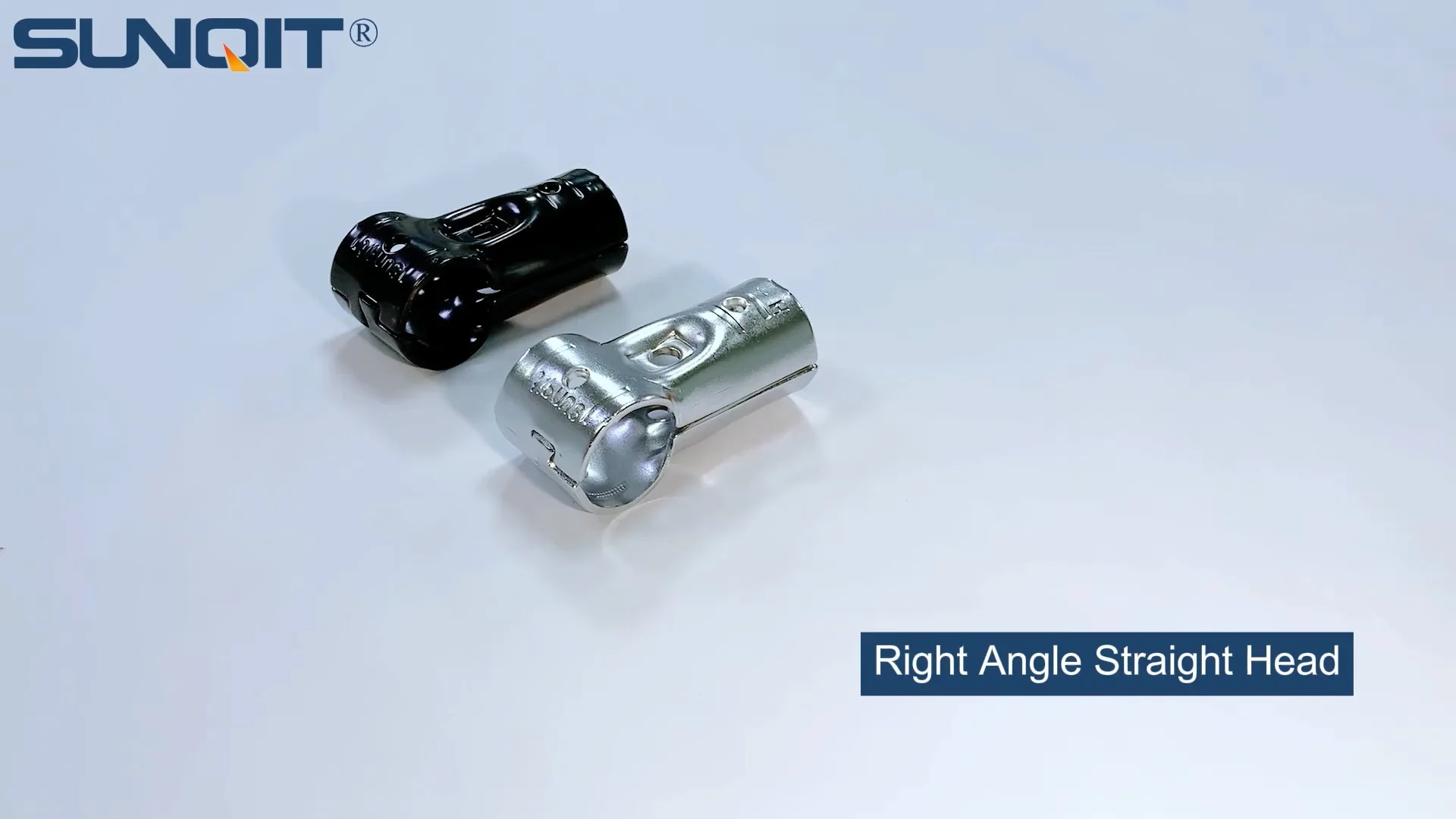
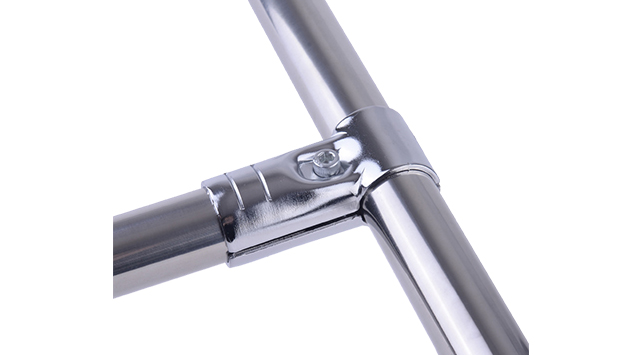
Two way lean pipe joint for 2 pcs 28MM lean pipe connection in straight angle, which used widely in workbench, flow rack, hand trolley frame connection.
In the fast-paced world of manufacturing, where every second counts and efficiency can make or break a production line, the smallest components often play the biggest roles. Lean manufacturing isn't just a buzzword—it's a daily commitment to streamlining processes, reducing waste, and keeping operations running like a well-oiled machine. And at the heart of many lean setups lies a humble yet critical part: the pipe joint. Today, we're diving into real customer experiences with one such component that's been turning heads in factories across industries: the Two Way Lean Pipe Joint Chrome. We'll hear from plant managers, production supervisors, and floor workers who've integrated this joint into their lean systems, exploring how it's transformed their workbenches, flow racks, and daily workflows. No sales pitches, no jargon—just honest stories about what happens when a well-designed component meets real-world demands.
Customer Story 1: Automotive Parts Plant Eliminates Downtime with Durable Joints
"We Used to replace Joints Weekly—Now They Last for Months"
At Precision Auto Components, a mid-sized manufacturer of engine parts in Ohio, the production floor runs 12-hour shifts, six days a week. For years, their lean pipe workbenches—used for assembling intricate valve components—were a source of constant frustration. "Our old pipe joints were plastic, and with the constant vibration from the tools and the weight of the parts, they'd crack or loosen every few days," says Mark Torres, the plant's production supervisor. "We'd have to stop the line, disassemble the bench, replace the joint, and recalibrate the setup. It was costing us 2-3 hours of downtime each week, not to mention the cost of replacement parts."
In early 2024, Mark's team decided to overhaul their lean system. After researching options, they reached out to a local lean system supplier who recommended the Two Way Lean Pipe Joint Chrome. "I was skeptical at first—how different could a joint really be?" Mark admits. "But the supplier sent samples, and we tested one on our busiest workbench. That was six months ago, and that joint is still holding strong. We've since replaced all 18 workbenches with these chrome joints, and downtime related to bench failures has dropped to zero."
"The chrome coating makes a huge difference. Our old plastic joints would get sticky with oil and grime, but these wipe clean easily. And the metal construction means they don't flex under heavy loads. One of our assemblers even joked that we could hang a car engine from them—and I almost believe it." — Mark Torres, Production Supervisor, Precision Auto Components
Beyond durability, Mark notes the ease of assembly was a pleasant surprise. "Our maintenance team used to struggle with aligning the old joints, which often led to wobbly workbenches. The Two Way Lean Pipe Joint Chrome has a precision fit—you just slide the pipe in, tighten the screw, and it's locked in place. We can reconfigure a workbench in 15 minutes now, compared to an hour before. That flexibility has been a game-changer for switching between product runs."
Customer Story 2: Electronics Manufacturer Boosts Flow Rack Efficiency
"From Jams to Smooth Sailing: How Chrome Joints Fixed Our Material Flow"
Over in Portland, Oregon, GreenWave Electronics assembles circuit boards for medical devices—a process that demands pinpoint accuracy and a steady supply of small, delicate components. Their main challenge? Flow racks that kept jamming. "We use flow racks to move component trays from the warehouse to the assembly line," explains Lisa Wong, GreenWave's logistics coordinator. "The racks have roller tracks, and the trays glide down to the workers. But our old joints were made of cheap steel, and over time, they'd rust or bend, causing the tracks to misalign. Trays would get stuck, and workers would have to step away from their stations to free them up. It was a constant interruption."
Lisa's team tried lubricating the joints, painting them to prevent rust, even welding them in place—but nothing worked for long. Then, during a lean manufacturing workshop, they learned about the Two Way Lean Pipe Joint Chrome from a colleague. "We ordered a batch and replaced the joints on one flow rack as a test," she says. "Within a week, we noticed a difference. The tracks stayed aligned, and the trays moved smoothly. We didn't have a single jam. Now, all 12 of our flow racks use these joints, and the assembly line has been 30% more productive—no more interruptions means workers can focus on soldering and testing, not unjamming trays."
"What I love most is the versatility. We recently had to adjust the height of one flow rack to accommodate taller trays. With the Two Way Lean Pipe Joint Chrome, we just loosened the screws, repositioned the pipes, and tightened them back up. It took 10 minutes, and the rack was as stable as before. With the old joints, we would've had to cut new pipes and re-weld everything. This joint turns 'major project' into 'quick fix.'" — Lisa Wong, Logistics Coordinator, GreenWave Electronics
Customer Story 3: Food Packaging Plant Solves Hygiene and Durability Issues
"Chrome Joints Stand Up to Daily Sanitizing—Plastic Ones Never Did"
In the food packaging industry, cleanliness isn't just a priority—it's a legal requirement. At FreshWrap Packaging in Texas, which produces plastic wrap for grocery stores, the production area undergoes rigorous daily sanitization with high-pressure hoses and chemical cleaners. For years, their lean pipe workbenches and turnover trolleys relied on plastic joints, which quickly became a problem. "The sanitizing process would warp the plastic joints, making them porous," says Carlos Mendez, FreshWrap's plant manager. "Mold would grow in the cracks, and we'd have to replace the joints every month to pass health inspections. It was expensive and unsustainable."
Carlos's team started researching metal joints but worried about rust. "Steel joints would corrode under the constant moisture, and stainless steel was too expensive," he recalls. Then, their lean system supplier suggested the Two Way Lean Pipe Joint Chrome. "Chrome plating is naturally resistant to corrosion, and the supplier guaranteed it could handle our sanitizing routine. We were skeptical, but we installed them on a trolley and a workbench. Six months later, they still look brand new—no rust, no warping, no mold. We've since replaced all plastic joints with these, and our maintenance costs have dropped by 70%."
"The workers love them too. The old plastic joints would get slippery when wet, and the trolleys would wobble. The chrome joints are sturdy, so the trolleys glide smoothly, even when fully loaded. And during sanitizing, they're easy to wipe down—no crevices for gunk to hide. It's a small change, but it's made a huge difference in our daily operations." — Carlos Mendez, Plant Manager, FreshWrap Packaging

Why the Two Way Lean Pipe Joint Chrome Stands Out: A Technical Deep Dive
What makes this joint different from the dozens of other pipe joints on the market? We talked to engineers and product specialists to break down the key features that customers like Mark, Lisa, and Carlos are raving about.
1. Chrome Plating: More Than Just Shiny—It's a Protective Shield
The chrome plating isn't just for aesthetics. It forms a hard, corrosion-resistant layer that protects the underlying steel from moisture, chemicals, and wear. Unlike painted or powder-coated joints, chrome doesn't chip or peel, even under heavy use. This is why Carlos's team at FreshWrap hasn't seen rust, and Lisa's flow racks at GreenWave stay aligned—no rust means no warping or misalignment.
2. Precision Engineering for a Tight, Stable Fit
The Two Way Lean Pipe Joint Chrome is designed with a 360-degree grip on the pipe. The internal clamping mechanism uses a metal-to-metal connection that distributes pressure evenly, preventing the pipe from slipping or rotating. This is why Mark's workbenches at Precision Auto stay stable—even with constant vibration, the joints don't loosen. And because the fit is precise, reconfiguring the setup (like adjusting a workbench height or flow rack angle) is quick and easy—no guesswork, no wobble.
3. Compatibility with Existing Lean Systems
One of the biggest complaints we heard about other joints was that they only worked with specific pipe sizes or brands. The Two Way Lean Pipe Joint Chrome, however, is compatible with standard lean pipes (both steel and aluminum), making it easy to retrofit into existing systems. "We didn't have to replace our pipes—just the joints," Lisa from GreenWave notes. "That saved us a ton of money and time."
| Factory | Industry | Key Challenge | Solution: Two Way Lean Pipe Joint Chrome | Main Benefits | Rating (1-5 Stars) |
|---|---|---|---|---|---|
| Precision Auto Components | Automotive Parts | Plastic joints cracking/loosening on lean pipe workbenches, causing downtime | Replaced plastic joints with chrome-plated metal joints | Zero downtime, 15-minute reconfiguration time, durability (6+ months) | ★★★★★ |
| GreenWave Electronics | Electronics Manufacturing | Rusty/bent joints misaligning flow rack roller tracks, causing tray jams | Upgraded flow rack joints to chrome-plated version | No jams, 30% productivity increase, easy height adjustments | ★★★★★ |
| FreshWrap Packaging | Food Packaging | Plastic joints warping/molding under daily sanitization | Replaced plastic joints with chrome-plated steel joints | Corrosion resistance, 70% lower maintenance costs, stable trolleys | ★★★★☆ |
The Bottom Line: It's About Trust—In the Product and the Supplier
Listening to Mark, Lisa, and Carlos, a pattern emerges: the Two Way Lean Pipe Joint Chrome isn't just a better joint—it's a tool that lets them focus on what matters most: making quality products, keeping their teams productive, and hitting their goals. But there's another piece to the puzzle they all mentioned: the importance of a reliable lean system supplier. "It wasn't just the joint itself," Mark says. "Our supplier provided samples, walked us through installation, and even checked in a month later to see how things were going. That kind of support makes a big difference when you're trying to implement a new component."
In the end, lean manufacturing is about more than just efficiency—it's about building systems you can trust, with components that won't let you down. For these factories, the Two Way Lean Pipe Joint Chrome has become a cornerstone of that trust. It's not flashy, it's not revolutionary—but in the gritty, hands-on world of factory work, sometimes the best innovations are the ones that simply do their job, day in and day out, so you can do yours.