- Company Articles
- Products and Technology
- Product knowledge
- Customizable Heights: Adjustable Suction Cup Anti-Slip Foot Adjusters

Customizable Heights: Adjustable Suction Cup Anti-Slip Foot Adjusters
Related Product
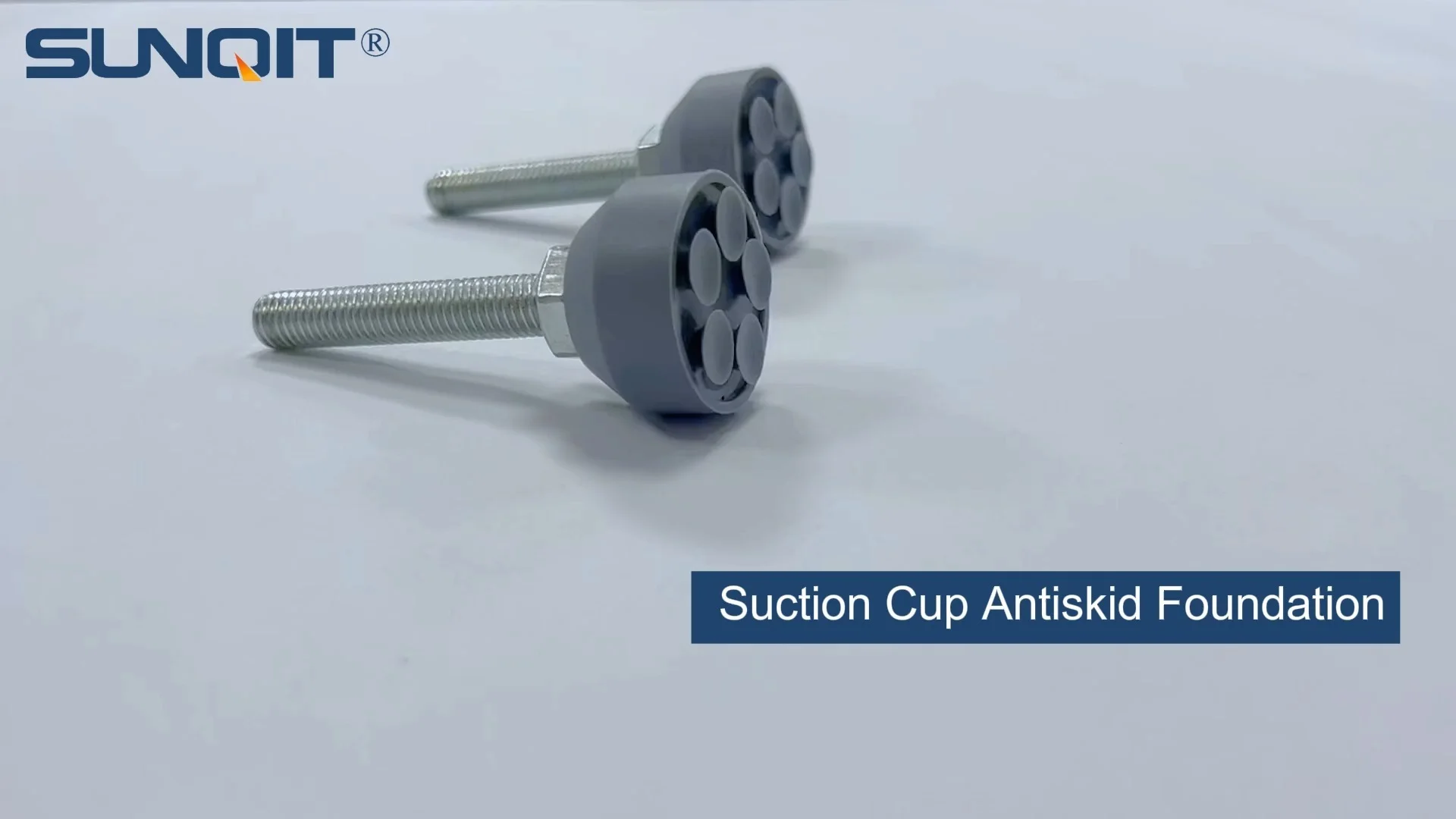
Suction Cup Anti-slip Foot Adjuster
D=35mm suction cup anti-slip foot adjusterï¼screw M10*55ï¼with a blot, used for workbench, flowrack pipe contact with groud.
Introduction: The Unsung Hero of Stable Workspaces
Walk into any workshop, factory floor, or even a home garage, and you'll notice something that rarely gets attention but makes all the difference: the feet under workbenches, racks, and equipment. These small components might seem trivial, but they're the silent guardians of stability. Picture this: a busy production line where a lean pipe workbench wobbles slightly every time a worker places a heavy tool on it. Over time, that wobble turns into frustration, wasted time adjusting, and even safety risks. Now, imagine that same workbench standing firm, no matter how uneven the floor or how much weight is piled on top. That's the magic of adjustable suction cup anti-slip foot adjusters—and today, we're diving deep into why they're a game-changer for anyone who values stability, safety, and efficiency.
Whether you're setting up a new assembly station, organizing a warehouse, or upgrading old equipment, the right foot adjusters can transform chaos into order. They're not just "parts"—they're investments in smoother workflows, happier workers, and fewer headaches. Let's start by understanding the problem they solve: uneven floors.
The Problem with Uneven Floors: More Than Just a Wobble
Most floors aren't perfect. Concrete slabs crack, tiles settle, and even brand-new warehouses can have subtle dips and bumps. For anyone working with lean systems —where every second counts and precision matters—these imperfections aren't just annoying; they're productivity killers. A workbench that rocks back and forth makes tasks like assembling small parts or using power tools far harder than they need to be. Workers end up compensating, straining their wrists or backs to steady the workspace. Over time, that leads to fatigue, slower output, and even injuries.
Then there's the safety risk. A rack with unstable feet could tip over if loaded unevenly, spilling materials or damaging products. A conveyor that sits crookedly might jam, bringing an entire line to a halt. And let's not forget the little things: tools rolling off a slanted surface, drawers that stick because the cabinet isn't level, or the constant need to prop up furniture with shims (we've all been there, using random pieces of wood or cardboard to "fix" a wobbly table). These quick fixes are temporary, unsightly, and never truly solve the problem.
Fixed feet? They're rigid, so if the floor isn't flat, they can't adapt. Caster wheels are great for mobility, but they sacrifice stability—lock them, and they still might not grip well on smooth or uneven surfaces. So what's the solution? Enter adjustable suction cup anti-slip foot adjusters: the best of both worlds, combining height customization with unbeatable grip.

What Are Adjustable Suction Cup Anti-Slip Foot Adjusters?
At their core, these foot adjusters are designed to do two things: level equipment on uneven surfaces and prevent slipping. But they do it in a way that's smarter and more versatile than traditional options. Let's break them down:
First, the "adjustable" part. Unlike fixed feet, these adjusters let you tweak the height of each corner independently. Turn a knob, twist a bolt, or rotate the base, and you can raise or lower that corner by a few millimeters to a few centimeters—just enough to compensate for those annoying floor dips. No more shims, no more guesswork.
Then, the "suction cup anti-slip" feature. The bottom of each foot is a durable, rubberized suction cup that grips the floor like a gecko's foot. It doesn't just sit there—it adheres , even on smooth surfaces like polished concrete or tile. This means no sliding, no shifting, and no sudden movements, even when the equipment is jostled or vibrated (hello, heavy machinery!).
Finally, the "foot adjuster" label. These aren't just for workbenches—they're versatile enough to fit racks, trolleys, conveyor supports, and more. Think of them as the Swiss Army knife of stability: one tool, countless applications.

Key Features: Why These Foot Adjusters Stand Out
Not all foot adjusters are created equal. The best ones combine durability, ease of use, and versatility. Let's take a closer look at the features that make adjustable suction cup anti-slip foot adjusters a cut above the rest:
| Feature | Description | Benefit |
|---|---|---|
| Suction Cup Base | Rubberized, concave design that creates a vacuum seal with the floor. | Prevents slipping even on smooth or slightly wet surfaces; absorbs minor vibrations. |
| Height Adjustment Range | Typically 10mm to 50mm (varies by model), with clear markings for precision. | Adapts to floors with dips, cracks, or unevenness up to 5cm deep. |
| Anti-Slip Threads | Coarse, high-grip threads on the adjustment bolt. | Stays locked in place once set; no accidental lowering from vibration. |
| Heavy-Duty Construction | Stainless steel or zinc-plated body; corrosion-resistant materials. | Withstands heavy loads (up to 500kg per foot!) and harsh environments. |
| Universal Fit | Standard M10 or M12 threads; compatible with most workbenches, racks, and equipment. | Easy to retrofit onto existing tools without custom modifications. |
Pro Tip: Look for models with a "lock nut" feature. This small nut tightens against the base after adjusting, ensuring the height stays set even under heavy use. It's a tiny detail that adds huge peace of mind!

Materials & Durability: Built to Last in Tough Environments
When you're investing in equipment feet, you want something that won't crack, rust, or wear out after a few months. That's why the best adjustable suction cup foot adjusters are built with tough materials. Let's break down what goes into making them durable:
Metal Body: The main structure is usually made of stainless steel or zinc-plated steel. Stainless steel is ideal for damp environments (like food processing plants or outdoor workshops) because it resists rust. Zinc-plated steel is more budget-friendly but still tough enough for most indoor settings.
Rubber Suction Cup: The suction cup itself is made of high-quality, oil-resistant rubber. Why oil-resistant? Because many workshops use lubricants or coolants that can degrade cheap rubber. A good suction cup will stay flexible and grippy for years, even with occasional exposure to chemicals.
Reinforced Threads: The threads that allow height adjustment are precision-machined and often coated to prevent stripping. This means you can adjust them hundreds of times without worrying about the bolt getting stuck or the threads wearing down.
Compare this to cheap plastic foot adjusters, which crack under heavy loads, or basic metal feet without suction cups, which slide around on smooth floors. These aren't just upgrades—they're long-term solutions.
Customization Options: One Size Doesn't Fit All
Every workspace is unique, and your foot adjusters should be too. That's why adjustable suction cup anti-slip foot adjusters come in a range of sizes, styles, and configurations. Here are the most common customization options to consider:
Height Range: Need to adjust by just a few millimeters? There are models with a 10-30mm range. Dealing with seriously uneven floors? Go for 30-50mm or even 50-80mm adjustability. The key is to measure your floor's worst-case unevenness and choose a range that covers it with room to spare.
Suction Cup Diameter: Larger cups (like 60mm or 80mm) distribute weight better and grip more firmly, making them ideal for heavy equipment. Smaller cups (40mm) work well for lighter workbenches or tight spaces where a big cup would get in the way.
Thread Size: Most equipment uses M10 or M12 threads, but double-check your workbench or rack's mounting holes to be sure. Some suppliers even offer adapters if you need to switch between sizes.
Color: Okay, color might not affect performance, but it can help with organization! Some brands offer colored suction cups (red, blue, yellow) so you can match them to your equipment or use color-coding to identify different adjustment ranges at a glance.
And if you can't find exactly what you need? Many suppliers offer custom solutions—whether that's a longer bolt, a specialized thread, or a unique cup shape. Don't settle for "close enough" when the right fit is just a conversation away.
Applications: Where These Foot Adjusters Shine
Adjustable suction cup anti-slip foot adjusters aren't just for lean pipe workbenches —they're versatile enough to improve almost any piece of equipment that needs stability. Let's explore some common (and not-so-common) uses:
Lean Pipe Workbenches & Tables: This is where they're most popular. A stable workbench makes tasks like assembly, packaging, or quality control faster and more accurate. No more chasing rolling tools or repositioning materials because the surface isn't level.
Material Racks & Shelving: Racks loaded with heavy boxes or parts need a solid base to prevent tipping. Foot adjusters ensure the rack stands straight, even if the floor dips in one corner, reducing the risk of collapse.
Conveyor Systems: Conveyors rely on being perfectly level to move products smoothly. A slight tilt can cause jams or uneven wear on belts/rollers. Adjustable feet let you fine-tune the conveyor's angle, keeping things moving without hiccups.
CNC Machines & 3D Printers: Precision equipment needs to stay vibration-free. The suction cup base absorbs minor shocks, while height adjustment ensures the machine sits level for accurate cuts or prints.
Home Workshops & Garages: Even DIYers benefit! A wobbling tool chest or workbench in your garage can make projects frustrating. These foot adjusters turn rickety setups into professional-grade workspaces.
One of our favorite stories? A small electronics manufacturer was struggling with a lean pipe workbench that kept shifting during circuit board assembly. Workers were spending 10 minutes a day just readjusting parts. After installing adjustable suction cup foot adjusters, that time dropped to zero—and their error rate on assemblies plummeted. Small change, big results.
Comparing to Other Solutions: Why Not Casters or Fixed Feet?
You might be thinking, "Why not just use casters for mobility, or fixed feet for simplicity?" Great question—let's compare:
vs. Casters: Casters are fantastic for moving equipment around, but they're not built for stability. Even with locks, casters can slip on smooth floors, and they add height that might not be needed. Adjustable foot adjusters, on the other hand, keep equipment rooted in place when you need it to stay—and they're lower-profile, which can be crucial for under-shelf clearance.
vs. Fixed Feet: Fixed feet are simple and cheap, but they're useless on uneven floors. If your floor has a 1cm dip, your workbench will have a 1cm wobble—no way around it. Adjustable feet let you bridge that gap, turning a wobbly mess into a solid surface.
vs. Traditional Leveling Feet (No Suction): Regular leveling feet adjust height, but they lack the anti-slip grip. On smooth floors (like polished concrete or tile), they can still slide if pushed or vibrated. The suction cup adds that extra layer of security, keeping equipment in place even during heavy use.
So, when should you choose foot adjusters? When stability and precision matter more than mobility. If you need both? Many workbenches use a mix: two casters for moving and two adjustable feet for locking into place. It's the best of both worlds!
Installation Guide: Easy Enough for Anyone
You don't need to be a mechanic to install these foot adjusters—in fact, most people can do it in 10 minutes or less. Here's a step-by-step guide:
1. Gather Your Tools: You'll need a wrench (or pliers), a spirit level, and maybe a marker to note measurements. That's it!
2. Remove Old Feet (If Needed): If your equipment already has feet, unscrew them counterclockwise. Most are threaded, so they'll come off easily. If they're stuck, a little WD-40 can help.
3. Screw in the New Adjusters: Thread the adjustable foot into the mounting hole by hand. Tighten it with a wrench until it's snug—don't over-tighten, as you'll need to adjust the height later.
4. Level the Equipment: Place a spirit level on the surface of your workbench/rack. Check both side-to-side and front-to-back. For any low corners, turn the foot adjuster clockwise to raise it; for high corners, turn counterclockwise to lower it. Keep adjusting until the bubble in the level is centered.
5. Lock It In: If your adjusters have a lock nut, tighten it against the base of the equipment to prevent the foot from turning. For suction cups, press down firmly on the equipment to engage the vacuum seal—you'll hear a slight "pop" as it sticks.
Pro Tip: If you're installing multiple adjusters (like on a four-legged workbench), do one corner at a time. Start with the most uneven corner, then work your way around. It's easier than trying to adjust all four at once!
Maintenance Tips: Keeping Your Foot Adjusters in Top Shape
These foot adjusters are low-maintenance, but a little care goes a long way. Here's how to keep them working like new:
Clean the Suction Cup: Every few months, wipe the rubber cup with a damp cloth to remove dust, dirt, or oil. A clean cup grips better—simple as that.
Lubricate the Threads: If the adjustment knob starts to feel stiff, add a drop of machine oil to the threads. Wipe off excess to avoid attracting dirt.
Check for Wear: Inspect the rubber cup for cracks or tears. If it's starting to degrade, replace it—most suppliers sell replacement cups separately, so you don't need a whole new adjuster.
Re-Level After Moving: If you ever move the equipment, the floor might be different, so recheck the level and adjust as needed. It takes 2 minutes and ensures everything stays stable.
With these simple steps, your foot adjusters will last for years—saving you time and money on replacements.
Why Choose Our Adjustable Foot Adjusters? Quality You Can Trust
There are plenty of cheap foot adjusters on the market, but we believe in standing behind our products. Here's why customers keep coming back to us:
Tested for Durability: Every batch of our foot adjusters goes through stress tests—we load them with 500kg for 24 hours to ensure they don't bend or break. We also expose them to oil, water, and extreme temperatures to mimic real-world use.
Custom Solutions: Can't find the right size or thread? Our team will work with you to design a custom adjuster that fits your needs. No project is too small.
Expert Support: Not sure which model to choose? Our customer service team has years of experience helping people solve stability problems. We'll ask about your equipment, floor type, and needs, then recommend the perfect adjuster.
Affordable Prices: We believe everyone should have access to quality tools. That's why we keep our prices competitive without cutting corners on materials or testing.
At the end of the day, we're not just selling parts—we're selling peace of mind. Knowing your equipment is stable, safe, and ready to work hard means you can focus on what matters: growing your business, finishing projects, or simply enjoying your workspace.
Conclusion: Small Parts, Big Impact
Adjustable suction cup anti-slip foot adjusters might not be the most glamorous tools in your workshop, but they're among the most important. They turn wobbly workbenches into steady workspaces, frustrated workers into focused ones, and chaos into efficiency. Whether you're running a large factory with lean systems or tinkering in a home garage, these foot adjusters are the unsung heroes that make every task easier, safer, and more productive.
So, the next time you look at a workbench, rack, or piece of equipment, take a second to appreciate the feet holding it up. And if they're not adjustable suction cup anti-slip foot adjusters? Maybe it's time for an upgrade. Your back, your workers, and your bottom line will thank you.
Ready to stabilize your workspace? Contact us today to find the perfect foot adjusters for your needs. Here's to steady floors, steady hands, and steady progress—one adjustable foot at a time.