- Company Articles
- Products and Technology
- Product knowledge
- Customization Options for 38 Aluminum Roller Track Yellow with Side Guide

Customization Options for 38 Aluminum Roller Track Yellow with Side Guide
Related Product
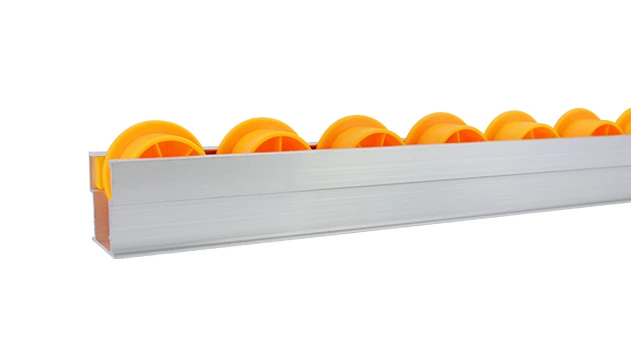
38 Aluminum Roller Track Yellow With Side Guide
Heavy duty roller tracks with flanged plastic rollers for use in processing, logistics and materials handling operations. Ideal for transporting goods quickly and easily as well as for installing on shelving to aid in picking operations.
Customization Options for 38 Aluminum Roller Track Yellow with Side Guide
Why Customize Your Roller Track?
Every manufacturing or warehousing facility has unique needs—whether it's a 3C assembly line handling fragile components or a logistics center moving heavy pallets. A one-size-fits-all roller track rarely fits perfectly into these diverse workflows. That's where customizing your 38 Aluminum Roller Track Yellow with Side Guide comes in. Small tweaks to length, load capacity, or accessories can turn a basic tool into a powerhouse that boosts efficiency, reduces waste, and aligns with your lean principles of reusable, sustainable improvement. Let's dive into the world of customization options for this versatile track and see how it can transform your daily operations.
Understanding the 38 Aluminum Roller Track Yellow with Side Guide
Before we explore customization, let's get to know the base product. The 38 Aluminum Roller Track Yellow with Side Guide is a staple in modern manufacturing and logistics. Its 38mm diameter aluminum tube is lightweight yet durable, making it easy to install and move without sacrificing strength. The yellow side guides are more than just a color choice—they're high-visibility markers that alert workers to the track's edges, reducing the risk of items slipping off during transport. This track is designed to work with a variety of components, from small 3C parts to medium-sized warehouse goods, but its true potential shines when tailored to your specific needs.
Key Customization Dimensions
1. Length & Segment Configurations
Standard roller tracks usually come in fixed lengths like 1 meter or 2 meters, but your facility might need something different. Maybe your 3C assembly line requires a 1.8-meter track to fit between two workstations, or your warehouse needs a 3.5-meter track to connect a storage area to a picking station. Custom length options let you get exactly what you need without cutting or modifying the track yourself (which saves time and reduces material waste).
Segmented configurations are another game-changer. Using roller track connectors, you can create tracks that turn 90 degrees, curve gently, or split into multiple branches. For example, a automotive parts manufacturer might use a segmented track to feed components to three different conveyor lines from a single storage rack. This flexibility ensures the track fits perfectly into your facility's layout, no matter how complex it is.
Segmented configurations are another game-changer. Using roller track connectors, you can create tracks that turn 90 degrees, curve gently, or split into multiple branches. For example, a automotive parts manufacturer might use a segmented track to feed components to three different conveyor lines from a single storage rack. This flexibility ensures the track fits perfectly into your facility's layout, no matter how complex it is.
2. Load Capacity Adjustments
The standard 38 aluminum roller track can handle around 30 kg per meter, but if you're moving heavier items—like automotive engine parts or large medical devices—you'll need a reinforced version. Customization options here include thicker aluminum walls (from 1.2mm to 2.0mm) or adding extra support brackets from aluminum profile accessories. These reinforcements can boost the load capacity to up to 60 kg per meter, making the track suitable for heavy-duty applications.
For lighter items, like delicate 3C components, you might opt for a lighter track with thinner walls to save on weight and cost. Either way, adjusting the load capacity ensures your track is neither over-engineered (wasting money) nor under-engineered (risking damage or accidents).
For lighter items, like delicate 3C components, you might opt for a lighter track with thinner walls to save on weight and cost. Either way, adjusting the load capacity ensures your track is neither over-engineered (wasting money) nor under-engineered (risking damage or accidents).
3. Surface & Coating Options
The standard track comes with yellow side guides, but you can customize the color to match your facility's aesthetic or safety protocols. Grey side guides (as seen in plastic roller track guide rail grey options) are popular for neutral-colored warehouses, while black ESD-coated guides are essential for 3C assembly lines where static electricity can damage sensitive components.
Coating options go beyond color. Anti-corrosion coatings are ideal for facilities with high humidity, like food processing or pharmaceutical warehouses. ESD coatings (electrostatic discharge) are a must for any operation handling electronic parts—they prevent static buildup from damaging components, reducing product defects and saving you money in the long run.
Coating options go beyond color. Anti-corrosion coatings are ideal for facilities with high humidity, like food processing or pharmaceutical warehouses. ESD coatings (electrostatic discharge) are a must for any operation handling electronic parts—they prevent static buildup from damaging components, reducing product defects and saving you money in the long run.
4. Accessory Compatibility
Your custom track can be paired with a wide range of accessories to enhance its functionality. Here are some popular choices:
- Swivel Roller Balls: Adding swivel roller balls (like the 1-inch or 0.5-inch options) at the end of the track allows you to smoothly transfer items to a flow rack or lean pipe workbench, eliminating the need for manual lifting.
- Caster Wheels: If you need your track to be mobile, attaching caster wheels lets you move it between different stations. This is perfect for warehouses that need to adapt to changing storage layouts.
- Support Brackets: Aluminum profile accessories like support brackets can be added to the bottom of the track to increase stability, especially for longer tracks or heavier loads.
- End Caps: End caps protect the edges of the track from damage and prevent items from getting stuck in the ends. They're a small detail but make a big difference in the track's lifespan.
5. Integration with Lean Systems
The 38 aluminum roller track is more than just a standalone tool—it's part of a larger lean system. Customization can help you integrate it with other lean components like flow racks, conveyors, and lean pipe workbenches. For example:
- Flow Rack Integration: Your track can feed items directly into a flow rack, creating a first-in-first-out (FIFO) storage system that reduces waste and improves inventory management.
- Conveyor Integration: Connecting your track to a conveyor system lets you move items between different parts of your production line without manual intervention. This is especially useful in 3C assembly lines where speed and precision are critical.
- Lean Pipe Workbench Integration: The track can feed parts directly into a lean pipe workbench, reducing the time workers spend reaching for materials and boosting productivity.
This integrated approach aligns with lean principles of continuous improvement and reusable systems, ensuring your facility operates at peak efficiency.
6. Industry-Specific Tailoring
Different industries have unique needs, and your custom track can be tailored to meet them. Here are some examples:
- 3C Assembly: ESD-coated tracks are a must to protect sensitive components like smartphones or laptops from static damage. You might also need shorter, segmented tracks to fit into compact assembly lines.
- Medical Device Manufacturing: Anti-corrosion coatings and stainless steel components (from the stainless steel pipe series) are essential for maintaining hygiene standards. The track should also be easy to clean to prevent contamination.
- Warehousing & Logistics: Mobile tracks with caster wheels are ideal for adapting to changing storage layouts. Longer tracks with high load capacity can handle heavy pallets and reduce manual handling.
- Automotive Manufacturing: Reinforced tracks with high load capacity are needed to move heavy engine parts or body panels. Segmented tracks can turn corners to feed parts to different assembly stations.
By tailoring your track to your industry, you ensure it meets all regulatory requirements and operational needs.
The Customization Process Step-by-Step
Customizing your 38 aluminum roller track doesn't have to be complicated. Here's what you can expect from a professional lean solution provider:
1. Consultation: The first step is to talk to a team of experts about your needs. They'll ask questions like: What's the average weight of the items you're moving? Do you need the track to integrate with existing systems? What's the layout of your facility? This helps them understand your requirements and recommend the best customization options.
2. Design: Based on your consultation, the team will create a 3D model of your custom track. This model will show you exactly how the track will fit into your facility and what accessories it will include. You can review the model and make changes before moving forward.
3. Prototyping: Once the design is finalized, the provider will create a prototype of your track. This lets you test it in your facility to ensure it works as expected. You can make adjustments to the prototype if needed.
4. Production: After the prototype is approved, the provider will start production. They'll use high-quality aluminum materials and follow strict quality control standards to ensure your track is durable and reliable.
5. Installation & Support: The provider will install the track in your facility and integrate it with existing systems like flow racks or conveyors. They'll also provide training on how to use and maintain the track, so you can get the most out of it.
This process ensures that your custom track is perfectly tailored to your needs and ready to use from day one.
Real-World Examples of Customized Tracks
Let's look at some real-world examples of how custom 38 aluminum roller tracks have transformed operations:
Example 1: 3C Assembly Line
A leading smartphone manufacturer was struggling with static damage to their components. They opted for an ESD-coated 38 aluminum roller track with yellow side guides. The track was customized to 1.8 meters in length to fit between two ESD workstations and included swivel roller balls at the end to feed parts into a conveyor system. The result? A 20% reduction in static-related defects and a 15% increase in assembly line speed.
Example 2: Medical Device Warehouse
A medical device company needed a track that could handle heavy sterile containers while maintaining hygiene standards. They chose a custom track with stainless steel components and anti-corrosion coating. The track was 3 meters long and integrated with a flow rack to create a FIFO storage system. The result? Improved hygiene compliance and a 10% reduction in manual handling errors.
Example 3: Automotive Parts Logistics
An automotive parts supplier needed a mobile track to move heavy engine parts between storage and assembly areas. They opted for a custom track with caster wheels and reinforced load capacity (up to 60 kg per meter). The track was segmented to turn 90 degrees and fit into tight spaces. The result? A 25% reduction in manual labor and a 20% increase in warehouse efficiency.
These examples show how custom tracks can solve specific problems and deliver tangible results.
Benefits of Customizing Your Roller Track
Customizing your 38 aluminum roller track offers a range of benefits that go beyond just fitting into your facility. Here are some key advantages:
1. Boosted Efficiency: A custom track fits perfectly into your workflow, so you don't waste time adjusting items or moving the track around. For example, a track that's the exact length you need eliminates the need for cutting, saving you time and reducing waste.
2. Cost Savings: By choosing only the features you need, you avoid paying for unnecessary extras. The track's durability also means you don't have to replace it frequently, saving you money in the long run. Additionally, reduced manual handling and defects lead to lower operational costs.
3. Improved Safety: High-visibility yellow side guides reduce the risk of items falling off the track, preventing workplace accidents. ESD coatings protect sensitive components from static damage, and anti-corrosion coatings ensure the track remains safe to use in hygiene-critical environments.
4. Adaptability: Custom tracks are designed to be adaptable. If your production line changes next year, you can reconfigure the segments using roller track connectors or add new accessories. This aligns with lean principles of reusable, sustainable improvement.
5. Compliance: By tailoring your track to your industry, you ensure it meets all regulatory requirements—like hygiene standards for medical devices or ESD protection for 3C components. This helps you avoid fines and maintain a good reputation.
How to Choose the Right Customization Options
Choosing the right customization options for your track can be overwhelming, but asking these questions will help you make the right decision:
1. What's the average weight of the items you're moving? This determines the load capacity you need.
2. Do you need the track to integrate with existing systems? If yes, you'll need to consider compatibility with flow racks, conveyors, or lean pipe workbenches.
3. What's the layout of your facility? This affects the length and segment configurations of the track.
4. Are you working with sensitive components? If yes, ESD coating is a must.
5. Is mobility important? If yes, add caster wheels to your track.
6. What industry are you in? This determines the coating and material options you need (like anti-corrosion for medical or stainless steel for automotive).
By answering these questions, you'll be able to narrow down your options and choose the best customization for your needs.
Standard vs. Custom Track Comparison
| Feature | Standard Option | Customizable Options | Use Case Example |
|---|---|---|---|
| Length | 1m / 2m | Any length up to 5m; segmented with connectors | 3.2m track for a conveyor feed line |
| Load Capacity | 30 kg/m | Up to 60 kg/m with reinforcement | Heavy automotive engine parts |
| Side Guide Color | Yellow | Grey, Black ESD | Grey for neutral warehouse layout |
| Coating | Non-ESD | ESD, Anti-corrosion | ESD for 3C assembly |
| Mobility | Fixed | Mobile with caster wheels | Warehouse with changing layouts |
| Accessory Integration | Basic connectors | Swivel roller balls, support brackets, end caps | Swivel balls for flow rack transfer |
Final Thoughts
The 38 Aluminum Roller Track Yellow with Side Guide is a versatile tool that can transform your workflow—if it's customized to your needs. By adjusting length, load capacity, coating, or accessories, you can create a track that fits perfectly into your facility and meets all your operational requirements. Whether you're in 3C assembly, medical device manufacturing, or logistics, a custom track is an investment that pays off in efficiency, cost savings, and safety. So why settle for a one-size-fits-all solution when you can have a track that's made just for you?