- Company Articles
- Products and Technology
- Installation And Maintenance
- Dealing with Deformation: Repairing T-Groove Aluminum Pipe After Long-Term Use

Dealing with Deformation: Repairing T-Groove Aluminum Pipe After Long-Term Use
Related Product
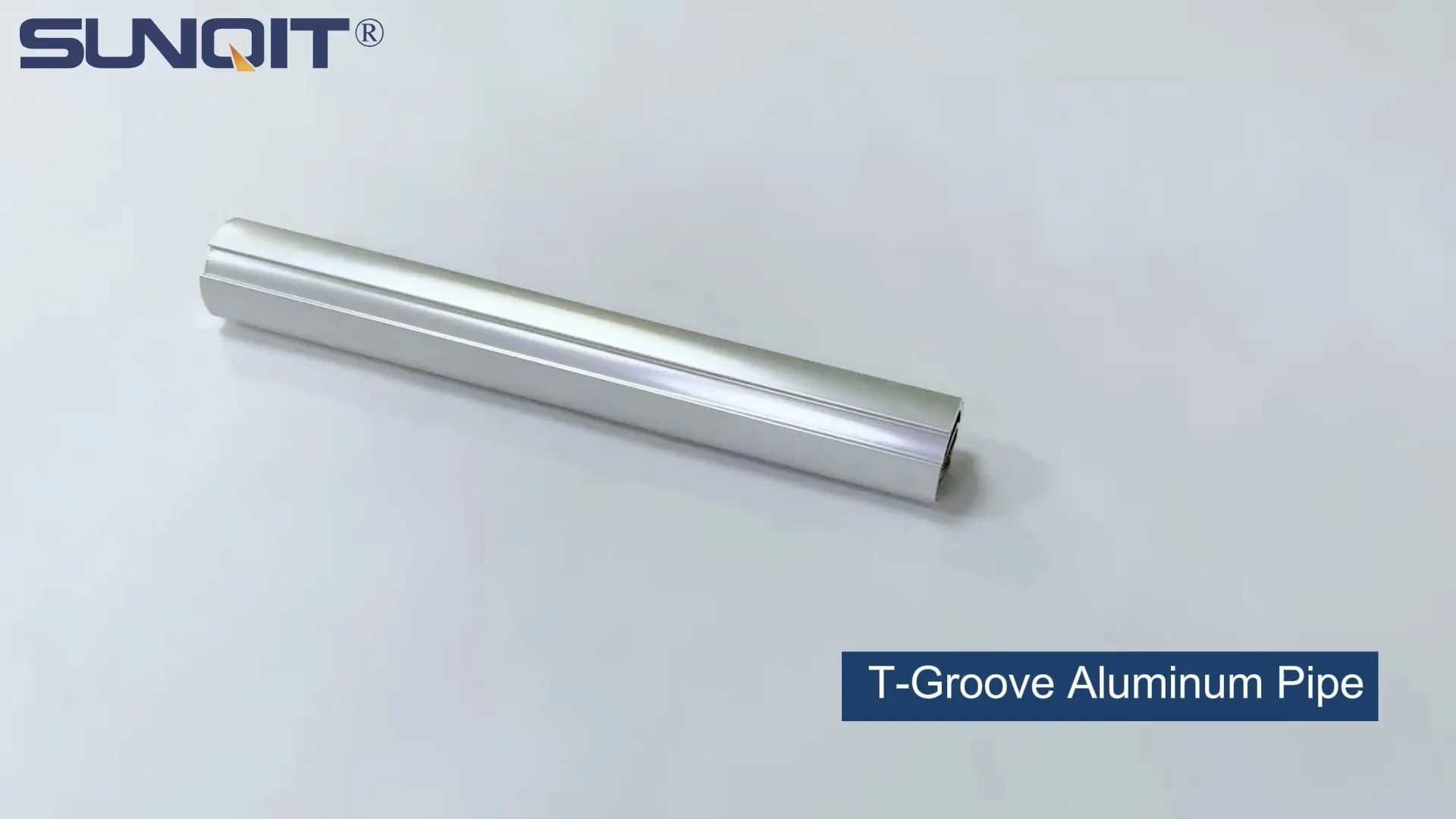
T-Groove Aluminum Pipe
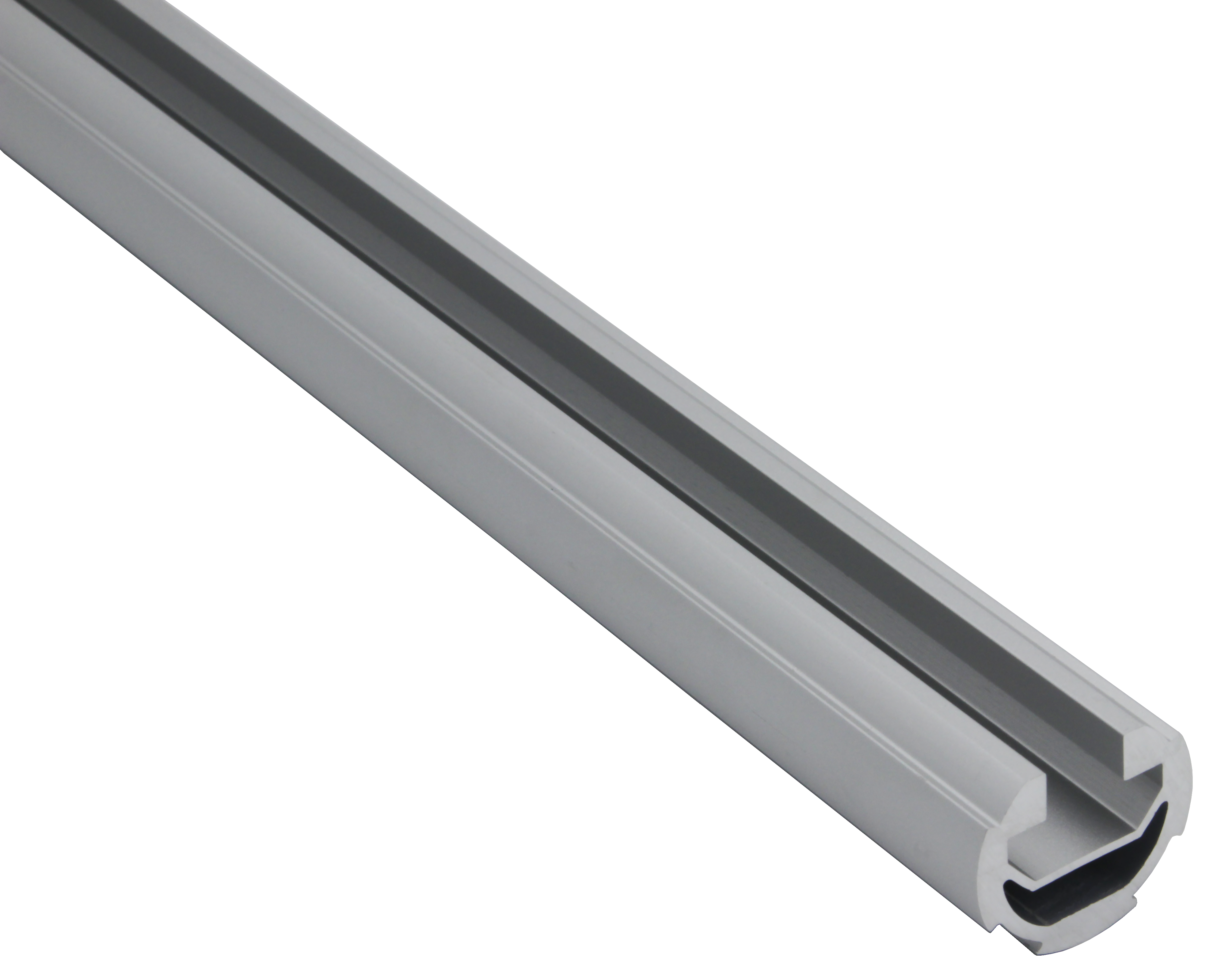
The aluminum pipe opening 10mm is installed into the T-shaped slider, which can be installed with casters or other matching functional parts. The groove can be used for positioning and is used for the track of the roller.
Introduction: The Unsung Hero of Your Workspace
Walk into any manufacturing plant, assembly line, or even a well-organized workshop, and you'll likely spot them—sleek, sturdy, and silently holding everything together. T-slot aluminum pipes are the backbone of modern industrial setups, from workbenches and material racks to conveyor systems and flow racks. Their versatility, lightweight design, and ability to connect with a wide range of aluminum profile accessories make them indispensable. But here's the thing: even the toughest heroes wear down over time. After years of supporting heavy loads, enduring constant vibrations, and braving temperature swings, these pipes can start to show signs of deformation. A slight bend here, a subtle twist there—at first, it might seem harmless. But ignore it, and you could be looking at wobbly workstations, jamming conveyor belts, or even safety hazards.
In this guide, we're diving deep into the world of T-slot aluminum pipe deformation. We'll break down why it happens, how to spot the early warning signs, and most importantly, how to repair it effectively. Whether you're a facility manager, a maintenance technician, or a small business owner trying to keep your operations running smoothly, this article will arm you with the knowledge to tackle deformation head-on—without having to replace entire systems or break the bank.
Understanding T-Groove Aluminum Pipe Deformation: What's Actually Happening?
Before we jump into fixes, let's get clear on what "deformation" really means in this context. Deformation is any change in the pipe's original shape caused by external forces or internal stress. Unlike a small scratch or a loose joint, deformation affects the pipe's structural integrity, making it less able to support weight or maintain alignment. Common types include bending (the pipe curves along its length), twisting (it rotates out of its original axis), and denting (localized indentations from impact). Each type can disrupt how the pipe interacts with other components, like aluminum guide rails or roller tracks—think of a misaligned pipe throwing off the smooth glide of a roller track placon mount for rail connection, turning a seamless workflow into a frustrating struggle.
Why does this matter? T-slot aluminum pipes rely on precision. Their grooves are designed to fit accessories like brackets, clamps, and connectors snugly. When a pipe deforms, those grooves shift. Suddenly, an aluminum pipe clamp that once held firm might slip, or an aluminum guide rail that aligned perfectly now creates friction. Over time, this not only slows down production but can also lead to cascading failures—one bent pipe weakens the entire structure, putting more stress on neighboring components and increasing the risk of further damage.
Common Causes: Why Your T-Slot Aluminum Pipe Might Be Warping
Deformation doesn't happen overnight. It's usually the result of long-term wear, poor maintenance, or a mismatch between the pipe's capabilities and its workload. Let's break down the usual suspects:
1. Overloading: Pushing Beyond the Limits
Every T-slot aluminum pipe has a weight capacity, determined by its thickness (e.g., 1.2mm vs. 2.0mm), material quality, and installation. It's easy to lose track of this in a busy workspace. Maybe you added a few extra bins to a material rack, or a team member placed a heavy tool on the edge of a workbench. Over weeks and months, that extra weight adds up, causing the pipe to bow or bend. For example, a 1.5mm pe-coated lean pipe rated for 50kg might handle 60kg temporarily, but over a year, that 10kg overload can lead to noticeable sagging in the middle.
2. Environmental Factors: Heat, Cold, and Humidity
Aluminum expands when heated and contracts when cooled—this is basic physics. In facilities without climate control, pipes can endure extreme temperature swings. Imagine a warehouse in summer: daytime heat causes the pipe to expand, then nightfall brings cooling, making it contract. Over time, this cycle weakens the metal's molecular structure, making it more prone to bending. Humidity adds another layer—while aluminum is corrosion-resistant, prolonged exposure to moisture can degrade the pipe's surface, especially if there are small scratches or chips in the coating. A corroded section is weaker, so it's more likely to deform under stress.
3. Vibration and Friction: The Silent Wearers
Assembly lines, conveyor belts, and even heavy foot traffic generate constant vibration. These tiny, repeated movements might not seem impactful, but they loosen connections over time. When a joint between two pipes or between a pipe and an accessory (like a roller track placon mount for aluminum profile flat) becomes loose, the pipe shifts slightly. To compensate, other parts of the structure take on more stress, leading to uneven weight distribution and eventual deformation. Friction is another culprit—if accessories like roller tracks aren't properly lubricated, they drag against the pipe, creating lateral forces that twist or bend it.
4. Poor Installation: Cutting Corners Early On
Even the best pipes can fail if installed incorrectly. Maybe the installer used mismatched accessories (e.g., a low-quality plastic clamp instead of a sturdy aluminum pipe clamp), or didn't tighten joints enough. Gaps between the pipe and its supports create weak points. For example, if a workbench's legs aren't perfectly vertical, the horizontal pipes holding the tabletop will bear uneven weight, leading to bending over time. Skipping steps like using a level during installation or ignoring the manufacturer's guidelines for spacing supports is a recipe for future deformation.

Signs to Watch For: How to Spot Deformation Early
The key to minimizing repair costs is catching deformation early. But how do you spot it before it becomes a major issue? Here are the red flags to look out for during your regular maintenance checks:
Visible Gaps or Misalignment
Take a close look at where the pipe connects to other components. Are there gaps between the pipe and an aluminum guide rail? Does the roller track placon mount for rail connection sit unevenly, with one side higher than the other? These are classic signs the pipe has shifted out of alignment—likely due to bending or twisting.
Sticky or Jerky Movement
If you have sliding components (like a drawer on a workbench or a trolley on a roller track), pay attention to how they move. A deformed pipe can cause these to catch, stick, or move unevenly. For example, a bent pipe might make a roller track glide smoothly for the first few inches, then suddenly jam as the groove misaligns with the track's wheels.
Unusual Noises
Aluminum structures are generally quiet. If you start hearing creaks, squeaks, or grinding sounds when components move, it's often a sign of friction from misalignment. A twisted pipe might cause an aluminum pipe clamp to rub against the groove, creating a high-pitched squeal every time the structure vibrates.
Visible Bends or Dents
Sometimes, deformation is obvious. Stand back and look along the length of the pipe—does it curve noticeably? Are there dents from dropped tools or heavy objects? Even small dents can weaken the pipe, making it more susceptible to further bending under load.
Loose Accessories
If aluminum profile accessories like brackets or clamps start coming loose frequently, deformation might be the cause. A warped pipe changes the shape of the groove, so accessories that once fit tightly now have room to shift. You might find yourself tightening screws more often than usual—that's a clear warning sign.

Pre-Repair Preparation: What You'll Need to Get Started
Before diving into repairs, you'll need to gather tools and materials. Having everything on hand will save time and ensure the job goes smoothly. Here's a checklist to prepare:
| Tools | Purpose | Tips for Use |
|---|---|---|
| Adjustable wrench | Loosening/tightening nuts and bolts on accessories like aluminum pipe clamps | Use a wrench that fits the bolt head snugly to avoid stripping |
| Torque wrench | Ensuring bolts are tightened to manufacturer specs (critical for structural integrity) | Set the torque limit based on the pipe's thickness (check the supplier's guidelines) |
| Level (spirit or laser) | Checking alignment during and after repair | Use a laser level for longer pipes to spot bends along the entire length |
| Rubber mallet | Gently tapping components into place without damaging the aluminum | Avoid metal hammers—they can dent or scratch the pipe's surface |
| Heat gun (for minor bends) | Softening the aluminum to make straightening easier | Keep the heat gun 6-8 inches from the pipe and move it constantly to avoid overheating |
| Vise or pipe straightener tool | Holding the pipe steady while straightening | Use a vise with rubber jaws to prevent marring the pipe's surface |
Materials
In addition to tools, you'll need replacement parts and supplies:
-
Aluminum profile accessories
: Spare brackets, clamps, or connectors (e.g., new roller track placon mount for rail connection if the old one is damaged)
-
Lubricant
: Silicone-based lubricant for moving parts like roller tracks
-
Sandpaper (fine-grit)
: Smoothing out minor dents or scratches after straightening
-
Replacement pipe section
: For severe deformation (measure the length and thickness first—e.g., 1.5mm pe-coated lean pipe)
-
Protective gear
: Gloves, safety glasses, and heat-resistant gloves if using a heat gun
Step-by-Step Repair Guide: Fixing Deformed T-Slot Aluminum Pipes
Now, let's walk through the repair process. We'll focus on minor to moderate deformation—if the pipe is severely cracked or bent beyond repair, you'll need to replace it (we'll cover when to replace later). For most cases, though, these steps will get your pipe back in shape.
Step 1: Safety First—Disconnect Power and Unload the Structure
Before touching anything, ensure the area is safe. If the pipe is part of a powered system (like a conveyor belt), turn off the power. Remove any tools, materials, or products from the structure to reduce weight and avoid accidents. For example, clear a workbench of all items, or empty a material rack before starting repairs.
Step 2: Disassemble Affected Components
You'll need to remove any accessories attached to the deformed section. Start by loosening aluminum pipe clamps, brackets, or connectors using an adjustable wrench. If the pipe is part of a roller track system, detach the roller track placon mount for rail connection—this will free the pipe from the track. Take photos before disassembling to remember how parts fit together (it's easy to forget the order later!). Label components if needed (e.g., "left bracket" or "front roller track mount").
Step 3: Inspect the Pipe Thoroughly
With the pipe free, lay it on a flat surface (like a workbench) and examine it closely. Use a level to check for bends—place the level along the pipe's length; if the bubble is off-center, there's a bend. For twists, roll the pipe on the flat surface—if it wobbles or doesn't roll straight, it's twisted. Note the location and severity of deformation (e.g., "1-inch bend 2 feet from the left end" or "slight twist in the middle section").
Step 4: Straighten Minor Bends with Heat and Pressure
For small bends (less than 5 degrees), you can often straighten the pipe using heat and gentle pressure. Here's how:
1. Secure the pipe in a vise at one end, leaving the bent section exposed. Cover the vise jaws with cloth to avoid scratching the pipe.
2. Use a heat gun to warm the bent area—aluminum softens at around 300-400°F (150-200°C). Keep the heat gun moving to prevent overheating (overheating can weaken the metal).
3. Once warm, use a rubber mallet to gently tap the bent area from the opposite side. For example, if the pipe bends upward, tap downward. Check progress with a level frequently—you don't want to overcorrect.
4. Let the pipe cool completely before removing it from the vise. The metal will harden as it cools, retaining its new shape.
Step 5: Fix Twists with Controlled Rotation
Twists are trickier than bends but still manageable. Secure one end of the pipe in a vise, then use a pipe wrench (with a cloth to protect the surface) to grip the other end. Slowly rotate the pipe in the opposite direction of the twist. Check alignment by rolling the pipe on a flat surface—stop when it rolls smoothly. Avoid applying too much force, as aluminum can crack if twisted sharply.
Step 6: Reinforce Weak Areas with Aluminum Profile Accessories
After straightening, the deformed area might be weaker than before. Reinforce it using aluminum profile accessories like additional brackets or a stronger aluminum pipe clamp. For example, if a pipe bent in the middle, add a support bracket at that point to distribute weight better. Use a torque wrench to tighten accessories to the manufacturer's specs—over-tightening can strip threads or warp the pipe again.
Step 7: Reassemble and Realign Components
Now, put everything back together. Refer to your photos or labels to reattach accessories in the correct order. As you go, check alignment with a level—for example, ensure the aluminum guide rail is straight and parallel to the pipe, and that the roller track placon mount for rail connection fits snugly with no gaps. Tighten all bolts gradually (don't fully tighten one bolt before others—this can pull the structure out of alignment). Once assembled, give components a gentle shake to check for stability—there should be no wobbling.
Step 8: Test the Repaired Structure
The final step is testing. Reconnect power (if applicable) and load the structure with its usual weight (e.g., place tools back on the workbench or run a test batch on the conveyor). Observe for signs of trouble: Do components move smoothly? Are there new noises? Check alignment again after loading—sometimes weight causes minor shifts. If everything looks good, run the system for a few hours to ensure stability. If issues persist (e.g., the pipe bends again under load), the deformation might be more severe than initially thought, and you may need to replace the pipe.
Preventive Measures: Keeping Your Pipes Straight for Years to Come
Repairing deformation is important, but preventing it in the first place is even better. Here are proactive steps to extend the life of your T-slot aluminum pipes:
Stick to Weight Limits
This seems obvious, but it's easy to overlook. Post weight limits near workstations, material racks, and conveyor systems. Train staff to avoid overloading—for example, a workbench with a 100kg limit shouldn't hold a 150kg machine. If you regularly need more capacity, upgrade to thicker pipes (e.g., 2.0mm instead of 1.2mm) or add extra support brackets.
Regular Maintenance Checks
Schedule monthly inspections (more often for high-use areas). Look for loose accessories, signs of wear, and early deformation. Tighten bolts and lubricate moving parts (like roller tracks) every 3 months. A little maintenance now saves big repairs later.
Use High-Quality Aluminum Profile Accessories
Cheap, flimsy accessories are a false economy. Invest in durable aluminum pipe clamps, brackets, and mounts from reputable suppliers. For example, a well-made roller track placon mount for rail connection will distribute stress evenly, reducing strain on the pipe. Avoid plastic accessories for heavy-duty applications—they can crack or warp, leading to pipe misalignment.
Control the Environment
If possible, regulate temperature and humidity in your facility. Extreme heat (e.g., near ovens or furnaces) or cold (e.g., unheated warehouses in winter) accelerates metal fatigue. Use insulation or heat shields if pipes are near heat sources. For outdoor setups, choose weather-resistant coatings (like pe-coated lean pipes) to protect against moisture and UV damage.
Train Staff on Proper Use
Human error is a common cause of overloading or impact damage. Train employees to:
- Avoid leaning on workbenches or material racks (this adds unexpected weight).
- Use proper lifting techniques to prevent dropping heavy objects on pipes.
- Report loose components or unusual noises immediately (don't wait for a breakdown).
When to replace Instead of Repair: Knowing the Limits
Not all deformation can be fixed. Sometimes, replacing the pipe is safer and more cost-effective than repairing it. Here are signs it's time to swap out that old pipe:
- Cracks or splits : Even small cracks weaken the pipe's structural integrity. Aluminum doesn't "heal"—a cracked pipe will only get worse under load.
- Severe bends (over 10 degrees) : Pipes bent this much are often permanently weakened, even after straightening. They'll likely bend again under normal use.
- Multiple deformations : If a pipe has bends, twists, and dents in several areas, it's probably reached the end of its lifespan. Repairing each issue is time-consuming and may not restore full strength.
- Corrosion : Deep pitting or widespread corrosion (common in uncoated pipes or those exposed to chemicals) eats away at the metal, making it brittle. A corroded pipe can snap unexpectedly.
- Frequent recurrence : If you've repaired the same pipe twice in a year, it's a sign it can't handle the workload. Upgrade to a thicker pipe (e.g., 2.0mm instead of 1.5mm) or a stronger material (like stainless steel if corrosion is an issue).
When replacing, choose a pipe that matches or exceeds the original specifications. For example, if the old pipe was a 1.2mm aluminum profile, consider stepping up to 1.5mm for added durability. Check compatibility with existing accessories—most T-slot systems are standardized, but double-check groove size and connector fit to avoid issues.
Conclusion: Your Pipes Deserve Proactive Care
T-slot aluminum pipes are the unsung heroes of your workspace, quietly enabling efficiency and productivity. Deformation might seem like a minor annoyance, but it's a warning sign—ignore it, and you risk downtime, safety hazards, and costly repairs. By understanding the causes, spotting early signs, and following the repair steps outlined here, you can extend your pipes' lifespan and keep your operations running smoothly.
Remember: maintenance is an investment, not an expense. A little time spent inspecting, lubricating, and reinforcing pipes today can save you from a major breakdown tomorrow. And when repair isn't enough, don't hesitate to replace—safety and reliability are always worth the cost.
So, the next time you walk through your facility, take a moment to appreciate those T-slot aluminum pipes. They work hard for you—give them the care they deserve, and they'll keep supporting your success for years to come.