- Company Articles
- Products and Technology
- Product knowledge
- Demystifying 2040 Aluminum Profile End Caps: Basics for Beginners

Demystifying 2040 Aluminum Profile End Caps: Basics for Beginners
Related Product
2040 Aluminum Profile End Cap
The aluminum profile end cap adds a finishing touch to your project and closes off profile ends to limit dust and debris buildup, also it can avaid some scratch for material and labor during the assemble work.
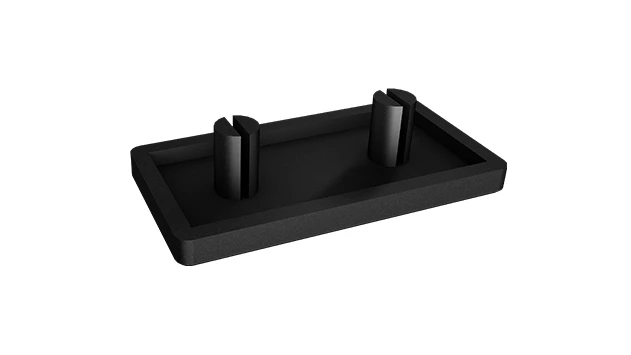
Hey there, fellow DIY enthusiast, workshop builder, or curious learner! If you've ever wandered through a hardware store, admired the sleek workbenches in a garage, or even peeked behind the scenes of a small manufacturing setup, you've probably encountered aluminum profiles. These T-slotted metal rails are like the building blocks of the industrial world—versatile, strong, and surprisingly customizable. But today, we're zeroing in on a tiny part that makes a huge difference: the 2040 aluminum profile end cap. You might be thinking, "A whole guide about that little cap?" Trust me, by the end, you'll see why this unsung hero deserves a spot in your project planning.
First Things First: What Even Are Aluminum Profiles?
Let's start with the basics. Aluminum profiles—often called aluminum extrusion profiles —are long, rigid pieces of aluminum shaped through a process called extrusion. Imagine squeezing Play-Doh through a fun-shaped; aluminum extrusion works similarly, forcing heated aluminum through a die to create consistent cross-sectional shapes. The result? Lightweight, strong, and infinitely adaptable rails that form the backbone of everything from shelving units to conveyor systems.
What makes these profiles so special? Their T-slots. Those grooves running along their length let you slide in bolts, brackets, or accessories, turning a simple rail into a custom workbench, a material rack, or even a mini assembly line. And while there are dozens of profile sizes out there—3030, 4040, 2020, to name a few—today, we're focusing on one of the most popular: the 2040 aluminum profile. But before we dive into its end caps, let's get to know the profile itself.
Meet the 2040 Aluminum Profile: Your Project's New Best Friend
The "2040" in 2040 aluminum profile isn't just a random number—it's a code. The first two digits (20) tell you the profile's width (20mm), and the last two (40) its height (40mm). Think of it as a rectangle that's 2cm wide and 4cm tall. Simple, right? But don't let its small size fool you. This profile punches above its weight, balancing strength and flexibility in a way that makes it a favorite for DIYers and small businesses alike.
Why 2040? Let's break it down. It's narrow enough to fit in tight spaces (hello, garage workshops!) but tall enough to support shelves, tools, or even light machinery. Need a workbench top? Pair 2040 profiles with a plywood or aluminum panel. Building a parts organizer? Add brackets and bins to its T-slots. It's also lightweight—you can carry a 2-meter length with one hand—yet sturdy enough to hold up to 50kg per linear meter (depending on the setup). No wonder it's everywhere, from 3D printer enclosures to mobile tool carts!
Pro Tip: New to profiles? Start with 2040 if you're building something small to medium-sized. It's easier to work with than larger profiles (like 4080) and more versatile than tiny 2020s. Plus, its (that's aluminum profile accessories in industry speak) are widely available and budget-friendly.

The Star of the Show: 2040 Aluminum Profile End Caps
Okay, so we know what 2040 profiles are and why they're awesome. Now, let's talk about the little cap that finishes the job: the 2040 aluminum profile end cap . Picture this: You've just cut a 2040 profile to length for your new workbench. The cut end is sharp, rough, and covered in tiny metal burrs. Leave it like that, and you've got a recipe for scraped knuckles, snagged clothes, or even dust and debris sneaking into the T-slots. Enter the end cap: a simple cover that snaps or presses onto the profile's end, solving all those problems in one go.
But end caps aren't just about safety (though that's a big one). They also boost your project's look. A raw, cut profile end looks unfinished—like a sentence without a period. An end cap smooths things out, giving your build a polished, professional vibe. And let's not forget protection: end caps seal the profile's interior, keeping out dust, dirt, and moisture that can gunk up the T-slots over time. Think of them as the profile's "shoe"—practical, protective, and a little stylish.
What Happens If You Skip End Caps? (Spoiler: It's Not Pretty)
I once helped a friend build a garage shelf using 2040 profiles. He was in a hurry and skipped the end caps, thinking, "They're just plastic—who needs 'em?" A month later, he was sanding down a splinter from the sharp profile end that had torn his glove. Worse, dust had collected inside the T-slots, making it hard to slide in new brackets. Moral of the story: end caps aren't optional. They're the finishing touch that turns a "good enough" project into a "wow, you built that?!" project.

Types of 2040 Aluminum Profile End Caps: Which One Do You Need?
Not all end caps are created equal. Just like profiles, end caps come in different materials, styles, and sizes (though for 2040, you'll want caps specifically designed for 20mm x 40mm ends). Let's break down the most common types, so you can pick the right one for your project.
| End Cap Type | Material | Key Features | Best For | Pros | Cons |
|---|---|---|---|---|---|
| Flat Plastic End Cap | Nylon or PP (Plastic) | Thin, smooth, flush with profile end | Indoor projects, workbenches, shelves | Cheap, lightweight, easy to install | Not as durable for heavy use |
| Domed Rubber End Cap | Rubber | Soft, rounded top, grippy texture | Floor-level profiles, mobile carts | Shock-absorbent, non-slip, safe for kids/pets | Can attract dust, limited color options |
| Aluminum End Cap | Aluminum Alloy | Matches profile color, rigid, sleek | High-end projects, industrial setups | Durable, corrosion-resistant, aesthetically consistent | More expensive, requires precise fitting |
| Colored Plastic End Cap | Colored Nylon | Bright colors (red, blue, yellow), flat or domed | DIY projects, makerspaces, color-coded systems | Fun, customizable, affordable | Colors may fade in direct sunlight |
Material Deep Dive: Which End Cap Material Should You Choose?
Plastic (Nylon/PP): The most common and budget-friendly option. Plastic end caps are lightweight, come in neutral colors (black, white, gray), and snap into place with minimal effort. They're great for indoor projects like shelves, workbenches, or 3D printer frames. Just avoid them for heavy-impact areas—they can crack if dropped or hit repeatedly.
Rubber: Think of rubber end caps as the "safety first" choice. Their soft texture makes them ideal for profiles at knee height (like workbench legs) or on mobile carts (they grip floors and absorb bumps). They're also water-resistant, so they work well in garages or basements with occasional moisture.
Aluminum: For projects that need to look (and perform) like industrial-grade setups, aluminum end caps are the way to go. They're machined to fit 2040 profiles perfectly, resist scratches, and match the profile's metal finish. The downside? They cost 3–5x more than plastic caps, so save them for showpiece projects (like a customer-facing display rack) or heavy-duty use.
How to Install 2040 End Caps: A Step-by-Step Guide
Installing end caps is one of the easiest parts of working with aluminum profiles—no tools required (usually). Here's how to do it like a pro:
- Prep the Profile End: First, make sure the profile's cut end is clean and smooth. If there are burrs (tiny metal flakes) from cutting, gently sand them off with fine-grit sandpaper. A rough end will make it hard to push the cap on and might damage the cap over time.
- Choose the Right Cap: Double-check that your end cap is labeled for 2040 profiles. Caps for other sizes (like 3030 or 2020) won't fit—they'll be too loose or too tight.
- Align and Press: Hold the cap so the flat side faces the profile's end. Line up the cap's edges with the profile's edges (this matters for a snug fit). Then, press firmly with your thumbs. You should feel a "pop" or a slight give as the cap seats into place. For tighter caps, tap the end gently with a rubber mallet (plastic caps) or a soft cloth over a hammer (aluminum caps) to avoid cracking.
- Test the Fit: Give the cap a light tug. It should stay in place without wiggling. If it falls off, check for burrs or debris on the profile end, or try a different cap—sometimes manufacturing tolerances mean a cap is slightly too small.
Pro Hack: For extra hold (e.g., on mobile carts that vibrate), apply a tiny dot of super glue to the profile end before pressing on the cap. Just don't overdo it—you might need to remove the cap later!
Beyond End Caps: Other Aluminum Profile Accessories to Know
End caps are just one piece of the puzzle. To build a fully functional project with 2040 profiles, you'll need other aluminum profile accessories too. Here are a few must-knows for beginners:
- Brackets: These connect profiles at angles (90°, 45°, etc.). Look for L-brackets, T-brackets, or corner brackets to join rails into frames.
- T-Nuts and Bolts: These slide into T-slots, letting you attach shelves, panels, or tools without drilling holes. T-nuts grip the slot when tightened, making them reusable and adjustable.
- Casters: Add wheels to your profile frame for a mobile cart. Just make sure the casters are rated for your project's weight (and don't forget to cap the bottom of the profile legs!)
- Panels: Plywood, acrylic, or aluminum panels attach to profiles to make workbench tops, shelves, or enclosure walls. Use T-nuts and bolts to secure them.
And yes, end caps play nice with all these accessories! A capped profile end won't interfere with brackets or panels, and it keeps your T-slots clean so T-nuts slide smoothly—win-win.
Troubleshooting Common End Cap Headaches
Even the simplest parts can have hiccups. Here are a few common end cap issues and how to fix them:
Problem: The Cap Won't Stay On
Possible causes: The profile end is too smooth (try roughing it slightly with sandpaper), the cap is too small (check the size label), or there's debris in the T-slot (blow it out with compressed air). For loose caps, a small O-ring around the profile end before capping can add friction.
Problem: The Cap Cracks or Breaks
This usually happens with plastic caps on heavy-use projects. Upgrade to rubber or aluminum caps, or reinforce the cap with a layer of heat-shrink tubing (for plastic caps) to add strength.
Problem: The Cap Discolors Over Time
Plastic caps (especially white ones) can yellow in direct sunlight. If your project lives outdoors or near a window, choose UV-resistant caps or stick with black/gray caps, which hide discoloration better.
Wrapping Up: Why End Caps Matter (Yes, Really)
So there you have it: the lowdown on 2040 aluminum profile end caps. They might be small, but they're a reminder that great projects are built from the ground up—even the tiniest parts count. Whether you're building a workbench, a shelf, or a mini production line, end caps keep you safe, your project looking sharp, and your T-slots clean and functional.
Next time you're planning a project with 2040 profiles, add end caps to your shopping list. Your hands (and your project's aesthetic) will thank you. And who knows? Maybe you'll even start geeking out over end cap styles—colored caps for a pop of personality, aluminum caps for that industrial edge, or rubber caps for a soft, safe finish. The possibilities are endless, and it all starts with that little cap.
Happy building, and remember: the best projects are the ones that pay attention to the details. Now go out there and cap those profiles like a pro!