- Company Articles
- Products and Technology
- Product knowledge
- Design Guide: 4080 Aluminum Profile End Caps for Aesthetic Workbenches

Design Guide: 4080 Aluminum Profile End Caps for Aesthetic Workbenches
Related Product
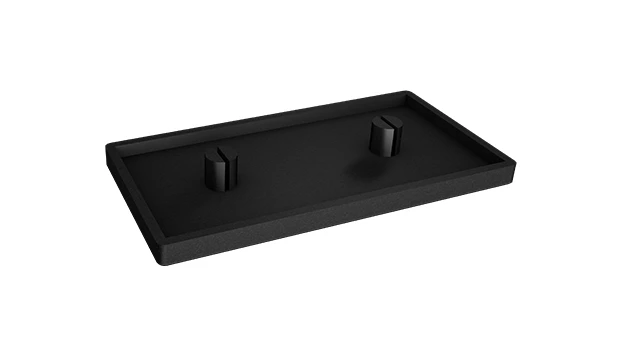
4080 Aluminum Profile End Cap
The aluminum profile end cap adds a finishing touch to your project and closes off profile ends to limit dust and debris buildup, also it can avaid some scratch for material and labor during the assemble work.
A workbench isn't just a surface to hammer, build, or tinker—it's the heart of your workspace. Whether you're a DIY enthusiast crafting furniture in your garage, a manufacturer streamlining production lines, or a hobbyist organizing tools, the look and feel of your workbench matter. And when it comes to modern, durable workbenches, aluminum profiles have become a go-to choice. But even the sturdiest aluminum frame can feel unfinished without the right finishing touches. That's where 4080 aluminum profile end caps step in—small details that elevate both function and beauty. Let's dive into how these humble accessories can transform your aluminum workbench from "just functional" to "stunningly intentional."
Understanding the 4080 Aluminum Profile: The Backbone of Your Workbench
Before we talk about end caps, let's get to know the star of the show: the 4080 aluminum profile. If you've spent any time researching workbenches or industrial frames, you've probably come across terms like "2020," "3030," or "4080" thrown around. These numbers aren't random—they refer to the cross-sectional dimensions of the profile, measured in millimeters. So, a 4080 aluminum profile is 40mm wide and 80mm tall, with a sleek, rectangular shape that's designed for strength and versatility.
What makes 4080 profiles so popular for workbenches? For starters, their size strikes a perfect balance: they're sturdy enough to support heavy tools, materials, or even machinery, but not so bulky that they overwhelm smaller spaces. The T-slot design—those grooves running along the length of the profile—is another game-changer. These slots let you attach accessories like shelves, tool hooks, lights, or even casters with ease, turning a basic frame into a fully customized workspace. It's no wonder aluminum profile workbenches are a staple in lean manufacturing setups, where adaptability and efficiency are key.
But here's the thing: aluminum profiles, by nature, have open ends where the T-slots terminate. Left uncovered, these ends can feel sharp, collect dust and debris, or just look… unfinished. Imagine building a beautiful aluminum workbench with smooth edges, a polished top, and perfectly aligned shelves—only to have rough, exposed profile ends sticking out like a sore thumb. That's where 4080 aluminum profile end caps come in. They're the final piece of the puzzle that ties the whole design together.
Why End Caps Matter: More Than Just a Pretty Face
At first glance, end caps might seem like a minor detail—after all, they're just little caps that cover the ends of a metal profile. But anyone who's spent time refining a workspace knows that the smallest details make the biggest difference. Let's break down why 4080 aluminum profile end caps are non-negotiable for a truly polished workbench.
Safety First: No More Sharp Edges
Aluminum profiles are precision-extruded, but even with careful manufacturing, the cut ends can have tiny burrs or sharp edges. Run your hand along an uncovered profile end, and you might get a small scratch—or worse, catch a glove or piece of clothing. In busy workshops or manufacturing environments, where hands and tools are constantly moving, this isn't just an annoyance; it's a safety hazard. End caps smooth those edges, creating a soft, rounded finish that protects both you and your workspace.
Aesthetics: From "Rough Draft" to "Polished Masterpiece"
Let's be honest: a workbench with exposed profile ends looks like a project that's still in progress. It's the difference between wearing a tailored suit with unhemmed sleeves and one that's been perfectly fitted. 4080 aluminum profile end caps create clean, uniform lines, making your workbench look intentional and professional. Whether you opt for matching silver caps to blend in or bold black caps to contrast with a light aluminum frame, they add a level of sophistication that says, "I care about this space."
Protection: Keeping Your Profile (and Workspace) Clean
Aluminum profiles are resistant to rust, but their T-slots are magnets for dust, dirt, and small debris. Over time, crumbs, sawdust, or metal shavings can build up inside the slots, making it harder to attach accessories or causing wear on T-slot nuts and bolts. End caps seal off those open ends, acting as a barrier against unwanted particles. They also protect the profile itself from moisture, which can lead to oxidation (even in aluminum) if left unchecked. Think of them as tiny shields, extending the life of your workbench while keeping it looking fresh.
Branding and Cohesion: Tying Your Workspace Together
In commercial settings—like a manufacturing plant or a retail workshop—consistency is key. A lean pipe workbench line with mismatched or missing end caps can feel chaotic, undermining the efficiency that lean systems aim to achieve. Matching end caps create a sense of unity, showing that every element of the workspace has been considered. Even in home workshops, coordinating end caps with other aluminum profile accessories (like handles, light mounts, or tool holders) can turn a hodgepodge of parts into a cohesive, intentional design.
Pro Tip: If you're building a workbench for a client or showcasing your workspace (say, on social media or in a portfolio), end caps are a subtle detail that signals professionalism. They show you've thought through every aspect of the design, not just the "big stuff."

Types of 4080 Aluminum Profile End Caps: Choosing the Right Fit
Not all end caps are created equal. Just like aluminum profiles come in different sizes and styles, end caps are designed to match specific profiles, materials, and design goals. When shopping for 4080 aluminum profile end caps, you'll encounter a few common types—each with its own strengths. Let's break them down to help you choose the best option for your workbench.
Material Matters: Plastic vs. Aluminum End Caps
The first decision you'll face is material. Most end caps are made from either plastic (like nylon or ABS) or aluminum. Here's how they stack up:
- Plastic End Caps: These are the most common and budget-friendly option. They're lightweight, come in a variety of colors (black, silver, gray, or even custom hues), and are easy to install with a simple snap or press fit. Plastic caps are great for home workshops or workbenches where aesthetics matter but heavy-duty durability isn't a top priority. They also have a slight flex, which can help them absorb minor impacts without cracking.
- Aluminum End Caps: For a more premium look and feel, aluminum end caps are the way to go. They're machined to match the exact dimensions of 4080 profiles, creating a seamless, flush finish. Since they're made from the same material as the profile itself, they won't fade or discolor over time (unlike some plastics, which can yellow with UV exposure). Aluminum caps are ideal for commercial workbenches, lean pipe workbench setups, or any space where you want the end caps to blend in completely with the frame.
Installation Styles: Snap-On, Press-Fit, and Screw-On
How your end cap attaches to the profile will affect both installation ease and long-term stability. Here are the main installation styles:
- Snap-On End Caps: These are the easiest to install—no tools required. They have flexible tabs or lips that "snap" into the T-slots or the inner edges of the profile, holding them in place. Snap-on caps are perfect for quick projects or workbenches that might need occasional disassembly (since they're easy to remove and reattach). Just be gentle when installing them—forcing a cap can bend the tabs or crack the plastic.
- Press-Fit End Caps: Slightly more secure than snap-on, press-fit caps are designed to fit tightly into the profile end. You'll need to tap them into place with a rubber mallet or soft hammer to ensure a snug fit. They're less likely to pop off than snap-on caps, making them a good choice for workbenches that see a lot of movement or vibration (like those in manufacturing lines).
- Screw-On End Caps: For maximum security, screw-on caps are the gold standard. These caps have small holes that align with pre-drilled holes in the profile (or require you to drill your own), and they attach with tiny screws. They're ideal for heavy-duty applications, outdoor workbenches, or any scenario where you never want the caps to come loose. The downside? They take a bit more time to install, and you'll need a screwdriver or Allen wrench.
A Quick Comparison: Which End Cap Is Right for You?
Still unsure? Let's put it all together with a handy comparison table:
| End Cap Type | Material | Installation | Best For | Pros | Cons |
|---|---|---|---|---|---|
| Snap-On Plastic | Nylon/ABS | Tool-free snap fit | Home workshops, DIY projects | Affordable, easy to install, color options | Less secure; may pop off with impact |
| Press-Fit Aluminum | Aluminum | Rubber mallet tap | Commercial workbenches, lean systems | Seamless look, durable, UV-resistant | More expensive; requires careful installation |
| Screw-On Plastic | ABS | Screwdriver/Allen wrench | Outdoor workbenches, high-vibration areas | Secure, weather-resistant, budget-friendly | Requires drilling; permanent installation |
Design Hack: Mix and match materials for contrast! For example, pair a silver aluminum workbench with black plastic end caps to create a bold, modern look. Or use colored end caps (like red or blue) to highlight specific zones of your workbench—great for lean pipe workbench setups where organization is key.

Step-by-Step Installation Guide: Getting the Perfect Fit
Installing 4080 aluminum profile end caps might seem straightforward, but a little precision goes a long way. A poorly installed cap can wiggle loose, crack, or even damage the profile. Follow these steps to ensure a snug, professional fit—no matter which type of end cap you choose.
Tools You'll Need
Gather these supplies before you start (adjust based on your end cap type):
- 4080 aluminum profile end caps (double-check the quantity—you'll need one per exposed profile end!)
- Rubber mallet or soft hammer (for press-fit caps)
- Screwdriver or Allen wrench (for screw-on caps)
- Deburring tool or sandpaper (to smooth profile edges)
- Clean cloth (to wipe away dust or debris)
- Optional: Mild soap and water (for extra cleaning)
Step 1: Prep the Profile End
Even if your aluminum profile came "pre-cut," it's smart to inspect the end before installing the cap. Use a deburring tool or fine-grit sandpaper to smooth any sharp edges, burrs, or rough spots. A quick pass with sandpaper will also help the end cap grip better. Once the edge is smooth, wipe the end with a clean cloth to remove dust, oil, or fingerprints—this ensures the cap adheres properly (especially important for press-fit or snap-on styles).
Step 2: Align the End Cap
Hold the end cap up to the profile and double-check the orientation. Most end caps are designed to fit in only one direction, with tabs or notches that align with the profile's T-slots or inner walls. If it feels forced, stop—you might have it backwards. For example, some 4080 end caps have a slightly larger lip on one side to match the profile's 40mm x 80mm shape. Take a second to line it up; rushing this step can lead to a lopsided or loose cap.
Step 3: Install the Cap (Based on Type)
Now, let's get that cap on! The method depends on your end cap style:
- Snap-On: Gently press the cap against the profile end, starting with one edge. You should feel the tabs begin to catch. Apply even pressure around the edges until you hear a "snap" (or several small snaps) as the tabs lock into place. Avoid pushing too hard in one spot—this can bend the tabs and prevent a secure fit.
- Press-Fit: Place the cap on the profile end, making sure it's aligned. Then, use a rubber mallet to tap it into place. Start with light taps around the edges to seat it evenly, then gradually increase pressure until the cap is flush with the profile. If you don't have a rubber mallet, wrap a cloth around a regular hammer to avoid scratching the cap or profile.
- Screw-On: If your profile isn't pre-drilled, mark the screw holes on the profile end using the end cap as a guide. Drill small pilot holes (be careful not to drill all the way through the profile!). Then, align the cap, insert the screws, and tighten them with a screwdriver or Allen wrench—just until they're snug (over-tightening can strip the holes or crack plastic caps).
Step 4: Test for Security
Once the cap is installed, give it a gentle tug or wiggle to make sure it's secure. Snap-on caps should stay in place without shifting; press-fit caps shouldn't move at all; screw-on caps should feel rock-solid. If it feels loose, remove it and check for debris, misalignment, or damaged tabs. For plastic caps, a little soap and water on the tabs can help them slide into place more easily (just dry the profile first!).
Pro Installer Trick: For extra hold with snap-on or press-fit caps, add a tiny dot of clear silicone adhesive to the inside of the cap before installation. This won't damage the profile, but it will keep the cap from popping off—great for workbenches that get moved or jostled often.
Designing with End Caps: Tips for a Cohesive Workbench
Now that you know how to choose and install 4080 aluminum profile end caps, let's talk about how to use them to elevate your workbench's design. End caps aren't just functional—they're a design element, and when paired with other aluminum profile accessories, they can create a workspace that's both beautiful and efficient.
Color Coordination: Blending In or Standing Out
One of the easiest ways to use end caps to enhance your workbench is through color. Most end caps come in neutral tones like black, silver, or gray, which blend seamlessly with aluminum profiles. But don't be afraid to get creative! For example:
- Monochromatic Look: Match end caps to your aluminum profile (silver caps with silver profiles) for a sleek, minimalist vibe. This works especially well in modern workspaces or lean pipe workbench setups where clean lines are key.
- Contrast Pop: Use black end caps on a silver profile (or vice versa) to create visual interest. This is a great way to highlight the structure of your workbench without overwhelming the space. It's also a subtle nod to industrial design, which often plays with dark and light metals.
- Accent Colors: Some manufacturers offer end caps in bold hues like red, blue, or yellow. Use these sparingly to draw attention to specific parts of your workbench—like the corners of a tool shelf or the edges of a mobile cart. Just be careful not to overdo it; too many colors can make the space feel cluttered.
Pairing with Aluminum Profile Accessories
Your workbench is more than just a frame and a top—it's a system of accessories that make it functional. End caps should complement these accessories, not clash with them. For example:
- Tool Hooks and Holders: If you've added aluminum tool hooks to your workbench, choose end caps in the same finish (e.g., matte black hooks with matte black end caps) for cohesion.
- LED Light Strips: Under-shelf LED lights are a popular addition to workbenches. Pair warm white lights with silver end caps for a cozy, inviting feel, or cool white lights with black caps for a modern, industrial look.
- Casters: If your workbench has casters for mobility, consider matching the caster color to your end caps. For example, black casters with black end caps create a unified base that grounds the workspace.
Minimalism vs. Ornamentation: Letting the Profile Shine
Aluminum profiles are known for their clean, modern look, and end caps should enhance that—not distract from it. If you prefer a minimalist aesthetic, stick with flush-mount, color-matched end caps that disappear into the profile. For a more industrial or utilitarian vibe, you might opt for slightly larger end caps with visible edges, which add texture without being fussy.
Remember: the goal is to make the workbench feel intentional. If you're using a 4080 profile for its bold, sturdy look, a thick aluminum end cap will reinforce that strength. If you're going for a lightweight, airy design, a thin plastic cap in a neutral color will keep the focus on the profile's lines.
Scaling Up: End Caps in Commercial and Lean Workspaces
While we've focused on home workshops, end caps are just as important in commercial settings—especially in lean pipe workbench setups. In manufacturing, where efficiency and organization are critical, consistent end caps help create a sense of order. For example, a production line with 4080 profile workstations can use color-coded end caps to denote different stages (e.g., red for "in progress," green for "completed") or to signal which tools belong at each station. This small detail reduces confusion and keeps workflows smooth.
Design Challenge Solved: Struggling with a workbench that has exposed profiles on both the top and bottom? Use end caps on all visible ends, but consider leaving hidden ends (like those under a shelf) uncapped to save money. No one will see them, and you'll still get the polished look where it counts.
Troubleshooting Common End Cap Issues
Even with careful installation, end caps can sometimes act up. Maybe a snap-on cap keeps falling off, or a plastic cap starts to discolor. Don't worry—most issues are easy to fix with a little know-how. Let's troubleshoot the most common problems:
End Cap Won't Stay On
If your cap pops off, the first thing to check is alignment. Did you install it backwards? Are the tabs (on snap-on caps) bent or damaged? If the tabs are bent, gently straighten them with a pair of pliers (be careful not to break them). For press-fit caps, the profile end might be slightly out of square—use sandpaper to trim any uneven edges. If all else fails, a small amount of adhesive (like super glue or silicone) can help hold it in place.
Plastic End Cap Discoloration
Over time, plastic end caps (especially white or light-colored ones) can yellow from UV exposure or contact with chemicals (like cleaning sprays). To prevent this, choose UV-resistant plastic caps (look for "UV-stabilized" on the packaging). If your caps have already yellowed, try cleaning them with a mixture of baking soda and water—gentle scrubbing can sometimes remove surface discoloration. For stubborn stains, a magic eraser (melamine sponge) works wonders, but test it on an inconspicuous area first to avoid scratching.
Aluminum End Cap Scratches
Aluminum is durable, but it can scratch if hit with a sharp tool or dropped object. For minor scratches, use a metal polish (like Brasso) and a soft cloth to buff them out. For deeper scratches, sand the area lightly with fine-grit sandpaper (2000 grit or higher), then polish to restore shine. If the scratch is too deep to fix, you might need to replace the cap—but aluminum caps are built to last, so this is rare.
Fit Issues with Non-Standard Profiles
Wait—are you sure you have a standard 4080 profile? Some manufacturers make "4080-like" profiles with slightly different dimensions (e.g., 40mm x 82mm). If your end cap is too loose or too tight, double-check the profile's actual measurements. You can also measure the inside width and height of the profile end and compare it to the end cap's dimensions (most manufacturers list these specs online). If you're stuck, contact the supplier—they might have a custom or alternative cap that fits.
Final Thoughts: Small Details, Big Impact
At the end of the day, 4080 aluminum profile end caps are a reminder that great design is in the details. They're not the most glamorous part of a workbench, but they transform a functional structure into a space that feels cared for, intentional, and even inspiring. Whether you're building a lean pipe workbench for a manufacturing line, a sleek aluminum workbench for your garage, or a hobby station for weekend projects, these small accessories play a big role in how you (and others) experience your workspace.
So, the next time you're planning a workbench, don't overlook the end caps. Take a moment to choose the right material, color, and style. Install them with care. And then step back—you'll be amazed at how something so simple can make your workbench feel complete.
After all, your workspace should be more than just a place to work. It should be a reflection of the pride you take in what you build. And with the right 4080 aluminum profile end caps, that pride will shine through in every detail.