- Company Articles
- Products and Technology
- Product knowledge
- Design Principles for External Straight Aluminum Joint Integration

Design Principles for External Straight Aluminum Joint Integration
Related Product
External Straight Aluminum Joint
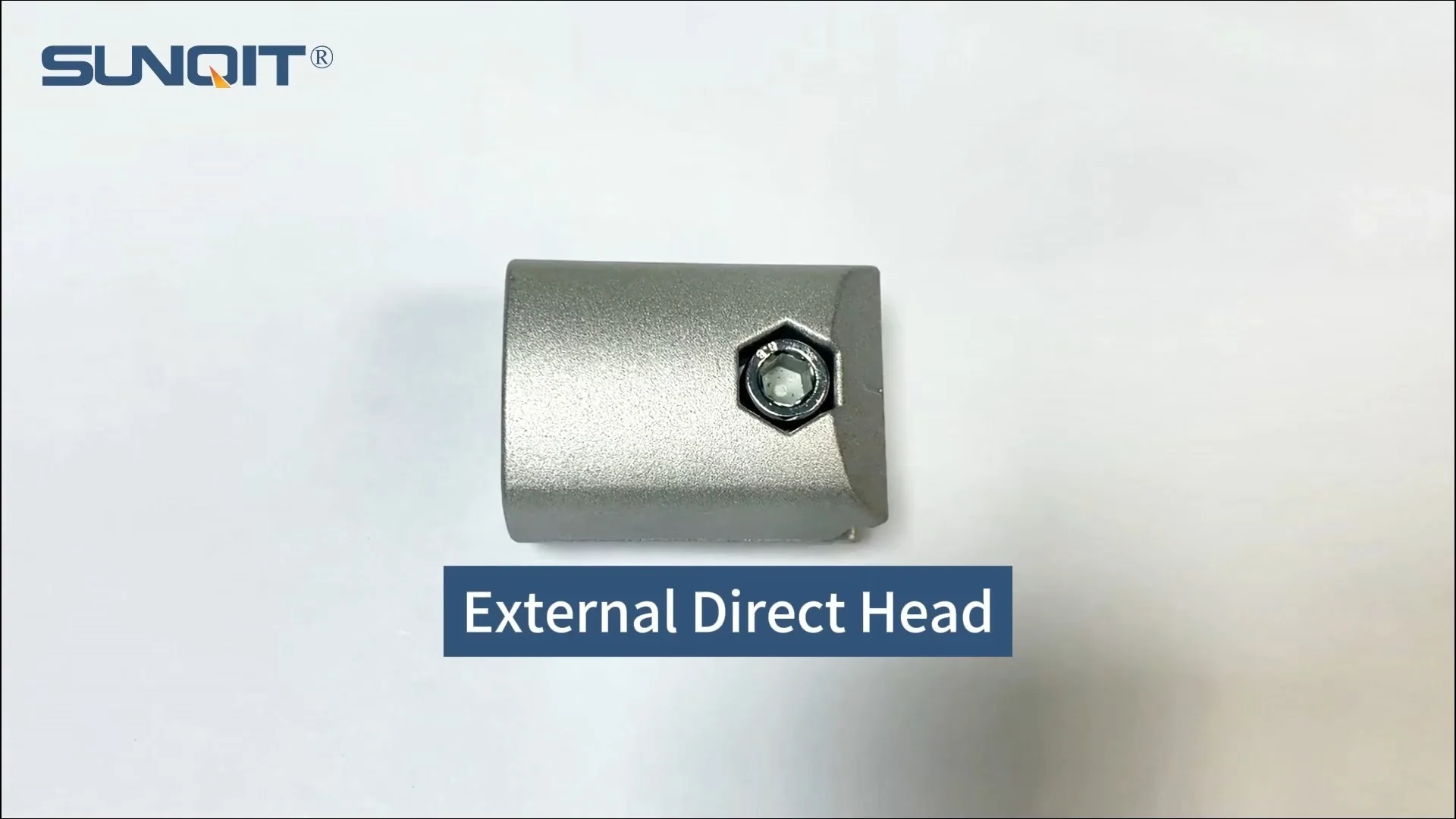
Aluminum pipe joint outside connection used for two pcs 28pcs aluminum pipe connection in straight angle,it connects two pcs pipe from outside.
In the fast-paced world of modern manufacturing and warehouse operations, the ability to build flexible, durable, and efficient workspaces is more critical than ever. At the heart of this flexibility lies a seemingly small but mighty component: the external straight aluminum joint. These unassuming connectors are the unsung heroes of lean systems, quietly holding together everything from assembly line workbenches to material flow racks, and ensuring that production processes run smoothly day in and day out. But what makes a well-designed external straight aluminum joint truly effective? How do engineers and facility managers ensure that these components integrate seamlessly with aluminum pipes, profiles, and accessories to create systems that stand the test of time? In this article, we'll dive into the core design principles that govern external straight aluminum joint integration, exploring how material selection, compatibility, and functional adaptability come together to support lean manufacturing goals. Whether you're a seasoned operations manager or a newcomer to industrial system design, understanding these principles will help you build systems that are not just functional, but also resilient, efficient, and ready to evolve with your business needs.
1. Material Selection: The Foundation of Durability
At the core of any reliable external straight aluminum joint is the material it's made from—and aluminum is no accident. Aluminum's unique combination of lightweight strength, corrosion resistance, and malleability makes it the ideal choice for these critical components. Unlike steel, which can rust and add unnecessary weight to systems, aluminum naturally forms a protective oxide layer, ensuring that joints remain stable even in humid or chemical-exposed environments common in factories and warehouses. This durability is especially important for lean systems, where equipment is often reconfigured or moved, and components must withstand regular handling.
But not all aluminum is created equal. The best external straight aluminum joints are typically crafted from high-grade aluminum alloys, such as 6063-T5, known for its excellent extrudability and mechanical properties. This alloy balances rigidity and flexibility, allowing joints to absorb minor impacts without cracking—an essential feature in busy production areas where accidental bumps from forklifts or turnover trolleys are inevitable. Additionally, the alloy's thermal conductivity is a boon in environments with temperature fluctuations, preventing warping that could loosen connections over time.
Another key consideration is the finishing process. Many external straight aluminum joints undergo anodization, a treatment that enhances the oxide layer, boosting corrosion resistance and adding a sleek, professional appearance. Anodized joints are also easier to clean, a plus for industries like food processing or pharmaceuticals where hygiene is paramount. When paired with aluminum pipes—whether basic aluminum tubes, T-slot aluminum pipes, or corrugated aluminum pipes—these treated joints create a system that not only performs but also maintains its visual appeal, reflecting a commitment to quality in the workplace.
2. Structural Design: Balancing Strength and Flexibility
A well-designed external straight aluminum joint must do more than just connect two pipes—it must do so while maintaining structural integrity under load, resisting vibration, and allowing for easy assembly and disassembly. This balance of strength and flexibility is achieved through thoughtful engineering, starting with the joint's geometry.
The external straight aluminum joint's design typically features a hollow, cylindrical body with internal threads or clamping mechanisms that grip the aluminum pipe's exterior. This external clamping design is superior to internal fittings in several ways: it distributes pressure evenly around the pipe's circumference, reducing the risk of deformation; it allows for quick adjustments without disassembling the entire system; and it accommodates slight variations in pipe diameter, a common occurrence in mass-produced components. For example, when used with basic aluminum tubes, the joint's clamping mechanism can be tightened incrementally to ensure a snug fit, even if the tube's diameter varies by a fraction of a millimeter.
Reinforcement is another critical aspect. Many joints include ribbed exteriors or thickened walls at stress points, such as where the joint meets the pipe or where accessories like aluminum pipe clamps attach. These reinforcements prevent bending under heavy loads, making the joint suitable for applications like material rack B (3 row and 3 floor), which might hold hundreds of pounds of inventory. Similarly, joints used in workbench E (single deck-without caster) must support the weight of tools, equipment, and workers, so structural reinforcement here is non-negotiable.
Flexibility in design also extends to compatibility with other components. The external straight aluminum joint is rarely used in isolation; it must work harmoniously with aluminum pipe accessories like parallel fixation aluminum pipe joints, 90° aluminum crossing joints, or 45° reinforce aluminum pipe joints. This means standardized sizing is key. Most manufacturers adhere to industry standards for pipe diameters (e.g., 28mm, 30mm) and thread sizes, ensuring that a joint from one supplier can work with an accessory from another. This interoperability is a cornerstone of lean systems, where modularity allows for quick reconfiguration as production needs change.
To illustrate the importance of structural design, consider a common scenario: a flow rack in a warehouse, where boxes glide along roller tracks (another key component) from one workstation to the next. The external straight aluminum joints holding the flow rack's uprights and crossbars must withstand not only the static weight of the rack itself but also the dynamic forces of boxes sliding onto the rollers. A poorly designed joint might loosen over time, causing the rack to tilt and creating a safety hazard. In contrast, a well-designed joint with reinforced walls and a secure clamping mechanism will maintain its position, ensuring the flow rack operates smoothly for years.

3. Compatibility: Integrating with the Lean Ecosystem
In the world of lean manufacturing, no component exists in a vacuum. The external straight aluminum joint must integrate seamlessly with a wide range of aluminum profile accessories, aluminum pipe accessories, and other system components to create a cohesive, functional workspace. This compatibility is what allows businesses to build everything from simple workbenches to complex assembly lines using the same base components, reducing costs and simplifying maintenance.
Let's start with aluminum profiles. Many lean systems use T-slot aluminum profiles, which feature grooves along their length for attaching accessories like shelves, panels, or roller tracks. The external straight aluminum joint is often designed to mount directly onto these profiles, using T-slot nuts or bolts that slide into the grooves and secure the joint in place. This integration is crucial for applications like aluminum workbench A or aluminum workbench K, where the joint connects the workbench's frame (made of T-slot profiles) to supporting legs or crossbars. The ability to attach the joint at any point along the T-slot also adds flexibility, allowing users to customize the workbench's dimensions without cutting or welding.
Aluminum pipe accessories are another area where compatibility shines. The external straight aluminum joint pairs naturally with components like aluminum pipe clamps, which secure additional pipes or panels to the main structure. For example, in a turnover trolley, the joint might connect the trolley's vertical pipes, while aluminum pipe clamps attach side guards (aluminum side guard) to prevent items from falling off during transport. Similarly, parallel fixation aluminum pipe joints can be used alongside external straight joints to create parallel pipe runs, such as the sides of a material rack, ensuring stability and uniformity.
Roller tracks and their accessories are yet another example of compatibility in action. Flow racks, a staple in lean manufacturing for moving materials efficiently, rely on roller tracks (like 40 steel roller track yellow wheel or 38 aluminum roller track black esd) mounted to aluminum frames. The external straight aluminum joint plays a role here by connecting the frame's vertical supports to horizontal beams, which in turn hold the roller track placon mount for aluminum profile flat—accessories that secure the roller track to the frame. Without a compatible joint, the roller track might wobble or detach, disrupting the flow of materials and slowing production.
To better understand how these components work together, let's look at a real-world example: a production assembly line workbench. The workbench's frame is built using basic aluminum tubes connected by external straight aluminum joints. T-slot aluminum profiles are attached to the frame using T-slot nuts, creating a surface for mounting tools. Roller tracks are installed along one side using roller track placon mount brackets, allowing parts to slide from the storage area to the assembly station. Caster wheels are added to the bottom of the frame (using castor install base) for mobility, while anti-slip adjustable leveling feet ensure stability when the trolley is stationary. In this system, the external straight joint is the linchpin, connecting the tubes, profiles, and accessories into a cohesive, functional unit.

4. Installation Best Practices: Ensuring Long-Term Performance
Even the best-designed external straight aluminum joint will underperform if installed incorrectly. Proper installation not only ensures safety but also maximizes the joint's lifespan and maintains the lean system's efficiency. Let's walk through some key best practices, drawn from industry experience and manufacturer guidelines.
First, preparation is key. Before installing the joint, inspect both the joint and the aluminum pipe for any defects—dents, cracks, or burrs can compromise the connection. Use a deburring tool to smooth any rough edges on the pipe's end, as these can damage the joint's clamping mechanism or create uneven pressure points. It's also important to clean the pipe and joint with a dry cloth to remove dust, oil, or debris, which can prevent a secure grip.
Next, consider the assembly sequence. In most cases, it's best to partially assemble the system on a flat, level surface before fully tightening the joints. This allows for adjustments to ensure the structure is square and aligned. For example, when building a material rack B (3 row and 3 floor), start by connecting the vertical and horizontal pipes with external straight joints, but only tighten the clamps enough to hold the pipes in place. Use a level to check that the rack is vertical and horizontal, then adjust as needed before fully tightening the joints. This step prevents the rack from leaning or wobbling once loaded with materials.
Torque is another critical factor. Over-tightening the joint's clamping mechanism can damage the aluminum pipe, stripping its exterior or causing it to crack. Under-tightening, on the other hand, can lead to loosening over time, especially under vibration from nearby machinery or movement of the system (like a trolley with caster wheels). Most manufacturers provide torque specifications for their joints—typically between 20 and 30 Nm for M8 bolts—and using a torque wrench to achieve this ensures the joint is secure without causing damage.
Vibration resistance is a concern in many manufacturing environments, where machinery can cause constant shaking that loosens joints. To address this, some installers use thread-locking compounds on the joint's bolts, which prevent them from backing out. Alternatively, choosing joints with serrated clamping surfaces can increase friction between the joint and pipe, reducing slippage. For extreme cases, like near heavy machinery, reinforced joints (such as 45° reinforce aluminum pipe joint) or double clamping (using two external straight joints on the same pipe section) can add extra stability.
Finally, regular maintenance is essential for long-term performance. Periodically inspect the joints for signs of loosening, corrosion, or damage, especially in high-load areas like material racks or workbenches. Tighten any loose clamps or bolts, and replace damaged joints immediately to prevent system failure. In humid environments, wiping down the joints with a dry cloth and applying a light coat of anti-corrosion spray can extend their lifespan. By following these practices, you'll ensure that your external straight aluminum joint-integrated system remains safe, efficient, and reliable for years to come.

5. Real-World Applications: From Workbenches to Warehouses
The external straight aluminum joint is a versatile component, finding its way into countless lean systems across industries. Let's explore some of the most common applications, highlighting how the joint's design principles—material durability, structural strength, compatibility—come to life in practical settings.
Workbenches: Perhaps the most ubiquitous application, workbenches (like workbench E or aluminum workbench C) rely on external straight aluminum joints to create sturdy, customizable surfaces. In a electronics manufacturing facility, for example, an ESD workstation (esd workstation) might be built using aluminum pipes connected by external straight joints, with ESD-safe materials to protect sensitive components. The joint's external clamping design allows the workbench's height to be adjusted by loosening the clamps, moving the legs up or down, and retightening—perfect for accommodating workers of different heights or reconfiguring the workspace for new tasks.
Flow Racks: Flow racks are essential for lean material handling, using gravity to move products from the loading end to the picking end. The external straight aluminum joint connects the rack's vertical supports to horizontal beams, which hold the roller tracks (like 38 aluminum roller track yellow or 40 steel roller track black wheel). The joint's ability to withstand the weight of stacked boxes and the dynamic forces of rolling items ensures the rack remains stable, reducing the risk of jams or collapses. In a warehouse, this translates to faster order fulfillment and fewer disruptions.
Turnover Trolleys: These mobile carts are used to transport materials between workstations, and their frames are often built with external straight aluminum joints. The joints connect the trolley's vertical and horizontal pipes, while caster wheels (caster wheel) are attached to the bottom for mobility. The joint's compatibility with aluminum pipe accessories like side guards and shelves makes it easy to customize the trolley for specific loads—whether carrying small parts in bins or large assemblies. For added durability, some trolleys use reinforced joints (45° reinforce aluminum pipe joint) at stress points, ensuring they hold up to daily use in busy facilities.
Production Assembly Lines: Lean manufacturing thrives on efficient assembly lines, where every second counts. External straight aluminum joints are used to build line-side racks, tool holders, and conveyors (conveyor) that keep tools and parts within easy reach of workers. For example, a car parts assembly line might feature aluminum profile frames connected by external straight joints, with roller tracks mounted to the frames to feed parts to the assembly station. The joint's quick assembly and disassembly allow the line to be reconfigured overnight when switching to a new car model, minimizing downtime.
Material Racks: Material racks (like material rack B) store inventory in warehouses and factories, and external straight aluminum joints play a key role in their construction. A 3-row, 3-floor material rack might use the joints to connect vertical uprights to horizontal beams, with each beam supporting shelves or bins. The joint's structural strength ensures the rack can hold heavy loads—think boxes of automotive components or bulk raw materials—without bending or swaying. Additionally, the joint's compatibility with T-slot profiles allows for easy addition of dividers or labels, keeping inventory organized and accessible.
Stainless Steel Pipe Series Applications: In industries requiring high hygiene, like food processing or pharmaceuticals, stainless steel pipes are often used alongside aluminum components. The external straight aluminum joint, with its corrosion-resistant anodized finish, pairs well with stainless steel pipe series, creating systems that are both durable and easy to clean. For example, a stainless steel swivel roller balls 1 inch conveyor might be mounted to an aluminum frame using external straight joints, ensuring the system resists rust and meets strict standards.
6. Comparing Aluminum Joints: A Quick Reference
To help you choose the right joint for your project, here's a comparison of common aluminum joints, including the external straight aluminum joint, and their key features:
| Joint Type | Angle | Primary Use Case | Compatible Components | Key Advantage |
|---|---|---|---|---|
| External Straight Aluminum Joint | 180° | Straight pipe runs, workbench frames, flow rack beams | Basic aluminum tube, T-slot aluminum pipe, aluminum profile | Easy length adjustment, even pressure distribution |
| 90° Aluminum Pipe Joint Inside Connection | 90° | Corner connections (e.g., workbench corners, trolley frames) | Aluminum pipe, T-slot profile | Compact design, ideal for tight spaces |
| 45° Aluminum Pipe Joint | 45° | Diagonal bracing, sloped surfaces (e.g., flow rack inclines) | Basic aluminum tube, aluminum profile | Adds stability to angled structures |
| Parallel Fixation Aluminum Pipe Joint | Parallel | Creating parallel pipe runs (e.g., trolley sides, shelf supports) | Aluminum pipe, aluminum pipe clamp | Maintains equal spacing between pipes |
| 45° Reinforce Aluminum Pipe Joint | 45° | High-load diagonal bracing (e.g., heavy-duty material racks) | Thick-walled aluminum pipe, T-slot profile | Extra strength for heavy loads |
Conclusion: Building Better Lean Systems, One Joint at a Time
The external straight aluminum joint may seem like a small component, but its impact on lean systems is profound. By prioritizing material durability, structural design, and compatibility, this joint enables the creation of flexible, efficient, and resilient workspaces that adapt to changing needs. From workbenches in electronics factories to flow racks in warehouses, the external straight aluminum joint is a testament to the power of thoughtful engineering in lean manufacturing.
As industries continue to embrace lean principles and modular design, the role of components like the external straight aluminum joint will only grow. By understanding the principles outlined here—choosing the right material, ensuring structural integrity, prioritizing compatibility—you can build systems that not only meet today's demands but also evolve with tomorrow's challenges. After all, in lean manufacturing, every component counts—and the best systems start with the best connections.