- Company Articles
- Products and Technology
- Product knowledge
- Design Tips: Creating Aesthetically Pleasing Workstations with Two Way Aluminum Pipe Joints

Design Tips: Creating Aesthetically Pleasing Workstations with Two Way Aluminum Pipe Joints
Related Product
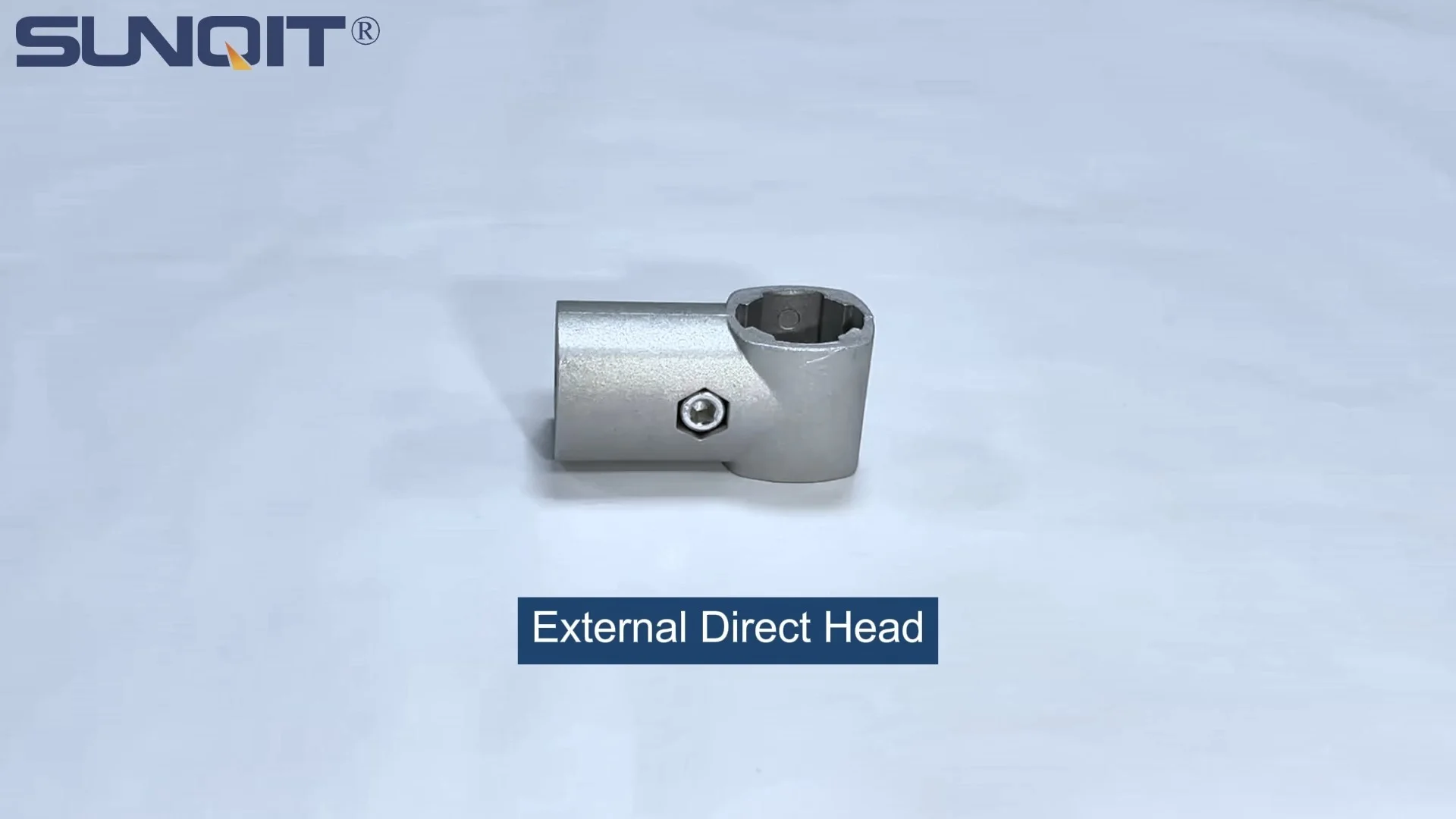
Two Way Aluminum Pipe Joint
Aluminum 2 way pipe joint for 28mm aluminum pipe connection in 2 direction.
Walk into any modern workshop, home office, or manufacturing floor, and you'll notice something: workstations aren't just tables with tools anymore. They're reflections of how we work—spaces that blend efficiency, comfort, and even personality. Whether you're setting up a corner desk for your side hustle or designing a production line for a factory, the goal is the same: create a space that works with you, not against you. And if you want to balance functionality with visual appeal, there's one tool that deserves a spot in your design toolkit: the two way aluminum pipe joint.
These unassuming connectors are the secret to building workstations that look as good as they perform. Pair them with aluminum profile, mix in some clever aluminum pipe accessories, and you've got a recipe for a setup that's modular, durable, and surprisingly stylish. In this guide, we'll break down practical design tips to help you craft a workstation that's both aesthetically pleasing and tailored to your needs—no design degree required.
Tip 1: Start with Functionality, Then Layer on Aesthetics
A workstation's first job is to make your work easier. Before you worry about color schemes or sleek lines, ask: What do I actually need this space to do? Do you need storage for tools? A clear surface for assembling small parts? Room to spread out blueprints? Jot down your must-haves—then use two way aluminum pipe joints and aluminum profile to build a functional foundation.
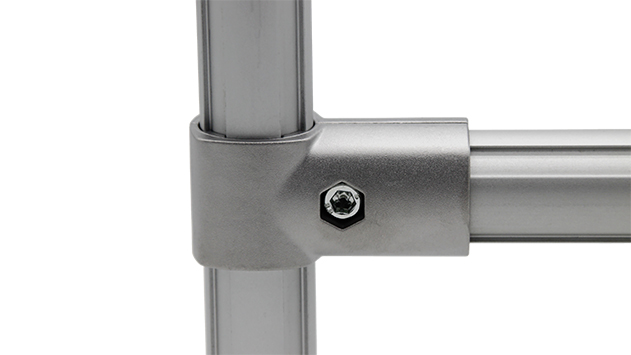
Aluminum profile is the backbone here. Lightweight but strong, it comes in various widths and finishes (think matte silver, black anodized, or even brushed gold) to fit different vibes. But what makes it truly versatile is how it connects: two way aluminum pipe joints. These simple, often L-shaped connectors let you join profiles at 90-degree angles, creating frames, shelves, or legs with minimal effort. Unlike rigid welds or glue, they're adjustable—so if you later realize you need an extra shelf or a taller work surface, you can tweak the design without starting over.
For example, let's say you're building a workbench for electronics assembly. You'll need a flat surface, storage for components, and maybe a shelf for your soldering iron. Start with a basic frame: use 4040 aluminum profile (a common, sturdy size) for the legs and rails, connected by two way joints. Add a plywood or aluminum honeycomb panel top for the work surface, then attach side shelves using the same joints. The result? A base that checks all your functional boxes—sturdy, customizable, and ready for the next step: making it look good.
Tip 2: Use Aluminum Pipe Accessories to Elevate Both Form and Function
Functionality gets you started, but accessories turn a "meh" workstation into something you'll actually enjoy using. Aluminum pipe accessories are where practicality and aesthetics collide—think end caps that hide sharp edges, brackets that add visual interest, or cable management clips that keep wires from becoming an eyesore. Let's break down a few key accessories and how they balance form and function:
| Accessory | What It Does (Function) | How It Looks (Aesthetic) |
|---|---|---|
| Aluminum End Caps | Covers the open ends of aluminum profile to prevent scratches and dust buildup. | Creates a clean, finished look—no exposed metal edges. Available in matte, gloss, or even colored options to match your profile. |
| T-Slot Rubber Seal Covers | Fills the T-slots in aluminum profile (the grooves that let you attach accessories) to block debris and reduce noise. | Smooths out the profile's surface, turning a utilitarian groove into a subtle design detail. Choose gray or black to blend in, or a pop of color (like yellow or blue) for contrast. |
| Angled Brackets | Reinforces joints or adds support for shelves/desktops. | Adds geometric interest—sleek, minimal brackets can make the structure feel modern, while curved brackets soften the look for a more organic vibe. |
| Plastic Roller Track Guide Rails | Creates smooth-sliding paths for bins or tools (great for assembly lines or storage). | Yellow or gray rails add a subtle pop of color against aluminum, breaking up monotony without overwhelming the space. |
The key here is to choose accessories that serve a purpose and align with your aesthetic. If you're going for a minimalist look, stick to black or silver brackets and neutral end caps. If you want a playful workshop, add a few colored rail guides or matte gold end caps. Two way aluminum pipe joints keep the structure clean by hiding excess hardware, so your accessories can take center stage without cluttering the design.
Tip 3: Blend Materials to Add Warmth (Without Sacrificing Durability)
Aluminum profile is sleek and durable, but too much metal can feel cold or industrial. The fix? Mix in other materials to add texture and warmth. Wood, acrylic, and even fabric can soften the look while complementing the strength of aluminum. Here's how to do it right:
Wood + Aluminum: A Timeless Combo
Pairing aluminum profile with wood is like pairing jeans with a nice shirt—it just works. Use a solid wood desktop (think oak or maple) on top of an aluminum frame built with two way joints. The warm grain of the wood balances the cool metallic sheen of the profile, creating a space that feels both rustic and modern. For extra flair, add wood shelves attached to the aluminum frame with simple brackets. Pro tip: Match the wood finish to other elements in the room (like a wooden tool chest or desk chair) for cohesion.
Acrylic + Aluminum: Light and Airy
If you want a workstation that feels open and modern, try acrylic. A clear acrylic shelf or desktop on an aluminum frame lets light pass through, making small spaces feel larger. Two way joints keep the frame minimal, so the focus stays on the transparency of the acrylic. This combo works especially well in home offices or craft rooms, where you want the workstation to feel like part of the decor, not a bulky afterthought.
Fabric + Aluminum: Softness in Unexpected Places
Who says workstations can't have softness? Use fabric to cover storage bins that slide into aluminum roller tracks, or add a fabric pinboard mounted on an aluminum frame. The contrast between the hard metal and soft fabric adds visual interest, and it's an easy way to inject color (try a muted linen or a bold patterned fabric, depending on your style).
The best part? Aluminum's neutral tone plays well with almost any material. Whether you prefer the warmth of wood or the sleekness of acrylic, two way joints ensure the structure stays strong and the look stays intentional.

Tip 4: Embrace Modularity to Grow with Your Needs (and Keep It Looking Fresh)
The average workstation isn't static. Your needs change: you add tools, take on bigger projects, or move to a new space. A modular design—built with two way aluminum pipe joints and aluminum profile—lets you adapt without rebuilding from scratch. And here's the bonus: modularity keeps your workstation looking fresh, because you can swap out parts or rearrange elements whenever you want.
Let's say you start with a simple workbench: a 4-foot aluminum frame with a wooden top, built using two way joints for the legs and crossbars. Six months later, you need more storage, so you add a side shelf using the same profile and joints. A year after that, you move to a smaller space—no problem. Disassemble the shelf, shorten the frame, and reattach the top. The structure stays sturdy, and the design evolves with you.
Modularity also lets you experiment with aesthetics. Tired of the all-silver look? Swap out a few aluminum profile pieces for black anodized ones. Want to add a pop of color? replace the gray roller track guide rails with yellow ones. Since two way joints make it easy to disconnect and reconnect parts, you're never stuck with a design you've outgrown.
This flexibility aligns with lean system principles too—reducing waste by reusing components and avoiding the need to buy new furniture every time your needs change. A modular workstation isn't just a design choice; it's a smart, sustainable one.

Tip 5: Prioritize Ergonomics—Comfort Looks Good on Everyone
A workstation can be as sleek as a magazine spread, but if it leaves you with a sore back or strained eyes, it's a failure. Ergonomics—the science of designing spaces for human comfort—should guide every decision, and the good news is, it doesn't have to ruin the look. In fact, a well-designed ergonomic setup often enhances aesthetics, because it feels intentional and thoughtful.
Adjustable Heights = Happy Shoulders (and a Sleek Silhouette)
Aluminum profile and two way joints make it easy to build a height-adjustable workstation. Use longer profile pieces for the legs and add adjustable brackets (another handy aluminum pipe accessory) to raise or lower the desktop. No clunky hydraulics—just clean, threaded brackets that blend into the frame. Whether you're sitting or standing, you'll avoid slouching, and the workstation will look streamlined, not bulky.
Tool Placement: Within Reach, Out of the Way
Nothing ruins a workstation's look faster than tools scattered across the surface. Use aluminum pipe accessories like hanging racks or side-mounted tool holders (attached with two way joints) to keep frequently used items within arm's reach but off the desktop. For example, mount a small shelf above the workstation for your soldering iron or tape dispenser, or add a vertical rail with hooks for scissors and pliers. The result? A clean surface that's both functional and visually calming.
Lighting: Brighten Up Without Clutter
Poor lighting strains your eyes and makes even the nicest workstation look dull. Mount a slim LED light bar to the aluminum frame using brackets—position it under a shelf or above the desktop for direct, shadow-free light. Since the brackets are low-profile and the light bar is sleek, it won't disrupt the workstation's design. Plus, warm white or daylight LED bulbs can make the space feel more inviting, turning a utilitarian area into one you actually look forward to using.
Wrapping Up: Your Workstation, Your Way
Designing a workstation with two way aluminum pipe joints isn't about following trends—it's about creating a space that fits you . Start with what you need, layer on style with aluminum profile and accessories, mix in materials that speak to you, and build in flexibility for the future. The result? A workstation that's not just a place to work, but a reflection of how you work: efficiently, comfortably, and with a little personality.
And remember: you don't need to be a designer to pull this off. Two way aluminum pipe joints simplify the building process, aluminum profile is easy to cut and customize, and aluminum pipe accessories take care of the finishing touches. So grab a tape measure, sketch out your needs, and start building—your perfect workstation is waiting.