- Company Articles
- Products and Technology
- Product knowledge
- Difference Between Single & Double Parallel Rotatory Lean Pipe Joint Chrome

Difference Between Single & Double Parallel Rotatory Lean Pipe Joint Chrome
Related Product
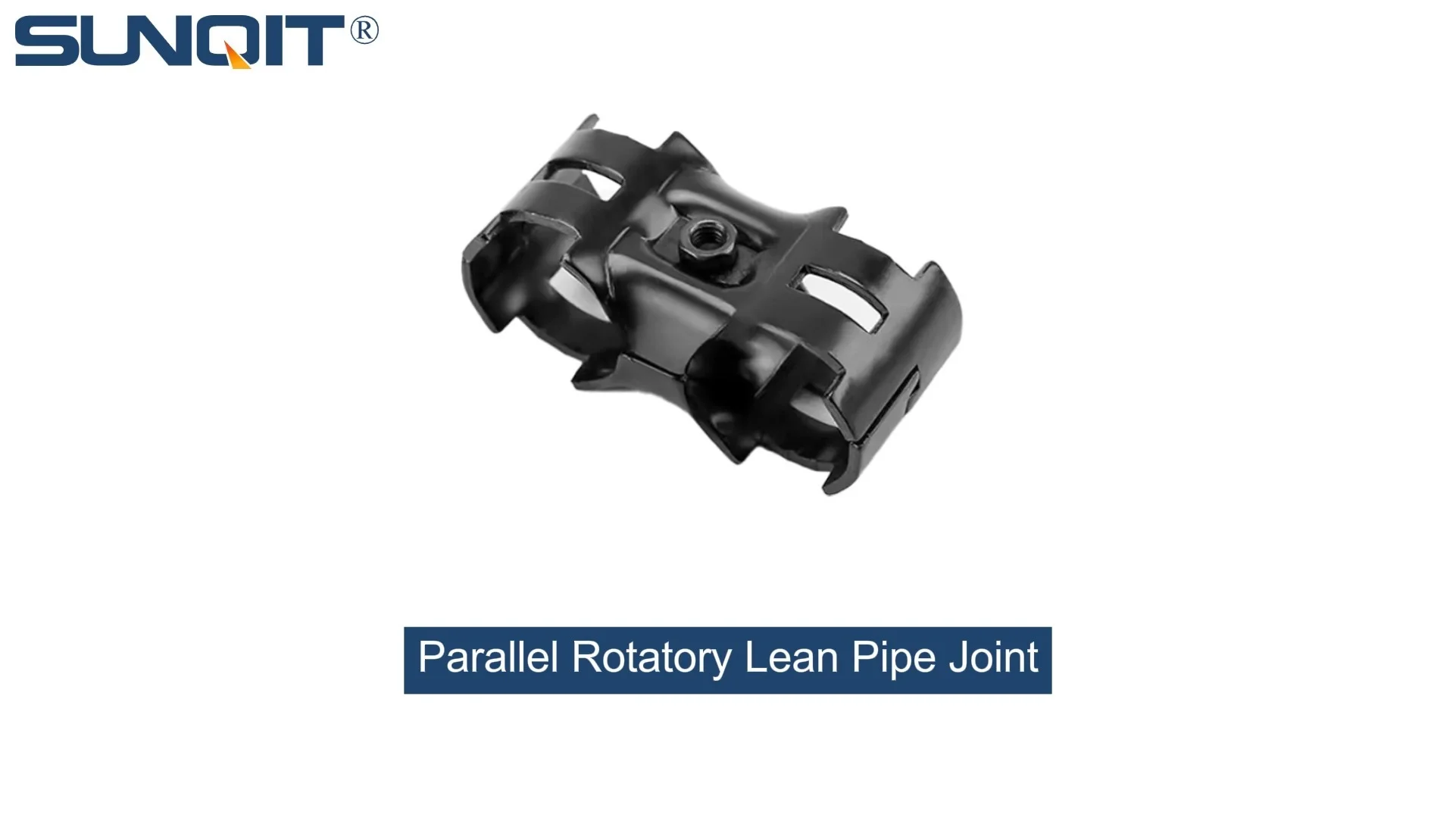
Parallel Rotatory Lean Pipe Joint
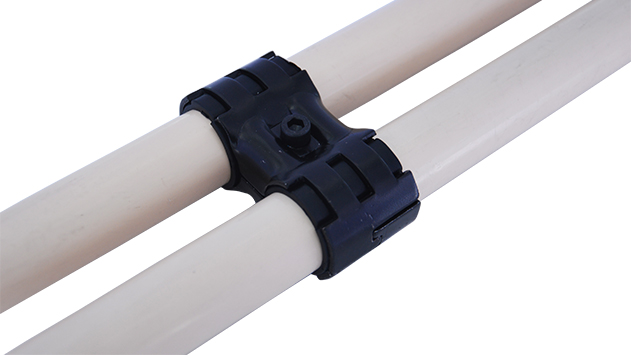
Parallel rotatory lean pipe joint, for 2 pcs pipe conenction in parallel direction with rotatory function.
In the world of manufacturing and workshop optimization, every component plays a quiet but critical role in keeping operations running smoothly. When it comes to building flexible, efficient workspaces, lean pipe systems have become the backbone of modern lean manufacturing. These systems—composed of pipes, joints, and accessories—allow teams to create everything from workbenches and material racks to assembly lines that adapt to changing needs. But if lean pipes are the "bones" of these structures, then the joints are the "joints" in the truest sense: they connect, rotate, and support, making flexibility possible. Today, we're zeroing in on two unsung heroes of this system: the single parallel rotatory lean pipe joint chrome and the double parallel rotatory lean pipe joint chrome. While they might sound similar, their differences can make or break the efficiency of your lean pipe workbench, material rack, or entire production line. Let's dive in.
Why Lean Pipe Joints Matter in Lean Systems
Before we get into the specifics of single and double parallel rotatory joints, let's take a step back and understand why these small components are so vital. Lean systems are all about eliminating waste—whether that's wasted time, space, or effort. A well-designed lean system uses modular components that can be reconfigured quickly, reducing downtime when production needs change. Lean pipe joints are the linchpin here. They're the connectors that hold pipes together, but more importantly, they determine how much a structure can move, adjust, and adapt.
Chrome-plated lean pipe joints, in particular, are prized for their durability. The chrome coating adds a layer of resistance to corrosion, scratches, and daily wear and tear—essential in busy workshops where spills, grease, and constant use are par for the course. But beyond durability, rotatory joints bring "movement" to static structures. Imagine a workbench where a tool holder can swivel out of the way when not in use, or a material rack where shelves tilt to feed parts directly to an assembly line. That movement? It's all thanks to rotatory joints. And when it comes to parallel rotatory joints, their ability to rotate along a parallel axis adds a unique level of flexibility that's hard to replicate with fixed joints.
Breaking Down the Basics: What Are Parallel Rotatory Lean Pipe Joints?
Parallel rotatory lean pipe joints are designed to connect two or more lean pipes along a parallel axis, allowing rotation around that axis. Think of them as hinges that let sections of a structure swing, tilt, or pivot without losing stability. The "chrome" in their name refers to the plating process, which not only enhances their appearance but also improves their performance: chrome is smooth, which reduces friction during rotation, and it's easy to clean, making maintenance a breeze.
Now, the key distinction here is between "single" and "double" parallel rotatory joints. As the names suggest, a single parallel rotatory joint has one set of rotating components, while a double has two. But this isn't just a matter of adding an extra part—this difference impacts everything from load capacity to how the joint integrates with other components like aluminum profile or roller track. Let's break down each type.
Single Parallel Rotatory Lean Pipe Joint Chrome: The Flexible Workhorse
Design & Structure
The single parallel rotatory lean pipe joint chrome is a compact, lightweight connector built for simplicity and flexibility. At its core, it consists of a fixed base, a rotating arm, and a locking mechanism (often a setscrew or lever). The base attaches to one lean pipe, while the rotating arm connects to a second pipe, aligned parallel to the first. The rotation happens around a single pin or axle, allowing the connected pipe to swing up, down, or sideways within a specific range—typically 180 degrees, though some models offer up to 270 degrees of movement.
Chrome plating covers the entire joint, from the base to the rotating arm, ensuring that every moving part stays smooth and corrosion-free. The materials underneath the chrome are usually high-grade steel, chosen for its strength-to-weight ratio. This makes the single joint ideal for applications where weight is a concern, such as small turnover trolleys or lightweight workbenches.
Functionality & Use Cases
What really sets the single parallel rotatory joint apart is its focus on flexibility. Because it has only one rotating axis, it's designed to handle lighter loads (usually up to 50kg per joint) but offers more precise control over movement. This makes it perfect for scenarios where you need to adjust a component slightly but don't need heavy-duty support. For example:
- Lean Pipe Workbench Accessories: Imagine a workbench where tools hang from a side rail. A single parallel joint can connect the rail to the workbench frame, allowing the rail to swing out of the way when not in use, freeing up surface space.
- Small Material Racks: In a 3-row, 3-floor material rack (like "material rack b" from many suppliers), single joints can be used on the top shelf to tilt bins forward, making it easier for workers to reach items without straining.
- Assembly Line Guides: When paired with roller track, a single joint can adjust the angle of the track to control the flow of parts—tilting it slightly to speed up movement or flattening it to slow things down.
Another advantage of the single joint is its compatibility with standard lean pipe sizes (usually 28mm or 30mm diameter) and common accessories like plastic roller track guide rails (yellow or grey) or aluminum guide rails. Its compact size means it can fit into tight spaces, making it a favorite for custom, space-saving setups.

Double Parallel Rotatory Lean Pipe Joint Chrome: The Heavy-Duty Specialist
Design & Structure
If the single parallel rotatory joint is the flexible workhorse, the double parallel rotatory lean pipe joint chrome is the heavy-duty specialist. As the name implies, it features two rotating axes instead of one, which are usually aligned parallel to each other. This dual-axis design adds complexity but also significantly boosts stability and load capacity.
Structurally, the double joint has a larger base with two separate rotating arms (or a single arm with two pivot points), each connected to the base via its own axle. This means the joint can rotate in two directions simultaneously or lock one axis while moving the other, offering a wider range of motion—often 360 degrees on one axis and 180 on the other. The chrome plating here is thicker than on single joints, providing extra protection for the more complex moving parts. Underneath, the steel is reinforced, with thicker walls and larger axles to handle heavier loads.
Functionality & Use Cases
The double parallel rotatory joint shines in applications where stability and load capacity are non-negotiable. With two rotating axes, it can support weights up to 150kg or more, depending on the model, making it ideal for heavy tools, large bins, or dynamic systems where movement is frequent and forceful. Here are some common use cases:
- Heavy-Duty Workbenches: A "workbench e (single deck-without caster)" used in automotive or aerospace manufacturing might have double joints connecting the main frame to side extensions. These joints need to support heavy machinery while still allowing the extensions to fold down when not in use.
- Multi-Tier Material Racks: In a busy warehouse, a material rack with 3 rows and 3 floors (material rack b) might use double joints on the lower levels to support bulky items like engine parts. The dual axes allow workers to pull out entire sections of the rack for easy access, then push them back into place without worrying about collapse.
- Dynamic Assembly Lines: When paired with roller track, double joints can create adjustable conveyor sections. For example, in a production line where parts need to move from a high shelf to a lower workbench, a double joint can tilt the roller track to the perfect angle while supporting the weight of multiple parts sliding down at once.
One of the double joint's biggest advantages is its compatibility with aluminum profile and aluminum extrusion profile. Many lean systems today mix lean pipe with aluminum for a lighter, more modular setup, and double joints have the strength to connect these materials securely. They also work well with accessories like swivel roller balls (1 inch or 0.5 inch) and plastic roller track guide rails, as their stability ensures these moving parts don't wobble or jam during operation.

Side-by-Side Comparison: Single vs. Double Parallel Rotatory Joints
To really understand how these two joints stack up, let's put them head-to-head in a table. This will help you decide which one is right for your next project:
| Feature | Single Parallel Rotatory Lean Pipe Joint Chrome | Double Parallel Rotatory Lean Pipe Joint Chrome |
|---|---|---|
| Load Capacity | Up to 50kg per joint | Up to 150kg+ per joint |
| Rotation Range | 180–270 degrees (single axis) | 180–360 degrees (dual axes) |
| Weight | Lightweight (500–800g) | Heavier (1–1.5kg) |
| Best For | Light loads, small workbenches, simple adjustments | Heavy loads, large workbenches, dynamic systems |
| Compatibility | Standard lean pipes, lightweight accessories (e.g., 0.5 inch swivel roller balls) | Heavy-duty lean pipes, aluminum profile, roller track, large accessories (e.g., 1 inch swivel roller balls) |
| Installation Complexity | Simple (10–15 minutes per joint) | Moderate (20–30 minutes per joint, due to dual axes) |
| Cost | More affordable (entry-level price point) | Higher (due to reinforced materials and dual axes) |
Choosing the Right Joint: Key Factors to Consider
Now that you know the differences, how do you choose between single and double parallel rotatory lean pipe joint chrome for your project? Here are the key factors to weigh:
1. Load Requirements
Start with the weight of the items your structure will hold. If you're building a small parts bin for screws and washers, a single joint is more than enough. But if you're supporting a 100kg tool chest on a workbench, go with a double joint—safety first.
2. Movement Needs
How much rotation do you need? If you just need to swing a shelf up 90 degrees to access the back, a single joint's 180-degree range works. But if you need to tilt a roller track forward and then swivel it to the side, a double joint's dual axes will give you the flexibility.
3. Space & Weight Constraints
Single joints are lighter and more compact, making them great for tight spaces or structures where extra weight could be a problem (like a mobile turnover trolley). Double joints are bulkier, so they need more room to rotate and may add unnecessary weight to lightweight setups.
4. Compatibility with Other Components
If you're using aluminum profile or heavy roller track, double joints are better equipped to connect these materials. Single joints work best with standard lean pipes and small accessories like plastic guide rails.
5. Long-Term Flexibility
Think about future changes. If you might need to upgrade your structure to hold heavier loads later, investing in double joints now can save you the hassle of replacing them down the line. Single joints are easier to swap out, but they're not as scalable.
Maintenance Tips for Chrome Rotatory Joints
Both single and double parallel rotatory lean pipe joints chrome are built to last, but a little maintenance goes a long way. Here's how to keep them in top shape:
- Clean Regularly: Wipe down the chrome surfaces with a damp cloth to remove dust, grease, and debris. This prevents buildup that can slow rotation.
- Lubricate Moving Parts: Every 3–6 months, apply a small amount of light machine oil to the axles and pivot points. This keeps rotation smooth and prevents rust.
- Check Locking Mechanisms: Tighten setscrews or levers if they start to loosen. A loose joint can wobble, reducing stability and increasing wear.
- Inspect for Damage: Look for cracks in the steel or chips in the chrome. If you spot damage, replace the joint immediately—compromised structural integrity is a safety risk.
Final Thoughts: The Right Joint for the Right Job
At the end of the day, there's no "better" joint—only the right joint for your needs. The single parallel rotatory lean pipe joint chrome is a flexible, lightweight option perfect for small-scale, dynamic setups where precision movement is key. The double parallel rotatory lean pipe joint chrome, on the other hand, is the heavy lifter, built for stability and strength in large, high-load systems.
Whether you're assembling a lean pipe workbench, a material rack, or an entire production line, understanding the differences between these two joints will help you build a structure that's not just functional, but efficient and adaptable. And remember: in lean systems, every component counts. Choosing the right joint might seem like a small decision, but it can make a big difference in how well your workspace supports your team's goals.
So, next time you're planning a lean system project, take a moment to think about the joints. Are you moving light parts or heavy machinery? Do you need simple swiveling or multi-axis rotation? The answers will guide you to the perfect joint—single or double—and set you up for success.