- Company Articles
- Products and Technology
- Installation And Maintenance
- DIY vs. Professional Installation: 40 Roller Track Placon Mount Flat Best Practices

DIY vs. Professional Installation: 40 Roller Track Placon Mount Flat Best Practices
Related Product
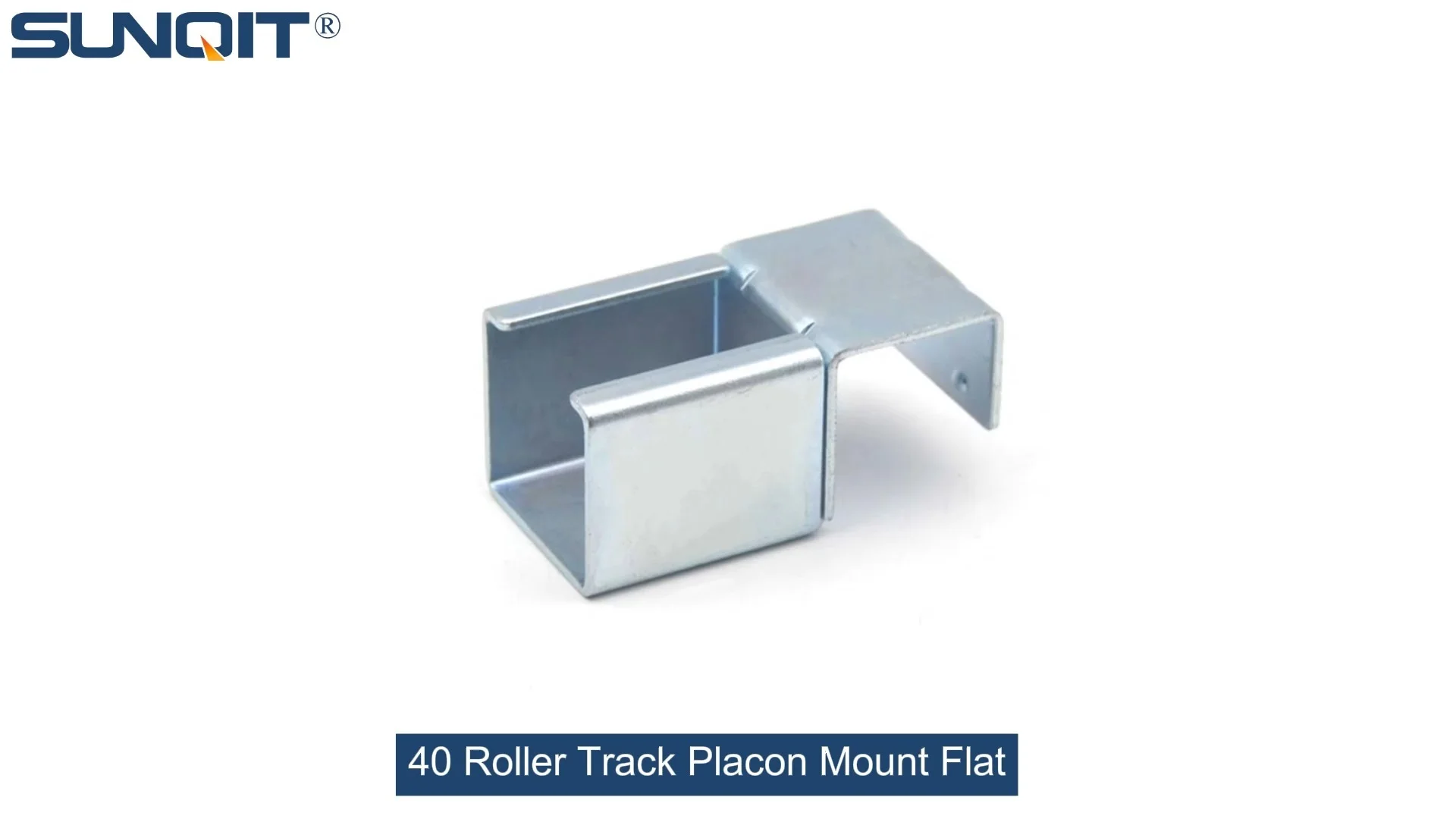
40 Roller Track Placon Mount Flat
Roller track placon mount work as a connector for roller track and pipe or aluminum profile in rack syetem, it is a necessary parts in rack system which widely used in industrial plant and logistic,warehouse storage.
When you're knee-deep in optimizing a production line or revamping a warehouse layout, every component matters. The 40 Roller Track Placon Mount Flat isn't just another piece of hardware—it's the silent workhorse that keeps materials flowing, assembly lines moving, and operations humming. But here's the million-dollar question: Should you tackle its installation yourself, or call in the pros? Let's break down the debate, weigh the pros and cons, and uncover the best practices that ensure your roller track performs at its peak, whether you're a hands-on DIY enthusiast or someone who trusts expertise to get the job done right.
First Things First: What Exactly Is 40 Roller Track Placon Mount Flat?
Before diving into installation methods, let's get familiar with the star of the show. The 40 Roller Track Placon Mount Flat is a precision-engineered component designed to facilitate smooth, efficient material handling in manufacturing and logistics settings. Picture this: a series of rollers mounted on a flat aluminum base, engineered to glide products from point A to point B with minimal friction. Its "placon mount" design means it attaches seamlessly to aluminum profiles, making it a versatile fit for everything from flow racks to conveyor systems.
What sets it apart? Durability, for starters. Crafted from high-grade aluminum and steel, it's built to withstand the daily grind of heavy loads and constant use. Then there's flexibility—its modular design lets you adjust length, angle, and configuration to match your specific workflow. Whether you're moving small electronic parts in a 3C assembly line or bulkier items in a warehouse, this roller track adapts. But here's the catch: its performance lives or dies by how well it's installed. A misaligned track can slow down operations, damage products, or even create safety hazards. That's why choosing between DIY and professional installation isn't just about saving time or money—it's about protecting your investment in efficiency.
The DIY Route: Pros, Cons, and a Step-by-Step Guide
For the do-it-yourselfers out there—those who take pride in building, troubleshooting, and learning on the job—DIY installation might seem like the obvious choice. It's cost-effective, gives you full control, and can be a rewarding project. But before you grab your toolbox, let's look at what you're signing up for.
Why DIY Might Work for You
- Cost Savings : Professional installation fees can add up, especially for larger setups. DIY eliminates labor costs, letting you allocate budget to other equipment upgrades.
- Flexibility : Need to tweak the layout mid-installation? DIY means you can pivot on the fly without waiting for a contractor's schedule.
- Hands-On Knowledge : Installing it yourself deepens your understanding of the component, making future maintenance or adjustments easier.
The Challenges of Going It Alone
Don't let the perks fool you—DIY has its hurdles. For one, precision is non-negotiable. The 40 Roller Track Placon Mount Flat relies on perfectly aligned mounting points and level surfaces to function smoothly. A tiny miscalculation can lead to rollers jamming, uneven wear, or products sliding off track. Then there's the tool gap: while basic tools like drills and levels work for simple setups, specialized equipment (like laser levels for alignment or torque wrenches for securing bolts) might be beyond the average workshop's inventory. And let's not forget time—what you think will take a weekend could stretch into days if you hit snags, leaving your operation in limbo.
DIY Installation Step-by-Step (If You're Still In)
- Prep Like a Pro : Start by unpacking all components and cross-referencing with the manual—missing a single roller or bracket can derail the whole project. Clean the installation area thoroughly; dust or debris under the track can throw off alignment.
- Measure Twice, Drill Once : Use a tape measure and straightedge to mark mounting points on your aluminum profile. For a 10-foot track, space brackets every 18–24 inches to prevent sagging. Double-check measurements diagonally to ensure squareness.
- Secure the Base : Attach the placon mount brackets to the aluminum profile using the provided bolts. Tighten them snugly but avoid over-torquing—stripping threads is a common DIY pitfall.
- Mount the Rollers : Slide each roller into the track, ensuring they spin freely. Check for gaps between rollers; uneven spacing can cause products to get stuck.
- Test and Adjust : Place a test product (similar in weight to what you'll be moving) on the track and let it roll. If it veers to one side, adjust the brackets slightly. If it slows down or stops, check for misaligned rollers or loose bolts.

Professional Installation: When Expertise Pays Off
For every DIY success story, there's a horror tale of bent brackets, misaligned tracks, and costly downtime. That's where professional installation comes in. These aren't just people with tools—they're specialists who install 40 Roller Track Placon Mount Flat systems day in and day out, bringing experience, precision, and peace of mind to the table.
The Case for Hiring Pros
- Speed and Efficiency : A pro team can install a 50-foot track in hours, not days. They come with the right tools (think laser alignment systems and industrial-grade fasteners) and a process honed by repetition.
- Precision Engineering : Professionals use calibrated equipment to ensure the track is level within 0.5mm per meter—something even the most careful DIYer might struggle to achieve. This level of accuracy translates to smoother operation and longer component life.
- Warranty Protection : Many manufacturers void warranties if installation isn't done by certified technicians. Professional installation keeps your warranty intact, covering repairs or replacements if issues arise.
- Safety Compliance : In industrial settings, safety standards are strict. Pros know how to anchor the track to withstand heavy loads and vibrations, reducing the risk of accidents or equipment failure.
What to Expect from a Professional Service
Professional installation isn't just about screwing in brackets. It starts with a site assessment: experts evaluate your space, discuss your workflow needs, and recommend tweaks to the layout for optimal performance. They'll then create a detailed installation plan, coordinate with your team to minimize downtime, and execute with military precision. Post-installation, they'll run load tests, provide maintenance tips, and even offer follow-up support if you need adjustments later. It's a full-service package that takes the stress out of setup.

DIY vs. Professional: A Side-by-Side Breakdown
| Factor | DIY Installation | Professional Installation |
|---|---|---|
| Cost | Lower upfront (materials only), but hidden costs if mistakes occur | Higher upfront, but no risk of costly rework |
| Time | 1–3 days (amateurs), longer if issues arise | 4–8 hours (for most standard setups) |
| Precision | Relies on personal skill; prone to minor errors | Industrial-grade accuracy (±0.5mm alignment) |
| Warranty | Often voided or limited | Fully covered by manufacturer warranty |
| Safety | Risk of improper anchoring or alignment | Compliant with OSHA/industry safety standards |

Best Practices: Making the Right Choice for Your Operation
So, which path should you take? It boils down to three key factors: scale, expertise, and stakes. For small-scale setups (like a home workshop or a single flow rack in a small warehouse), DIY might work—provided you have the time and tools to get it right. But for industrial environments, high-volume production lines, or applications where safety and uptime are critical (think medical device assembly or 3C manufacturing), professional installation is worth every penny.
Here's a pro tip: even if you choose DIY, consider consulting a professional for a pre-installation review. Many suppliers offer free virtual consultations where experts can spot potential issues in your layout before you drill a single hole. It's a small step that can save big headaches later.
Real-World Success Stories
Still on the fence? Let's look at how others have navigated this decision.
Case 1: The Small Warehouse DIY Win : A family-owned electronics distributor in Texas opted for DIY installation of 40 Roller Track Placon Flat on their flow racks. They spent a weekend measuring, mounting, and testing, and while they encountered a minor alignment issue (easily fixed with shims), the system has run flawlessly for over a year. "We saved $800 on installation, and now my son knows how to fix it if something jams," says the warehouse manager.
Case 2: The Auto Parts Plant Pro Choice : A mid-sized auto parts manufacturer in Michigan needed 200 feet of roller track for their conveyor system. They hired professionals, citing precision as the deciding factor. "Our parts weigh up to 50 lbs each—one misaligned roller could cause a jam, shutting down the line for hours," explains the operations director. The installation took a single day, and the system has maintained 99.7% uptime since.
Final Thoughts: It's About More Than Installation
At the end of the day, the 40 Roller Track Placon Mount Flat is a tool—one that should work for you, not against you. Whether you choose DIY or professional installation, the goal is the same: a system that's reliable, efficient, and built to last. For hobbyists and small operations, DIY can be a rewarding, cost-effective choice. For industrial settings where precision and reliability are non-negotiable, professional installation is the smart investment.
Whichever path you take, remember: maintenance matters as much as installation. Regularly clean rollers, tighten bolts, and inspect for wear—these small steps will keep your track rolling smoothly for years to come. After all, a well-installed, well-maintained roller track isn't just a component; it's the backbone of a lean, efficient operation.