- Company Articles
- Products and Technology
- Installation And Maintenance
- DIY vs Professional Installation of 40 Steel Wheel Roller Track

DIY vs Professional Installation of 40 Steel Wheel Roller Track
Related Product
40 Steel Wheel Roller Track
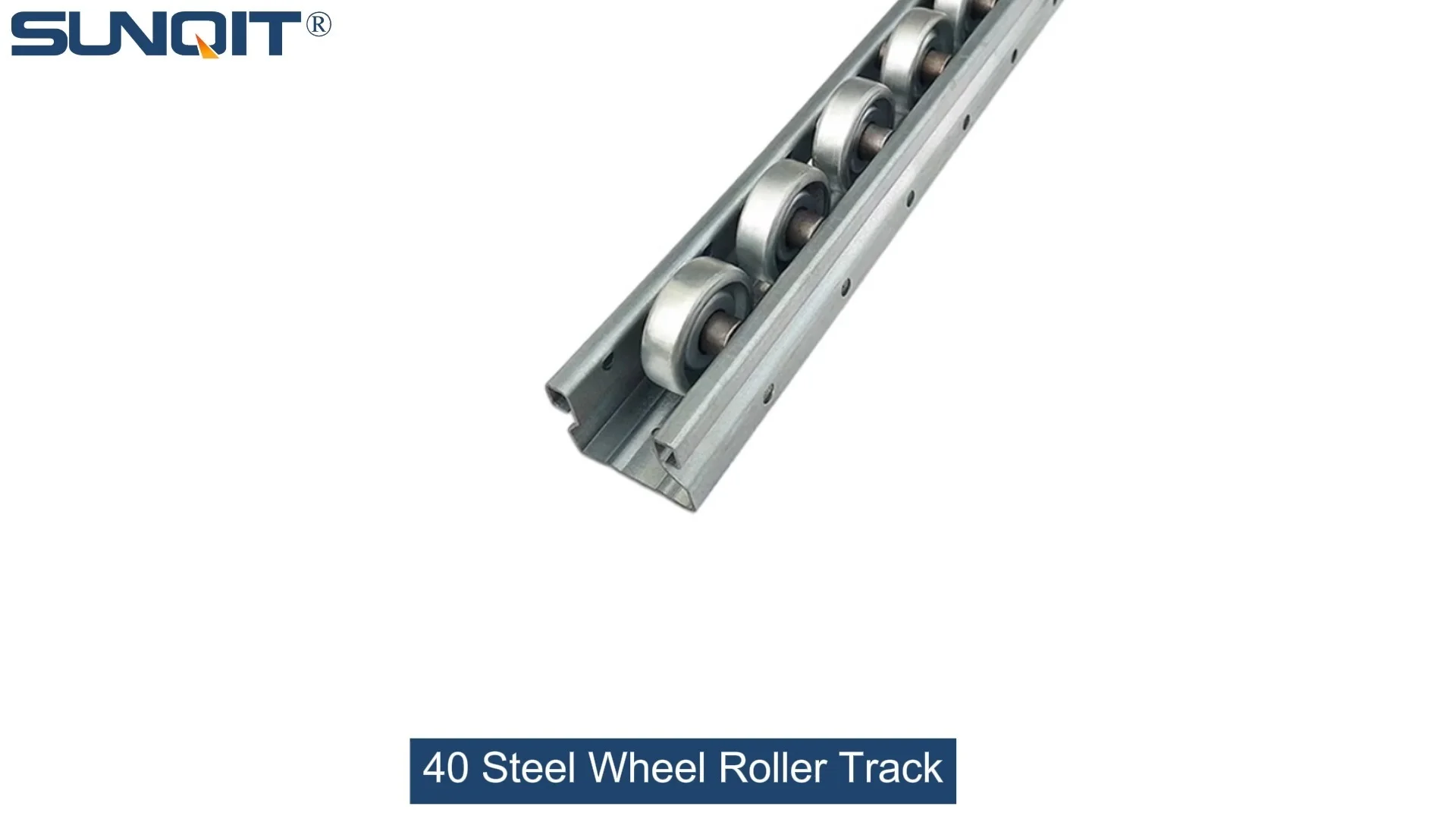
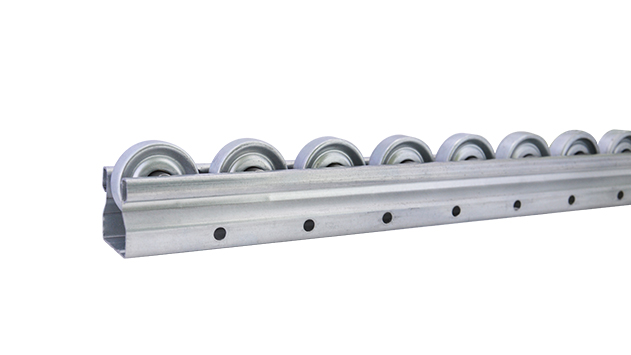
Heavy duty steel wheel roller track with cylindrical steel rollers for use in processing, logistics and materials handling operations. Ideal for transporting goods quickly and easily as well as for installing on shelving to aid in picking operations.
In the fast-paced world of manufacturing and warehousing, every second counts. The smooth flow of materials from one workstation to the next can make or break your team's productivity. That's where tools like the 40 steel wheel roller track come into play—quiet workhorses that keep your production line moving, reduce manual labor, and turn chaos into order. But when it comes to setting up this essential equipment, a big question looms: Should you roll up your sleeves and tackle it yourself (DIY), or trust the job to professionals? Let's dive into this decision, weighing the pros and cons to help you choose what's best for your operations.
First Things First: What Exactly Is a 40 Steel Wheel Roller Track?
Before we compare installation methods, let's make sure we're all on the same page about the star of the show. A 40 steel wheel roller track is a robust conveyor system designed to move goods—think components, boxes, or finished products—along a set path with minimal effort. The "40" here refers to the standard size, while "steel wheel" highlights its durable construction, built to handle daily wear and tear in busy environments like factories, assembly lines, and distribution centers.
These tracks are more than just metal and wheels, though. They're part of a larger ecosystem of roller track and accessories —think connectors, guides, and supports—that work together to create a seamless material flow. Whether you're assembling electronics on a production line or organizing inventory in a warehouse, a well-installed roller track becomes the backbone of efficiency, cutting down on time wasted moving items by hand and reducing the risk of errors.
The Case for DIY Installation: Rolling Up Your Sleeves
For hands-on business owners or small teams with tight budgets, DIY installation can sound appealing. Let's break down why some choose this route, along with the challenges you might face.
The Upsides of Going DIY
Cost Savings Upfront : Let's start with the most obvious draw—money. Professional installation services come with labor fees, and for small businesses or startups watching every penny, skipping that expense can free up cash for other needs, like upgrading tools or hiring extra hands on the production floor.
Flexibility on Your Schedule : When you handle installation yourself, you set the timeline. No waiting for a service team to fit you into their calendar or rushing to meet someone else's deadline. If you need to pause mid-project to adjust for a sudden production spike, you can—no questions asked.
A Sense of Ownership : There's something satisfying about building something that directly contributes to your business's success. Completing the installation yourself means your team knows every nut, bolt, and wheel of the system inside out—valuable knowledge when minor tweaks or quick fixes are needed later.
Ideal for Simple Setups : If you're installing a short, straightforward track (say, between two workstations in a small workshop), DIY might be more than enough. Basic tracks with standard roller track accessories (like connectors and end stops) don't always require advanced expertise—just patience and a few basic tools.
The Challenges of DIY Installation
Of course, DIY isn't all cost savings and satisfaction. Here are the hurdles you'll need to clear:
Skill Gaps and Learning Curves : Even "simple" installations demand precision. Measuring the track alignment, ensuring the wheels are level, and securing joints properly aren't tasks for beginners. A small miscalculation could lead to jams, uneven material flow, or even safety risks down the line.
Time Drain : What you save in labor costs, you might lose in time. Your team's expertise lies in manufacturing or logistics, not in assembling roller tracks. Hours spent figuring out instructions or troubleshooting misalignments could mean delayed production or neglected daily tasks.
Limited Access to Tools : Professional installers come with specialized gear—precision levels, power tools, and safety equipment—that most businesses don't keep on hand. Making do with basic tools might get the job done, but it won't guarantee the same level of accuracy or durability.
No Safety Net for Mistakes : If something goes wrong after DIY installation—say, the track fails under heavy loads or causes an accident—you're on your own. There's no warranty for labor errors, and fixing mistakes could end up costing more than professional installation would have in the first place.
A Quick DIY Installation Roadmap (If You're Still Considering It)
If you've weighed the pros and cons and decided to go DIY, here's a simplified step-by-step to guide you:
1. Plan Your Layout : Map out where the track will go, measuring distances and noting any obstacles (like walls or machinery). Sketch it out or use simple software to visualize the flow.
2. Gather Tools and Parts : You'll need a tape measure, level, wrench set, drill, and all the roller track accessories (connectors, brackets, end supports) that came with your track. Double-check that you have everything before starting—nothing kills momentum like a missing part.
3. Assemble the Track : Start by securing the frame to the floor or workstation (use a level to ensure it's flat!). Then attach the steel wheels, spacing them evenly. Connect sections with the provided joints, tightening bolts just enough to hold them steady (over-tightening can warp the track).
4. Test and Adjust : Roll a test load (similar to what you'll be moving daily) along the track. Listen for jams, watch for uneven rolling, and tweak alignment as needed. If something feels off, don't rush—take the time to fix it now.
The Case for Professional Installation: Trusting the Experts
For many businesses, especially those scaling up or prioritizing long-term reliability, professional installation is worth the investment. Let's explore why.
The Benefits of Hiring Pros
Expertise in Lean Principles : Professional installers don't just put together tracks—they design systems that align with lean solution goals. They'll optimize the track layout to minimize waste, reduce bottlenecks, and integrate seamlessly with your existing workflow, turning a basic tool into a strategic asset for efficiency.
Speed and Precision : A seasoned team has done this hundreds of times. They'll arrive with the right tools, know exactly how to avoid common pitfalls (like misalignment or weak joints), and finish the job in a fraction of the time it would take your team. For large-scale installations (think an entire warehouse or multi-stage production line), this speed is invaluable.
Quality Assurance and Safety : Professionals follow industry standards and safety codes to the letter. They'll test the track under maximum load conditions, ensure all components are rated for your specific needs, and provide documentation—giving you peace of mind that the system won't fail when you need it most.
Long-Term Support : Reputable installers don't disappear after the job is done. They'll walk your team through maintenance tips, offer follow-up checks, and even help troubleshoot if issues arise later. This ongoing support can extend the life of your track and prevent costly downtime.
The Drawbacks of Professional Installation
It's not a perfect solution, though. Here's what to consider:
Higher Upfront Costs : Labor fees add up, especially for complex systems. For small businesses with tight budgets, this can feel like a luxury—though many find the long-term savings (fewer repairs, better efficiency) offset the initial expense.
Dependency on Scheduling : You'll need to coordinate with the installation team's calendar, which might mean adjusting your production schedule temporarily. Clear communication is key here—ask for a timeline upfront and plan accordingly.
Less Control Over the Process : While professionals will collaborate with you on the design, you're trusting their judgment on the details. For hands-on owners, this can feel like ceding control—though a good team will keep you in the loop every step of the way.
What Professional Installation Actually Includes
When you hire a pro, you're getting more than just labor. A full-service installation typically involves:
1. On-Site Assessment : The team visits your facility to evaluate space, workflow, and goals. They'll ask about your typical load sizes, production volumes, and future plans to ensure the system scales with you.
2. Custom Layout Design : Using 3D modeling or lean analysis tools, they'll create a layout tailored to your needs—whether that means integrating with aluminum profile workstations, adding curves for tight spaces, or designing multi-level tracks for vertical storage.
3. Installation and Testing : The team assembles the track, installs all roller track accessories (including specialized parts like adjustable guides or brake systems), and runs rigorous tests. They'll simulate real-world conditions to ensure smooth operation.
4. Training and Documentation : Before leaving, they'll train your team on basic maintenance, troubleshooting, and safety protocols. You'll also get manuals, warranty info, and contact details for ongoing support.

DIY vs Professional Installation: A Side-by-Side Comparison
| Factor | DIY Installation | Professional Installation |
|---|---|---|
| Cost | Lower upfront (no labor fees), but potential hidden costs if mistakes occur. | Higher upfront (labor + service fees), but long-term savings from quality and efficiency. |
| Time Investment | Longer (hours to days, depending on complexity and team experience). | Shorter (hours to a day for most projects, even large ones). |
| Skill Required | Moderate to high (needs experience with tools, measurements, and basic engineering). | None for your team (professionals handle all technical work). |
| Quality Assurance | Depends on your team's skill—risk of misalignment, weak joints, or suboptimal layout. | Guaranteed (backed by experience, standards compliance, and post-installation testing). |
| Ideal For | Small, simple setups; tight budgets; hands-on teams with technical skills. | Large/complex systems; businesses prioritizing lean efficiency; safety-critical environments. |
| Long-Term Support | Limited (you're responsible for troubleshooting and maintenance). | Comprehensive (installers provide training, documentation, and follow-up support). |

Choosing What's Right for Your Business
There's no one-size-fits-all answer—your choice depends on your unique situation. Ask yourself these questions:
What's the scale of your project? A 10-foot track in a garage workshop? DIY might work. A 100-foot track spanning multiple production stations? Professionals will save you time and headaches.
How tight is your timeline? If you need the track up and running next week to meet a deadline, pros are the way to go. If you have weeks to spare and want to learn the system deeply, DIY could be a learning opportunity.
What's your long-term goal? If you're aiming for lean solution excellence and plan to expand your operations, professional installation ensures your track system can grow with you—no costly redesigns later.
Can you afford mistakes? A jammed track during a busy production day could cost thousands in lost output. If reliability is non-negotiable, the peace of mind from professional installation is priceless.
Final Thoughts: It's About Alignment, Not Perfection
At the end of the day, both DIY and professional installation have their place. DIY is a solid choice for small, simple projects where cost and ownership matter most. Professional installation shines when you need speed, expertise, and a system built to drive lean solution results.
Whichever path you choose, remember: the goal is to create a material flow system that makes your team's work easier, faster, and safer. Whether you build it yourself or hire pros, invest time in planning, test thoroughly, and prioritize alignment with your workflow. After all, a well-installed 40 steel wheel roller track isn't just a tool—it's a partner in your business's success.