- Company Articles
- Products and Technology
- Product knowledge
- Do You Need an Aluminum Side Guard for Your Lean Workbench? Key Considerations

Do You Need an Aluminum Side Guard for Your Lean Workbench? Key Considerations
Related Product
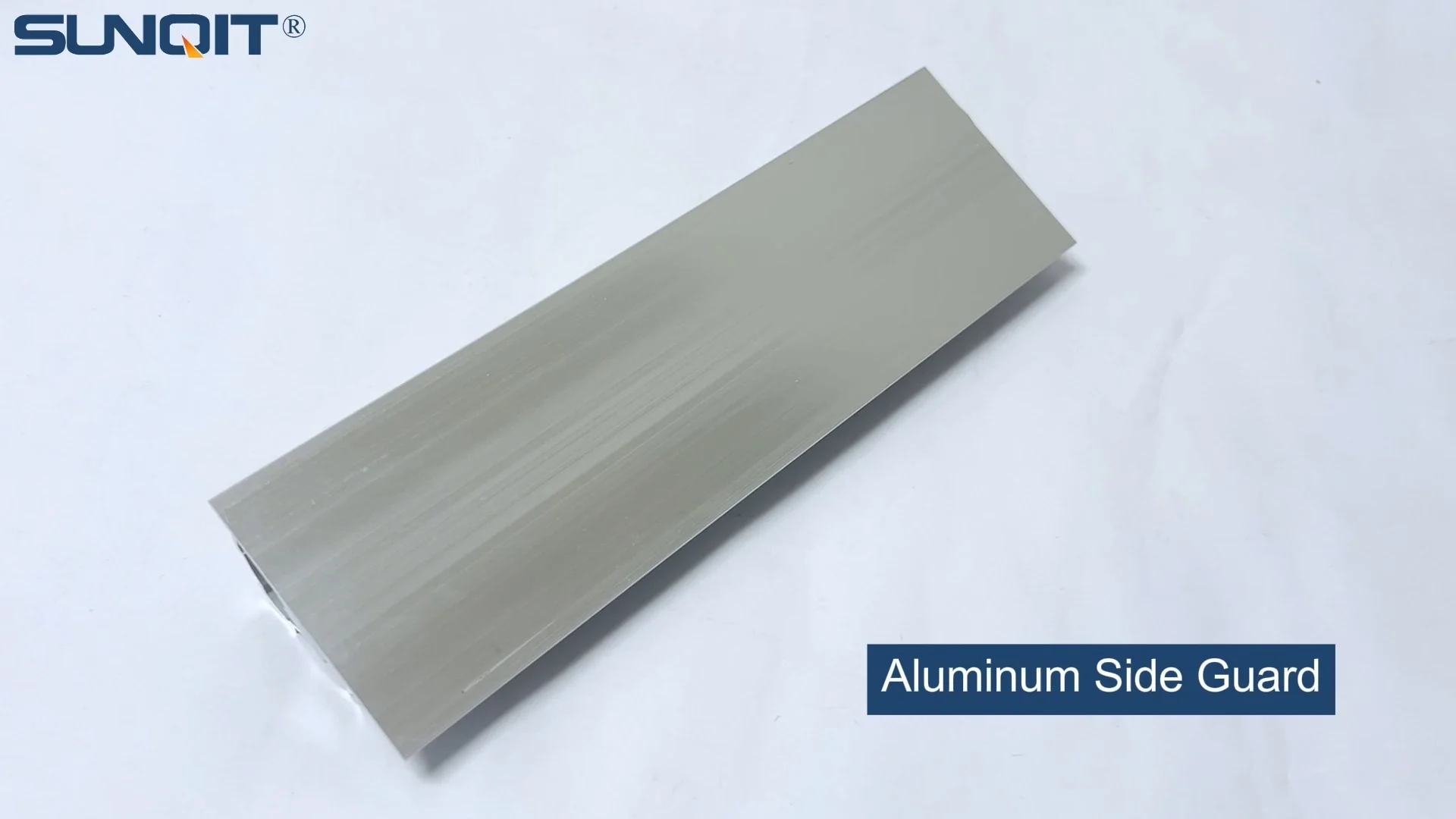
Aluminum Side Guard
Aluminum side guard, it works with a aluminum pipe or a roller track as side guard to prevent material drop,or move to wrong direction.
Introduction: The Heartbeat of Your Workspace—The Lean Workbench
Walk into any well-run manufacturing facility, warehouse, or assembly plant, and you'll notice a common thread: the workspace is designed to make every movement count. At the center of this efficiency often sits a lean pipe workbench —a modular, adaptable surface that's more than just a table. It's the command center where ideas turn into products, where teams collaborate, and where the rhythm of production finds its pace. But here's a question that might not cross your mind until a tool slips off the edge or a small part goes missing: Does your lean workbench need an aluminum side guard?
Aluminum side guards are simple in concept—they're barriers, usually made from lightweight yet durable aluminum profile , that line the edges of your workbench. But their impact? That's anything but simple. They can prevent lost parts, reduce workplace accidents, and even streamline workflow by keeping tools and materials exactly where they belong. Yet, not every workbench needs one. The decision hinges on how you use your space, the materials you handle, and the unique challenges of your daily operations. Let's dive into what you need to know to make the right call.
First Things First: What Exactly Is an Aluminum Side Guard?
Before we weigh the pros and cons, let's clarify what an aluminum side guard is (and isn't). Unlike clunky steel rails or flimsy plastic edges, aluminum side guards are typically made from extruded aluminum profile —the same material that makes many modern lean workbenches so versatile. They're often low-profile, ranging from 2 to 6 inches in height, and they attach to the bench's edges using simple aluminum pipe accessories like brackets, clips, or T-slot connectors. Some are fixed, while others are adjustable, allowing you to raise, lower, or even remove them if your needs change.
Think of them as the "guardrails" of your workbench. They don't restrict movement or take up valuable surface space, but they create a subtle boundary that says, "This is where your tools stay." And because aluminum is both lightweight and strong, they add protection without making the bench cumbersome to move or reconfigure—key traits for any lean environment where flexibility is king.
Real-World Example: Maria, a production supervisor at a small electronics manufacturer, recently added aluminum side guards to her team's lean workbenches. "We were losing tiny resistors and capacitors off the edges daily," she explains. "Not only did we waste time hunting for parts, but once, a resistor fell into a machine and caused a jam. The side guards solved both problems—now parts stay put, and the bench still feels open and easy to work at."

The Case for Aluminum Side Guards: 5 Key Benefits
So, why would you invest in aluminum side guards? Let's break down their most impactful advantages, from safety to savings.
1. Safety First: Preventing Slips, Falls, and Mishaps
Workbenches are busy places. Tools get set down in a hurry, parts are passed between coworkers, and fatigue can lead to accidental knocks. Without a barrier, a moment's distraction can send a wrench, a box of screws, or even a hot component tumbling to the floor. That's not just a hassle—it's a safety risk. A falling object could trip someone, damage equipment, or even cause burns if it's hot. Aluminum side guards act as a first line of defense, catching items before they fall and reducing the chance of workplace injuries.
This is especially critical in environments where workers stand for long hours or move quickly around the bench. For example, in automotive assembly, where tools like torque wrenches or socket sets are constantly in use, a side guard can mean the difference between a near-miss and a costly accident.
2. Organization: Keeping Your Workspace "Lean"
Lean manufacturing is all about eliminating waste—including the waste of time spent searching for misplaced items. Aluminum side guards help define your workbench's "zones," creating a visual boundary between tools, materials, and finished products. When everything has a designated place (and a guardrail to keep it there), workers spend less time hunting for what they need and more time adding value to the production process.
Plus, side guards can double as mounting points for accessories like tool hooks, label holders, or small bins—all thanks to the T-slots in the aluminum profile. This means you can customize your bench even further without cluttering the surface. It's lean thinking in action: using one feature (the guard) to solve multiple problems (safety, organization, and storage).
3. Durability: Built to Last in Tough Environments
Aluminum isn't just lightweight—it's tough. Unlike plastic guards, which can crack or warp under heavy use, or steel, which rusts if not properly coated, aluminum profile resists corrosion, dents, and wear. It holds up to daily bumps from tools, frequent cleaning with industrial solvents, and even the occasional spill. For workbenches in humid environments (like food processing plants) or those exposed to oils and chemicals (like machine shops), aluminum side guards are a low-maintenance choice that won't need replacing every few months.
And because they're made from the same aluminum profile as many lean pipe workbenches, they blend seamlessly with your existing setup. No mismatched materials, no awkward gaps—just a cohesive, professional look that reflects the care you put into your workspace.
4. Adaptability: Customizable to Your Needs
One of the best things about aluminum profile is its modularity, and aluminum side guards are no exception. Using simple aluminum pipe accessories like corner brackets, extension pieces, or adjustable clips, you can tailor the guards to fit your bench's exact dimensions. Need a guard on only three sides? No problem. Want to leave a gap for a conveyor belt? Just trim the guard to size. Even better, if your workbench configuration changes—say, you add a shelf or reposition the bench—you can easily remove or reattach the guards without drilling new holes or damaging the bench.
This adaptability is a game-changer for lean environments, where workflows evolve over time. You won't be stuck with a one-size-fits-all solution; instead, your side guards can grow and change right alongside your business.
5. Cost Savings: Less Waste, More Productivity
At first glance, adding aluminum side guards might seem like an extra expense. But consider the cost of lost parts, damaged tools, or workplace accidents. A single lost component in a high-precision assembly line could delay production for hours. A tool falling and breaking could cost hundreds of dollars to replace. And an injury? That's not just a financial hit—it's a blow to team morale and productivity.
Aluminum side guards are an investment in prevention. By keeping items on the bench, they reduce waste and downtime. Over time, those savings add up—often far outweighing the initial cost of the guards themselves. As Maria from the electronics plant puts it: "The guards paid for themselves in the first month, just from the parts we stopped losing."

When Might You Not Need Aluminum Side Guards?
Aluminum side guards aren't a one-size-fits-all solution. There are scenarios where they might be unnecessary—or even counterproductive. Let's explore when you can skip them.
1. Your Workbench Handles Large, Stable Items
If your workbench is used primarily for heavy, bulky items—think engine blocks, large appliances, or wooden crates—side guards might not add much value. These items are unlikely to slide off accidentally, and a guard could get in the way when loading or unloading. For example, a furniture manufacturer assembling sofas probably doesn't need side guards; the sofas are too big to move on their own, and the extra barrier would just slow down workers.
2. Space Is Extremely Limited
In cramped workspaces where every inch counts, a low-profile side guard might still work—but a tall or bulky one could make the bench feel claustrophobic. If workers need to lean over the bench frequently or reach across from both sides, a guard might restrict movement. In these cases, consider alternative solutions, like non-slip mats or raised edges built into the bench itself, which offer minimal intrusion.
3. Your Workflow Relies on Quick, Unrestricted Access
Some workbenches are designed for rapid turnover—think packaging stations where items are constantly loaded and unloaded. If adding a side guard would slow down this process (e.g., requiring workers to lift items over the guard), it might do more harm than good. For example, a warehouse packing bench where boxes are slid on and off quickly might be better off without guards, as the time saved in speed outweighs the risk of occasional slips.
4. You Already Use Non-Slip Solutions
If your workbench surface is already non-slip (e.g., rubberized or textured), and you handle mostly stable items, side guards might be redundant. For instance, a workshop bench used for woodworking, where tools are heavy and the surface is grippy, might not need guards. The key here is to assess your actual risk of items falling—if it's low, save your money for other lean improvements.
Key Considerations: How to Decide If Aluminum Side Guards Are Right for You
Still on the fence? Ask yourself these five questions to guide your decision:
1. What Do You Work With? The Nature of Your Materials
Start by inventorying the items on your workbench. Are they small and lightweight (like screws, washers, or electronic components)? Do they roll easily (like bearings or small pipes)? Are they fragile (like glass parts or circuit boards)? If yes to any of these, side guards are a strong candidate. On the flip side, if you work with heavy, non-slip items (like cast iron parts or large toolboxes), guards might be unnecessary.
2. How Busy Is Your Workspace? Traffic and Distractions
A quiet, low-traffic workbench is less likely to have accidental knocks than a busy one where workers, carts, and equipment are constantly moving. If your bench is in a high-traffic area (e.g., near a doorway, conveyor belt, or walkway), the risk of items being bumped off increases. Side guards add a buffer against these distractions, making them a smart choice for bustling environments.
3. What Are Your Safety Standards?
Many industries have strict safety regulations regarding workplace hazards, including falling objects. For example, OSHA (Occupational Safety and Health Administration) requires employers to "keep floors in work areas clean and dry" and "maintain aisles and passageways free of obstructions." While side guards aren't explicitly mandated, they can help you meet these standards by preventing items from falling and creating tripping hazards. Check your industry's guidelines—compliance alone might make guards a necessity.
4. How Often Does Your Workbench Configuration Change?
If you frequently reconfigure your lean pipe workbench (e.g., adding shelves, moving it to a new location, or adjusting its height), you need side guards that can keep up. Aluminum profile guards, with their modular aluminum pipe accessories , are ideal here, as they're easy to detach and reattach. If your bench setup is permanent, you might have more options (e.g., fixed steel guards), but aluminum still offers the best blend of durability and flexibility.
5. What's Your Budget for Long-Term Savings?
Finally, consider the long-term cost of not adding guards. Calculate how much you spend annually on lost parts, damaged tools, or downtime due to accidents. Compare that to the cost of aluminum side guards (typically $50–$150 per bench, depending on size and accessories). If the savings from reduced waste and accidents exceed the upfront cost, guards are a no-brainer.
Aluminum vs. Other Materials: How Does It Stack Up?
Aluminum isn't the only material option for side guards. Let's compare it to steel, plastic, and wood to see why it often comes out on top for lean workbenches.
| Material | Weight | Durability | Customization | Cost | Best For |
|---|---|---|---|---|---|
| Aluminum Profile | Lightweight (easy to move/install) | High (resists corrosion, dents) | Excellent (modular with accessories) | Moderate (higher upfront, low maintenance) | Lean workbenches, modular setups, humid environments |
| Steel | Heavy (hard to reconfigure) | Very high (but prone to rust without coating) | Limited (requires welding or drilling) | Low upfront, high long-term (due to maintenance) | Permanent workbenches, heavy-industry settings |
| Plastic | Lightweight | Low (cracks, warps in heat/cold) | Basic (pre-cut sizes only) | Low upfront, high replacement cost | Temporary setups, light-duty use |
| Wood | Medium | Low (prone to splintering, water damage) | Customizable but labor-intensive | Low upfront, high maintenance | DIY benches, non-industrial settings |
As the table shows, aluminum profile strikes the best balance for most lean environments. It's lightweight enough for easy reconfiguration, durable enough to withstand daily use, and customizable enough to adapt to your needs—all without the high maintenance costs of steel or the short lifespan of plastic.
Installation Tips: Getting the Most Out of Your Aluminum Side Guards
Ready to add aluminum side guards to your lean pipe workbench? Here's how to ensure a smooth, effective installation:
1. Measure Twice, Cut Once
Start by measuring your workbench's length and width to determine how much aluminum profile you need. Don't forget to account for corners—you'll need either corner brackets or mitered cuts for a seamless fit. Most aluminum profile comes in standard lengths (e.g., 4 feet, 6 feet), so you may need to cut it to size using a hacksaw or miter saw with a metal-cutting blade.
2. Choose the Right Accessories
Use aluminum pipe accessories designed for your specific profile type (e.g., T-slot connectors for T-slot aluminum). For attaching guards to the bench, consider clamp-on brackets (no drilling required) or screws if you prefer a permanent fix. If you want adjustability, opt for sliding clips that let you move the guard up or down slightly.
3. Test for Stability
Once installed, give the guards a gentle shake to ensure they're secure. They should withstand a light bump without shifting. If they wobble, tighten the accessories or add additional brackets for support.
4. Train Your Team
Even the best side guards won't work if your team doesn't use them properly. Take a few minutes to show workers how the guards attach, how to adjust them, and why they're important. Encourage feedback—if the guards are causing workflow issues, tweak the setup until it works for everyone.
Conclusion: Protect What Matters—Your Work, Your Team, Your Efficiency
At the end of the day, the decision to add aluminum side guards to your lean pipe workbench comes down to one question: Do they solve a real problem in your workspace? If you're losing parts, worrying about safety, or struggling to keep your bench organized, the answer is likely yes. Aluminum side guards offer a simple, cost-effective way to protect your tools, your team, and your bottom line—all while keeping your workspace lean and flexible.
Remember, lean manufacturing isn't just about cutting costs; it's about creating a workspace that works with your team, not against them. Aluminum side guards are a small change that can make a big difference—turning a good workbench into a great one. So take a look at your bench, talk to your team, and decide: isn't it time to give your workspace the protection it deserves?