- Company Articles
- Products and Technology
- Product knowledge
- Domestic vs. Imported 60 Steel Roller Track Small Wheels: Pros & Cons

Domestic vs. Imported 60 Steel Roller Track Small Wheels: Pros & Cons
Related Product
60 Steel Roller Track Small Wheel
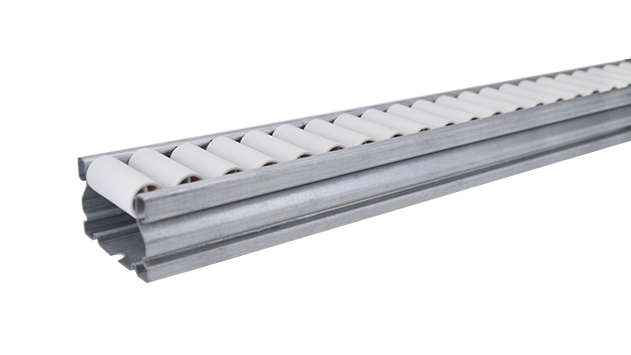
Modular system roller tracks aluminum gravity roller tracks are an excellent solution for transporting materials within industrial environments, warehouses and distribution centres.
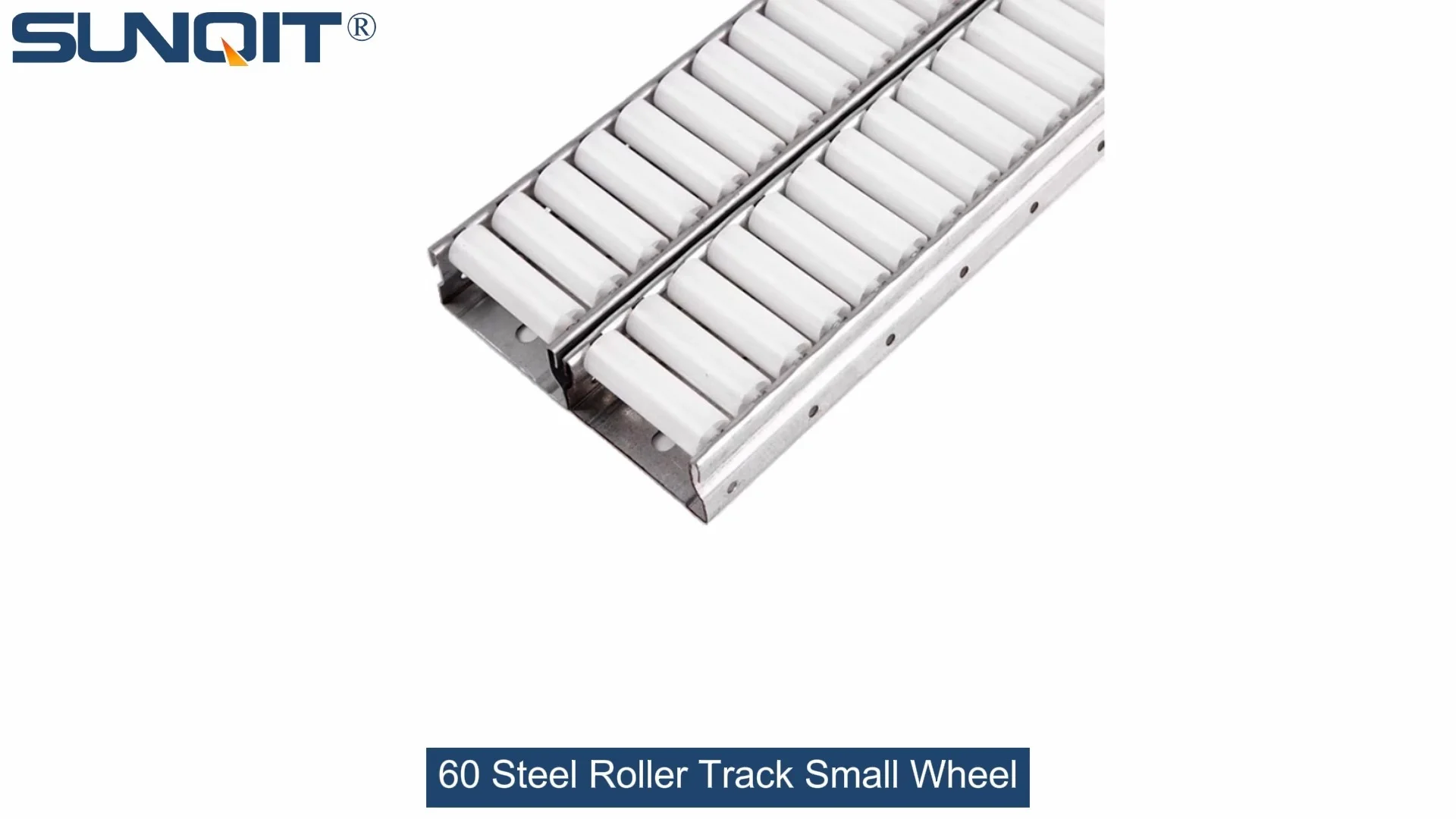
In the hustle and bustle of a modern factory, it's easy to overlook the small components that keep your operations running. But if you've ever had a roller wheel jam mid-shift or wear out faster than expected, you know just how much these tiny parts impact your productivity. For businesses relying on lean pipe systems, flow racks, and conveyors—core elements of efficient manufacturing—choosing between domestic and imported 60 steel roller track small wheels is a decision that can shape your bottom line and operational uptime.
Before diving into the pros and cons, let's clarify what these wheels do. 60 steel roller track small wheels are integral to roller tracks, which are used in flow racks to enable smooth material sliding and in conveyors to move products along assembly lines. They align with the lean manufacturing principles of reducing waste and optimizing flow—making them a key part of any effective lean solution.
Quick Comparison: Domestic vs. Imported Wheels
| Criteria | Domestic 60 Steel Roller Track Small Wheels | Imported 60 Steel Roller Track Small Wheels |
|---|---|---|
| Cost Per Unit | Lower (15-30% cheaper than imported) | Higher (premium pricing due to shipping, taxes, brand) |
| Lead Time | 1-7 days (local delivery) | 2-8 weeks (international shipping + customs) |
| After-Sales Support | Local, responsive (same time zone, no language barrier) | Overseas, delayed (potential language issues) |
| Customization Flexibility | High (adjust specs for flow racks/conveyors) | Limited (standardized options mostly) |
| Quality Consistency | Varies (some suppliers offer high quality; others cut corners) | Consistently high (strict international QC standards) |
| Compatibility with Local Lean Systems | Excellent (designed for domestic lean pipe/workbenches) | Mixed (may need adapters for local components) |
Domestic 60 Steel Roller Track Small Wheels: Pros & Cons
Pros of Domestic Wheels
- Cost Efficiency: Domestic wheels are a go-to choice for businesses looking to save on bulk purchases—like lean pipe wholesale or flow rack wholesale. Without the added costs of international shipping and import duties, you can get more wheels for your budget, which is a big win for small to medium-sized manufacturers.
- Speedy Delivery: When your conveyor breaks down or your flow rack needs urgent upgrades, waiting weeks for parts isn't an option. Domestic suppliers can deliver wheels in days, ensuring minimal downtime for your lean production line. This is especially critical for industries like 3C assembly where quick turnaround is key.
- Local Support: If you run into issues with installation or performance, domestic suppliers offer on-demand support in your time zone. No more late-night calls to overseas teams or struggling with language barriers—you can get help right when you need it, keeping your operations on track.
- Customization: Domestic manufacturers are often more flexible with customizations. Whether you need wheels with a specific coating for ESD workstations or adjusted dimensions for your unique conveyor setup, they can tailor products to fit your exact needs—perfect for building custom lean solutions.
Cons of Domestic Wheels
- Quality Inconsistencies: Not all domestic suppliers maintain the same quality standards. Some may use thinner steel or skip surface treatments to cut costs, leading to wheels that wear out quickly or jam frequently. This can end up costing more in the long run if you have to replace them often.
- Limited High-End Options: For applications requiring extreme durability—like heavy-duty conveyors in automotive manufacturing—domestic wheels may lack the advanced materials (such as high-grade stainless steel) or engineering found in imported alternatives. This can be a problem if your production line handles heavy loads daily.
- Brand Recognition: If your clients prioritize well-known international brands, using domestic wheels might not align with their expectations. This can be a hurdle for businesses supplying to industries like medical equipment where brand credibility plays a role.
Imported 60 Steel Roller Track Small Wheels: Pros & Cons
Pros of Imported Wheels
- Premium Quality: Imported wheels are often made with higher-grade steel and undergo rigorous quality control. They're designed to withstand heavy use and harsh conditions, making them ideal for long-term investments in lean systems. For example, wheels from European or Japanese manufacturers are known for their durability and reliability.
- Advanced Features: Many imported wheels come with specialized features that aren't easily available domestically. This includes ESD-compliant coatings for ESD workstations, corrosion-resistant finishes for wet environments, or low-friction designs that reduce energy consumption in conveyors.
- Global Brand Credibility: Using imported wheels from reputable brands can enhance your product's reputation. This is particularly important for industries like medical devices where compliance with international standards is mandatory—imported wheels often meet strict regulations that domestic options may not.
- Long Lifespan: While imported wheels cost more upfront, their superior build quality means they last longer. This reduces the frequency of replacements, saving you money over time. For businesses with high-volume operations, this long-term value is worth the initial investment.
Cons of Imported Wheels
- High Cost: Imported wheels can be 2-3 times more expensive than domestic ones. For businesses on tight budgets, this can be a deal-breaker—especially when buying in bulk for lean pipe workbenches or conveyors. The added costs of shipping and customs only make this worse.
- Long Lead Times: International shipping takes time, and customs delays can extend it further. If you need to replace a broken wheel quickly, waiting 4-6 weeks for imported parts can disrupt your entire lean production schedule. This is a major downside for industries that rely on just-in-time inventory.
- After-Sales Challenges: Getting support for imported wheels often involves dealing with overseas teams. Language barriers can lead to miscommunication, and returns or replacements are costly and time-consuming. For example, if a wheel fails, you may have to ship it back to the manufacturer, which adds weeks to the resolution process.
- Compatibility Issues: Imported wheels may not fit seamlessly with domestic lean pipe systems or flow rack components. You might need to buy additional adapters or modify your existing setup, which adds to the overall cost and effort.

Real-World Scenarios: Choosing the Right Wheels
Scenario 1: 3C Assembly Line Upgrade
A mid-sized 3C manufacturer wanted to upgrade their flow racks to handle a 20% increase in production volume. They chose domestic 60 steel roller track small wheels for two main reasons: cost and speed. The supplier delivered the wheels in 3 days, and their local team helped install them correctly. The result? The flow racks now handle more products without jams, and the manufacturer saved 25% compared to imported options. This allowed them to reinvest the savings into other lean system upgrades.
Scenario 2: Medical Device Manufacturing Compliance
A medical device company needed wheels for their conveyors that meet ISO 13485 standards (a requirement for medical equipment). They opted for imported wheels from a German manufacturer known for its ESD-compliant products. Even though the lead time was 6 weeks, the wheels passed all regulatory checks and provided consistent performance. This ensured the company's production line stayed compliant, which was critical for their market reputation.
Scenario3: Warehouse Logistics Bulk Storage
A logistics firm needed to replace wheels on 50 flow racks used for bulk storage. They chose domestic wheels because of the wholesale savings. The supplier customized the wheels to handle 500kg loads each, which was more than the standard capacity. The local support team also provided maintenance tips, like regular lubrication, which extended the wheels' lifespan by 30%. This was a cost-effective solution that met their needs perfectly.
How to Choose the Right Wheels for Your Lean Solution
Choosing between domestic and imported wheels isn't about picking the "best" option—it's about picking the right one for your business. Here are some key factors to consider:
- Budget: If you're working with a tight budget, domestic wheels are the way to go. For businesses that can afford long-term investments, imported wheels offer better value over time.
- Production Uptime Needs: If minimal downtime is critical (like in 3C assembly), domestic wheels' quick delivery and local support are unbeatable. For industries with flexible schedules, imported wheels may be a viable option.
- Industry Standards: Check if your industry has specific requirements (like ESD for electronics or ISO for medical). If yes, make sure the wheels meet those standards—whether domestic or imported.
- Customization Requirements: If you need wheels tailored to your conveyor or flow rack setup, domestic suppliers are more likely to accommodate your needs.
- Long-Term vs. Short-Term Goals: For short-term projects, domestic wheels are cost-effective. For long-term lean system investments, imported wheels' durability makes them a better choice.
Conclusion
60 steel roller track small wheels may seem like small components, but they play a big role in keeping your lean pipe systems, flow racks, and conveyors running smoothly. Whether you choose domestic wheels for their cost and speed or imported wheels for their quality and compliance, the decision should align with your business's unique needs.
For businesses looking to balance cost and quality, working with a supplier that offers both domestic and imported options can be a great solution. They can help you navigate the pros and cons, and even provide custom lean solutions tailored to your industry—like 3C assembly or medical equipment manufacturing. At the end of the day, the right wheels will help you optimize your production flow, reduce waste, and achieve your lean manufacturing goals.