- Company Articles
- Products and Technology
- Product knowledge
- Duplex Aluminum Pipe Joint: A Guide for Warehouse Managers

Duplex Aluminum Pipe Joint: A Guide for Warehouse Managers
Related Product
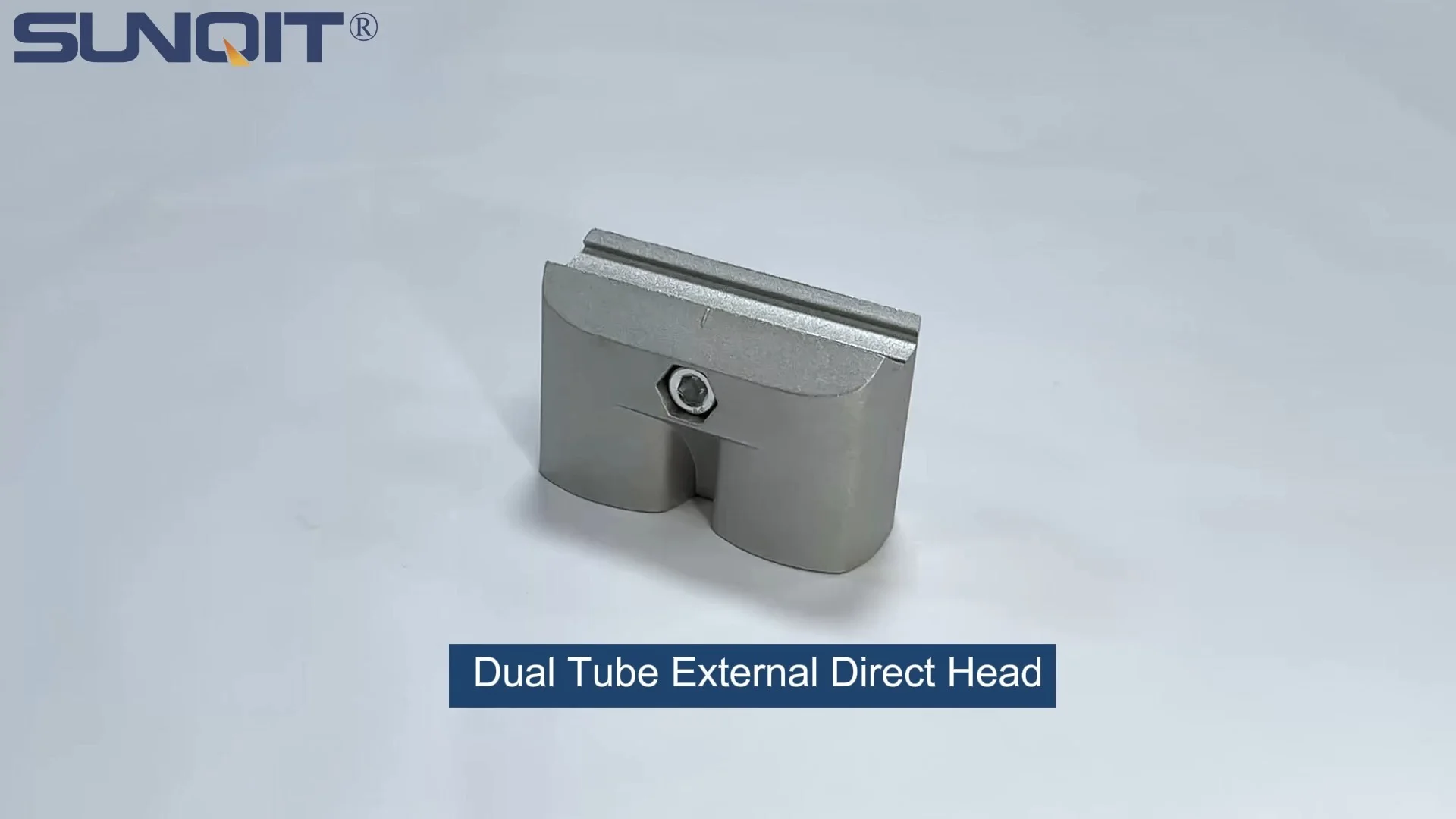
Duplex Aluminum Pipe Joint
Duplex Aluminum pipe joint used for one pcs 28pcs aluminum pipe and one pcs of 28mm duplex pipe connection in straight angle.
Introduction: The Unsung Hero of Warehouse Efficiency
If you're a warehouse manager, you know the drill. Your days are filled with balancing inventory levels, optimizing workflows, and ensuring your team can move goods quickly without sacrificing safety. You've probably stared at a jumble of fixed steel racks or wobbly plastic workbenches and thought, "There has to be a better way to set this up." The truth is, the tools and equipment that hold your warehouse together—literally—can make or break your efficiency. That's where duplex aluminum pipe joints come in. These unassuming connectors might not grab headlines, but they're quietly revolutionizing how warehouses adapt, grow, and thrive in a world where flexibility isn't just a nice-to-have; it's a necessity.
In this guide, we're going to dive deep into what duplex aluminum pipe joints are, why they matter for your day-to-day operations, and how they can transform everything from your workbenches to your turnover trolleys. Whether you're running a small distribution center or a large manufacturing facility, understanding these joints could be the key to cutting down setup time, reducing costs, and building a warehouse that can keep up with whatever your business throws at it.
What Are Duplex Aluminum Pipe Joints, Anyway?
Let's start with the basics. Duplex aluminum pipe joints are specialized connectors designed to link aluminum lean pipes—those lightweight, durable tubes you've seen in modern warehouses—into sturdy, modular structures. The "duplex" in their name hints at their dual nature: they're built to be both strong and flexible, a rare combo in the world of industrial hardware. Unlike clunky steel fittings that require welding or complex tools, these joints are engineered for simplicity. Most snap or screw into place, letting you assemble, disassemble, and reconfigure structures in minutes, not hours.
Aluminum, as a material, is already a standout. It's corrosion-resistant (goodbye, rusty racks in humid environments), lightweight (so your team won't strain their backs moving components), and surprisingly strong for its weight. When paired with a duplex joint design—often featuring internal or external locking mechanisms, reinforced corners, and compatibility with multiple pipe sizes—you get a connector that can handle the daily grind of a warehouse without breaking a sweat.
Think of them as the building blocks of a "smart" warehouse. Traditional steel joints lock you into one layout; if you need to expand a workbench or reconfigure a rack, you're looking at cutting, welding, or buying entirely new equipment. Duplex aluminum joints? They let you tweak, adjust, and repurpose your structures on the fly. Need a taller shelf for bulkier items this quarter? Swap out a few pipes and joints. Seasonal rush over? Break it down and store the components until next time. It's that simple.

Why Warehouse Managers Can't Afford to Ignore Them
You might be thinking, "We've used steel racks for years—why switch now?" Let's break down the benefits that make duplex aluminum pipe joints a game-changer for warehouse operations:
Durability That Keeps Up with Your Warehouse
Warehouses are tough environments. Forklifts zip by, pallets get dropped, and temperature fluctuations are par for the course. Duplex aluminum joints are built to withstand all that. Aluminum's natural resistance to corrosion means they won't rust, even in damp storage areas or facilities near the coast. And unlike plastic joints, which can crack under heavy loads or degrade in extreme temperatures, these aluminum connectors hold their shape and strength over time. We're talking multi-year lifespans, even with daily use—saving you from the constant cycle of replacing worn-out parts.
Flexibility to Adapt (Without the Headache)
Here's a scenario: Your company lands a big client, and suddenly you need to double your packing station space. With traditional fixed structures, you'd be looking at hiring a welder, buying new materials, and shutting down part of the warehouse for a day (or more). With duplex aluminum pipe joints? You grab a few extra aluminum lean pipes, snap the joints into place, and have a new workbench ready before lunch. No special tools, no downtime, no stress. That's the power of modular design—your warehouse can grow and change as fast as your business does.
Cost Savings That Add Up
Let's talk numbers. Steel is cheap upfront, but it's heavy, which drives up shipping costs. It also requires specialized labor to install (hello, welders) and needs regular maintenance to prevent rust. Plastic is lightweight but flimsy—you'll replace those joints every few months. Duplex aluminum joints hit the sweet spot: affordable upfront, lightweight (so shipping is a breeze), and low-maintenance. Plus, since they're reusable, you won't have to buy new connectors every time you rearrange. Over a year, those savings can add up to thousands of dollars—money better spent on upgrading your team's tools or investing in new technology.
Safety First (Because Accidents Cost More Than Money)
A wobbly rack or a workbench that shifts under load isn't just inefficient—it's dangerous. Duplex aluminum joints are designed with stability in mind. Their snug fit with aluminum lean pipes reduces (shaking), and many models feature anti-slip or locking mechanisms to prevent accidental disassembly. Aluminum's smooth surface also means fewer sharp edges, cutting down on the risk of scrapes or snags when your team is moving goods. When OSHA comes knocking, you'll sleep better knowing your structures are built to last and protect.

Real-World Applications: Where Duplex Joints Shine in Your Warehouse
Okay, so duplex aluminum pipe joints sound great in theory—but how do they actually work in a real warehouse? Let's look at three key areas where they make the biggest difference:
1. Workbenches: Your Team's Home Base, Reimagined
Your workbenches are where the magic happens—packing orders, assembling products, sorting inventory. But if they're fixed in size or height, you're forcing your team to adapt to the bench, not the other way around. With duplex aluminum joints, you can build a workbench that fits your team, not the other way around. Need a taller bench for a team member who's 6'5"? Swap out a few pipes. Want to add a shelf for tools or a bin for waste? Just snap on a few extra joints. And if you need to move the bench to a new location? Disassemble it in 10 minutes, cart the parts over, and rebuild. No more bulky, immovable furniture holding your workflow hostage.
2. Turnover Trolley and Rack: Mobility Meets Modularity
Turnover trolleys are the workhorses of warehouse logistics—hauling goods from storage to shipping, from production to packaging. But traditional steel trolleys are heavy and hard to maneuver, and plastic ones can't handle heavy loads. Enter duplex aluminum joints. When paired with aluminum lean pipes and sturdy casters, they let you build trolleys that are lightweight enough for one person to push, but strong enough to carry hundreds of pounds. Need a trolley with shelves for small parts? Add a few horizontal pipes. Hauling large, flat items? Remove the shelves and create a flatbed. And when the trolley gets banged up? replace a joint or two instead of buying a whole new trolley. It's the definition of "work smarter, not harder."
3. Flow Racks: Keeping Goods Moving Smoothly
Flow racks are critical for first-in, first-out (FIFO) inventory systems—think of them as the conveyor belts of the static world. But if your flow rack is built with rigid steel joints, adjusting the angle of the rollers or adding more lanes is a nightmare. Duplex aluminum joints change that. They let you tweak the slope of the rack to control how fast items slide down, add or remove lanes as your inventory mix changes, and even extend the rack's length without rebuilding the entire structure. And since aluminum is lightweight, you can mount the rack higher without worrying about it sagging or collapsing—maximizing your vertical storage space.

How to Choose the Right Duplex Aluminum Pipe Joints for Your Warehouse
Not all duplex aluminum pipe joints are created equal. To get the most out of your investment, you'll need to pick the right ones for your specific needs. Here's what to keep in mind:
Load Capacity: Know Your Limits
First, figure out how much weight the joint will need to support. Are you building a small workbench for tools, or a heavy-duty rack for pallets? Check the manufacturer's specs for load capacity—most joints will list a maximum weight they can handle vertically and horizontally. It's better to overestimate here; a joint rated for 500 lbs might feel sturdy with 400 lbs, but why risk it? Safety (and peace of mind) is worth the extra few dollars for a higher-rated joint.
Pipe Compatibility: Size Matters
Duplex joints are designed to fit specific pipe sizes—usually 20mm, 30mm, or 40mm diameter aluminum lean pipes. Before buying, measure your existing pipes (or the ones you plan to use) to ensure a snug fit. A loose joint will wobble, and a too-tight one might crack the pipe. Most manufacturers will list compatible pipe sizes on the packaging, so double-check that before adding to cart.
Environmental Factors: Think About Your Space
Where will the joint be used? If it's in a cold storage unit, look for joints with reinforced plastic or rubber gaskets to prevent freezing and cracking. In a humid area, ensure the aluminum is anodized (a treatment that adds an extra layer of corrosion resistance). And if the joint will be exposed to oils or chemicals (common in manufacturing), check that it's resistant to those substances. The right joint for a dry, temperature-controlled warehouse might not be the best fit for a damp, dusty one.
Accessories: The Little Things That Make a Big Difference
Don't overlook aluminum pipe accessories. End caps can prevent dust and debris from clogging the pipes, while clamps can add extra stability to joints under heavy loads. Casters turn static structures into mobile ones, and brake mechanisms keep trolleys from rolling away. When shopping for joints, think about what accessories you'll need to complete your setup—buying them together can save you time and ensure compatibility.
Duplex vs. the Rest: How They Stack Up Against Other Joints
Still on the fence? Let's put duplex aluminum pipe joints head-to-head with the other options out there. The table below breaks down how they compare to traditional steel joints, plastic joints, and even single-design aluminum joints in key categories.
| Feature | Duplex Aluminum Pipe Joints | Traditional Steel Joints | Plastic Joints | Single-Design Aluminum Joints |
|---|---|---|---|---|
| Weight (per joint) | Light (3-5 oz) | Heavy (8-12 oz) | Very light (1-2 oz) | Light (3-4 oz) |
| Corrosion Resistance | High (anodized aluminum) | Low (prone to rust) | Medium (varies by plastic type) | High (same as duplex) |
| Assembly Time (per joint) | 2-3 minutes (no tools) | 10-15 minutes (requires welding) | 1-2 minutes (snaps together) | 3-5 minutes (may require tools) |
| Reusability | High (can be disassembled/reused 50+ times) | Low (welded joints are permanent) | Medium (prone to wear after 5-10 uses) | Medium (some designs are one-time use) |
| Max Load Capacity (vertical) | 500-800 lbs | 1000+ lbs (but heavy and rigid) | 100-300 lbs | 400-600 lbs |
| Cost (per joint) | $5-$10 | $3-$8 (but adds labor/welding costs) | $2-$5 (but frequent replacement) | $4-$9 |
As you can see, duplex aluminum joints strike the best balance across the board. They're not the cheapest upfront, but their durability, reusability, and ease of use make them the most cost-effective choice in the long run—especially for warehouses that need to adapt quickly.
Installation Tips: Getting the Most Out of Your Duplex Joints
Installing duplex aluminum pipe joints is straightforward, but a few pro tips can ensure your structures are as sturdy and long-lasting as possible:
1. Prep the Pipes First
Before assembling, clean the ends of your aluminum lean pipes with a dry cloth to remove dust, oil, or debris. This ensures a tight, secure fit with the joint. If the pipes are new, check for burrs (sharp edges) and sand them down—they can damage the joint's internal mechanisms or cut your hands during assembly.
2. Don't Over-Tighten
Most duplex joints use a screw or cam mechanism to lock onto the pipe. Tighten until you feel resistance, then stop. Over-tightening can strip the threads or crack the joint—you want a snug fit, not a vice-like grip. A good rule of thumb: If you need a wrench to tighten it, you're probably going too far.
3. Test the Structure Before Use
Once assembled, give the structure a gentle shake to check for wobbling. If a joint feels loose, disassemble and reattach it—double-checking that the pipe is fully inserted into the joint. For load-bearing structures like racks or trolleys, do a "test run" with a weight slightly heavier than what you plan to use. If the joints hold, you're good to go; if not, reinforce with extra joints or switch to a higher-capacity model.
4. Label and Store Spare Parts
Keep a box of spare duplex joints, pipes, and accessories on hand—you never know when you'll need to make a quick repair or adjustment. Label the parts by size and type (e.g., "30mm duplex joint, anodized") to save time when you're in a hurry. A little organization now can prevent big headaches later.
Maintenance: Keeping Your Joints in Top Shape
Duplex aluminum pipe joints are low-maintenance, but a little care goes a long way:
1. Inspect Regularly
Once a month, walk through your warehouse and check joints for signs of wear: cracks, bent parts, or looseness. Pay extra attention to joints in high-traffic areas (like trolley wheels) or under heavy loads (like rack corners). Tighten any loose joints and replace damaged ones immediately—small issues can turn into big problems fast.
2. Clean as Needed
Wipe joints down with a damp cloth to remove dust and grime. For stubborn dirt, use a mild detergent (avoid harsh chemicals like bleach, which can damage the aluminum). In humid areas, a quick spray of silicone lubricant on the joint's moving parts can prevent sticking and corrosion.
3. Store Properly When Not in Use
If you disassemble a structure for storage, keep the joints and pipes in a dry, cool area. Avoid stacking heavy objects on top of them, as this can warp the pipes or crack the joints. Using plastic bins with dividers can keep parts organized and prevent scratches.
Case Study: How One Warehouse Cut Setup Time by 60% with Duplex Joints
Let's put all this into context with a real example. A mid-sized electronics distributor in Texas was struggling with their packing area. They had a mix of fixed steel workbenches and plastic folding tables, and every time they added a new product line, they had to call in a contractor to build custom racks. Setup time for a single new workbench averaged 8 hours, and the steel racks were so heavy, they'd damaged the warehouse floor over time.
Last year, they switched to aluminum lean pipes and duplex joints. Their first project? Rebuilding three workbenches and two turnover trolleys. The team—none of whom had prior construction experience—assembled the first workbench in 45 minutes. By the end of the day, all three benches and both trolleys were done. Six months later, they've expanded their packing area twice, added a new flow rack system, and reduced their tool replacement costs by 40%. "We used to dread reconfiguring the warehouse," says the operations manager. "Now, we look forward to it. It's like building with Legos—except it's actually making us money."
Conclusion: Building a Warehouse That Grows With You
At the end of the day, running a warehouse is about solving problems—fast. Duplex aluminum pipe joints might not be the flashiest solution, but they're one of the most practical. They let you build structures that are strong enough to handle your load, flexible enough to adapt to change, and simple enough for your team to assemble without expert help. Whether you're upgrading your workbenches, revamping your turnover trolleys, or building a whole new storage system, these joints are the foundation of a warehouse that works for you—not against you.
So the next time you look at your warehouse layout and think, "There has to be a better way," remember: sometimes the best solutions are the ones that hold everything together. And in this case, that solution is probably a duplex aluminum pipe joint.