- Company Articles
- Products and Technology
- Application Cases
- Duplex Aluminum Pipe Joint Applications in Mechanical Manufacturing

Duplex Aluminum Pipe Joint Applications in Mechanical Manufacturing
Related Product
Duplex Aluminum Pipe Joint
Duplex Aluminum pipe joint used for one pcs 28pcs aluminum pipe and one pcs of 28mm duplex pipe connection in straight angle.
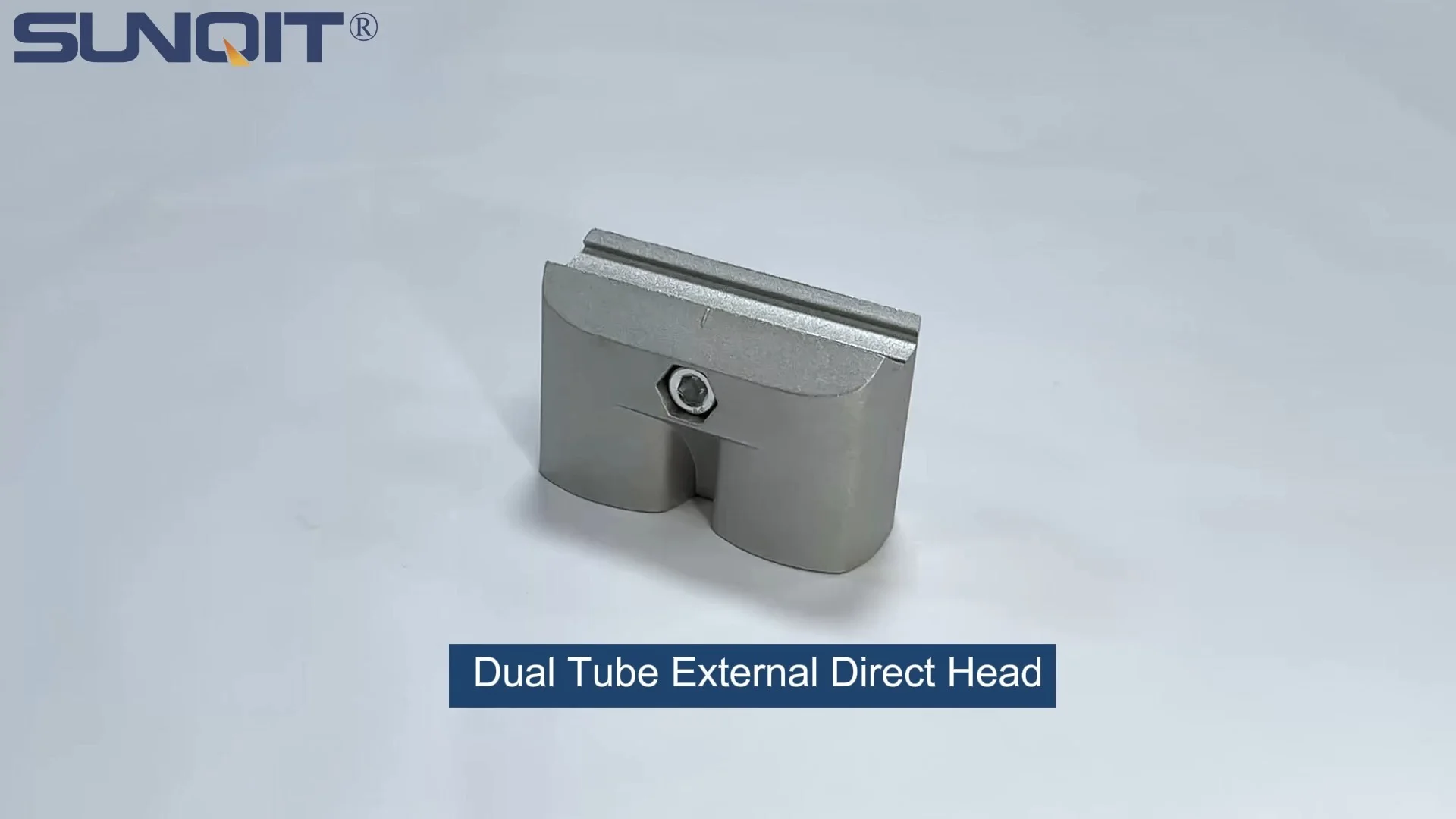
Walk into any modern mechanical manufacturing facility, and you'll quickly notice a silent but critical player in the chaos of production: connections. From the workbench where an assembler fits precision parts to the roller track moving components across the floor, how materials and structures link together can make or break efficiency. In this fast-paced world, one component has been quietly revolutionizing these connections: the duplex aluminum pipe joint. Far more than just a "fitting," this unassuming piece of hardware is redefining flexibility, durability, and adaptability in factories worldwide. Let's dive into why it matters, how it works, and where it's making the biggest impact.
The Hidden Cost of Poor Connections
Before we sing the praises of duplex aluminum pipe joints, let's talk about the problem they solve. Traditional manufacturing setups often rely on rigid, one-size-fits-all connections—think welded steel joints or glued plastic fixtures. These might work initially, but they come with hidden costs. Need to reconfigure a workbench for a new product line? You'll likely need a welder, downtime, and maybe even new materials. A roller track that's slightly misaligned because of a stiff joint? That's parts getting stuck, assembly lines slowing down, and frustrated workers. Over time, these inefficiencies add up: lost production hours, increased material waste, and a workforce stuck adapting to tools instead of the other way around.
Enter the duplex aluminum pipe joint. Designed with modularity and adaptability in mind, it's built to address these pain points head-on. But what exactly is it? At its core, a duplex aluminum pipe joint is a connector that joins aluminum pipes or profiles (like the aluminum profile you'll find in everything from machine frames to shelving) with minimal effort. Unlike fixed joints, it allows for quick adjustments, disassembly, and reassembly—no welding, no specialized tools, just a simple twist or clamp. And because it's made from aluminum, it brings the best of both worlds: lightweight enough to move easily, yet strong enough to handle the rigors of daily manufacturing.
What Makes Duplex Aluminum Pipe Joints Stand Out?
To understand why duplex aluminum pipe joints are gaining traction, let's break down their key advantages. First, there's the material: aluminum. Unlike heavy steel, aluminum keeps structures lightweight, making it easier to reposition workbenches or adjust roller tracks without heavy machinery. It's also naturally resistant to corrosion, a big plus in factories where oils, coolants, or humidity can take a toll on metal parts. And because aluminum is recyclable, it aligns with the growing push for sustainable manufacturing practices—no more tossing out rusted steel joints when a line is retired.
Then there's the "duplex" design itself. These joints aren't just for straight lines; they're engineered to connect pipes at multiple angles, support varying loads, and even rotate or pivot when needed. Picture a T-junction that can also swivel 180 degrees, or a corner joint that locks securely but releases with a simple lever. This versatility means one joint can replace multiple traditional connectors, reducing inventory costs and simplifying setup. For example, a single duplex joint might connect an aluminum profile frame to a roller track on one side and a workbench shelf on the other—no need for separate brackets or custom parts.
Perhaps the biggest win, though, is speed. Traditional joints often require skilled labor: a welder to fuse steel, a technician to glue plastic. Duplex aluminum joints? Most can be assembled by any worker with basic training. Slide the pipe into the joint, tighten a clamp or twist a locking mechanism, and you're done. This cuts setup time from hours to minutes. Imagine needing to add a new shelf to a material rack mid-shift—with a duplex joint, a worker can do it during a break, no tools required. That's the kind of agility modern manufacturing demands.

Real-World Impact: Where Duplex Joints Shine
Enough theory—let's look at how duplex aluminum pipe joints are transforming real manufacturing spaces. We'll focus on three key areas: workbenches, roller tracks, and lean systems. These are the backbone of most factories, and they're where the duplex joint's strengths truly shine.
1. Workbenches: From Static to Adaptive
A workbench is more than just a table; it's a worker's command center. Whether it's assembling circuit boards, packing finished goods, or inspecting parts, the workbench needs to fit the task. Here's where duplex aluminum pipe joints shine brightest. Traditional workbenches are often fixed: a wooden top bolted to steel legs, with no room for. But with duplex joints and aluminum profiles, workbenches become living, breathing tools.
Take a small electronics manufacturer, for example. One week, they're assembling smartphones, requiring a low, wide workbench with built-in tool holders. The next week, they switch to larger tablets, needing extra height and side shelves for components. With duplex joints, the team can adjust the legs, add or remove shelves, and reposition tool rails in under an hour. No need for new workbenches—just reconfigure the existing ones. Even better, because the joints are lightweight, workers can rearrange the setup themselves, without waiting for maintenance. It's not just about saving money on new furniture; it's about empowering teams to design their workspace around their needs, boosting morale and productivity.
And let's not forget durability. A workbench takes a beating—tools dropped, parts slid across the surface, constant use. Duplex aluminum joints hold up. Unlike plastic joints that crack under stress or steel joints that rust, aluminum stands up to daily wear, ensuring the workbench stays stable and reliable for years.
2. Roller Tracks: Smooth Flow, No Stalls
If workbenches are the "brains" of a factory, roller tracks are the "veins," carrying parts and materials where they need to go. A single jam or misalignment can disrupt the entire flow, so the connections between roller track sections are critical. This is where duplex aluminum pipe joints truly excel. Roller tracks rely on precision—each section needs to align perfectly to keep parts moving smoothly. Traditional rigid joints often fail here: even a tiny warp in a welded steel connector can create a "bump" that stops a part in its tracks. Duplex joints, with their adjustable design, eliminate this problem.
Consider a automotive parts plant where engine components glide along a 50-foot roller track from machining to assembly. With traditional joints, temperature changes or vibrations might cause sections to shift, leading to jams. But with duplex aluminum joints, each roller track section can be (fine-tuned) to ensure a seamless transition. If a section starts to misalign, a worker can loosen the joint, realign it, and retighten—all in a minute. No need to shut down the line for repairs. And because aluminum is lightweight, the entire roller track system is easier to install and reposition if the factory layout changes. It's not just about preventing jams; it's about creating a material flow system that adapts as the factory grows.
Another bonus? Compatibility. Duplex joints play well with other components, like the plastic roller track guide rails (in yellow or grey) commonly used in these systems. They connect securely to aluminum profiles, ensuring the guide rails stay in place even under heavy loads. This versatility means factories don't have to replace their existing roller track parts—just upgrade the joints connecting them.
3. Lean Systems: Waste Less, Produce More
Lean manufacturing isn't just a buzzword; it's a philosophy centered on reducing waste—whether that's time, materials, or space. Duplex aluminum pipe joints are a lean manager's dream. Their modularity supports the "just-in-time" mindset by letting factories build only what they need, when they need it. No more overbuilding rigid structures that sit unused half the year.
Imagine a food packaging facility that runs seasonal products. In summer, they're packaging small snack bags, requiring narrow material racks and low workbenches. In winter, they switch to bulk holiday gift boxes, needing wider racks and taller work surfaces. With a lean system built on duplex joints and aluminum profiles, they can disassemble the summer setup, store the parts, and reassemble the winter version in a day. No wasted space, no wasted materials, and no downtime between seasons. It's lean in action: adapting to demand without excess.
Lean systems also thrive on visual management—keeping tools and materials where they're needed, when they're needed. Duplex joints make this easy. Need a mobile cart to carry tools to the assembly line? Build it with aluminum pipes and duplex joints, add casters, and you're good to go. Need to label parts bins on a rack? Attach a small aluminum profile shelf with a duplex joint, and slide in a label holder. It's about creating a workspace that's intuitive, organized, and responsive—exactly what lean manufacturing demands.

Duplex vs. The Rest: A Quick Comparison
Still not convinced duplex aluminum pipe joints are right for your facility? Let's put them head-to-head with other common joint types. The table below breaks down how they stack up against stainless steel welded joints, plastic snap-fit joints, and traditional aluminum single joints.
| Feature | Duplex Aluminum Pipe Joint | Stainless Steel Welded Joint | Plastic Snap-Fit Joint | Traditional Aluminum Single Joint |
|---|---|---|---|---|
| Weight | Lightweight (easy to reposition) | Heavy (requires machinery to move) | Light, but prone to bending | Light, but less stable |
| Assembly Time | 5-10 minutes (no tools needed) | 1-2 hours (requires welding) | 10-15 minutes (snaps together, but fragile) | 15-20 minutes (needs bolts/wrenches) |
| Adjustability | High (easily reconfigured) | None (fixed once welded) | Low (snaps can break if adjusted) | Medium (adjustable, but slow) |
| Durability | High (resists corrosion, impact) | High (but prone to rust if not maintained) | Low (cracks under heavy loads) | Medium (weaker than duplex design) |
| Cost Over Time | Low (reusable, minimal replacement) | High (welding labor, new materials for changes) | High (frequent replacements) | Medium (some reuse, but limited adaptability) |
As the table shows, duplex aluminum pipe joints strike a rare balance: lightweight yet durable, quick to assemble yet adjustable, and cost-effective over the long haul. They're not just a "better" joint—they're a smarter investment in your factory's future.

Looking Ahead: The Future of Duplex Aluminum Pipe Joints
So, where do we go from here? As manufacturing continues to evolve—with trends like automation, small-batch production, and sustainable practices—duplex aluminum pipe joints are poised to play an even bigger role. Here are a few trends to watch:
Smart Integration: Imagine a duplex joint with built-in sensors that alert maintenance when it's loose or under stress. Early prototypes are already in the works, turning passive joints into active monitoring tools. This could prevent breakdowns before they happen, keeping lines running smoother.
Sustainability Focus: As factories aim for net-zero goals, aluminum's recyclability becomes even more valuable. Duplex joints, made from recycled aluminum, fit perfectly into circular economy models—when a setup is retired, the joints and pipes can be melted down and reused, cutting waste.
Customization for Niche Industries: From aerospace to medical device manufacturing, industries with unique needs are demanding specialized duplex joints. Think high-temperature resistant versions for foundries or ultra-precise joints for microchip assembly. Suppliers are responding, expanding the range of applications.
Final Thoughts: It's All About Adaptability
At the end of the day, manufacturing isn't just about making things—it's about making things better . Better for workers, better for the bottom line, and better for the future. Duplex aluminum pipe joints might not be the flashiest technology in the factory, but they're a quiet reminder that sometimes the biggest innovations are the ones that make the complex simple. By turning rigid structures into flexible systems, they're giving factories the power to adapt, grow, and thrive in an ever-changing world.
So, the next time you walk through a factory, take a closer look at those connections. Chances are, the ones keeping everything moving smoothly, adjusting to new demands, and standing the test of time? They're duplex aluminum pipe joints. And they're just getting started.