- Company Articles
- Products and Technology
- Product knowledge
- Duplex Aluminum Pipe Joint: Enhancing Productivity in Assembly Lines

Duplex Aluminum Pipe Joint: Enhancing Productivity in Assembly Lines
Related Product
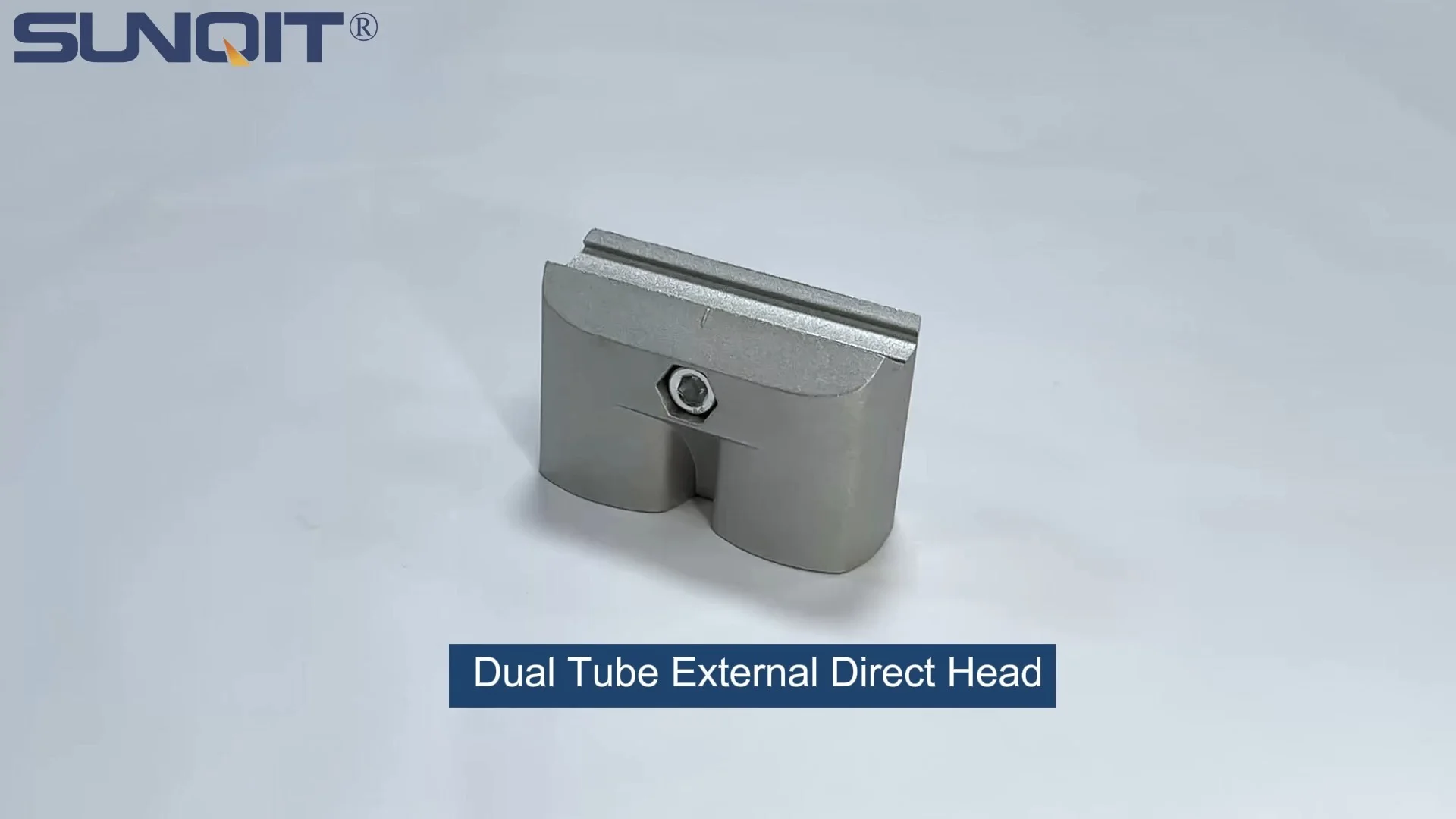
Duplex Aluminum Pipe Joint
Duplex Aluminum pipe joint used for one pcs 28pcs aluminum pipe and one pcs of 28mm duplex pipe connection in straight angle.
In the fast-paced world of manufacturing, assembly lines are the lifeblood of productivity. Every second counts, and even the smallest inefficiency can ripple into delayed shipments, increased costs, and frustrated teams. For years, many factories have grappled with rigid, outdated setups—steel pipes that rust, joints that seize, and workbenches that take days to reconfigure. But what if there was a component that could transform these pain points into opportunities for agility? Enter the duplex aluminum pipe joint —a yet powerful innovation that's quietly revolutionizing how assembly lines adapt, grow, and thrive.
The Hidden Cost of Rigid Assembly Lines
Let's step into the shoes of Maria, a production manager at a mid-sized electronics factory. Last quarter, her team was tasked with shifting from assembling smartphone chargers to wireless earbuds—a product with half the size but twice the precision requirements. The old setup relied on heavy steel workbenches bolted to the floor, with fixed shelving and clunky roller tracks that barely adjusted. Reconfiguring the line took three full days: workers struggled with rusted bolts, welding new joints, and aligning misaligned tracks. By the time they were done, production targets were missed, and the team was exhausted. "We spent more time fixing the tools than building the products," Maria recalls. Sound familiar?
This scenario isn't unique. Traditional assembly line systems often prioritize durability over adaptability, trapping manufacturers in a cycle of downtime and inefficiency. Steel pipes corrode in humid factory environments, fixed joints limit layout changes, and heavy components increase the risk of workplace injuries. For businesses competing in today's market—where product lifecycles shrink and customization demands grow—this rigidity isn't just inconvenient; it's a liability.
What Is a Duplex Aluminum Pipe Joint?
At first glance, the duplex aluminum pipe joint might seem like just another piece of hardware. But look closer, and you'll see why it's become a favorite among forward-thinking manufacturers. Crafted from high-grade aluminum alloy, this joint is designed to connect aluminum lean pipe (lightweight, corrosion-resistant tubing) with unmatched flexibility and strength. Unlike traditional steel joints, which often require welding or complex tools, the duplex joint uses a simple twist-and-lock mechanism. Its "duplex" design allows for 360-degree rotation and multi-angle adjustments, meaning workers can pivot, extend, or reposition pipes in minutes—no welding, no heavy lifting, no headaches.
But what truly sets it apart is its compatibility. Pair it with aluminum lean pipe, and you get a system that's 40% lighter than steel but just as strong. Add roller track components, and suddenly material flow becomes seamless, with adjustable angles to match product size. Even better, it integrates effortlessly with aluminum profile accessories like brackets, clamps, and end caps, turning basic pipes into custom workbenches, shelving, or mobile trolleys. It's not just a joint—it's a building block for possibility.

Why Aluminum? The Material That Changes Everything
Aluminum isn't new to manufacturing, but its use in assembly line joints is a game-changer. Here's why:
- Lightweight, yet tough: Aluminum lean pipe weighs roughly 1.5 kg per meter, compared to 3 kg for steel. This makes setup and reconfiguration a one-person job, reducing the risk of back strain and speeding up line changes.
- Corrosion-resistant: Unlike steel, aluminum forms a natural oxide layer that repels rust—critical in factories with high humidity or frequent cleaning. Maria's electronics plant, for example, uses water-based coolants; with aluminum joints, they've cut maintenance costs by 25% since rusted parts no longer jam roller tracks.
- Recyclable and sustainable: In an era where eco-consciousness matters, aluminum is 100% recyclable without losing quality. Factories using duplex joints and aluminum lean pipe often qualify for green manufacturing incentives, turning sustainability into a competitive edge.

5 Ways Duplex Joints Boost Productivity
Let's break down how this small but mighty joint transforms assembly lines from rigid structures into dynamic, productivity-driving machines:
1. Lightning-Fast Reconfigurations
Remember Maria's three-day line change? With duplex joints, that timeline shrinks to hours. Take, for example, a furniture manufacturer that recently switched to aluminum lean pipe and duplex joints. When they needed to shift from dining chairs to bar stools, workers simply twisted the joints to lower shelving heights, repositioned roller tracks for smaller parts, and added casters to workbenches for mobility. Total time? 2.5 hours. "It used to take a weekend," says the plant foreman. "Now we can pivot during a lunch break."
2. Smoother Material Flow with Roller Tracks
Material handling is the unsung hero of assembly line efficiency. Misaligned or rigid roller tracks slow down production, causing bottlenecks and product damage. The duplex joint solves this by allowing precise adjustments to roller track angles. For instance, a food packaging plant uses duplex joints to tilt roller tracks by 5 degrees, ensuring plastic containers glide smoothly without jamming. The result? A 15% increase in throughput and a 90% drop in product scuffs.
3. Custom Workbenches That Grow with You
A workbench isn't just a table—it's a worker's second home. With duplex joints, workbench setups become infinitely customizable. Need extra shelving for tools? Add a few aluminum lean pipes and twist the joints into place. Want to lower the height for ergonomic seating? Adjust the legs in minutes. One automotive parts supplier even created modular workbenches with removable side panels, allowing workers to switch between assembling engines and transmissions without switching stations. "Our team used to waste 20 minutes a day walking between workbenches," says the operations director. "Now everything they need is within arm's reach."
4. Reduced Downtime and Maintenance
Steel joints rust, seize, and wear out—requiring frequent replacements and repairs. Aluminum duplex joints, by contrast, are built to last. Their smooth aluminum surface resists debris buildup, and the twist-lock mechanism rarely jams. A beverage bottling plant reported that after switching to duplex joints, maintenance calls for roller track issues dropped by 70%. "We used to have a full-time technician fixing stuck joints," says the plant manager. "Now he spends his days optimizing workflows instead of troubleshooting."
5. Safer, Happier Teams
Heavy steel components aren't just hard to move—they're dangerous. The lightweight nature of aluminum lean pipe and duplex joints reduces the risk of strains and drops. Plus, the joints' rounded edges and smooth operation minimize pinch points, a common cause of factory injuries. "Since we switched, our workers' comp claims have gone down," notes Maria. "And when your team feels safe, they're more engaged. It's a win-win."

Duplex Joints vs. Traditional Steel Joints: A Head-to-Head Comparison
Still on the fence? Let's put the duplex aluminum pipe joint side by side with traditional steel joints to see how they stack up:
| Feature | Duplex Aluminum Pipe Joint | Traditional Steel Joint |
|---|---|---|
| Weight (per joint) | 200 grams | 500 grams |
| Installation Time | 2–3 minutes (no tools needed) | 15–20 minutes (requires welding/bolts) |
| Adjustability | 360° rotation, multi-angle (0–180°) | Fixed angles (no rotation) |
| Durability | 10+ years (corrosion-resistant) | 5–7 years (prone to rust) |
| Cost Over Time | Lower (fewer replacements, less maintenance) | Higher (frequent repairs, downtime) |
| Safety Risk | Low (lightweight, no sharp edges) | High (heavy, risk of rust-related jams) |
Real-World Success Stories
Don't just take our word for it—manufacturers across industries are reaping the benefits:
Case Study 1: Medical Device Manufacturer
A medical device company producing surgical tools needed to comply with strict FDA regulations, which required frequent line sanitization. Their old steel setup rusted quickly, creating contamination risks. After switching to aluminum lean pipe and duplex joints, they eliminated rust issues and cut sanitization time by 40% (aluminum's smooth surface is easier to clean). Plus, when they launched a new tool line, reconfiguring the assembly line took just 4 hours instead of 2 days. "We went from dreading audits to passing them with flying colors," says the quality control manager.
Case Study 2: E-Commerce Fulfillment Center
An e-commerce giant needed to handle seasonal spikes in order volume, which meant scaling up packaging lines in weeks, not months. Using duplex joints and roller track components, they built modular sorting stations that could expand or contract based on demand. During the holiday rush, they added 10 extra workstations in a single day—no contractors, no welding. "We used to rent temporary equipment at a premium," says the logistics director. "Now we just reconfigure our existing setup. It's saved us over $200,000 in rental costs alone."
How to Get Started with Duplex Aluminum Pipe Joints
Ready to transform your assembly line? Here's a simple roadmap:
- Assess your pain points: Identify where your current setup is slow—Is it reconfigurations? Material flow? Maintenance? Start there.
- Start small: Test the system with a single workbench or roller track section. This lets your team get comfortable with the joints before scaling.
- Train your team: The best part? Duplex joints are so intuitive that most workers can master them in 15 minutes. Hold a quick demo, and let them experiment—you'll be surprised how creative they get with designs.
- Partner with a trusted supplier: Look for suppliers who offer not just parts, but expertise. A good supplier will help you design layouts, recommend compatible components (like aluminum profile accessories or roller track), and provide ongoing support.
The Future of Assembly Lines: Agile, Adaptive, Aluminum
As manufacturing evolves, the need for agility will only grow. Products will get smarter, customization will become the norm, and downtime will be unacceptable. The duplex aluminum pipe joint isn't just a trend—it's a glimpse into the future: a future where assembly lines aren't fixed structures, but living, breathing systems that adapt to your needs. It's about working with your tools, not against them.
Maria, the production manager we met earlier, now swears by her aluminum lean pipe setup. "Last month, we launched a new product, and the team reconfigured the line during their lunch break," she says with a smile. "I used to lose sleep over line changes. Now? I barely notice them. That's the power of this system."
So, what are you waiting for? The next generation of assembly line productivity is here—and it starts with a simple, twistable joint. Your team, your bottom line, and your peace of mind will thank you.