- Company Articles
- Products and Technology
- Product knowledge
- Duplex Aluminum Pipe Joint in Consumer Electronics Manufacturing

Duplex Aluminum Pipe Joint in Consumer Electronics Manufacturing
Related Product
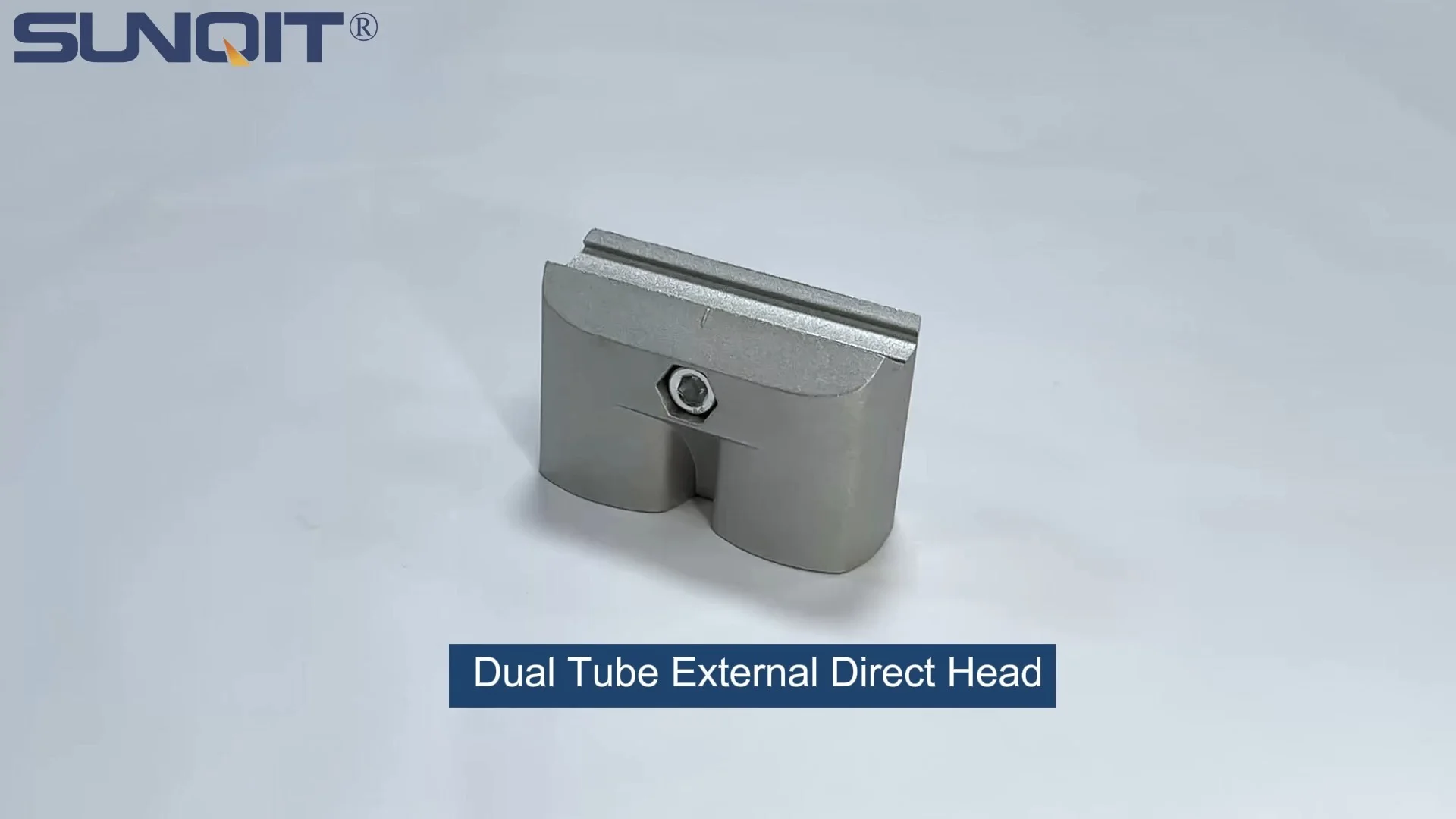
Duplex Aluminum Pipe Joint
Duplex Aluminum pipe joint used for one pcs 28pcs aluminum pipe and one pcs of 28mm duplex pipe connection in straight angle.
In the fast-paced world of consumer electronics manufacturing, where precision meets speed and adaptability is non-negotiable, every component in the production ecosystem plays a critical role. From the assembly of tiny circuit boards to the final packaging of smartphones and laptops, the efficiency of workstations, the smooth flow of materials, and the ability to quickly reconfigure lines can make or break a manufacturer's success. Among the unsung heroes enabling this seamless operation is the duplex aluminum pipe joint—a versatile, durable connector that has quietly revolutionized how production lines are built, adjusted, and optimized. In this article, we'll explore why this unassuming component has become indispensable in consumer electronics manufacturing, how it integrates with key elements like aluminum profiles, workbenches, and roller tracks, and why it's a cornerstone of modern lean system implementation.
What Is a Duplex Aluminum Pipe Joint?
At its core, a duplex aluminum pipe joint is a specialized connector designed to link aluminum pipes—often part of aluminum profile systems—in modular manufacturing setups. Unlike traditional single-axis joints or rigid welded connections, duplex joints are engineered for dual functionality: they securely fasten pipes while allowing for adjustability, rotation, or multi-directional alignment. Crafted from high-grade aluminum alloy, these joints balance strength and lightweight design, making them ideal for environments where both durability and maneuverability matter.
What sets duplex aluminum pipe joints apart is their precision engineering. Most feature internal locking mechanisms, such as threaded bolts or spring-loaded clips, that create a tight seal between pipes without requiring welding or heavy tools. This design not only speeds up assembly but also allows for repeated disassembly and reassembly—critical in an industry where production lines are frequently reconfigured to accommodate new products or updated processes.
| Feature | Traditional Plastic Joints | Welded Steel Joints | Duplex Aluminum Pipe Joints |
|---|---|---|---|
| Material | Polypropylene or nylon | Mild steel | Aluminum alloy (6061-T6 or similar) |
| Weight (per unit) | Light (10-15g) | Heavy (80-100g) | Moderate (30-40g) |
| Load Capacity | Low (up to 5kg) | High (50kg+) | Medium-High (20-40kg) |
| Adjustability | Limited (fixed angles) | None (permanent welds) | High (360° rotation, angle) |
| ESD Compatibility | Poor (insulative, static buildup risk) | Good (conductive, but heavy) | Excellent (conductive, lightweight grounding) |
| Assembly Time | Fast (snap-fit, but weak) | Slow (requires welding equipment) | Fast (hand-tightened bolts, no tools needed) |
Why Consumer Electronics Manufacturing Can't Do Without It
Consumer electronics manufacturing is unique in its demands: products are small, delicate, and often require electrostatic discharge (ESD) protection to prevent damage from static electricity. Production lines must also be flexible enough to switch between models—think a factory shifting from assembling wireless earbuds to smartwatches overnight—and lightweight enough for workers to reconfigure without heavy machinery. Duplex aluminum pipe joints address all these needs head-on.
First, ESD safety is non-negotiable. Components like microchips or LCD screens are highly sensitive to static, so ESD workstations and material handling systems must be grounded. Aluminum is naturally conductive, and duplex joints—being part of the aluminum profile system—create a continuous conductive path from the workbench surface to the factory floor, dissipating static charges safely. Unlike plastic joints, which can insulate and trap static, duplex aluminum joints integrate seamlessly into ESD-compliant setups, reducing the risk of costly component failures.
Second, flexibility is key. Consumer electronics manufacturers rarely stick to a single product line for long. A factory producing smart speakers today might need to retool for fitness trackers next month, requiring workstations to be shortened, roller tracks to be rerouted, or shelves to be added. Duplex joints make this reconfiguration possible in hours, not days. For example, a workbench used for soldering might need its height adjusted to accommodate taller components; with duplex joints, workers can loosen the bolts, reposition the aluminum profile legs, and retighten—no cutting or welding required.

Building Smarter Workbenches with Duplex Joints
Workbenches are the heart of electronics assembly, where technicians spend hours soldering, testing, and assembling components. A well-designed workbench enhances productivity, reduces ergonomic strain, and ensures compliance with ESD standards—and duplex aluminum pipe joints are the backbone of such designs.
Modularity is the name of the game here. Using duplex joints, manufacturers can build workbenches tailored to specific tasks. For instance, a workbench for PCB assembly might feature: aluminum profile legs connected by duplex joints for height adjustment (from 70cm to 90cm, depending on the worker), a top shelf supported by angled duplex joints to hold magnifying lamps, and side rails attached via swiveling duplex joints to hang tools like tweezers or solder suckers. If a new task requires a wider surface, adding an extension is as simple as connecting another aluminum profile section with a duplex joint—no need to replace the entire bench.
ESD workbench integration is another area where duplex joints shine. By grounding the aluminum profile frame through the joints, the entire workbench becomes an ESD-safe zone. Technicians can add ESD mats, wrist straps, or ionizers, all of which connect to the grounded frame via the joints. This holistic approach ensures static-sensitive components are protected from the moment they're placed on the bench until they're moved to the next station.

Enhancing Roller Tracks for Smooth Material Flow
Material flow is the lifeblood of any production line. In consumer electronics, components like PCBs, batteries, or casings must move quickly and smoothly from one workstation to the next—often via roller tracks. These tracks rely on stable, vibration-resistant frames to prevent jams or damage to delicate parts, and duplex aluminum pipe joints are critical to maintaining that stability.
Roller tracks are typically constructed from aluminum profiles, with rollers mounted along the length to glide materials forward. The frames supporting these tracks must be rigid enough to handle constant use but adjustable enough to align with workstations of varying heights. Duplex joints excel here: they secure the vertical and horizontal aluminum profile sections of the track frame, ensuring minimal flex even when loaded with heavy batches of components. Unlike plastic joints, which can warp under stress, or steel joints, which add unnecessary weight, duplex aluminum joints keep the track stable without slowing down reconfiguration.
Consider a smartphone assembly line where batteries are transported from the testing station to the final assembly bench via roller track. If the testing station is repositioned 30cm to the left, the roller track must be adjusted to match. With duplex joints, workers can disconnect the track's aluminum profile segments, realign them, and reconnect—all in under an hour. The joints' locking mechanism ensures the track remains level, preventing batteries from tipping or jamming during transport.

Supporting Lean System Principles
Lean system methodologies—focused on eliminating waste, improving efficiency, and continuous improvement—are the backbone of modern manufacturing. Duplex aluminum pipe joints align perfectly with these principles by reducing three key types of waste: time, labor, and materials.
Time waste is minimized through quick assembly. Traditional welded steel frames might take a team of workers a full day to build; with duplex joints and aluminum profiles, the same frame can be assembled by two workers in under two hours. Reconfiguration time is even more drastically reduced: a lean system might require a production line to be adjusted weekly, and duplex joints cut that process from days to hours, keeping the line operational and reducing idle time.
Labor waste is addressed by simplifying tasks. Workers don't need specialized skills (like welding) to assemble or adjust frames with duplex joints—just basic hand tools. This reduces reliance on specialized technicians and empowers line workers to make on-the-fly adjustments, fostering a culture of ownership and continuous improvement central to lean systems.
Material waste is curbed through reusability. Unlike welded joints, which are destroyed when disassembled, duplex joints can be reused indefinitely. When a production line is retired, the aluminum profiles and duplex joints can be repurposed to build new workbenches or roller tracks, reducing scrap and lowering long-term costs.
The Future of Manufacturing: Small Joints, Big Impact
As consumer electronics continue to shrink in size and grow in complexity, the demand for flexible, precise manufacturing systems will only increase. Duplex aluminum pipe joints may seem like small components, but their impact is far-reaching. By enabling modular, ESD-safe, and lean-compatible setups, they help manufacturers stay agile in a competitive market, reduce costs, and protect sensitive components—all while keeping workers safe and productive.
Whether it's building an ESD workbench for assembling microchips, supporting a roller track for moving finished products, or integrating with aluminum profile systems to create custom storage solutions, duplex aluminum pipe joints are more than just connectors. They're enablers of innovation, ensuring that consumer electronics manufacturing remains as dynamic and adaptable as the products it creates.