- Company Articles
- Products and Technology
- Installation And Maintenance
- Duplex Aluminum Pipe Joint Maintenance Checklist for Factory Operators

Duplex Aluminum Pipe Joint Maintenance Checklist for Factory Operators
Related Product
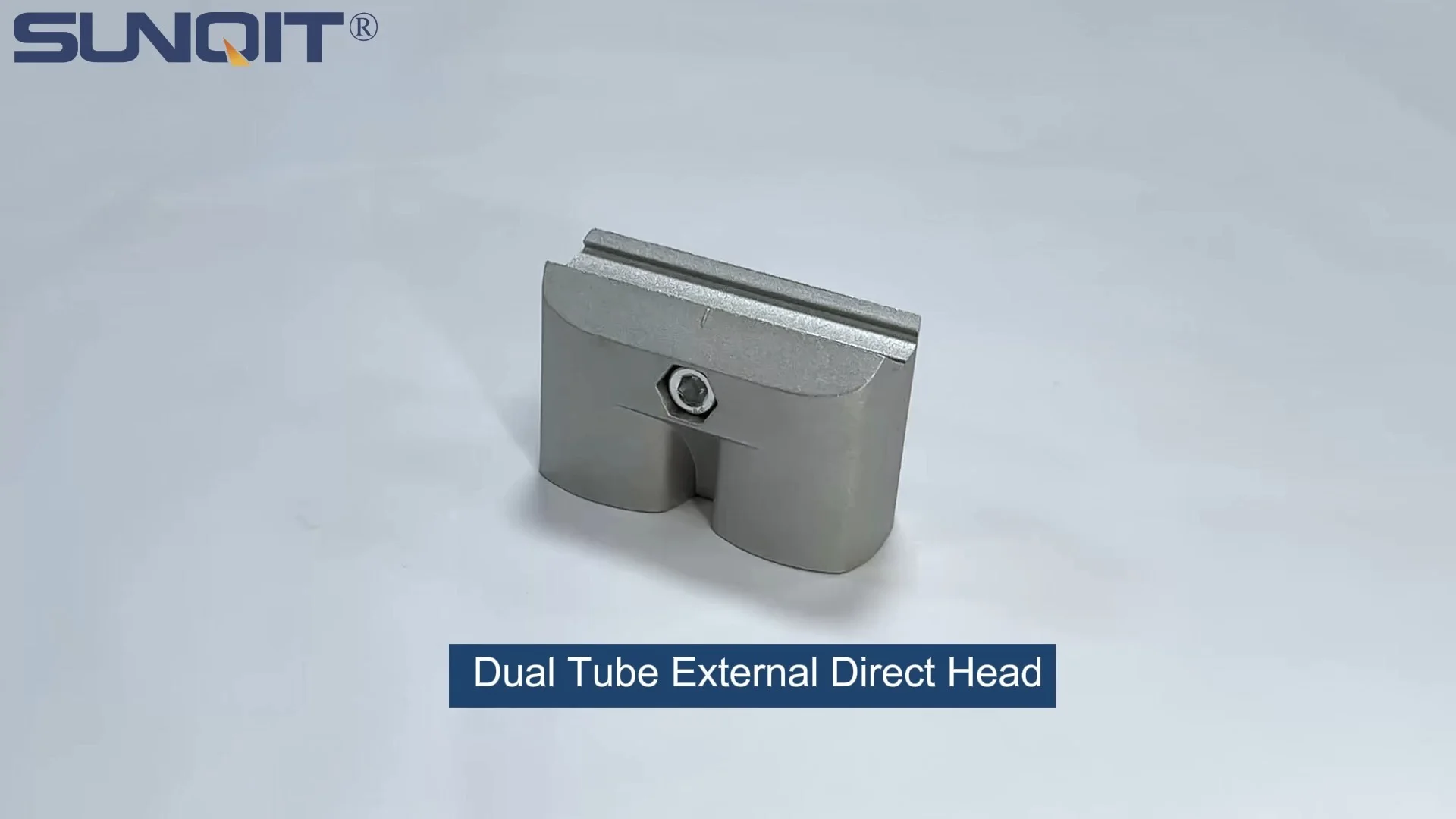
Duplex Aluminum Pipe Joint
Duplex Aluminum pipe joint used for one pcs 28pcs aluminum pipe and one pcs of 28mm duplex pipe connection in straight angle.
Keep your production line strong, safe, and efficient with these practical care steps
Why Duplex Aluminum Pipe Joints Deserve Your Attention
Walk through any busy factory, and you'll spot them everywhere: the silent workhorses holding together workbenches, material racks, and turnover trolleys. We're talking about duplex aluminum pipe joints—the unsung heroes that turn simple aluminum pipes into sturdy, flexible structures that keep your assembly lines moving. Whether it's the workbench where your team assembles delicate components or the roller track that feeds parts to the next station, these joints are the glue (literally) that holds your workflow together.
But here's the thing: even the toughest aluminum components wear down over time. A loose joint might start as a tiny wobble in a workbench, but ignore it, and you could be looking at a collapsed material rack, a jammed conveyor, or worse—an unsafe workspace for your team. That's why sticking to a regular maintenance routine isn't just "good practice"—it's the difference between smooth production days and costly downtime. Let's break down how to keep those duplex aluminum pipe joints (and the entire structures they support) in top shape.
Daily Maintenance: Quick Checks to Start Your Shift Right
Your day's already packed with deadlines, so daily checks need to be fast but effective. Think of them as a "health scan" for your equipment—5 minutes per station, max. Here's what to focus on:
1. Inspect for Loose Joints – Grab the structure (gently!) and give it a light shake. A stable workbench or rack shouldn't wobble. If you notice movement, trace it to the source: is there a gap between the duplex aluminum pipe joint and the aluminum pipe? Are the bolts or connectors visibly loose? Tighten them on the spot with a hex key or adjustable wrench—don't wait for "later." Loose joints only get worse with use.
2. Check for Debris Buildup – Factories are dusty places, and dirt, metal shavings, or even spilled lubricant can sneak into joint crevices. Use a dry cloth or a small brush to wipe around the joints. Debris might seem harmless, but over time, it can wear down the joint's grip or cause corrosion—especially if the aluminum pipe has a protective coating.
3. Scan for Visible Damage – Keep an eye out for cracks, dents, or bent edges on the joint itself. Aluminum is strong, but heavy impacts (like a dropped tool or a misaligned pallet) can weaken it. If you see a crack, mark the spot with tape and schedule a repair before the end of your shift—don't let it hold up tomorrow's work.
4. Test Caster Wheels (If Applicable) – Many mobile structures (like turnover trolleys or portable workbenches) use caster wheels attached via these joints. Give the trolley a gentle push—wheels should roll smoothly without sticking or squeaking. If a wheel jams, check if debris is caught in the axle or if the caster's joint is loose. A quick clean or tighten here prevents frustrating delays later.
Pro Tip:
Assign "station owners" to each workbench or rack. When someone uses a tool daily, they'll notice small changes (like a wobbly joint) faster than anyone else. Make it part of their morning routine—they'll take pride in keeping their workspace safe!

Weekly Deep Dive: Beyond the Basics
Once a week, set aside 15–20 minutes per structure for a more thorough check. This is when you'll catch issues that daily scans might miss, like early signs of wear or hidden corrosion. Here's your weekly to-do list:
1. Tighten Fasteners Properly – Daily checks might fix obvious looseness, but weekly, you'll want to ensure all bolts and connectors are torqued to spec. Grab your torque wrench (or the tool recommended by your aluminum pipe accessories supplier) and go through each joint. Over-tightening can strip threads, so stick to the manufacturer's guidelines—usually, a "firm but not forceful" twist is enough.
2. Inspect Aluminum Pipe Accessories – Duplex joints don't work alone—they rely on clamps, brackets, and end caps to stay secure. Check if any accessories are cracked, bent, or missing. For example, a loose pipe clamp could let the aluminum profile shift, putting extra stress on the joint. replace worn accessories with genuine parts—generic replacements might not fit as snugly, defeating the purpose.
3. Clean Joints Thoroughly – Use a mild detergent (dish soap works!) and a soft brush to clean around the joints. If you notice grime buildup, mix equal parts water and white vinegar to tackle it—vinegar's acidity cuts through grease without damaging the aluminum. Rinse with a damp cloth and dry completely to prevent water spots or corrosion.
4. Test Load Capacity (Gently!) – Most structures are built to hold specific weights (e.g., a workbench might handle 200kg). Once a week, place a typical load on the structure (like a box of parts) and watch how the joints react. Do they flex excessively? Is there a creaking sound? If yes, the joint might be weakening, or the structure could be overloaded. Adjust the load or reinforce the joint before it fails.

Monthly Maintenance: Long-Term Care for Lasting Strength
Monthly checks are all about spotting "slow-burn" issues—problems that take weeks or months to show up but can cause major damage if ignored. Block off 30–45 minutes for these deeper inspections:
1. Check for Metal Fatigue – Aluminum is durable, but constant stress (like repeated loading/unloading of a material rack) can lead to metal fatigue. Look for tiny cracks around the joint's connection points, or discoloration (a sign of heat from friction). If you see either, replace the joint immediately—fatigue weakens the metal, and a "small" crack can suddenly split under pressure.
2. Verify Alignment – Over time, heavy use or accidental bumps can misalign joints. Grab a level and check if the structure is straight (vertical for racks, horizontal for workbenches). A leaning rack might not seem urgent, but it shifts weight unevenly onto certain joints, wearing them out faster. Loosen the affected duplex aluminum pipe joint, adjust the pipe position, and retighten—simple, but crucial.
3. Lubricate Moving Parts – If your structure has moving components (like caster wheels on a trolley or swivel joints on a foldable workbench), monthly lubrication is a must. Use a silicone-based spray (avoid oil-based lubes—they attract dust) on caster axles, swivel points, and roller track connectors. Wipe off excess to prevent gunk buildup.
4. Inspect the Entire System (Not Just Joints!) – Joints don't fail in isolation. A bent aluminum profile or a cracked workbench top can put extra strain on the joints holding it up. Take a step back and look at the whole structure: Are the aluminum pipes straight? Is the workbench surface still flat? Fixing these "secondary" issues now saves the joints from carrying extra stress later.

Troubleshooting Common Duplex Aluminum Pipe Joint Issues
Even with regular checks, problems can pop up. Here's how to fix the most common ones fast:
Issue: Loose Joints That Keep Coming Back – If you tighten a joint, but it loosens again within days, the threads on the bolt or inside the joint might be stripped. replace the bolt first—they're cheap and easy to swap. If that doesn't work, the joint itself might be worn out. Invest in a new duplex aluminum pipe joint—using a damaged one is like trying to hold a door with a broken hinge.
Issue: Corrosion (White/Gray Spots on Aluminum) – Aluminum naturally forms a protective oxide layer, but in humid or chemical-heavy environments, it can corrode. Mix a paste of baking soda and water, apply it to the corroded area, and let it sit for 10 minutes. Scrub gently with a soft cloth, rinse, and dry. For extra protection, apply a thin coat of clear acrylic spray (found at hardware stores) to the joint—just avoid getting it on moving parts.
Issue: Stuck or Squeaky Caster Wheels – If a trolley's caster wheel won't roll smoothly, first check for debris (like a nail or metal shard) stuck in the wheel. Remove it with pliers, then lubricate the axle with silicone spray. If the wheel still squeaks, the bearing might be worn—replace the caster wheel with a new one (make sure it matches the size and load rating of the old one).
Issue: Misaligned Joints Causing Wobble – If a structure wobbles even after tightening, the pipes might be bent. Try loosening all nearby joints, gently straightening the pipe (use a rubber mallet if needed), and retightening. If the pipe is too bent to fix, replace it—aluminum pipes are affordable, and a straight pipe ensures even weight distribution across joints.
The Ultimate Maintenance Checklist (At a Glance)
| Frequency | Maintenance Task | Key Notes |
|---|---|---|
| Daily | Shake structure to check for loose joints | Focus on wobbling or gaps between joint and pipe |
| Daily | Wipe debris from joint crevices | Use a dry cloth or small brush—no water needed |
| Daily | Check for visible cracks/dents in joints | Mark damaged joints with tape for repair |
| Weekly | Tighten fasteners with torque wrench | Don't over-tighten—follow manufacturer specs |
| Weekly | Clean joints with mild detergent/vinegar | Rinse and dry completely to prevent corrosion |
| Weekly | Inspect aluminum pipe accessories (clamps, brackets) | replace cracked or bent parts with genuine accessories |
| Monthly | Check for metal fatigue (cracks, discoloration) | replace joints with signs of fatigue immediately |
| Monthly | Verify alignment with a level | Adjust misaligned pipes to reduce joint stress |
| Monthly | Lubricate caster wheels and moving joints | Use silicone spray—avoids dust buildup |
Best Practices to Make Maintenance Stick
Maintenance isn't a one-person job—it's a team effort. Here's how to make it part of your factory's culture:
Keep a Maintenance Log – A simple notebook or digital spreadsheet works. Jot down when checks were done, what issues were found, and how they were fixed. Over time, you'll spot patterns (e.g., "Joint A on Workbench 3 loosens every 2 weeks") and address root causes instead of Band-Aiding problems.
Train Your Team – Not everyone needs to be a maintenance expert, but a 10-minute demo on "how to spot a loose joint" can go a long way. Show your team what a healthy joint looks like vs. a damaged one, and encourage them to report issues immediately—even if they're "small."
Stock Spare Parts – Keep a bin of common replacements: duplex aluminum pipe joints, bolts, caster wheels, and aluminum pipe accessories. Running to the supplier mid-shift wastes time—having spares on hand means you can fix issues in minutes, not hours.
Celebrate "Maintenance Wins" – Did a weekly check catch a loose joint before it caused a problem? A quick "great catch!" in the team huddle reinforces that maintenance matters. Over time, your team will take pride in keeping their workspace strong and safe.
Remember:
A duplex aluminum pipe joint might seem like a small part, but it's part of a bigger system. Taking care of it isn't just about the joint—it's about keeping your team safe, your production on track, and your factory running like a well-oiled machine (pun intended).
Wrapping Up: Your Joints, Your Line, Your Success
At the end of the day, maintenance is about respect—for your equipment, your team, and your work. A well-maintained workbench doesn't just hold tools; it holds the trust of your operators, who know they're working in a space that's safe and reliable. A sturdy material rack doesn't just store parts; it ensures those parts arrive on time, every time, keeping your assembly line humming.
So grab that wrench, start those daily checks, and make duplex aluminum pipe joint maintenance a habit. Your future self (and your production metrics) will thank you.