- Company Articles
- Products and Technology
- Installation And Maintenance
- Duplex Aluminum Pipe Joint Maintenance Tips for Longevity

Duplex Aluminum Pipe Joint Maintenance Tips for Longevity
Related Product
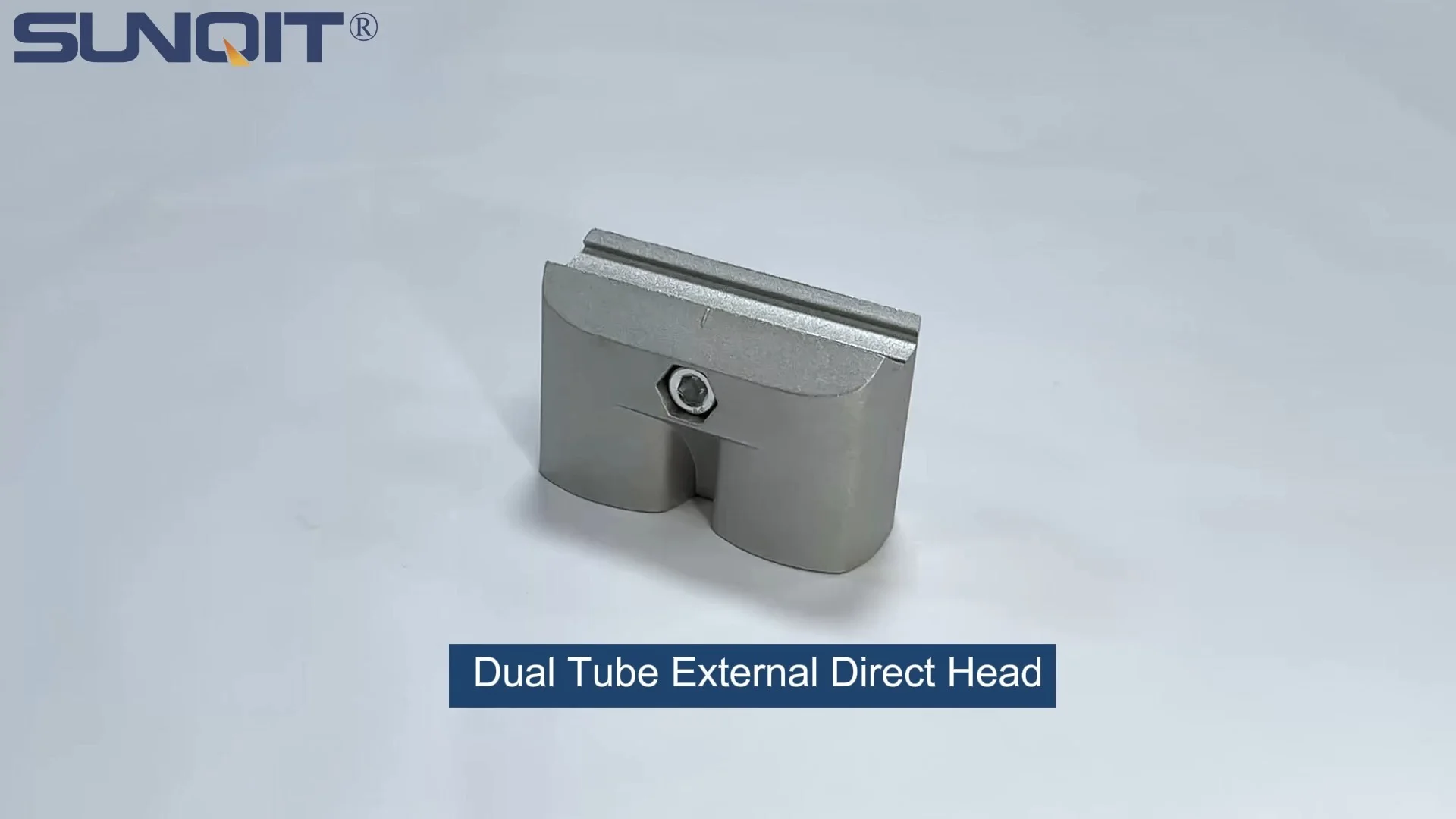
Duplex Aluminum Pipe Joint
Duplex Aluminum pipe joint used for one pcs 28pcs aluminum pipe and one pcs of 28mm duplex pipe connection in straight angle.
In the bustling world of manufacturing, warehouses, and lean production facilities, every component plays a silent but critical role in keeping operations running smoothly. Among these unsung heroes are duplex aluminum pipe joints—small yet mighty connectors that hold together everything from workbenches and material racks to conveyors and turnover trolleys. These joints are the backbone of lean systems, ensuring that aluminum pipes and profiles (like the aluminum profile and aluminum extrusion profile you rely on) stay securely connected, even under the daily wear and tear of heavy loads, constant movement, and varying environmental conditions. But here's the thing: their reliability isn't just a given. To keep your duplex aluminum pipe joints performing at their best for years, proper maintenance isn't optional—it's essential. In this guide, we'll walk you through practical, actionable tips to extend the lifespan of these crucial components, protect your equipment investment, and avoid costly downtime. Whether you're a facility manager, a maintenance technician, or someone who simply wants to get the most out of their lean pipe and accessories, this article is for you.
Understanding Duplex Aluminum Pipe Joints: Why They Matter
Before diving into maintenance, let's take a moment to appreciate what duplex aluminum pipe joints are and why they're so vital. Unlike basic plastic or steel connectors, duplex aluminum joints are engineered for durability and flexibility. They're designed to connect aluminum pipes (such as basic aluminum tube or internal rotatary aluminum joint) and aluminum profile accessories, allowing for quick assembly, disassembly, and reconfiguration—key features for lean manufacturing, where adaptability is everything. Their duplex design often includes dual locking mechanisms or reinforced internal structures, making them stronger than standard single-joint connectors. This strength is why they're trusted in high-stress applications, from supporting heavy workbench setups (like workbench E, single deck without casters) to maintaining the stability of multi-tiered material racks (such as material rack B, with 3 rows and 3 floors).
But even the toughest joints have their limits. Over time, factors like vibration, moisture, improper tightening, and exposure to chemicals can weaken their integrity. A loose joint might cause a workbench to wobble, leading to errors in assembly work. A corroded joint could compromise the stability of a conveyor, risking product damage or worker injury. And a seized joint? That could bring an entire production line to a halt while you scramble to find a replacement. The good news? Most of these issues are preventable with consistent maintenance. Think of it like caring for a car: regular oil changes and tune-ups keep it running smoothly, just as regular checks and care will keep your duplex aluminum pipe joints in top shape.
The Hidden Costs of Neglecting Maintenance
It's easy to put off maintenance—after all, if a joint isn't visibly broken, why fix it? But neglecting these small components can lead to big, expensive problems down the line. Let's break down the costs of cutting corners:
Downtime: Imagine this: You're in the middle of a busy production run when a conveyor suddenly jams. Upon inspection, you find the culprit is a seized duplex aluminum pipe joint that's been sticking for weeks, but no one bothered to check. Now, your line is down for hours while you source a replacement joint (if your lean pipe supplier has it in stock) and repair the damage. For a facility running 24/7, even an hour of downtime can cost thousands in lost productivity.
Safety Risks: A loose or damaged joint isn't just a productivity issue—it's a safety hazard. If a workbench leg joint fails, the entire structure could collapse, injuring workers or damaging expensive equipment. Similarly, a wobbly material rack might send products crashing to the floor, risking both injury and inventory loss. OSHA fines for safety violations can add insult to injury, with penalties reaching into the tens of thousands for serious breaches.
Premature Replacement: Duplex aluminum pipe joints aren't cheap, especially if you're using high-quality, OEM parts from a reputable aluminum pipe supplier. Neglecting maintenance forces you to replace joints far earlier than necessary. For example, a well-maintained joint might last 5–7 years, but one exposed to constant moisture and never cleaned could fail in just 2–3 years. Multiply that by dozens (or hundreds) of joints in your facility, and the costs add up fast.
Secondary Damage: A failing joint rarely acts alone. When one joint weakens, it puts extra stress on neighboring joints and the connected aluminum pipes. Over time, this domino effect can lead to bent pipes, cracked profiles, or damaged aluminum profile accessories (like roller track connectors or caster accessories). Suddenly, what started as a $20 joint repair becomes a $500 pipe and accessory replacement.
Pro Tip:
Keep a log of when joints are installed, inspected, and repaired. This helps you track their lifespan, identify patterns (e.g., joints near wash stations corrode faster), and plan replacements before failure occurs.

Daily Maintenance Habits: Quick Checks That Prevent Big Problems
Maintenance doesn't have to be time-consuming. In fact, some of the most effective habits take just a few minutes each day. Here's what to add to your daily routine:
1. Visual Inspection: Look for the Obvious
Start with a quick walk-around of your equipment. Check each duplex aluminum pipe joint for signs of damage: cracks in the aluminum, rust or corrosion (especially in humid environments), loose bolts or screws, and misalignment (e.g., pipes that aren't straight or joints that look "crooked"). Pay extra attention to joints in high-stress areas: workbench corners, conveyor supports, and material rack shelves that hold heavy loads. Even small issues—like a hairline crack or a slightly protruding bolt—are red flags. Note them down and address them before they worsen.
2. Tighten Loose Joints (Gently!)
Vibration from machinery, repeated loading/unloading, and temperature changes can cause joints to loosen over time. A quick twist with a wrench or hex key can often fix this—but be careful not to over-tighten. Aluminum is a softer metal than steel, and excessive force can strip threads, crack the joint, or bend the pipe. As a rule of thumb: tighten until you feel resistance, then give it a quarter-turn more. If a joint keeps loosening, it may be worn or damaged—add it to your list for closer inspection.
3. Clean Away Debris
Dust, oil, grease, and even small pieces of debris (like plastic shavings or metal filings) can accumulate in joint crevices, especially around moving parts (such as internal rotatary aluminum joints). Over time, this buildup can interfere with the joint's ability to rotate or lock properly, leading to seizing or increased wear. Wipe joints down daily with a clean, dry microfiber cloth. For greasy or sticky residue, use a mild detergent (like dish soap) mixed with warm water, then dry thoroughly to prevent moisture buildup.
4. Check for Unusual Noises or Movement
Your ears and eyes are powerful tools. Listen for squeaks, creaks, or rattles when the equipment is in use—these often signal a loose or dry joint. Watch for movement, too: does the workbench shake when you lean on it? Does the conveyor wobble as products move along? These are signs that joints may need adjustment or lubrication.

Weekly Deep Dive: Cleaning, Lubrication, and Alignment
Daily checks handle the basics, but weekly maintenance takes things a step further. Set aside 30–60 minutes each week to give your duplex aluminum pipe joints a more thorough inspection and care. Here's how:
1. Deep Cleaning
Use a soft-bristled brush (an old toothbrush works great!) to dislodge debris from hard-to-reach areas, like the gaps between the joint and the pipe, or around locking mechanisms. For stubborn grime (e.g., oil that's baked on from machinery leaks), use a degreaser specifically designed for aluminum (avoid harsh chemicals like bleach or ammonia, which can corrode the metal). Rinse with a damp cloth, then dry immediately. Pay special attention to joints near food processing areas, chemical storage, or outdoor elements—these are more prone to buildup and corrosion.
2. Lubricate Moving Parts
If your duplex aluminum pipe joints have moving components (such as internal rotatary parts or swivel mechanisms), lubrication is key to preventing friction and seizing. Use a silicone-based lubricant spray or lightweight machine oil (avoid heavy greases, which attract dust). Apply a small amount to the moving parts, then work the joint back and forth a few times to distribute the lubricant evenly. Wipe away excess to prevent debris from sticking. Pro tip: Avoid lubricating non-moving joints, as it can attract dirt and weaken the connection.
3. Check Alignment and Load Distribution
Over time, even minor impacts (like bumping a trolley into a rack) can misalign joints, causing uneven load distribution. This puts extra stress on certain joints, leading to premature wear. Use a level to check that workbenches and racks are flat and even. For conveyors, ensure the frame is straight and that roller tracks (like the 40 steel roller track or 38 aluminum roller track) are aligned with the joints. If you notice misalignment, gently adjust the joints or pipes to redistribute the load. If the issue persists, it may be a sign of bent pipes or damaged joints that need replacement.

Monthly Maintenance: Inspecting for Wear and Tear
Monthly maintenance is all about catching subtle, long-term issues that daily or weekly checks might miss. This is when you'll dig deeper into the condition of your duplex aluminum pipe joints and their connected components (aluminum pipe accessories, aluminum profile, etc.).
1. Measure Tightness with Precision
For critical joints (like those supporting heavy machinery or safety barriers), use a torque wrench to ensure they're tightened to the manufacturer's specifications. Most lean pipe suppliers or aluminum profile suppliers provide torque guidelines (usually in inch-pounds or Newton-meters) for their joints. This step ensures consistency and prevents under- or over-tightening, which are both harmful.
2. Inspect for Corrosion and Pitting
Even aluminum, which is naturally corrosion-resistant, can develop rust-like spots (called pitting) if exposed to salt, moisture, or chemicals over time. Check joints for white, powdery residue (a sign of oxidation) or small holes/pits in the metal. For minor oxidation, gently scrub with a mixture of baking soda and water, then rinse and dry. For pitting or severe corrosion, the joint may need to be replaced—corroded metal weakens the joint's structural integrity, making it unsafe for heavy loads.
3. Examine Threads and Locking Mechanisms
The threads on bolts and the locking mechanisms (e.g., clips, pins, or cam levers) are critical for joint stability. Use a flashlight to inspect threads for damage: are they bent, stripped, or worn down? Do locking mechanisms engage smoothly, or do they stick? Damaged threads can't hold tension, and faulty locks can cause joints to disengage unexpectedly. replace worn bolts or locking parts with genuine aluminum pipe accessories from your supplier—generic parts may not fit properly or meet safety standards.
4. Check Connected Pipes and Profiles
A joint is only as strong as the pipe it's connected to. Inspect the aluminum pipes and profiles (aluminum profile, aluminum extrusion profile) for dents, cracks, or bending near the joints. Even a small dent can create stress points that weaken the joint over time. If a pipe is damaged, replace it—don't try to "bend it back" or force it into the joint, as this will only cause more problems.
Quarterly Maintenance: Professional Checks and Preventive Replacements
While daily, weekly, and monthly tasks can be handled in-house, quarterly maintenance is a good time to bring in a professional (like your lean pipe supplier or aluminum profile supplier) for a thorough inspection. These experts have the tools and experience to spot issues you might miss, such as:
- Stress cracks: Tiny, invisible cracks in the joint's metal that can grow over time, leading to sudden failure.
- Fatigue damage: Wear caused by repeated stress (e.g., joints on a conveyor that runs 12 hours a day).
- Hidden corrosion: Rust or oxidation inside the joint, which isn't visible from the outside.
- Load capacity issues: Joints that are overloaded due to changes in workflow or heavier materials.
Professionals may use tools like ultrasonic testers to check for internal damage or torque gauges to ensure joints are tightened to exact specifications. They can also lubricate hard-to-reach components, replace worn parts with genuine aluminum pipe accessories, and recommend upgrades (e.g., switching to heavy-duty stainless steel joints for corrosive environments).
Quarterly maintenance is also a good time to proactively replace joints that are approaching the end of their lifespan. Most duplex aluminum joints last 3–5 years with proper care, but this varies based on usage and environment. If you have joints that are 4+ years old, or that show signs of heavy wear (even if they're still functional), replacing them now can prevent unexpected failures later.
A Maintenance Schedule You Can Follow
To make maintenance easier, we've compiled a handy schedule. Print this out, post it in your maintenance area, and check tasks off as you go. Adjust frequencies based on your facility's needs (e.g., if you operate in a high-moisture environment, increase corrosion checks).
| Frequency | Tasks | Tools Needed | Notes |
|---|---|---|---|
| Daily | Visual inspection for cracks, corrosion, loose bolts; tighten loose joints; clean debris with cloth. | Flashlight, hex key/wrench, microfiber cloth. | Focus on high-stress areas (workbenches, conveyor supports). |
| Weekly | Deep clean with brush and mild detergent; lubricate moving parts; check alignment with level. | Soft-bristled brush, mild detergent, silicone lubricant, level. | Dry thoroughly after cleaning to prevent moisture damage. |
| Monthly | Torque wrench checks; inspect threads and locks; check pipes for dents/bending; treat minor corrosion. | Torque wrench, thread checker, baking soda/water solution. | replace stripped bolts or worn locking parts immediately. |
| Quarterly | Professional inspection for stress cracks/fatigue; ultrasonic testing; replace aging joints. | Professional tools (arranged via supplier). | Use genuine aluminum pipe accessories for replacements. |
| Annually | Full system audit; reconfigure if needed; replace all joints over 5 years old. | Facility layout plan, supplier catalog. | Use this as an opportunity to optimize lean system efficiency. |
Troubleshooting Common Duplex Aluminum Pipe Joint Issues
Even with the best maintenance, issues can still arise. Here's how to handle the most common problems:
Problem: Loose Joints That Won't Stay Tight
Cause:
Stripped threads, worn locking mechanisms, or damaged pipe ends.
Solution:
If threads are stripped, use a thread repair kit (available at hardware stores) to restore them. For worn locks, replace the joint. If the pipe end is damaged (e.g., bent or cracked), cut off the damaged section and reattach the joint to a fresh pipe end.
Problem: Corrosion (White/Gray Residue or Pitting)
Cause:
Moisture, exposure to chemicals, or high humidity.
Solution:
For minor oxidation, scrub with a paste of baking soda and water, then rinse and dry. For pitting or severe corrosion, replace the joint—corroded metal can't be repaired. To prevent future issues, apply a thin coat of clear acrylic spray paint (designed for aluminum) to protect the joint from moisture.
Problem: Seized or Stuck Joints
Cause:
Lack of lubrication, debris buildup, or rust.
Solution:
Apply a penetrating oil (like WD-40) to the joint and let it sit for 10–15 minutes. Gently tap the joint with a rubber mallet to loosen it, then try rotating or disassembling. If it still won't budge, avoid forcing it—you could break the pipe or joint. Instead, cut the pipe and replace the joint.
Problem: Bent or Misaligned Joints
Cause:
Impact (e.g., a falling object), overloading, or improper assembly.
Solution:
Bent joints can't be safely straightened—replace them. Check the connected pipes for bending, too; a bent pipe will misalign new joints. For misalignment due to assembly errors, disassemble and rebuild the section, ensuring pipes are straight and joints are properly seated.
Protecting Joints from the Environment
Your facility's environment plays a big role in joint longevity. Here's how to adapt maintenance to common conditions:
High Humidity/Wet Environments (e.g., Food Processing, Car Washes)
Moisture is aluminum's worst enemy. In these settings:
– Clean joints twice daily to remove water and condensation.
– Apply a corrosion-resistant coating (like clear zinc spray) quarterly.
– Use stainless steel bolts and washers (instead of standard aluminum) to reduce rust risk.
– Install dehumidifiers or fans to keep air circulating.
Dusty/Dirty Environments (e.g., Warehouses, Woodworking Shops)
Dust and debris can grind away at joint surfaces. To combat this:
– Cover unused joints with plastic caps (available from your aluminum profile supplier).
– Clean joints weekly with compressed air to blow out crevices.
– Lubricate moving parts more frequently (every 2 weeks instead of monthly) to reduce friction.
High-Temperature Areas (e.g., Near Furnaces, Ovens)
Heat can weaken aluminum and dry out lubricants. Here's what to do:
– Use heat-resistant lubricants (check with your supplier for recommendations).
– Insulate pipes near heat sources to protect joints.
– Inspect joints monthly for signs of warping or discoloration (a sign of overheating).
Invest in Quality: Why Genuine Parts Matter
When it comes to replacing duplex aluminum pipe joints or accessories, it's tempting to save money with generic, off-brand parts. But here's why that's a bad idea: genuine parts (from your lean pipe supplier or aluminum profile supplier) are engineered to fit your specific pipes and joints perfectly. They're made from high-grade aluminum alloys, tested for durability, and designed to work with your existing lean system components. Generic parts, on the other hand, may have loose tolerances, weaker materials, or incompatible designs. A poorly fitting joint can wobble, corrode faster, or fail under load—costing you more in the long run.
Think of it this way: if you buy a generic joint for $10 instead of a genuine one for $15, but the generic fails in 6 months (vs. 5 years for the genuine), you'll end up spending more on replacements and downtime. Plus, using non-genuine parts can void warranties on your equipment. It's worth the extra investment to ensure safety and longevity.
Conclusion: Your Joints Deserve Care—And So Do You
Duplex aluminum pipe joints may be small, but their impact on your facility's efficiency, safety, and bottom line is huge. By following the maintenance tips outlined here—daily checks, weekly cleaning, monthly inspections, and quarterly professional care—you can extend their lifespan, reduce downtime, and protect your investment. Remember, maintenance isn't just about fixing problems; it's about preventing them. A few minutes a day can save you hours of headaches (and thousands of dollars) down the line.
So, the next time you walk through your facility, take a moment to look at those joints. They're working hard for you—now it's your turn to return the favor. With a little care, your duplex aluminum pipe joints will keep your lean system running smoothly for years to come.