- Company Articles
- Products and Technology
- Solution
- Duplex Aluminum Pipe Joint: Sustainable & Reusable Solutions for Lean Systems

Duplex Aluminum Pipe Joint: Sustainable & Reusable Solutions for Lean Systems
Related Product
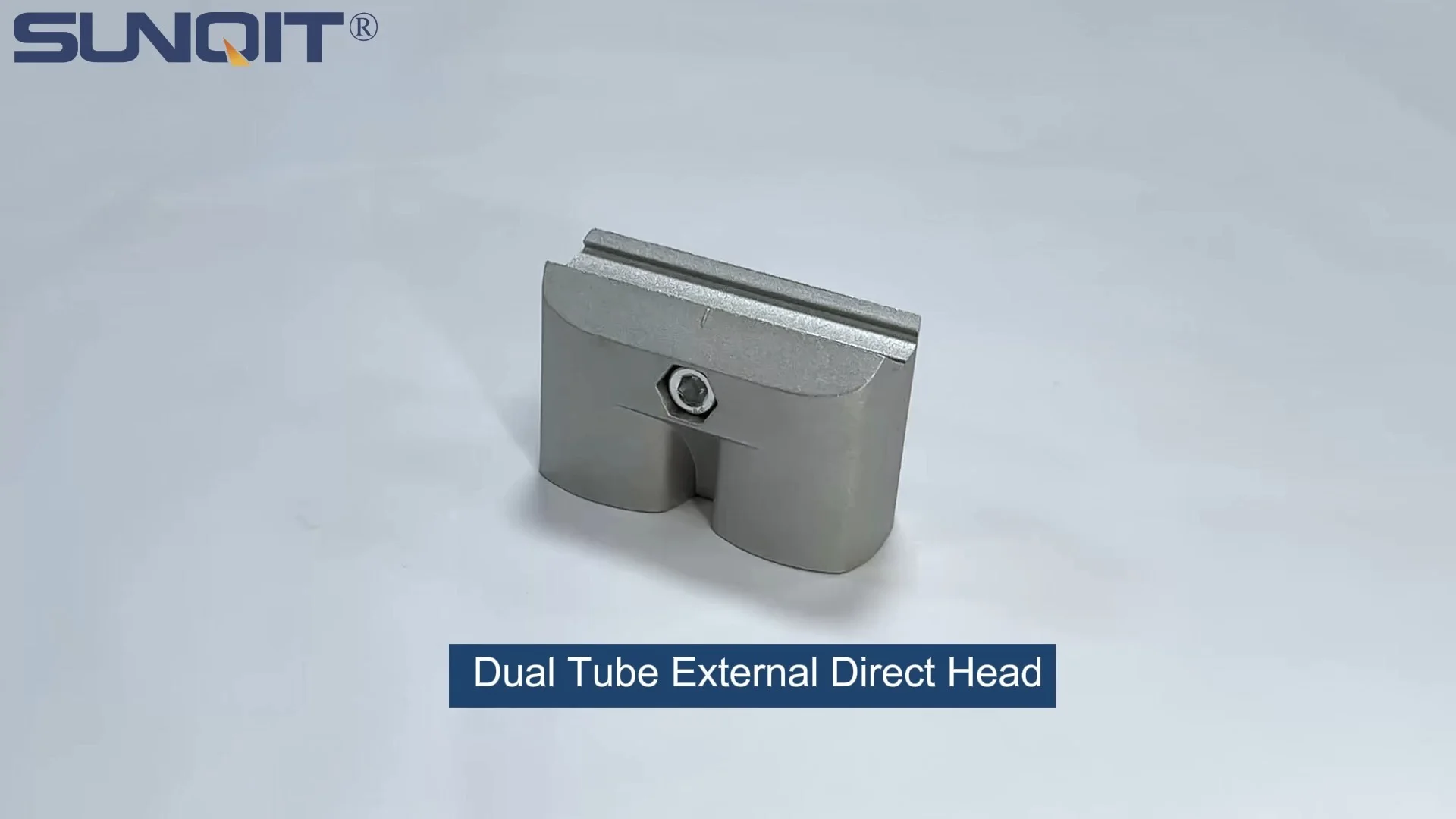
Duplex Aluminum Pipe Joint
Duplex Aluminum pipe joint used for one pcs 28pcs aluminum pipe and one pcs of 28mm duplex pipe connection in straight angle.
Walk into any modern manufacturing facility, and you'll notice a quiet revolution unfolding. Factories aren't just chasing efficiency anymore—they're chasing responsible efficiency. The pressure to do more with less while minimizing environmental impact has never been higher, and at the heart of this challenge lies a deceptively simple question: how do we build production systems that are both lean and sustainable ? For years, the answer seemed elusive. Traditional setups relied on rigid steel structures that resisted change or flimsy plastic components that crumbled after minimal use, leaving businesses stuck between wasteful inefficiency and costly replacements. But today, a new solution is changing the game: the duplex aluminum pipe joint. This unassuming component is redefining what's possible in lean manufacturing, proving that sustainability and adaptability don't have to be trade-offs.
The Lean System Challenge: Rigidity vs. Waste
Lean systems are built on the idea of eliminating waste—whether it's time, materials, or effort. But here's the catch: to eliminate waste, you need flexibility. A production line that can't adjust to new product sizes, shifting demand, or updated workflows will always generate waste, whether through idle workers, excess inventory, or underutilized space. For decades, manufacturers turned to steel pipe systems for their strength, but welding and cutting made reconfiguration nearly impossible without generating scrap. Plastic pipe joints offered easier assembly but cracked under stress, turning "temporary" setups into permanent landfill contributions. Even modular systems often fell short, locked into proprietary designs that made reuse across different applications difficult.
This is where the duplex aluminum pipe joint stands apart. By combining the best of durability, flexibility, and sustainability, it addresses the core of lean systems: how to build structures that are both stable enough for daily use and adaptable enough to evolve with your business. Let's dive into why this matters—and how this innovative joint is transforming factory floors around the world.
Duplex Aluminum Pipe Joint: Engineering for Reusability
At first glance, the duplex aluminum pipe joint might look like any other connector. But its genius lies in three key design principles: material science, modularity, and user-centric engineering. Let's break them down.
Aluminum: The Sustainable Foundation
Aluminum isn't just lightweight—it's a sustainability powerhouse. Unlike steel, which rusts without constant maintenance, or plastic, which degrades under UV light and chemical exposure, aluminum boasts natural corrosion resistance, ensuring longevity even in harsh factory environments. But its most impressive feature? Recyclability. Aluminum can be melted down and reformed repeatedly without losing structural integrity, requiring just 5% of the energy needed to produce new aluminum from raw ore. For manufacturers aiming to reduce their carbon footprint, this is a game-changer. When a duplex aluminum pipe joint reaches the end of its lifecycle, it doesn't become waste—it becomes raw material for the next generation of components.
Tool-Free Flexibility: Build, Break, Rebuild
Traditional pipe joints often require specialized tools, welding, or adhesives—permanent fixes that make reconfiguration a nightmare. The duplex aluminum joint, by contrast, uses a simple twist-lock mechanism that lets workers assemble, disassemble, and reconfigure structures with nothing more than a standard wrench (or sometimes just their hands). Imagine needing to adjust a workbench height to accommodate a new ergonomic standard: with steel, you'd need a cutting torch and a welder; with plastic, you'd risk cracking the joints. With duplex aluminum, you loosen the joints, adjust the aluminum lean pipe length, and retighten—done in minutes, no waste, no extra cost.
This flexibility extends to aluminum pipe accessories too. Whether you're adding casters for mobility, roller tracks for material flow, or shelves for storage, the joint's universal design works seamlessly with standard components. No more hunting for proprietary parts or being locked into a single supplier—just a system that grows and changes with your needs.

From Workbenches to Flow Racks: Real-World Impact
To understand the duplex aluminum pipe joint's value, let's look at its applications across common lean system components:
Workbenches: The Heart of Adaptable Assembly
A workbench isn't just a table—it's where products come to life. Traditional workbenches are often fixed in size and function, forcing workers to adapt to the furniture instead of the other way around. An aluminum lean pipe workbench, built with duplex joints, flips this script. Need a wider surface for a new product? Add two more aluminum pipes and joints. Want to integrate tool hooks or a parts bin? Attach them directly to the frame. When the product line shifts, disassemble the workbench and repurpose the pipes into a flow rack for incoming materials. This isn't just flexibility—it's resourcefulness.
Flow Racks: Keeping Materials Moving, Sustainably
Flow racks are critical for maintaining a steady material flow, using gravity to feed components to workers exactly when needed. But traditional steel flow racks are heavy and fixed in angle, making it hard to adjust for different product weights. Plastic versions warp under load, leading to jams and spills. Duplex aluminum flow racks solve both issues: the lightweight aluminum structure makes angle adjustments easy (just loosen the joints and tilt), while corrosion-resistant materials stand up to oils, coolants, and daily wear. And when demand drops and you need fewer racks? Disassemble them and store the pipes compactly until they're needed again—no wasted space, no wasted materials.

Sustainability by Design: Beyond "Greenwashing"
Sustainability isn't just about using "eco-friendly" materials—it's about reducing waste at every stage . The duplex aluminum pipe joint excels here in three key ways:
1. Minimal Waste During Production: Aluminum's high recyclability means less virgin material extraction. Unlike plastic, which relies on fossil fuels, or steel, which requires energy-intensive mining, aluminum production from recycled materials cuts energy use by 95%. Plus, the precision manufacturing of duplex joints reduces scrap during production—no more off-cuts or misaligned components ending up in the trash.
2. Longevity That Reduces Replacement Cycles: A well-maintained aluminum lean pipe system can last 10+ years, outliving multiple generations of plastic or steel setups. Aluminum's resistance to rust and corrosion means it won't degrade in humid or chemical-heavy environments, while the duplex joint's robust locking mechanism withstands thousands of assembly cycles without stripping or cracking. Fewer replacements mean less material consumption and lower transportation emissions from shipping new parts.
3. End-of-Life Recyclability: When a duplex aluminum system finally reaches the end of its useful life, it doesn't become waste. The aluminum pipes and joints are 100% recyclable, entering the circular economy to be melted down and reformed into new components. This closed-loop approach is a stark contrast to plastic joints, which often contain mixed materials that make recycling impossible, or steel, which loses strength with each recycling cycle.

Traditional vs. Duplex Aluminum: The Numbers Speak
| Feature | Steel Pipe Joints | Plastic Pipe Joints | Duplex Aluminum Pipe Joints |
|---|---|---|---|
| Assembly Time | 2+ hours (welding/cutting) | 30 minutes (hand assembly) | 20 minutes (tool-free twist-lock) |
| Reusability | Low (welded joints = permanent) | Very Low (cracks after 2-3 cycles) | High (100+ reconfigurations possible) |
| Weight (per joint) | 450g | 120g | 180g (3x lighter than steel) |
| Corrosion Resistance | Low (requires painting/coating) | Medium (prone to chemical damage) | High (natural oxide layer protection) |
| Carbon Footprint (Lifecycle) | High (mining, welding, scrap waste) | Very High (fossil fuel base, landfill bound) | Low (95% recycled energy, 100% recyclable) |
| 10-Year Cost (per joint) | $150 (replacement + labor) | $200 (frequent replacements) | $45 (one-time purchase, no replacement) |
Why Duplex Aluminum Pipe Joints Are the Future of Lean
In a world where businesses are judged by both their efficiency and their environmental impact, the duplex aluminum pipe joint offers a rare win-win. It's not just a component—it's a philosophy: build systems that serve you , not the other way around. It's about recognizing that sustainability isn't an add-on cost but a long-term investment in resilience. When you can reconfigure a workbench instead of replacing it, when you can recycle components instead of discarding them, and when you can adapt to change without waste, you're not just building a lean system—you're building a future-proof one.
So, the next time you look at your production line, ask yourself: are your pipe joints holding you back? Or are they helping you build a system that's as adaptable as your business, as sustainable as your values, and as efficient as your goals? With duplex aluminum pipe joints, the answer is clear: you can have it all.