- Company Articles
- Products and Technology
- Product knowledge
- Duplex Aluminum Pipe Joint vs. Plastic Joints: Which Is More Durable?

Duplex Aluminum Pipe Joint vs. Plastic Joints: Which Is More Durable?
Related Product
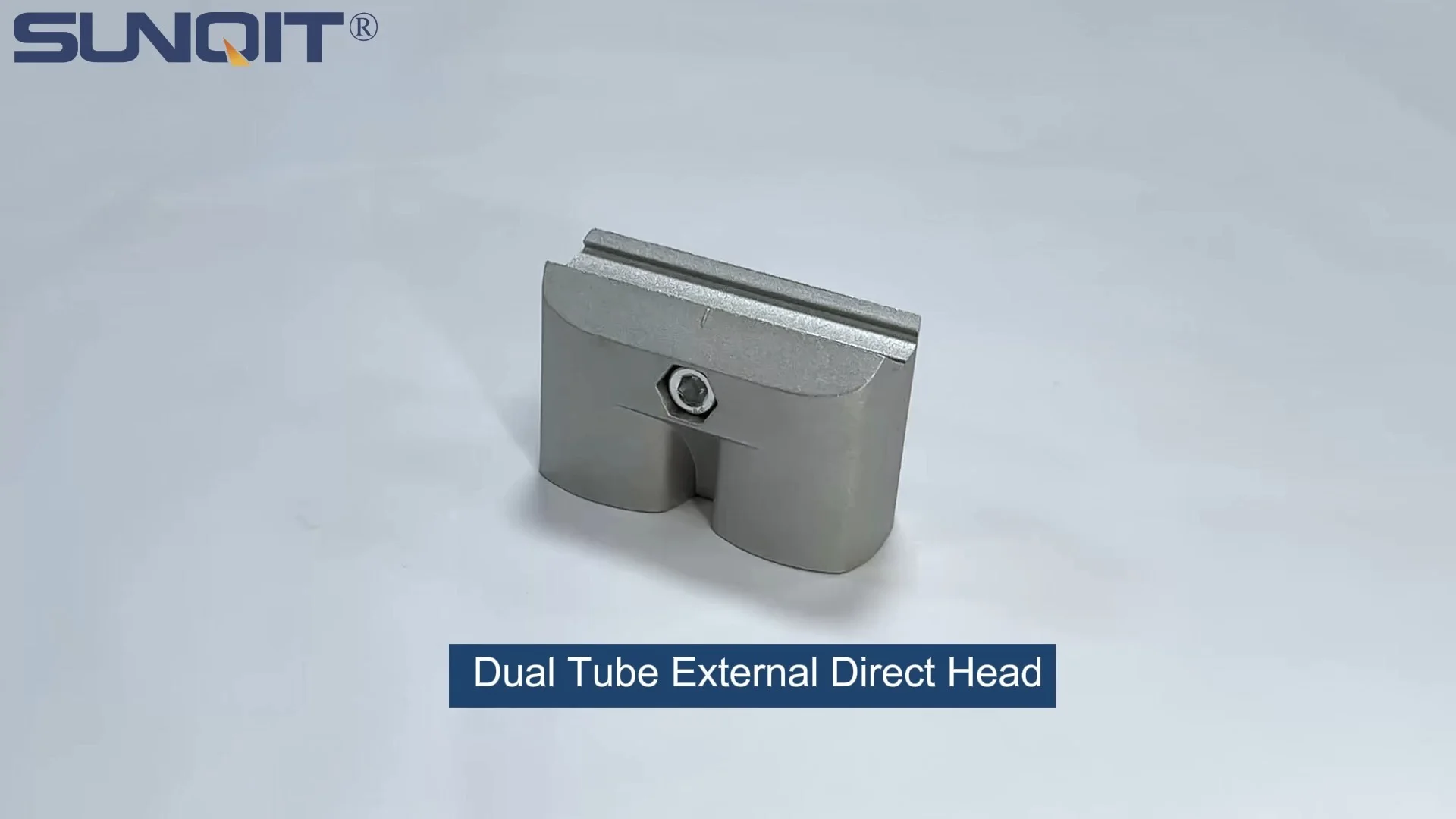
Duplex Aluminum Pipe Joint
Duplex Aluminum pipe joint used for one pcs 28pcs aluminum pipe and one pcs of 28mm duplex pipe connection in straight angle.
It's a typical Tuesday afternoon in your manufacturing facility. The assembly line is humming, orders are piling up, and your team is in the zone—until a loud clatter echoes across the floor. You rush over to find a section of your material handling rack has collapsed. The root cause? A cracked plastic joint that couldn't handle the weight of the components it was supporting. Now, production is halted, deadlines are at risk, and you're left wondering: Why didn't I invest in a more durable joint? For anyone managing a workshop, factory, or warehouse, the choice between pipe joints isn't just a minor detail. It's a decision that impacts daily operations, long-term costs, and the reliability of your entire setup. Today, we're diving deep into two popular options: duplex aluminum pipe joints and plastic joints. We'll break down their durability, performance, and real-world applications to help you answer the critical question: Which one is built to last?
Understanding the Contenders: What Are Duplex Aluminum Pipe Joints and Plastic Joints?
Before we compare their durability, let's get clear on what these joints actually are. At their core, both duplex aluminum pipe joints and plastic joints serve the same purpose: connecting pipes (like aluminum lean pipe or steel pipes) to build structures such as workbenches, material racks, conveyor systems, and turnover trolleys. But their materials and design set them worlds apart.
Duplex Aluminum Pipe Joints: Strength Meets Versatility
Duplex aluminum pipe joints are engineered from high-grade aluminum alloys, often blended with other metals to enhance strength and corrosion resistance. The term "duplex" here refers to their dual-layered or reinforced design, which adds extra stability compared to standard aluminum joints. These joints are typically used with aluminum lean pipe—a lightweight yet sturdy material common in lean manufacturing systems. What makes them stand out? Their rigid construction, precision engineering, and ability to form tight, secure connections that hold up under stress. They're also compatible with a range of aluminum profile accessories, making them adaptable to custom setups.
Plastic Joints: Lightweight and Low-Cost, But at What Price?
Plastic joints, on the other hand, are usually made from polymers like nylon, polypropylene, or ABS plastic. They're molded into various shapes to fit standard pipe sizes, and their biggest selling point is often their low upfront cost. Plastic joints are lightweight, easy to install (no need for special tools), and come in a variety of colors. They're commonly used in light-duty applications, such as temporary racks or low-weight workbenches. But here's the catch: plastic is inherently less rigid than metal, and its performance can degrade over time when exposed to heat, moisture, or heavy loads.
The Durability Showdown: Key Factors That Determine Longevity
Durability isn't just about "being strong." It's about how well a joint holds up under the daily grind—think heavy loads, constant movement, exposure to harsh environments, and the wear and tear of regular use. Let's break down the critical factors that separate duplex aluminum pipe joints from plastic joints in the long run.
1. Material Strength and Composition
The first battleground is material strength. Aluminum, even in its basic form, is significantly stronger than most plastics. Duplex aluminum pipe joints take this a step further by using alloy blends that boost tensile strength (the ability to resist breaking under tension) and impact resistance (the ability to withstand sudden shocks, like a dropped tool hitting the joint). For example, a standard duplex aluminum joint can have a tensile strength of 300-400 MPa (megapascals), while a typical plastic joint might max out at 50-80 MPa. What does that mean in real terms? Imagine hanging a 50kg box from a structure held together by plastic joints. Over time, the plastic will stretch and weaken, eventually failing. A duplex aluminum joint, however, would support that weight day in and day out without deforming.
Plastic joints also suffer from a phenomenon called "creep"—the gradual deformation of a material under constant stress. Even if the load isn't excessive, plastic will slowly stretch over months of use, loosening the connection between pipes. Aluminum, being a metal with a higher melting point and rigid atomic structure, doesn't creep. Once tightened, a duplex aluminum joint stays tight, maintaining the structural integrity of your setup.
2. Load-Bearing Capacity: How Much Weight Can They Handle?
When it comes to supporting weight, there's no contest. Let's look at some real-world numbers. A standard 1-inch plastic joint (common in light-duty racks) is typically rated for a maximum load of 10-15 kg per joint. Exceed that, and you risk cracks or complete failure. Duplex aluminum pipe joints, by contrast, are designed for heavy-duty use. A similar-sized duplex aluminum joint can handle 50-80 kg per joint—more than triple the load of plastic. For industrial settings where materials, tools, or finished products can weigh 20 kg or more, this difference is game-changing.
To put this in perspective, consider a material rack B (3 row and 3 floor) setup—a common structure in warehouses for storing components. If each shelf holds 100 kg, and each shelf is supported by 4 joints, plastic joints would be pushed to their limit (100 kg / 4 joints = 25 kg per joint, which exceeds their 15 kg rating). Over time, the plastic joints would bow, the shelves would sag, and eventually, the rack could collapse. With duplex aluminum joints (rated for 50 kg each), the same setup would be well within safe limits, ensuring stability for years.
| Factor | Duplex Aluminum Pipe Joint | Plastic Joint | |
|---|---|---|---|
| Tensile Strength | 300-400 MPa | 50-80 MPa | |
| Max Load per Joint (1-inch size) | 50-80 kg | 10-15 kg | |
| Resistance to Creep | Excellent (no deformation under constant stress) | Poor (gradual stretching over time) | |
| Impact Resistance | High (withstands sudden shocks without cracking) | Low (prone to chipping or breaking on impact) |
3. Resistance to Environmental Stressors: Moisture, Heat, and Chemicals
A joint's durability isn't just about weight—it's also about how it holds up in the environment where it's used. Factories and warehouses are rarely "ideal" conditions. There's moisture from washdowns, heat from machinery, and chemicals from cleaning agents or lubricants. Let's see how each joint fares.
Moisture:
Plastic joints are hydrophilic, meaning they absorb water over time. In humid environments or areas with regular cleaning (like food processing facilities or electronics workshops), plastic joints can swell, crack, or develop mold. This isn't just a cosmetic issue—swelling loosens the joint's grip on the pipe, while cracking weakens its structure. Duplex aluminum pipe joints, on the other hand, are naturally resistant to moisture. Many are also treated with anti-corrosive coatings (like anodization) to prevent rust, making them ideal for damp environments. Even in outdoor setups exposed to rain, aluminum joints will outlast plastic ones by years.
Heat:
Plastics have low melting points and can soften or warp when exposed to high temperatures. A plastic joint near a heat source (like a welding station or industrial oven) might start to deform at 60-80°C. Duplex aluminum, however, has a melting point of over 600°C, so it's unaffected by typical factory heat. This makes aluminum joints a must for settings where temperature fluctuations are common.
Chemicals:
Factories use a range of chemicals—degreasers, solvents, sanitizers—that can eat away at plastic. For example, a plastic joint exposed to mineral oil (used in machinery lubrication) might become brittle within months. Duplex aluminum pipe joints, being metal, are far more chemical-resistant. They can withstand exposure to oils, mild acids, and cleaning agents without degrading, making them suitable for automotive, aerospace, and manufacturing environments where chemicals are part of daily operations.
4. Wear and Tear from Daily Use
In a busy facility, joints take a beating. Pipes are adjusted, structures are reconfigured, and tools or materials accidentally bump into them. How do duplex aluminum and plastic joints hold up to this daily wear?
Plastic joints are prone to "wear fatigue." Every time you adjust a pipe (to reconfigure a workbench, for example), the plastic threads or locking mechanisms wear down. Over time, they lose their ability to grip the pipe tightly, leading to wobbly structures. They're also susceptible to scratches and dents from impacts, which can weaken the joint further. Duplex aluminum pipe joints, with their metal construction, are much more resistant to wear. Their threads are precise and durable, so you can adjust pipes dozens of times without losing grip. And while aluminum can scratch, the scratches don't compromise the joint's structural integrity—unlike plastic, which can crack along scratch lines.
Consider a common scenario: a turnover trolley used to transport parts across the factory floor. The joints on this trolley are constantly jostled as the trolley moves over uneven surfaces. A plastic-jointed trolley might start to wobble after a few months, with joints that need constant retightening. An aluminum-jointed trolley, however, will stay stable for years, even with daily use.
5. Maintenance Needs: Time and Effort
Durability isn't just about how long a joint lasts—it's also about how much work you have to put in to keep it functional. Plastic joints require frequent maintenance. Because they stretch, creep, and degrade, you'll need to check them regularly for looseness, cracks, or deformation. In high-use areas, this might mean weekly inspections and monthly replacements of worn joints. Duplex aluminum pipe joints, by contrast, are low-maintenance. Their rigid construction and resistance to wear mean you can inspect them quarterly (or even semi-annually) and rarely need to replace them. When maintenance is needed, it's often as simple as retightening a bolt—no need for special tools or replacement parts.
For lean manufacturing systems, this low maintenance is a huge win. Lean principles focus on eliminating waste, and downtime for joint repairs or replacements is a form of waste. By choosing duplex aluminum pipe joints, you reduce the time your team spends on upkeep, freeing them to focus on more critical tasks.

Real-World Applications: Where Each Joint Shines (and Struggles)
To truly understand durability, we need to look at how these joints perform in real settings. Let's explore a few common applications and see which joint comes out on top.
Automotive Manufacturing: Heavy Loads and Harsh Chemicals
Automotive plants are tough environments. They involve heavy components (engine parts, frames), constant movement of materials, and exposure to oils, greases, and cleaning solvents. In this setting, plastic joints quickly fail. A plastic joint holding a rack of engine blocks (each weighing 30-40 kg) would bow within weeks, and exposure to motor oil would make it brittle. Duplex aluminum pipe joints, however, thrive here. They support the weight, resist the chemicals, and stand up to the daily hustle of the production line. Many automotive manufacturers now specify aluminum joints for their material handling racks and assembly workbenches for this very reason.
Electronics Workshops: ESD Safety and Precision
Electronics manufacturing requires static control (ESD protection) and precision. While some plastic joints are ESD-rated, their durability remains an issue. An ESD workbench in a electronics plant might hold sensitive circuit boards and tools. Over time, the plastic joints supporting the bench would loosen, causing the surface to wobble—risking damage to delicate components. Duplex aluminum pipe joints, when paired with ESD-compliant accessories, provide a stable, long-lasting base for ESD workstations. They don't generate static, and their rigidity ensures the workbench stays level for years.
Food Processing: Washdowns and Sanitization
Food processing facilities require strict hygiene, which means daily washdowns with hot water and sanitizing chemicals. Plastic joints here are a liability. The constant moisture causes them to swell, and the chemicals break down their structure. A plastic-jointed material rack in a bakery might need replacement every 6-12 months. Duplex aluminum pipe joints, especially those with stainless steel components or anti-corrosive coatings, are built for this environment. They withstand daily washdowns, resist rust, and maintain their strength—often lasting 5+ years in food processing settings.

Cost vs. Longevity: The Hidden Price of "Cheap" Joints
At this point, you might be thinking: "Duplex aluminum pipe joints sound great, but aren't they more expensive than plastic?" It's true—aluminum joints have a higher upfront cost. A single duplex aluminum joint might cost $5-10, while a plastic joint could be $1-3. But durability isn't just about upfront cost; it's about total cost of ownership (TCO). Let's crunch the numbers.
Suppose you build a simple material rack using 20 joints. With plastic joints: upfront cost = 20 joints x $2 = $40. But if those plastic joints need replacement every 6 months (a common lifespan in medium-use settings), you'll spend $40 every 6 months. Over 5 years, that's $400. With duplex aluminum joints: upfront cost = 20 joints x $7 = $140. If they last 5 years (a conservative estimate), your total cost over 5 years is $140. That's a savings of $260—and that doesn't include the cost of downtime from replacing joints or the labor hours spent on maintenance. When you factor in those hidden costs, aluminum joints are far more economical in the long run.
For lean system suppliers and manufacturers focused on efficiency, this TCO advantage is critical. Wasting money on frequent replacements and downtime contradicts the lean principle of eliminating waste. By investing in durable joints, you align your setup with lean goals while saving money over time.

The Verdict: Duplex Aluminum Pipe Joints Are Built to Last
After examining load capacity, environmental resistance, wear and tear, maintenance, and cost, the conclusion is clear: duplex aluminum pipe joints are far more durable than plastic joints. They handle heavier loads, resist moisture, heat, and chemicals, stand up to daily wear, and require minimal maintenance. While plastic joints may be cheaper upfront, their short lifespan and high maintenance needs make them a costly choice in the long run.
So, when should you choose plastic joints? Only in very light-duty, low-moisture, and low-heat settings—like a temporary display rack or a hobby workshop where the setup is rarely used. For industrial, commercial, or high-use applications, duplex aluminum pipe joints are the way to go. They're not just a purchase; they're an investment in the reliability and efficiency of your operation.
The next time you're setting up a workbench, material rack, or conveyor system, remember that the joints holding it all together are the unsung heroes of your setup. Choose wisely, and you'll avoid the frustration of collapsed structures, missed deadlines, and wasted money. Choose duplex aluminum pipe joints, and build something that lasts.