- Company Articles
- Products and Technology
- Product knowledge
- Duplex Aluminum Pipe Joint vs. Stainless Steel Joints: Pros & Cons

Duplex Aluminum Pipe Joint vs. Stainless Steel Joints: Pros & Cons
Related Product
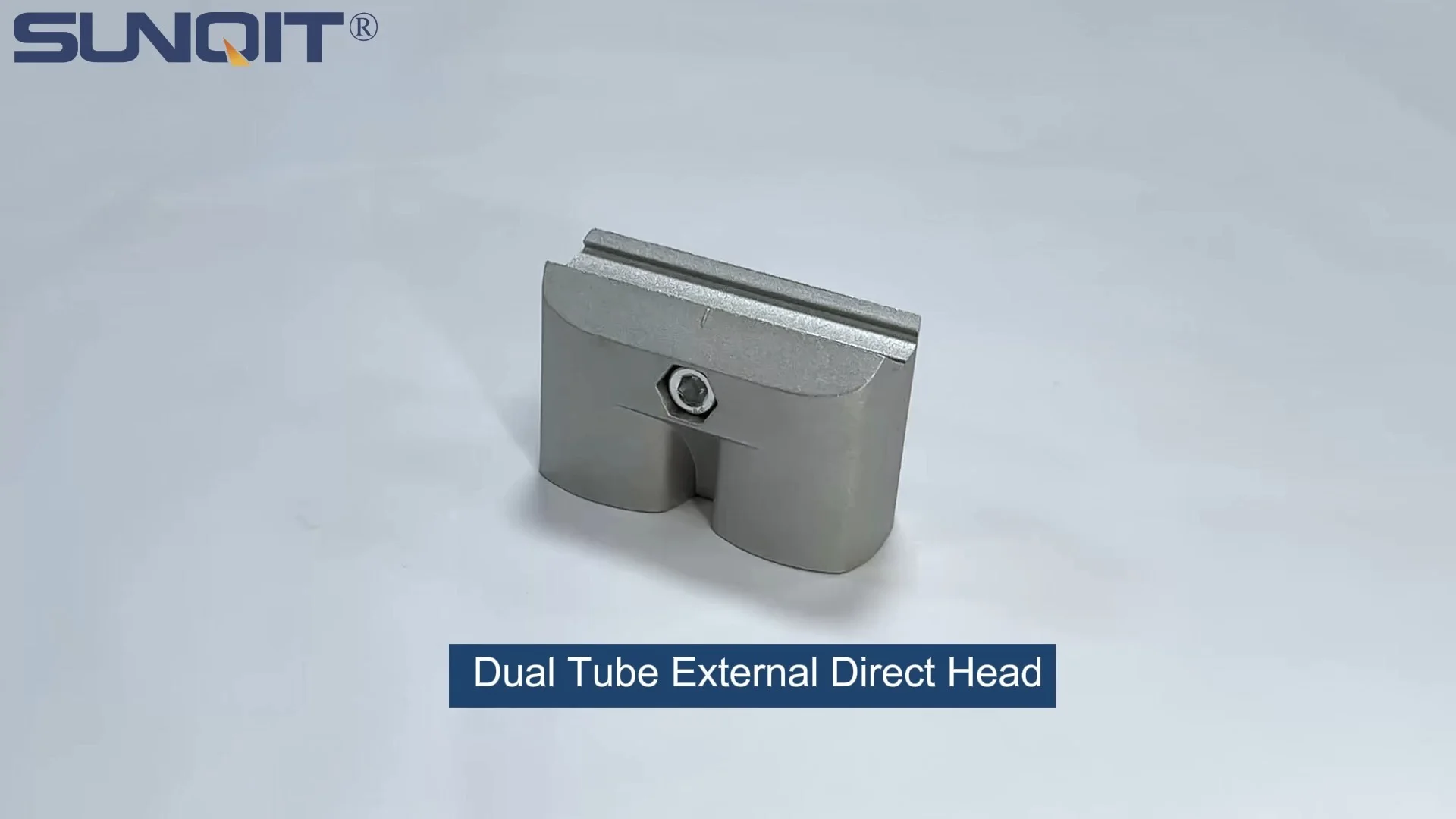
Duplex Aluminum Pipe Joint
Duplex Aluminum pipe joint used for one pcs 28pcs aluminum pipe and one pcs of 28mm duplex pipe connection in straight angle.
Walk into any modern manufacturing facility, warehouse, or assembly line, and you'll quickly spot the backbone of efficient operations: the structures that hold everything together. From the workbenches where technicians assemble delicate electronics to the roller tracks that glide components across the floor, every part relies on one unsung hero: the joint. These small, often overlooked connectors are the difference between a wobbly, inefficient setup and a smooth, lean system that keeps production humming. Today, we're diving into two heavyweights in the joint world: duplex aluminum pipe joints and stainless steel joints. Whether you're a plant manager upgrading your facility, a small business owner setting up a new workspace, or just curious about what makes your local factory run, this guide will break down their pros, cons, and which one might be right for your needs.
First Things First: What Are These Joints, Anyway?
Before we compare, let's get clear on what we're talking about. Duplex aluminum pipe joints are part of the broader family of aluminum pipe accessories—they're designed to connect aluminum pipes (think lightweight, silver-colored tubes) into structures like workbenches, material racks, or roller tracks. These joints are often made from aluminum alloys, sometimes with plastic or rubber components, and they're prized for their flexibility and ease of assembly. On the flip side, stainless steel joints belong to the stainless steel pipe series, crafted from corrosion-resistant steel alloys (hence the "stainless" name). They're the tough, no-nonsense option, built to handle heavy loads and harsh environments.
But why does the choice between them matter? Because the right joint doesn't just hold pipes together—it impacts everything from how quickly you can set up a new line to how much you'll spend on maintenance five years down the road. Let's break it down.
Material Matters: Aluminum vs. Stainless Steel
At the core of any joint's performance is its material. Let's start with duplex aluminum pipe joints. Aluminum is naturally lightweight—about a third the weight of steel—which makes these joints a dream for anyone who needs to move or reconfigure structures often. Imagine rearranging a workbench to accommodate a new product line: with aluminum joints, you and a colleague can lift and adjust without straining your backs. Aluminum also resists rust and corrosion, thanks to a thin oxide layer that forms on its surface. That's a big plus in environments with moisture, like food processing plants or warehouses near the coast.
But aluminum isn't all sunshine and rainbows. While it's strong for its weight, it's not as tough as stainless steel. If you're building a structure that needs to support extremely heavy loads—think stacks of metal parts or industrial machinery—aluminum joints might flex or warp over time. They're also softer, so repeated friction (like parts sliding across a roller track) can wear down their edges faster than stainless steel.
Now, stainless steel joints. Stainless steel is an alloy of iron, chromium, and often nickel, which gives it that signature strength and resistance to corrosion. These joints are built to last in rough conditions: chemical exposure, high temperatures, even heavy impacts. In automotive factories, where metal parts are constantly being moved and dropped, stainless steel joints hold up year after year without bending. They're also non-porous, which makes them easy to clean—critical in industries like pharmaceuticals or medical device manufacturing, where hygiene is non-negotiable.
The downside? Weight. Stainless steel is dense, so structures built with these joints are heavier and harder to move. If your team needs to reconfigure a production line weekly, those extra pounds add up. Stainless steel is also more expensive upfront, which can sting for small businesses or startups watching their budgets.

Installation & Flexibility: Which Joint Lets You Adapt Fast?
In today's fast-paced manufacturing world, adaptability is key. A lean system thrives on being able to pivot quickly—adding a new workbench, extending a roller track, or rearranging a material rack to meet sudden demand. How do aluminum and stainless steel joints stack up here?
Duplex aluminum pipe joints are all about ease. Most aluminum pipe accessories, including these joints, are designed with T-slots or quick-connect mechanisms. That means you can assemble a basic workbench in minutes with just a hex key—no welding, no heavy tools, no calling in a specialist. Need to adjust the height of a shelf? Loosen a few screws, slide the joint, and tighten. It's that simple. This flexibility is a game-changer for small-batch production or industries where product lines change frequently, like electronics or custom furniture.
Stainless steel joints, on the other hand, often require more effort to install. Many are welded or bolted into place, which means you'll need power tools or a professional welder. Once they're fixed, they're hard to adjust—great if you need a permanent structure, but a headache if you want to tweak things later. That said, some modern stainless steel pipe series do offer modular joints with bolts or clamps, but even those take longer to assemble than their aluminum counterparts.
Here's a real-world example: A local electronics manufacturer I worked with once needed to add three new workbenches in a week to meet a rush order. They used aluminum joints and aluminum pipe accessories, and their team of four had the entire setup ready in under a day. If they'd gone with stainless steel, they would have needed to hire a welder and wait days for the joints to cool and set. For lean operations, that kind of speed can mean the difference between meeting a deadline and losing a client.

Cost: Short-Term Savings vs. Long-Term Investment
Let's talk numbers. Duplex aluminum pipe joints are generally cheaper upfront than stainless steel. Aluminum is more abundant and easier to process, so manufacturers can price these joints lower. For example, a basic aluminum joint might cost $5–$10, while a comparable stainless steel joint could be $15–$25. If you're building a large structure with dozens of joints, that difference adds up fast.
But cost isn't just about the initial purchase. You also need to factor in maintenance and lifespan. Aluminum joints, while corrosion-resistant, can wear down faster in high-friction environments. If you're using them on a roller track that sees thousands of parts sliding through daily, you might need to replace worn joints every 2–3 years. Stainless steel joints, though pricier upfront, can last 5–10 years or more under the same conditions. They're also less likely to need repairs—no tightening loose screws or replacing cracked plastic components (common in some aluminum accessories).
Then there's the cost of labor. As we mentioned earlier, aluminum joints are faster to install, which means lower labor costs. Stainless steel installations might require specialized workers (like welders), which cost more per hour. Over time, though, stainless steel's durability can offset those higher upfront costs. It's a classic trade-off: save money now with aluminum, or invest in stainless steel for long-term reliability.

Applications: When to Choose Aluminum, When to Choose Stainless Steel
There's no one-size-fits-all answer—your choice depends on what you're building and where. Let's break down the best use cases for each:
Duplex Aluminum Pipe Joints Shine When:
- You need portability or frequent reconfiguration: Think mobile workbenches, temporary material racks, or roller tracks that need to be moved seasonally.
- Weight is a concern: If your structure needs to be lightweight (e.g., overhead racks, carts pushed by hand), aluminum's low density is a huge advantage.
- You're on a tight budget: Startups or small businesses with limited capital will appreciate the lower upfront costs.
- Corrosion is a minor issue: Indoors, in dry environments (like offices or cleanrooms), aluminum holds up well.
Stainless Steel Joints Are Better For:
- Heavy loads or high impact: Industrial machinery bases, outdoor storage racks, or structures that hold metal parts.
- Harsh environments: Factories with chemicals, moisture, or extreme temperatures (like food processing or marine facilities).
- Permanent structures: If you don't plan to move or adjust the setup, stainless steel's rigidity is a plus.
- Hygiene-critical areas: Hospitals, labs, or pharmaceutical plants, where stainless steel's non-porous surface is easy to sanitize.
For example, a brewery I consulted for uses stainless steel joints in their fermentation rooms—chemicals from cleaning solutions and high humidity would corrode aluminum quickly. But in their packaging area, where they rearrange conveyor belts monthly, they use aluminum joints and aluminum pipe accessories for flexibility.
A Side-by-Side Comparison
| Feature | Duplex Aluminum Pipe Joints | Stainless Steel Joints |
|---|---|---|
| Weight | Lightweight (1/3 the weight of steel) | Heavy (dense, durable) |
| Corrosion Resistance | Good (oxide layer protection) | Excellent (chromium alloy) |
| Installation Time | Fast (modular, no welding) | Slow (often welded or bolted) |
| Upfront Cost | Lower ($5–$10 per joint) | Higher ($15–$25 per joint) |
| Lifespan | 2–3 years (high-friction use) | 5–10+ years (high-friction use) |
| Best For | Mobile setups, lean systems, tight budgets | Heavy loads, harsh environments, permanent structures |
The Verdict: Which Joint Is Right for You?
At the end of the day, the choice between duplex aluminum pipe joints and stainless steel joints comes down to your priorities. If you need something lightweight, easy to install, and budget-friendly—especially for a lean system that changes often—aluminum is the way to go. Its flexibility and speed make it ideal for small businesses, startups, or anyone who values adaptability.
But if you're building for the long haul—heavy loads, harsh conditions, or permanent structures—stainless steel is worth the investment. It's tough, low-maintenance, and built to outlast aluminum in the most demanding environments.
And remember, you don't have to choose one or the other. Many facilities mix and match: aluminum joints for workbenches and roller tracks that need reconfiguring, and stainless steel for permanent material racks or outdoor storage. The key is to assess your specific needs—load capacity, environment, budget, and how often you'll adjust things—and then pick the joint that fits.
Whether you go with aluminum pipe accessories or a stainless steel pipe series, the right joint will keep your operations running smoothly, your team productive, and your bottom line healthy. After all, in the world of manufacturing, it's the small parts that hold the big picture together.