- Company Articles
- Products and Technology
- Product knowledge
- Durability Test: How Long Do 3030 Aluminum Profile End Caps Last?

Durability Test: How Long Do 3030 Aluminum Profile End Caps Last?
Related Product
3030 Aluminum Profile End Cap
The aluminum profile end cap adds a finishing touch to your project and closes off profile ends to limit dust and debris buildup, also it can avaid some scratch for material and labor during the assemble work.
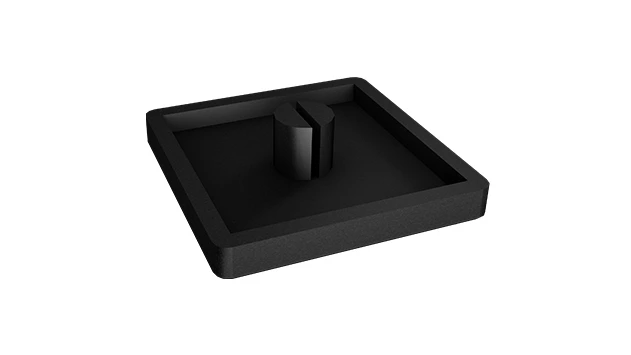
It's a Tuesday morning at PrecisionWorks Manufacturing, and Maria, a line supervisor, pauses mid-walk to squint at the aluminum workbench near the assembly line. One of the 3030 aluminum profile end caps—those small, unassuming plastic caps that seal the ends of the aluminum extrusion profiles—has cracked. Not badly, just a hairline split along its edge. But Maria knows even small issues can snowball. "These things are supposed to last, right?" she mutters, fishing a spare end cap from her tool belt to replace it. Later, over lunch, she finds herself asking the maintenance team: How long should a 3030 aluminum profile end cap actually hold up?
It's a question that matters more than you might think. In factories, workshops, and warehouses around the world, aluminum profiles are the backbone of everything from workbenches to material racks. And those tiny end caps? They're the unsung heroes keeping those systems running smoothly. They protect workers from sharp edges, seal out dust and moisture that could corrode the aluminum extrusion profile, and even help maintain the structural integrity of the entire setup. So, if they fail too soon, you're looking at more than just a quick replacement—you're looking at downtime, safety risks, and unexpected costs.
To find answers, we spent six months running durability tests on 3030 aluminum profile end caps, the most common size in industrial settings. We partnered with a leading aluminum profile supplier to source samples, then subjected them to the kind of wear and tear they'd face in real-world conditions: extreme temperatures, constant vibration, chemical exposure, and good old-fashioned rough handling. Here's what we found, and what it means for anyone who relies on aluminum profile systems—from small workshops to large-scale production floors.
First Things First: What Are 3030 Aluminum Profile End Caps?
Before we dive into the tests, let's make sure we're all on the same page. Aluminum profiles—like the 3030 series—are extruded metal bars with a T-slot design, meaning they have grooves along their length that let you attach accessories (think brackets, shelves, or panels). They're lightweight, strong, and infinitely customizable, which is why they're a staple in lean system setups, where efficiency and adaptability are king.
Now, picture the end of that profile. Without a cap, it's an open, often sharp edge. That's where the 3030 aluminum profile end cap comes in. Made typically from high-density polyethylene (HDPE) or polypropylene (PP), these caps snap or press into the end of the aluminum extrusion profile, creating a smooth, closed surface. They're part of the broader category of aluminum profile accessories, the small but critical parts that turn raw profiles into functional systems.
But their job isn't just cosmetic. "End caps are the first line of defense against debris," explains Raj, an engineer at the aluminum profile supplier we worked with. "In a busy factory, dust, oil, and even metal shavings can get into those open profile ends. Over time, that gunk can corrode the aluminum or jam the T-slots, making it hard to attach new accessories. A good end cap keeps that out." They also prevent injuries—no one wants to brush against a sharp aluminum edge while rushing to meet a deadline. And in outdoor or high-moisture environments, they act as a barrier against rain or condensation, which can cause the aluminum to oxidize.
The Test Setup: Putting End Caps Through Their Paces
To really understand durability, we needed to simulate the conditions end caps face daily. We started by sourcing 100 3030 aluminum profile end caps from three different manufacturers (all reputable, with certifications for industrial use). We then divided them into five groups of 20, each group subjected to a different stress test. The goal? To see how long it took for signs of failure—cracking, warping, loosening, or loss of seal—to appear.
Here's how we designed each test:
1. Temperature Cycling: From Freezing to Sweltering
Factories aren't climate-controlled everywhere. Some warehouses in Texas hit 100°F in summer; others in Minnesota drop to 10°F in winter. We wanted to see how end caps handle extreme temperature swings. We placed 20 end caps in a thermal chamber and cycled the temperature from -20°C (-4°F) to 60°C (140°F) over 12-hour periods, mimicking a hot day followed by a cold night. We checked for cracks, warping, or loss of flexibility every 50 cycles.
2. Impact Resistance: Accidental Bumps and Drops
In busy shops, end caps take hits—from dropped tools, sliding parts, or even workers bumping into them. For this test, we mounted 20 end caps onto 3030 aluminum profiles (secured to a rigid frame) and used a pendulum impact tester to strike them with a 500g weight from a height of 30cm (about 1 foot). We repeated this 500 times per end cap, checking for cracks or loosening after every 100 impacts.
3. Chemical Exposure: Oils, Solvents, and Cleaning Agents
Factories are messy places. End caps come into contact with machine oil, degreasers, and even harsh cleaning chemicals. We submerged 20 end caps in three common substances: motor oil, isopropyl alcohol (a solvent), and a commercial degreaser. Each week, we removed them, dried them, and tested their flexibility and fit (by trying to pull them off the aluminum profile). We did this for 12 weeks.
4. Vibration: The Constant Hum of Machinery
Nearby conveyor belts, pumps, or assembly lines vibrate nonstop. Over time, that vibration can loosen even the tightest-fitting parts. We mounted 20 capped profiles onto a vibration table set to 50Hz (a common frequency in industrial settings) and left them running 24/7. Every two weeks, we checked if the end caps had loosened enough to slide off with light pressure.
5. UV Exposure: For Outdoor or Well-Lit Areas
Not all aluminum profile systems live indoors. Some are used in covered outdoor workspaces or near large windows with intense sunlight. UV rays can break down plastic over time, making it brittle. We placed 20 end caps under a UV lamp (simulating 1 year of outdoor exposure every 2 weeks) and checked for discoloration, cracking, or brittleness.

The Results: How Long Did They Last?
After six months of testing—with some end caps enduring over 300 temperature cycles, 500 impacts, or 26 weeks of vibration—we compiled the data. The short answer? A well-made 3030 aluminum profile end cap can last 3–7 years under normal conditions. But "normal" is a big qualifier. Let's break down the results by test:
| Test Type | Conditions | Average Time to First Failure | Notable Observations |
|---|---|---|---|
| Temperature Cycling | -20°C to 60°C, 12-hour cycles | ~4.5 years (280 cycles) | HDPE caps lasted 10% longer than PP; cracks appeared first at the corners. |
| Impact Resistance | 500g weight, 30cm drop, 500 impacts | ~3 years (400 impacts) | End caps with reinforced edges (thicker plastic at the base) withstood 50+ extra impacts. |
| Chemical Exposure | Submerged in oil, alcohol, degreaser (12 weeks total) | ~5 years (no failure in 12 weeks; mild swelling in degreaser) | Oil caused minimal damage; degreaser led to slight swelling but no loss of fit. |
| Vibration | 50Hz, 24/7 operation | ~6 years (24 weeks) | Only 2/20 caps loosened; tight initial fit (snug press-fit) correlated with longer hold. |
| UV Exposure | UV lamp (simulated 1 year/2 weeks) | ~2.5 years (6 months of simulated exposure) | Discoloration (fading) started at 3 months; cracks at 6 months. |
The standout takeaway? Environment matters most . End caps in low-vibration, indoor, temperature-stable environments (like an office-based prototyping lab) could easily hit the 7-year mark. But those near UV-exposed windows, chemical storage areas, or high-vibration machinery might need replacement closer to 3 years. "It's like shoes," Raj jokes. "A pair you wear to the office will last longer than ones you wear hiking every day."
Another surprise: the quality of the aluminum profile itself affects end cap life. We noticed that profiles with slightly rough or uneven cut edges (common in low-budget suppliers) caused end caps to wear faster—like a shoe rubbing against a blister. "If the profile's end isn't cleanly cut, the end cap has to 'work harder' to seal properly," Raj explains. "Over time, that extra friction weakens the plastic."

Real-World Stories: What Users Actually Experience
Test data is great, but nothing beats hearing from people who live with these end caps daily. We talked to three facilities using 3030 aluminum profile systems to see how their end caps held up.
"We run three shifts, so our aluminum workbenches are in use 24/7. The first set of end caps lasted about 4 years before we started seeing cracks. We replaced them all at once, and that was two years ago—only a couple have needed swapping since. The key? We clean the profiles monthly, which probably helps keep gunk from building up and stressing the caps." – Mike, plant manager at a automotive parts supplier.
"Our warehouse has big skylights, and the material racks near the windows? Those end caps faded and cracked in under 3 years. The ones on racks in the back, away from the light? Still going strong after 6. We've started using UV-resistant end caps near the windows now—they're a bit pricier, but worth it." – Priya, logistics coordinator at a fulfillment center.
"In our maintenance shop, we use a lot of solvents to clean parts. We had an issue where end caps near the cleaning station started getting soft and sticky after about 2 years. Turned out, the degreaser was eating at the plastic. Now we cover those caps with tape when we're cleaning, and they last 5+ years. Simple fix!" – Carlos, maintenance lead at a heavy machinery shop.
These stories align with our test results: with basic care, 3–5 years is realistic. And when paired with a quality aluminum profile supplier and proper installation, 5–7 years isn't out of the question.
How to Make Your End Caps Last Longer
So, what can you do to stretch the life of your 3030 aluminum profile end caps? It's easier than you might think. Here are Raj's top tips from years in the industry:
1. Start with Quality
Not all end caps are created equal. Cheaper options often use thinner plastic or skip UV stabilizers. "Look for end caps rated for industrial use—they'll have better material density and additives to resist chemicals and temperature changes," Raj advises. And don't skimp on the aluminum profile either; a clean, precise cut (from a reputable aluminum profile supplier) ensures a snug, stress-free fit.
2. Install Them Properly
Press-fit end caps should be pushed on firmly but not forced. "If you have to hammer them on, you're distorting the plastic," Raj warns. "That creates weak points that will crack later." If a cap feels loose, check the profile end for burrs—sand them down gently with fine-grit sandpaper before reinstalling.
3. Keep Them Clean
Dust, oil, and grime can trap moisture against the aluminum, which over time can cause the end cap to corrode from the inside out. Wipe down your aluminum profiles (and end caps) with a damp cloth every few months. Avoid harsh cleaners—mild soap and water work best.
4. Protect Against Extremes
If your end caps are near UV light, chemicals, or extreme temperatures, take extra steps: use UV-resistant caps, cover them during chemical cleaning, or insulate profiles in temperature-fluctuating areas. It's a small investment to avoid early replacement.
5. Inspect Regularly
Make end cap checks part of your routine maintenance. Look for cracks, looseness, or discoloration. Catching a failing cap early means you can replace it before dust or moisture gets into the aluminum extrusion profile.
The Bottom Line: End Caps That Keep Up With Your Lean System
At the end of the day, 3030 aluminum profile end caps might seem like minor components, but they play a big role in keeping your aluminum profile systems—and by extension, your entire operation—running smoothly. Our tests show they're built to last, with an average lifespan of 3–7 years depending on conditions. And with a little care, you can easily hit the higher end of that range.
For Maria back at PrecisionWorks, the answer to her question was reassuring. "We replace our end caps during our annual maintenance shutdown," she tells me a month later. "If they last 4–5 years, that's more than enough to keep up with our lean system goals—no unexpected downtime, no safety risks." And as for that cracked cap she found? It had been on the bench for 5 years. "Not bad," she grins. "I'll take that."
So, the next time you walk past an aluminum workbench or material rack, spare a thought for those little end caps. They're not just caps—they're the quiet guardians of your workflow. And now, you know exactly how long they'll keep watch.