- Company Articles
- Products and Technology
- Product knowledge
- Dust-Proof Plastic Pipe End Caps: Maintaining Cleanliness in Medical Device Production

Dust-Proof Plastic Pipe End Caps: Maintaining Cleanliness in Medical Device Production
Related Product
Plastic pipe end cap
Plastic pipe cover, used for 28mm two end cover and protection, to avoid any scratch from sharp metal surface.
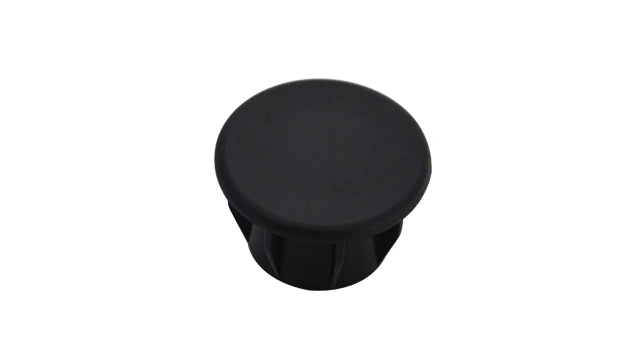
How a small component plays a big role in keeping sterile environments safe, efficient, and compliant
The Stakes of Cleanliness in Medical Device Production
Walk into any medical device production facility, and you'll feel it immediately—the quiet hum of precision. Technicians in sterile gowns huddle over workbenches, assembling components smaller than a grain of rice, while conveyor belts glide past with trays of syringes, pacemakers, or insulin pumps. In this world, "clean" isn't just a preference; it's a lifeline. A single speck of dust, a stray fiber, or a rogue particle can compromise a device's functionality, risk patient health, and even lead to costly recalls.
But here's the thing: maintaining that level of cleanliness isn't just about HEPA filters and daily sanitization checks. It's about the details—the tiny, often overlooked components that make up the production line itself. Take, for example, the aluminum profiles and pipes that form the backbone of workbenches, material racks, and conveyor systems. Left unsealed, their open ends can become silent traps for dust, moisture, and debris, which over time, can dislodge and contaminate the very devices being built. That's where dust-proof plastic pipe end caps come in. These unassuming little caps might not grab headlines, but for production teams, they're unsung heroes in the fight against contamination.
What Are Dust-Proof Plastic Pipe End Caps, and Why Do They Matter?
At first glance, a plastic pipe end cap might seem simple: a small, molded piece designed to fit snugly over the end of a pipe or tube. But in medical manufacturing, "simple" is often code for "critical." Dust-proof plastic end caps are engineered to do one job exceptionally well: seal off the open ends of pipes, preventing dust, liquids, and airborne particles from entering and collecting inside.
Made from durable, chemical-resistant plastics like polyethylene or polypropylene, these caps are designed to withstand the harsh cleaning agents used in medical facilities—think isopropyl alcohol, hydrogen peroxide, or industrial-grade disinfectants—without cracking, warping, or leaching harmful substances. They're also lightweight, easy to install (no special tools required), and compatible with a range of pipe sizes, from the thin aluminum tubes in workbench frames to the sturdier pipes in material racks.
But their real value lies in their ability to stop contamination at the source. Imagine a workbench used to assemble surgical scalpels. The bench's frame is built from aluminum profiles, with exposed pipe ends that, over weeks of use, accumulate dust and lint. Every time the bench is cleaned, or even bumped during a shift change, that debris could shake loose and land on the scalpels below. Now, add a dust-proof plastic end cap to those pipes. Suddenly, the entry point for contaminants is sealed. No more hidden dust traps. No more surprises during inspections. Just a clean, closed system that works with the team, not against them.

Integrating with Lean Systems: Efficiency Meets Cleanliness
Medical device manufacturers don't just care about cleanliness—they care about efficiency, too. That's why so many adopt lean systems, a methodology focused on eliminating waste, streamlining workflows, and maximizing value. Lean principles teach that every component in a production line should serve a purpose; if it doesn't add value, it's waste. So where do dust-proof plastic pipe end caps fit into this? They're a textbook example of "lean thinking" in action.
Consider this: Without end caps, production teams spend extra time cleaning out pipe ends during routine maintenance. They might use compressed air to blow out dust, or (Q-tips) to scrub inside tubes—tasks that take time away from assembling devices. Over weeks and months, those minutes add up to hours of lost productivity. Dust-proof end caps eliminate that waste. Once installed, they require almost no maintenance, freeing up technicians to focus on what matters: building safe, high-quality devices.
Lean systems also emphasize standardization, and dust-proof end caps deliver there, too. By using the same cap design across all pipes in a facility—whether on a workbench, a conveyor, or a material rack—teams reduce variability. There's no guesswork about which cap fits which pipe, no hunting for mismatched parts, and no risk of using a subpar, non-dust-proof alternative. It's consistency that keeps the line running smoothly.

Workbenches: The Frontline for End Cap Impact
If you want to see dust-proof end caps in action, look no further than the workbench—the heart of medical device assembly. Most modern workbenches in these facilities are built using aluminum profiles, lightweight yet sturdy frames that can be customized with shelves, tool holders, and lighting. These profiles are often hollow, with open ends that, without caps, act like tiny chimneys, drawing in dust from the air and trapping it inside.
For a technician assembling a pacemaker, that's a problem. Every time they reach across the workbench, or the bench is jostled, dust from those open pipes could fall onto the delicate electronics they're handling. With dust-proof plastic end caps, though, the workbench becomes a closed, clean surface. The caps seal off the aluminum profile ends, making the entire bench easier to wipe down and sanitize. No more dust bunnies hiding in pipe corners, no more last-minute swabbing before a critical assembly step.
Maria, a production lead at a mid-sized medical device company in Minnesota, put it best: "We used to have a rule: before starting a shift, everyone had to check their workbench's pipe ends and clean them out. It took 10 minutes per person, and half the time, we'd miss a spot. Since switching to these dust-proof caps? We haven't had a single contamination issue traced to a workbench pipe in two years. Our team spends that 10 minutes on actual assembly now. That adds up to hundreds of more devices built per month—all because of a cap that costs less than a cup of coffee."
Comparing the Options: Why Plastic (and Dust-Proof) Stands Out
Not all pipe end caps are created equal. In non-medical settings, you might see generic plastic caps, metal plugs, or even makeshift solutions like tape. But in medical manufacturing, those options fall short. Let's break down why dust-proof plastic end caps are the gold standard:
| Feature | Dust-Proof Plastic End Caps | Generic Plastic Caps | Metal Plugs |
|---|---|---|---|
| Dust Resistance | Sealed design prevents 99% of airborne particles | Loose fit; allows dust ingress over time | May have gaps; rust can flake off, creating new contaminants |
| Chemical Compatibility | Resistant to harsh disinfectants (alcohol, peroxide) | May degrade or crack with repeated cleaning | Prone to corrosion with chemical exposure |
| Installation | Snaps on by hand; no tools needed | May require glue or tape to stay in place | Often needs threading or force-fit; risk of damaging pipes |
| Long-Term Cost | Durable; lasts 3–5 years with regular use | Need replacement every 6–12 months | High upfront cost; prone to corrosion-related failure |
The data speaks for itself: dust-proof plastic end caps offer the best balance of protection, durability, and cost-effectiveness for medical environments. They're designed with the unique challenges of sterile production in mind—not just keeping dust out, but standing up to the rigorous cleaning schedules that keep facilities compliant with FDA and ISO standards.
Real-World Results: A Case Study in Contamination Reduction
To understand the impact of dust-proof plastic end caps, let's look at a real example. A leading manufacturer of insulin pumps was struggling with a recurring issue: occasional particulate contamination in their final products. Despite rigorous air filtration and daily sanitization, their quality control team was finding small dust particles on 1–2% of pumps during final inspection—enough to trigger rework and delay shipments.
Their first step was to audit the production line. They checked HEPA filters (all working), sanitization logs (up to date), and even technician gowning procedures (no issues). Then, they turned their attention to the equipment itself. Walking the line, they noticed that the aluminum profile workbenches and material racks had open pipe ends—dozens of them. Using a borescope, they peered inside and found dust buildup, some dating back months.
The solution? They ordered dust-proof plastic end caps for every open pipe end in the facility—over 500 caps in total. Within three months, contamination rates dropped by 30%. By six months, they were down to 0.1%—a 95% reduction. The production manager later noted, "We didn't just fix a dust problem. We fixed a workflow problem. Our technicians no longer worry about 'hidden' contamination. They trust their workbenches now, and that confidence shows in their speed and accuracy."
"It's easy to focus on the big-ticket items—new conveyors, advanced inspection machines. But sometimes, the biggest wins come from the smallest changes. Those end caps? They paid for themselves in the first month of reduced rework." — Production Manager, Midwest Medical Devices
Beyond Cleanliness: Supporting Lean Systems and Compliance
Medical device manufacturers don't just need to be clean—they need to be compliant. Regulators like the FDA and ISO 13485 don't just check final products; they audit the entire production process, including the tools and equipment used to build them. Dust-proof plastic end caps help facilities meet these standards by providing a documented, repeatable way to control contamination.
They also align perfectly with lean system principles. Lean manufacturing is all about eliminating waste, and contamination is a form of waste—waste of time (rework), waste of materials (scrapped devices), and waste of resources (recalls). By preventing contamination at the source, end caps reduce that waste, making the entire production line more efficient and cost-effective.
Plus, in a lean system, every component should add value. Dust-proof end caps add value by protecting device quality, reducing maintenance time, and supporting technician productivity. They're not just "nice to have"—they're a critical part of a well-oiled, lean operation.
The Bottom Line: Small Components, Big Impact
In medical device production, there's no room for oversight. Every component, no matter how small, plays a role in ensuring patient safety. Dust-proof plastic pipe end caps might not be glamorous, but they're a testament to the power of attention to detail. They seal off contamination risks, simplify cleaning, support lean systems, and help teams focus on what they do best: building life-saving devices.
So the next time you walk through a medical device facility, take a closer look at those workbenches and aluminum profiles. Chances are, you'll spot a row of unassuming plastic caps, quietly doing their job. And if you ask a technician about them? They'll probably smile and say, "Those caps? They're why I sleep better at night knowing the devices I build are safe."
In the end, that's the real measure of success: not just clean pipes, but peace of mind—for production teams, for manufacturers, and most importantly, for the patients who rely on the devices they build.