- Company Articles
- Products and Technology
- Product knowledge
- Eco-Certifications for Three Way Lean Pipe Joint Materials

Eco-Certifications for Three Way Lean Pipe Joint Materials
Related Product
Three Way Lean Pipe Joint
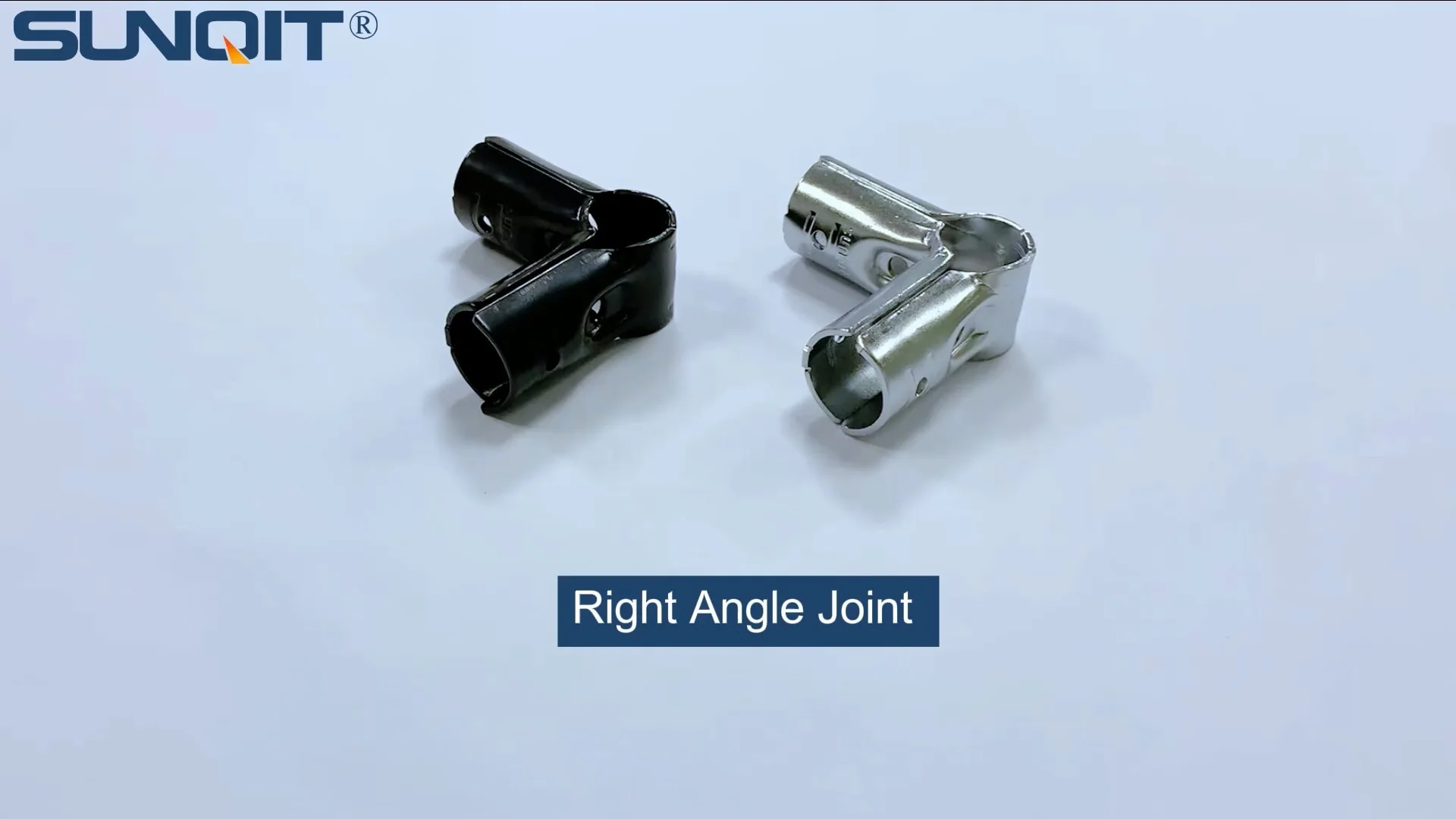
Three way lean pipe joint for 3 pcs 28MM lean pipe connection in straight angle, which used widely in workbench, flow rack, hand trolley frame connection.
How Sustainable Certifications Are Shaping the Future of Lean Manufacturing Components
Walk into any modern manufacturing facility, and you'll likely spot the backbone of efficient production: lean systems. From streamlined workbenches to gravity-fed flow racks, these setups rely on precision-engineered components to keep operations running like well-oiled machines. Among these unsung heroes? The three way lean pipe joint—a small but mighty connector that links pipes, supports shelves, and brings modular lean structures to life. But in an era where sustainability isn't just a buzzword but a business imperative, even the humble three way joint is under the microscope. Today, we're diving into the world of eco-certifications for three way lean pipe joint materials, exploring why they matter, which certifications count, and how they're reshaping the choices of lean system suppliers and manufacturers alike.
Sustainability in manufacturing isn't just about reducing waste on the production line (though that's a big part of lean principles). It's about rethinking every component, from raw materials to end-of-life disposal. For three way lean pipe joints—used in everything from aluminum lean pipe workbenches to stainless steel pipe series conveyors—the materials chosen directly impact a company's carbon footprint, regulatory compliance, and ability to meet the growing demand for green products. Let's unpack what makes these joints so critical, the materials that go into them, and the eco-certifications that are setting new standards for the industry.
What Are Three Way Lean Pipe Joints, Anyway?
Before we dive into certifications, let's make sure we're all on the same page: What exactly is a three way lean pipe joint, and why does it matter in the world of lean manufacturing? Simply put, these joints are the "connective tissue" of lean systems. They're designed to join three lengths of pipe (or aluminum profile, or stainless steel tubing) at various angles, enabling the creation of custom structures like workbenches, flow racks, material trolleys, and conveyor systems. Think of them as the building blocks that turn basic pipes into functional, modular tools that adapt to a facility's changing needs.
For example, a lean pipe workbench might use three way joints to connect vertical support pipes to horizontal shelves, while a flow rack could rely on them to link roller track guides to side rails. Their versatility is what makes lean systems so powerful—instead of buying fixed, one-size-fits-all equipment, manufacturers can build, modify, and repurpose structures as production lines evolve. But here's the catch: Every joint, every pipe, and every accessory (from caster wheels to plastic roller track guide rails) contributes to the system's overall environmental impact. That's where eco-certifications come in.
The Materials Behind Three Way Lean Pipe Joints
Three way lean pipe joints are typically made from a handful of core materials, each with its own set of environmental pros and cons. Let's break down the most common ones:
1. Aluminum Lean Pipe and Aluminum Profile
Aluminum is a favorite in lean manufacturing for good reason: it's lightweight, corrosion-resistant, and—crucially—highly recyclable. Aluminum lean pipe joints (often paired with aluminum extrusion profiles) are popular for their strength-to-weight ratio, making them ideal for workbenches and light-duty material racks. The environmental benefit? Aluminum can be recycled repeatedly without losing quality, and recycling it uses just 5% of the energy required to produce new aluminum from raw bauxite ore. For lean system suppliers focused on sustainability, aluminum is a go-to material—though its eco-credentials depend on how it's sourced and processed.
2. Stainless Steel Pipe Series
Stainless steel is prized for its durability and resistance to rust, making stainless steel pipe series joints a staple in harsh environments (like food processing or chemical plants) or heavy-duty applications. While stainless steel is 100% recyclable (about 80% of new stainless steel comes from recycled scrap), its production is energy-intensive. That said, its longevity reduces the need for frequent replacement, which offsets some environmental impact. For joints in high-wear areas—like roller track connectors or caster accessories—stainless steel's durability can mean less waste over time.
3. PE Coated Lean Pipe
PE (polyethylene) coated lean pipe is steel pipe wrapped in a plastic coating, often used for its impact resistance and grip. The steel core provides strength, while the PE coating protects against scratches and reduces noise in conveyor systems. However, the plastic component raises questions: Is the PE derived from recycled materials? Does it contain harmful additives? For eco-conscious manufacturers, the sustainability of PE coated lean pipe hinges on the coating's composition and whether it can be separated from the steel for recycling at the end of its life.

Why Eco-Certifications Matter for Lean Pipe Joints
At this point, you might be wondering: Why bother with eco-certifications for something as small as a pipe joint? The answer lies in the ripple effect of sustainable choices. Lean manufacturing is all about eliminating waste—whether that's time, materials, or energy. Eco-certifications take that philosophy a step further by ensuring that the materials used to build lean systems are themselves low-waste, low-impact, and aligned with global sustainability goals. Here's why that matters:
- Reduced Environmental Footprint: Certifications often require materials to be sourced from recycled content, produced with renewable energy, or free from hazardous substances. For example, a three way joint made from recycled aluminum (certified by a program like the Aluminum Stewardship Initiative) has a much lower carbon footprint than one made from virgin aluminum.
- Regulatory Compliance: Governments worldwide are cracking down on hazardous materials in manufacturing. Certifications like RoHS (Restriction of Hazardous Substances) ensure that joints (and their coatings, like PE) don't contain lead, mercury, or other toxins—critical for industries like electronics, where ESD workstations must meet strict safety standards.
- Customer Demand: More and more companies are prioritizing sustainability in their supply chains. A lean system supplier that offers eco-certified joints can win contracts with brands that have net-zero goals or ESG (Environmental, Social, Governance) commitments.
- Brand Reputation: Sustainability builds trust. When a manufacturer can prove its lean workbenches or flow racks use certified materials, it signals a commitment to responsibility—something customers, employees, and investors increasingly value.

Key Eco-Certifications for Three Way Lean Pipe Joint Materials
Not all certifications are created equal. Below is a breakdown of the most relevant eco-certifications for lean pipe joint materials, what they require, and why they matter for manufacturers and suppliers.
| Eco-Certification | Issuing Body | Key Requirements | Relevance to Lean Pipe Joints |
|---|---|---|---|
| ISO 14001 | International Organization for Standardization (ISO) | Requires organizations to implement an environmental management system (EMS) to reduce waste, energy use, and emissions. | Ensures lean system suppliers have processes in place to minimize the environmental impact of joint production (e.g., recycling scrap aluminum or stainless steel). |
| RoHS | European union (EU) | Restricts the use of 10 hazardous substances (e.g., lead, cadmium, mercury) in electrical and electronic equipment. | Critical for joints used in ESD workstations or electronics manufacturing, where toxic materials could harm workers or contaminate products. |
| REACH | European Chemicals Agency (ECHA) | Regulates the production and use of chemical substances, requiring registration and safety data for substances in products. | Applies to PE coated lean pipe joints, ensuring the plastic coating doesn't contain harmful chemicals that could leach into the environment. |
| Aluminum Stewardship Initiative (ASI) | Aluminum Stewardship Initiative | Sets standards for responsible aluminum production, including bauxite mining, smelting, and recycling. | Verifies that aluminum lean pipe joints are made from sustainably sourced, recycled, or low-carbon aluminum. |
| Green Seal | Green Seal, Inc. | Certifies products with low environmental impact across their lifecycle, from raw materials to disposal. | Validates that joints (and their coatings) are designed for recyclability and minimal toxicity. |

How Eco-Certifications Impact Lean System Suppliers
For lean pipe suppliers, eco-certifications aren't just a "nice-to-have"—they're becoming a business necessity. Let's take a closer look at how certifications shape the day-to-day operations of a lean system supplier:
Sourcing Sustainable Materials
To offer certified three way joints, suppliers must vet their material sources rigorously. For example, an aluminum lean pipe supplier might partner with ASI-certified smelters to ensure the aluminum in their joints comes from recycled or responsibly mined sources. Similarly, a stainless steel pipe series supplier might prioritize scrap metal recyclers that follow ISO 14001 guidelines for waste reduction. This due diligence takes time and investment, but it pays off in the form of higher-quality, more sustainable products.
Differentiating in a Crowded Market
The lean manufacturing supply chain is competitive. With so many suppliers offering similar products—lean pipe workbenches, flow racks, caster wheels—certifications provide a clear differentiator. A supplier that advertises "RoHS-compliant three way joints" or "ASI-certified aluminum lean pipe" stands out to buyers who need to meet sustainability targets. It's not just about selling a product; it's about selling a commitment to the planet.
Building Long-Term Customer Trust
Sustainability is a long game. When a lean system supplier invests in eco-certifications, it sends a message that they're in it for the long haul—not just chasing short-term profits. This builds trust with customers, who know they can rely on the supplier to meet evolving environmental regulations and stay ahead of industry trends. For example, a manufacturer that switches to PE coated lean pipe with REACH-compliant coatings can assure clients that their products won't be flagged for chemical violations down the line.
Case Study: Eco-Certified Joints in Action
Let's put this into context with a real-world example. Imagine a mid-sized electronics manufacturer that produces smartphones. They use lean systems throughout their facility: ESD workstations for assembly, flow racks for component storage, and conveyors with roller track guides to move products between stations. To meet their corporate goal of achieving net-zero emissions by 2030, they decide to upgrade their aging equipment with sustainable alternatives.
They reach out to a lean system supplier and specify two key requirements: All components must be RoHS-compliant (to avoid hazardous substances in electronics production) and made from at least 70% recycled materials. The supplier responds with a proposal: three way joints made from ASI-certified aluminum lean pipe (95% recycled content), stainless steel roller track connectors (100% recycled stainless steel), and PE coated lean pipe with a REACH-compliant plastic coating (free from phthalates and heavy metals).
The result? The manufacturer reduces its carbon footprint by 15% in the first year (thanks to the lower energy use of recycled aluminum) and passes its next customer audit with flying colors (since all joints meet RoHS standards). The supplier, meanwhile, gains a loyal client and uses the case study to attract other eco-conscious manufacturers. It's a win-win—proof that small components like three way joints can drive big sustainability gains.
Challenges and Future Trends
Of course, adopting eco-certifications isn't without challenges. For many lean pipe suppliers—especially smaller ones—the cost of certification (audits, material testing, process upgrades) can be prohibitive. There's also the complexity of navigating overlapping certifications: A joint might need to meet RoHS, REACH, and ISO 14001 standards, each with its own paperwork and compliance checks. And then there's the issue of greenwashing—some suppliers claim "eco-friendly" products without third-party verification, making it hard for buyers to separate fact from fiction.
But the future looks bright. As technology advances, we're seeing innovations that make sustainable joints more accessible. For example, new recycling techniques are making it easier to separate PE coatings from steel pipes, improving recyclability. 3D printing is also emerging as a way to produce custom joints with minimal waste, using recycled plastic or metal filaments. And as consumer demand for transparency grows, we can expect more rigorous, standardized certifications that cut through the greenwash.
Another trend to watch: the circular economy. Instead of selling joints as one-time purchases, forward-thinking suppliers are exploring "joint-as-a-service" models, where they lease components, repair them when needed, and recycle them at the end of their life. This shifts the focus from selling products to selling sustainability outcomes—aligning perfectly with the lean principle of eliminating waste.
Conclusion: Small Joints, Big Impact
Three way lean pipe joints might be small, but their role in sustainable manufacturing is huge. As the industry moves toward greener practices, these unassuming components are becoming a litmus test for a company's commitment to the planet. Whether made from aluminum lean pipe, stainless steel pipe series, or PE coated lean pipe, joints certified by programs like ISO 14001, RoHS, or ASI are helping manufacturers reduce waste, meet regulations, and build trust with customers.
For lean system suppliers, the message is clear: Invest in eco-certifications, and you'll not only contribute to a healthier planet—you'll also future-proof your business. For manufacturers, choosing certified joints is a simple yet powerful way to turn their lean systems into engines of sustainability. After all, in the world of lean manufacturing, every detail counts—and when it comes to the environment, every joint counts too.