- Company Articles
- Products and Technology
- Product knowledge
- Eco-Friendly 1.2mm Stainless Steel Pipe: Supporting Sustainable Lean Initiatives

Eco-Friendly 1.2mm Stainless Steel Pipe: Supporting Sustainable Lean Initiatives
Related Product
1.2mm Stainless Steel Pipe
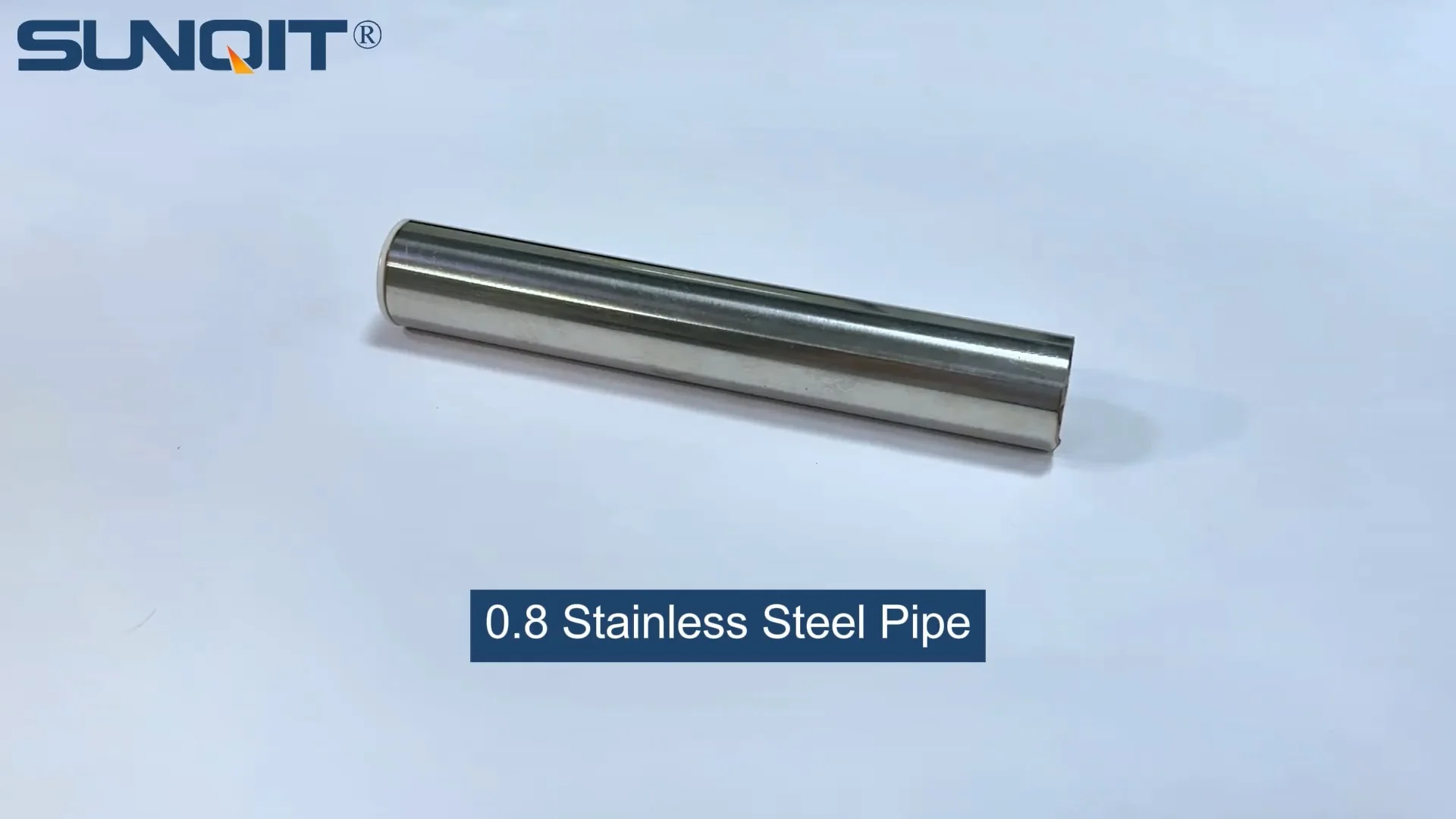
Stainless steel pipe, lean pipe, diameter is 28mm, material is SS201 or SS304, SS201 is normally used in the market. It knows a KARAKURI, KAIZEN material for industrial plant to improve efficiency, save labor cost, standard management.
The Manufacturing Shift: Where Lean Meets Green
Walk into any modern manufacturing facility today, and you'll likely notice a quiet revolution unfolding. It's not just about making products faster or cheaper anymore—though those goals still matter. Today, the most forward-thinking teams are asking a bigger question:
how do we make things better, for both our bottom line and the planet?
This is where two powerful concepts collide: lean systems and sustainability. Lean teaches us to eliminate waste; sustainability teaches us to protect resources. Together, they're reshaping how we build, produce, and operate. And at the heart of this transformation? Materials that don't just serve a purpose, but serve it responsibly. Enter the 1.2mm stainless steel pipe—a humble component that's becoming a cornerstone of eco-friendly lean initiatives worldwide.
For years, manufacturers relied on materials that prioritized short-term cost savings over long-term impact. Pipes would rust, joints would crack, and entire workbenches or racks would end up in landfills after just a few years. But as companies adopt lean principles—focusing on efficiency, durability, and waste reduction—they're realizing that the right materials can make or break their success. A 1.2mm stainless steel pipe isn't just a tube; it's a statement. It says, "We care about how we build, how long it lasts, and what happens when it's time for something new."
What Makes Lean Systems Tick? It Starts with the Right Tools
Let's back up for a second. What exactly is a
lean system
? At its core, lean is about creating more value with less work. It's about cutting out unnecessary steps, reducing downtime, and ensuring every part of the production process serves a clear purpose. Think of it as tidying up your workspace, but on an industrial scale. A messy, inefficient line with clunky equipment? That's the opposite of lean. A streamlined, adaptable setup where materials flow smoothly, and every tool has a place? That's lean in action.
But here's the thing: lean systems can't thrive with flimsy materials. Imagine building a house with weak foundations—it might stand for a while, but eventually, it'll crack under pressure. The same goes for manufacturing setups. If your workbenches wobble, your flow racks sag, or your conveyor systems jam because of low-quality pipes, you're not eliminating waste—you're creating it. Repairs, replacements, and downtime all eat into productivity. That's why choosing the right building blocks matters so much. And when it comes to building durable, flexible, and sustainable lean setups, the 1.2mm stainless steel pipe is quickly becoming the go-to choice.

Why 1.2mm? The Sweet Spot of Strength and Sustainability
You might be wondering: why 1.2mm specifically? Why not thicker, or thinner? Let's break it down. Stainless steel is already known for its strength and resistance to corrosion, but thickness plays a big role in how it performs. A pipe that's too thin (say, 0.8mm) might save a few dollars upfront, but it won't hold up to heavy loads or constant use. A pipe that's too thick (like 2.0mm) adds unnecessary weight and cost, making it harder to assemble, adjust, or transport—exactly the kind of waste lean systems aim to avoid.
The 1.2mm stainless steel pipe hits that perfect balance. It's strong enough to support the demands of a busy production floor—whether it's holding tools on a lean pipe workbench or guiding materials along a roller track. Yet it's lightweight enough to keep setups flexible; you can reconfigure a workstation or adjust a flow rack without needing a team of people or heavy machinery. And because it's part of the broader
stainless steel pipe series
, it's designed to work seamlessly with other components—joints, connectors, casters—so you're not stuck with a one-size-fits-all solution. You can mix, match, and modify as your needs change, which is key to keeping lean systems agile.

Eco-Friendly by Design: How Stainless Steel Supports Sustainability
Let's talk about the "green" in green lean. Sustainability isn't just a buzzword here—it's a measurable impact. Stainless steel, by nature, is one of the most eco-friendly materials out there, and the 1.2mm variant amplifies those benefits. First, it's 100% recyclable. When a pipe finally reaches the end of its life (which, with stainless steel, could be decades), it doesn't end up in a landfill. It gets melted down and reused, reducing the need for mining new raw materials. Compare that to plastic-coated pipes, which often can't be recycled easily and degrade over time, releasing harmful chemicals.
Then there's durability. A 1.2mm stainless steel pipe doesn't rust, warp, or corrode, even in harsh factory environments with moisture, oils, or chemicals. That means fewer replacements. Think about it: if a traditional pipe needs to be swapped out every 2-3 years, but a stainless steel one lasts 10+ years, you're cutting down on waste from manufacturing, shipping, and disposal. That's a huge win for both your budget and the planet. And because stainless steel requires minimal maintenance—no painting, no treatments, just an occasional wipe-down—you're also saving on the resources (and labor) needed to keep other materials in shape.
From Workbenches to Flow Racks: Real-World Impact of 1.2mm Stainless Steel
Let's get concrete. How does this pipe actually support lean initiatives on the ground? Let's take a common scenario: a lean pipe workbench. These workstations are the backbone of many production lines—they hold tools, parts, and assembly materials, keeping everything within arm's reach. A wobbly workbench with weak pipes isn't just frustrating; it's a safety hazard. Tools slide off, parts get damaged, and workers waste time readjusting. But with a 1.2mm stainless steel frame, the workbench stays sturdy, even when loaded with heavy equipment. The joints lock securely, the surface doesn't sag, and because the pipes are corrosion-resistant, you don't have to worry about rust stains ruining products or making the workspace look unprofessional.
Now, think about flow racks. These are the systems that keep materials moving—from raw parts to assembly stations to packaging. A flow rack with flimsy pipes might have rollers that stick, causing jams and delays. With 1.2mm stainless steel rails and connectors, the rack stays aligned, and materials glide smoothly. And because the pipes are lightweight, you can add or remove levels as production needs change—no need to buy an entirely new rack. That's lean waste reduction in action: you're using what you have, adapting as you go, and avoiding unnecessary purchases.
Even something as simple as a turnover trolley benefits. Trolleys are constantly on the move, bumping into walls, rolling over uneven floors, and carrying heavy loads. A trolley made with thin, low-quality pipes will start to rattle or break down quickly. But a trolley built with 1.2mm stainless steel pipes? It can handle the daily grind, reducing the need for repairs and keeping materials moving from A to B without hiccups.
Comparing Materials: Why Stainless Steel Beats the Alternatives
To really see why the 1.2mm stainless steel pipe stands out, let's compare it to other common materials used in lean setups. We'll focus on sustainability, durability, and how well they support lean goals.
| Material | Key Traits | Sustainability | Durability | Lean Compatibility |
|---|---|---|---|---|
| 1.2mm Stainless Steel Pipe | Lightweight, corrosion-resistant, part of stainless steel pipe series | 100% recyclable, long lifespan (10+ years), low maintenance | Withstands heavy loads, resists rust/dents, ideal for high-use areas | Easy to assemble/reconfigure, works with standard lean components |
| PE Coated Lean Pipe (1.2mm) | Plastic coating over steel, lower upfront cost | Coating complicates recycling, prone to chipping/peeling over time | Coating can crack; steel core may rust if damaged | Lightweight but less durable for heavy loads; limited lifespan |
| Aluminum Profile | Lightweight, sleek appearance | Recyclable, but production requires more energy than stainless steel | Less impact-resistant; dents easily under heavy use | Modular but often more expensive; better for low-load, static setups |
The table tells the story: while other materials have their uses, the 1.2mm stainless steel pipe shines when you care about both sustainability and lean efficiency. PE coated pipes might be cheaper at first, but their short lifespan and recycling challenges mean more waste in the long run. Aluminum profiles are lightweight but lack the toughness needed for busy production floors. Stainless steel? It's built to last, easy to recycle, and designed to keep lean systems flexible and waste-free.
Choosing a Supplier: Why Quality Matters
Of course, not all 1.2mm stainless steel pipes are created equal. To get the full benefits—durability, sustainability, compatibility—you need to work with a supplier who understands both lean systems and the nuances of stainless steel. A reliable supplier will offer pipes that meet industry standards, with consistent thickness and smooth finishes that make assembly easier. They'll also provide the right accessories—joints, connectors, end caps—that work seamlessly with the pipe, so you're not stuck hunting for parts that fit.
Look for suppliers who prioritize sustainability, too. Do they use recycled stainless steel in their production? Do they have processes in place to minimize waste during manufacturing? These details matter because they ensure that the "eco-friendly" pipe you're buying actually lives up to the label. And don't underestimate the value of support: a good supplier will help you choose the right components for your specific needs, whether you're building a single lean pipe workbench or outfitting an entire facility.
The Future of Lean: Building a Greener, More Efficient Tomorrow
As lean systems continue to evolve, the focus on sustainability will only grow. Customers are demanding more eco-friendly products, regulations are tightening, and companies are realizing that green practices aren't just good for the planet—they're good for business. Reducing waste cuts costs. Using durable materials reduces downtime. And recycling materials creates a circular economy that benefits everyone.
The 1.2mm stainless steel pipe is more than just a tool in this journey; it's a symbol of how small choices add up to big change. It's proof that you don't have to sacrifice efficiency for sustainability, or vice versa. You can build a production line that's fast, flexible, and kind to the planet—one pipe at a time.
So, whether you're just starting to explore lean systems or you're looking to upgrade your existing setup, consider the materials you're using. Ask:
Will this pipe last? Can it be recycled? Does it support the flexibility my team needs?
The answers might just lead you to the 1.2mm stainless steel pipe—a simple component with the power to transform how you work, and how you impact the world around you.